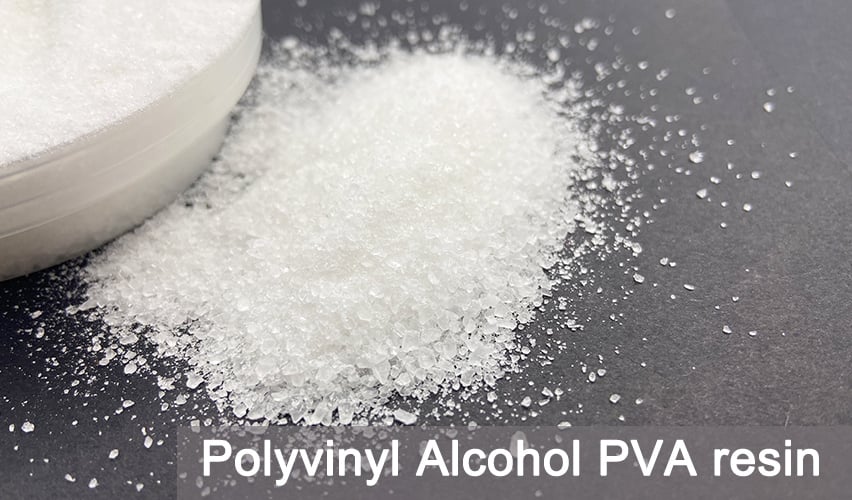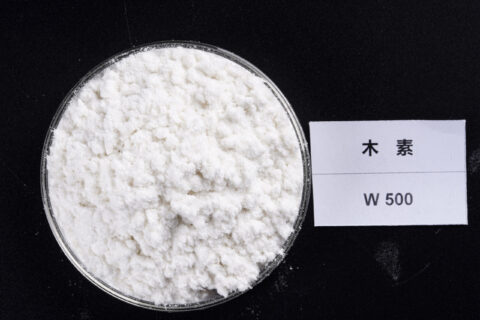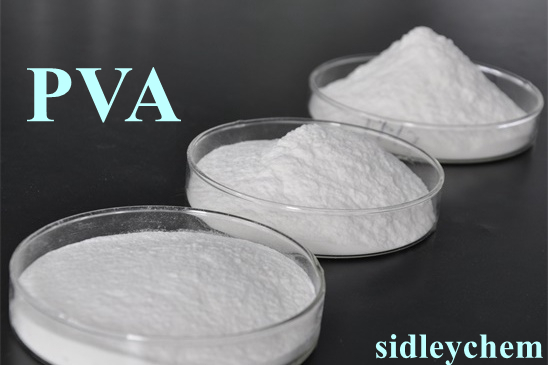


SIDLEYCHEM Polyvinyl Alcohol (PVA) is a water-soluble synthetic polymer widely used as a functional binder and film-forming additive in wall putty, dry mix mortar, gypsum products and other construction materials.
Polyvinyl alcohol is produced through the polymerization of vinyl acetate followed by hydrolysis or alcoholysis. Its excellent film-forming properties, adhesive characteristics and compatibility with selected construction additives make it a versatile component in building material formulations.
In dry powder applications, PVA contributes to particle cohesion, binding performance and the development of a more uniform surface after drying. It is particularly suitable for wall putty formulations where surface strength, smoothness and resistance to powdering are important.
| Specification | 1788P | 2488P | 2688G | 0588G |
| Viscosity (mpa.s) | 21.0-24.5 | 45.0-55.0 | 60.0-64.0 | 5.0-6.0 |
| Hydrolysis(mol%) | 86.5-88.5 | 86.5-88.5 | 86.50-89.00 | 86.0-89.0 |
| Particle Size | 120mesh | 120mesh | Granule | Granule |
| Ash content(%) | ≤0.5 | |||
| Note: PVA 0588G is a granular crystal, commonly used as a protective colloid in emulsion synthesis. | ||||
Physical properties
Appearance: white free-flowing powder, odorless and tasteless.
Solubility: Polyvinyl alcohol powder (PVA) 17-88 and 24-88 type are partially alcoholy-soluble types which can be soluble in room temperature water. It is prohibited to use when the temperature drops to below 0 degree C; when the temperature is below 10 degrees C, sufficient dissolution time is required for dissolution, usually takes 5-10 minutes.
Solution stability: Aqueous solution of low viscosity Polyvinyl alcohol is stable at room temperature and does not deteriorate during storage.
Film Formability: Due to the high adhesion strength between Polyvinyl alcohol molecules, Polyvinyl alcohol is easy to form a film, which has colorless and transparent smooth surface with high mechanical strength and good solvent resistance.
Application field
1, Polyvinyl alcohol can be applied in a variety of wall putty, drymix mortar, gypsum products, tile adhesive. It can effectively increase the adhesion of cement, ash calcium powder and gypsum. It can increase fluidity and slow the surface drying time to prevent product surface from cracking. It is suitable for wall/ceiling finishes and tile pastes.
2, Adding 1-2KG of Polyvinyl alcohol with fineness above 300 meshes, into the latex paint production process, can effectively improve the smoothness of the product, improve the film formation and reduce the amount of emulsion used 5-10KG.
3, In the thermal insulation mortar system, 1 KG of Polyvinyl alcohol (160 mesh) has the similar effect of 4-5KG latex powder. In practical application, combine latex powder and Polyvinyl alcohol to use will achieve a better effect.