Concrete Admixture Technology

Concrete Technology & Admixture Solutions

The performance of concrete admixtures depends not only on their chemical composition but also on cement characteristics, aggregate quality, supplementary cementitious materials, mix design, production conditions and environmental temperature. Selecting the appropriate admixture and optimizing its dosage are essential for achieving consistent concrete performance.

Our technical resources focus on concrete mix design optimization, admixture compatibility, rheology control, strength development, pumping performance and common production challenges.

Through laboratory research, application testing and technical support, SIDLEYCHEM helps ready-mix concrete producers, precast concrete manufacturers and admixture formulators develop more efficient, reliable and cost-effective concrete solutions.

Contact Info

Linyi City, China

+86 53975576660

+86 5932522448

Contact Info

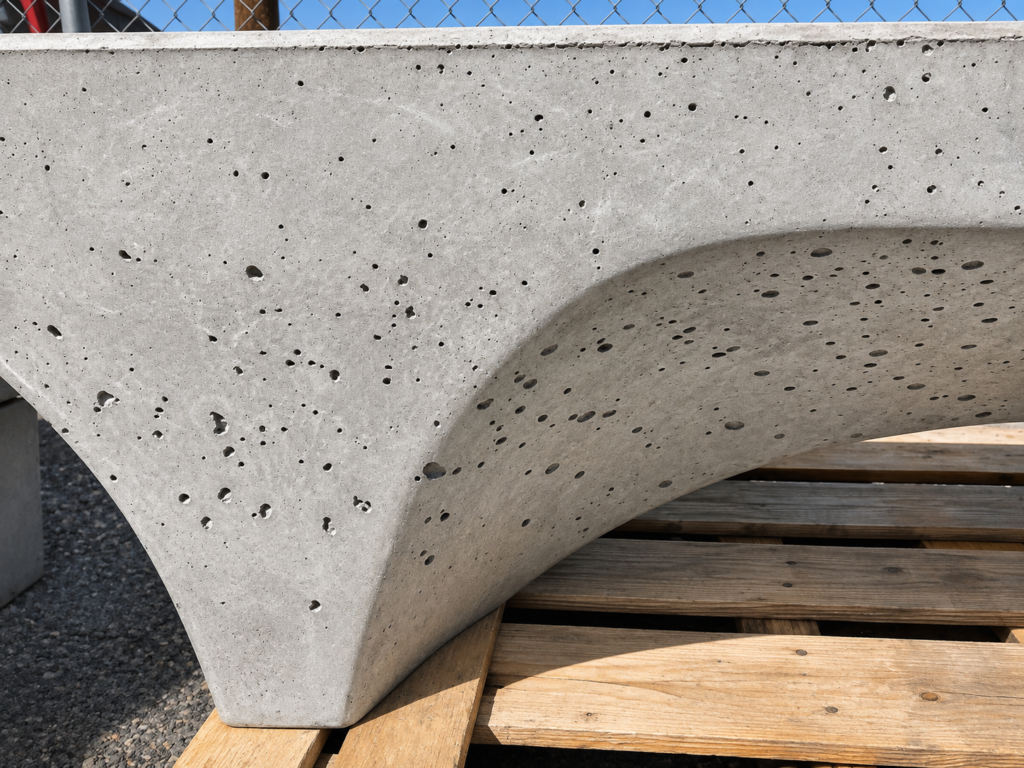
Why Does Concrete Still Have Surface Bugholes After Adding Defoamer?

Concrete surface bugholes after defoamer? Learn how vibration, formwork, release agents, mix design, and air affect the finish… Continue reading

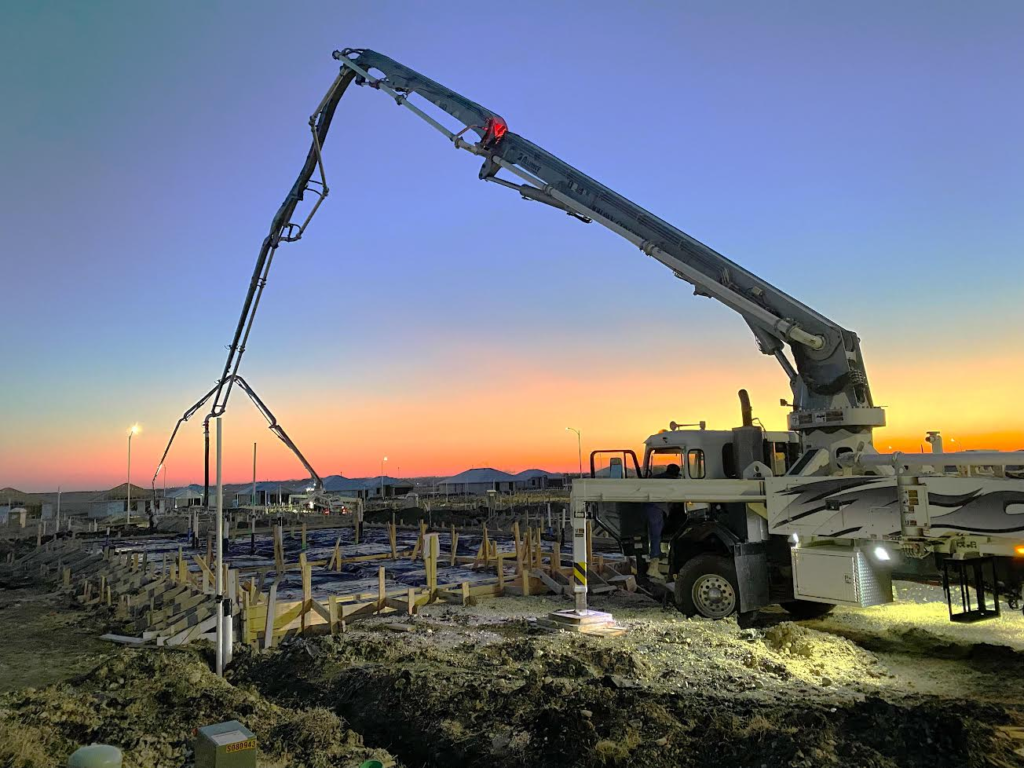
Why Does Concrete Air Content Drop After Pumping?

Concrete air content drops after pumping? Learn how pressure, mix design, AEA stability, and testing point affect fresh concrete… Continue reading

Low Demolding Strength in Precast Concrete: Causes & Fixes

Precast concrete demolding strength too low? Learn how curing, temperature, cement, water ratio, and admixtures affect early strength… Continue reading

Sticky Concrete with Normal Slump: Causes & Solutions

Concrete can have normal slump but still feel sticky and difficult to pump. Learn how fines, PCE, VMA, aggregate grading, and rheology affect pumpability… Continue reading

PCE Cement Compatibility: Why Performance Changes

PCE performance can change after switching cement. Learn why water reduction, slump retention, and setting behavior change and how to identify the cause… Continue reading

Why Does Concrete Strength Vary Between Batches?

Learn why concrete strength varies between batches and how to improve consistency through proper water control, raw materials, admixture dosing, mixing, and curing… Continue reading

The Role of Expanding Agents in Compensating Shrinkage of Mass Concrete Foundations

Cracking after mass concrete foundation pouring? Thermal shrinkage, drying shrinkage, and autogenous shrinkage combined are the culprits. … Continue reading

Lightweight Aggregate Concrete Lacking Viscosity?

Lightweight aggregate concrete segregation, aggregate floating, pump blockages? The root cause is insufficient viscosity. This article details four practical methods — viscosity modifier dosage (0.02%–0.03%), aggregate pre-wetting, mix optimization, and specialized admixtures — to solve workability problems once and for all… Continue reading

How Does Air-Entraining Agent Affect Concrete Strength?

Each 1% air content reduces concrete strength by 4%–6%. How to balance? This short article gives three practical methods: measure air content, lower w/c, and choose a stable-foam AEA. Direct and actionable… Continue reading

The Three Critical Windows for Concrete Curing

Same mix design, with and without proper curing – 28‑day strength can differ by a whole grade. This article explains hydration mechanisms, three critical curing windows, and practical steps to prevent strength loss and cracking… Continue reading