Drymix Mortar Tech+

Performance and Formulation Optimization of Mortar Additives

Dry-mix mortar is a pre-mixed building material composed of cement, sand, fillers, and various additives blended in scientifically determined proportions. At the construction site, it only requires adding the appropriate amount of water according to the specified ratio and mixing before use. Additives are a crucial component in dry-mix mortar, determining its performance and applications.

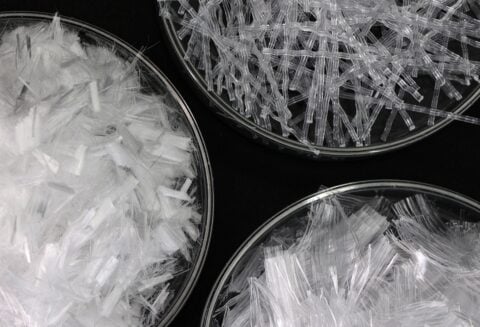
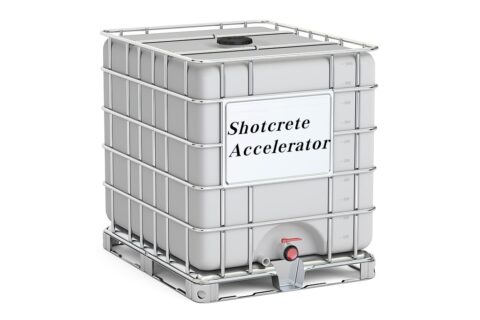
Dry-mix mortar additives come in diverse types, including: water-retaining thickeners, polymers, earlyaccelerators, thixotropic agents, water-reducing agents, synthetic fiber, water-repellents, and other functional additives. The scientific selection and application of additives are key to enhancing mortar performance.

Due to its scientifically balanced formulation, dry-mix mortar can be used for thin-layer bonding, protection, and decoration. Its high efficiency, low pollution, and versatile applications make it a mainstream development direction worldwide.
Why Does Dry Mix Mortar Cake During Storage?

Discover why dry mix mortar cakes during storage and transportation. Learn how moisture, packaging, raw materials, and formulation affect storage stability, and explore practical solutions to maintain product quality… Continue reading

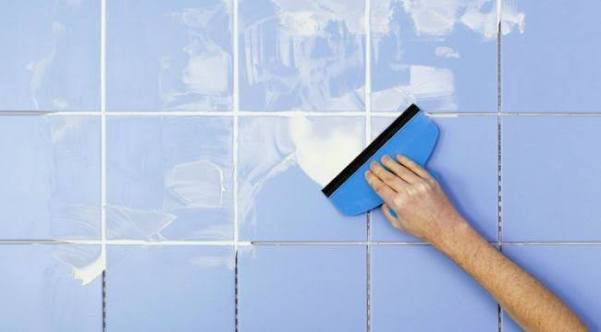
Why Does Tile Grout Change Color After Curing?

Discover the most common causes of tile grout color inconsistency after curing and learn practical solutions through proper formulation, pigment selection, moisture control, and construction practices… Continue reading

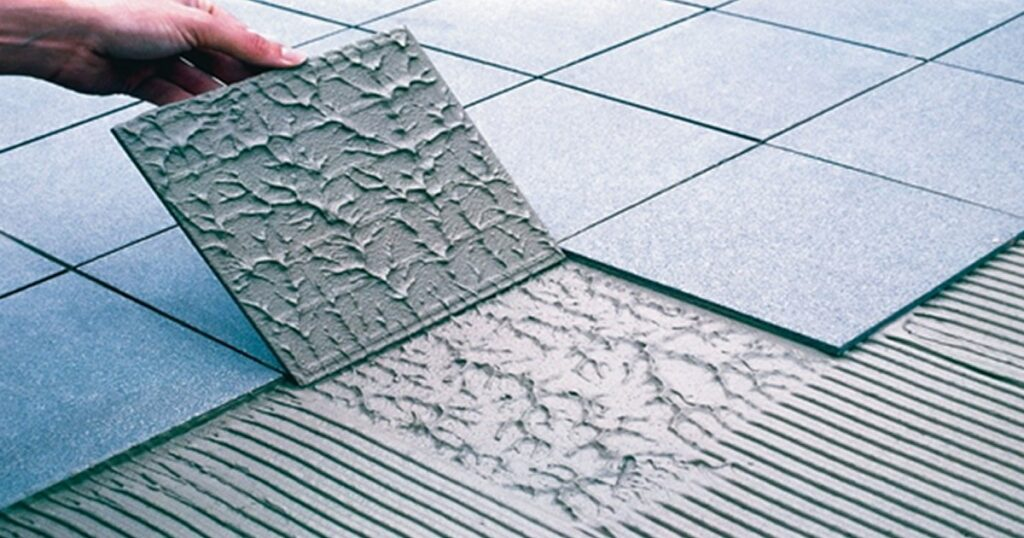
Tile adhesive bond strength

Learn the most common reasons why tile adhesive loses bond strength and discover practical solutions through proper formulation, additive selection, substrate preparation, and construction practices… Continue reading

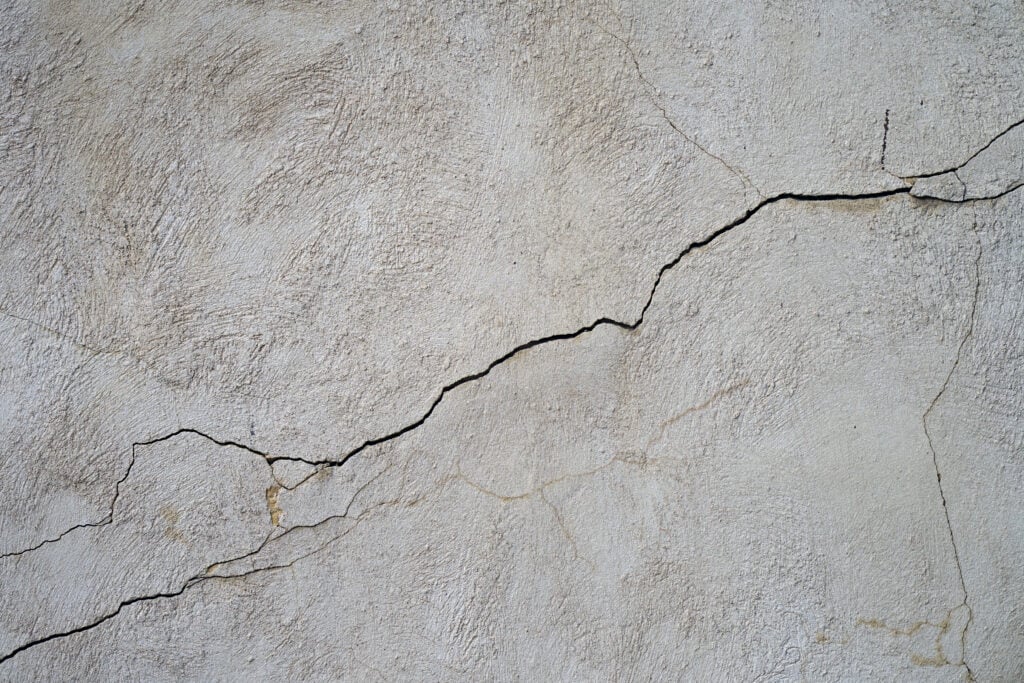
Gypsum Mortar Shrinkage: Causes and How to Prevent Cracks

Understand the main causes of gypsum mortar shrinkage and learn how to prevent cracks using HPMC, gypsum retarder, and proper formulation and construction practices… Continue reading

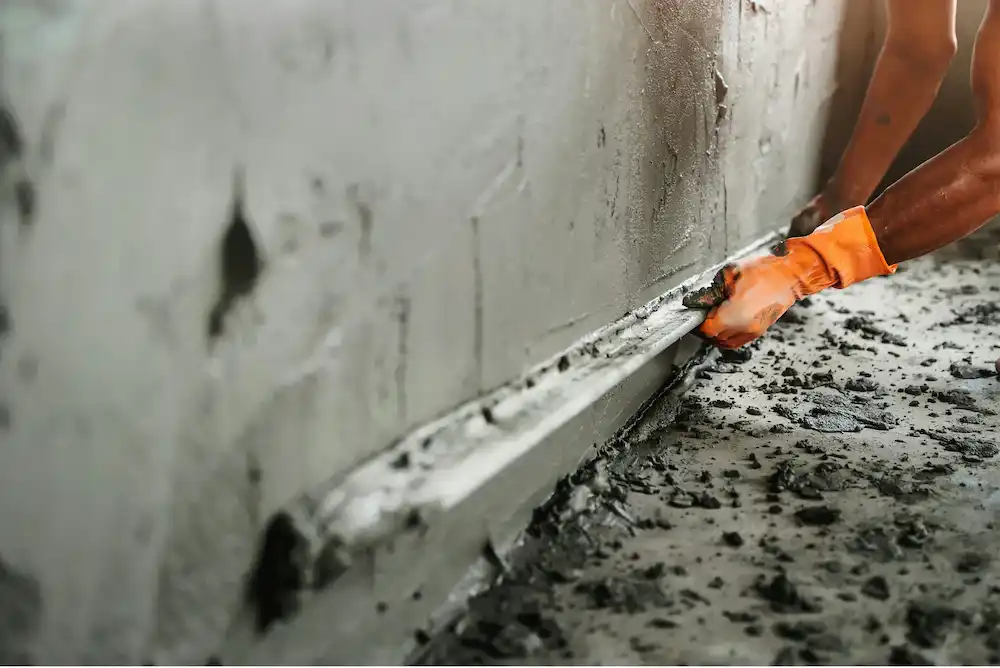
gypsum mortar water retention

Learn practical ways to enhance the water retention of gypsum mortar using HPMC, starch ether, and proper mixing techniques to improve workability and reduce cracks… Continue reading

Extend gypsum setting time

Learn why gypsum mortar loses workability too quickly and discover practical solutions using gypsum retarders, HPMC, and formulation optimization to extend working time without compromising strength… Continue reading

Tile Adhesive Crack Resistance Solutions

This article analyzes 5 main causes of tile adhesive cracking: insufficient flexibility, poor water retention, excessive shrinkage, poor substrate preparation, and incorrect additive selection, with solutions including HPMC, RDP, and other crack-resistant additives… Continue reading

Lightweight Gypsum Plaster Cellulose Ether

This article compares the performance of * 60010 and Sidley ME 42M07 cellulose ethers in lightweight gypsum plaster, including consistency, setting time, strength, and bond performance, providing data reference for dry-mix mortar formulation selection… Continue reading

Tile Adhesive Formulation

This article presents a C0 grade tile adhesive formulation trial comparing high, medium, and low viscosity cellulose ethers on open time and tensile bond strength, providing data reference for formulation optimization and cellulose ether selection… Continue reading

Tile adhesive open time

This article tests cellulose ethers (MP 17N01, ME 14N02, etc.) with varying viscosities and dosages to verify their effect on the open time of C1 tile adhesive, providing experimental data and conclusions… Continue reading