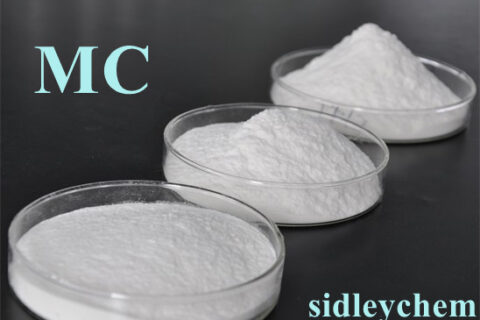
Methyl Cellulose

01 Overview

Food-grade methyl cellulose (MC) may be employed in diverse processed foods, offering multifaceted functionalities and advantages. It serves as a binder, emulsifier, stabiliser, suspending agent, protective colloid, thickener, and film-forming agent. Its ‘reversible thermogel’ property constitutes one of methyl cellulose's most significant characteristics for food processing applications.

Methyl Cellulose (MC) – Food Grade Cellulose Ether

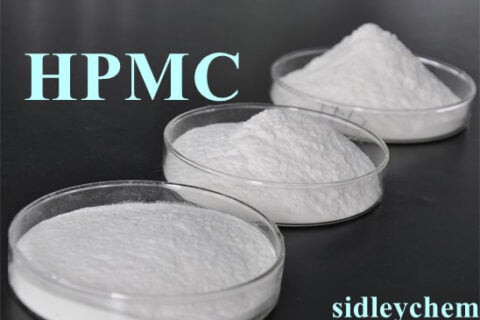
Methyl Cellulose (MC) is a non-ionic, water-soluble cellulose ether derived from natural cellulose through controlled chemical modification. It is widely used as a thickening agent, stabilizer, binder, emulsification aid, and film-forming agent in food processing and various industrial applications.

One of the most distinctive properties of methyl cellulose is its reversible thermal gelation. Unlike many conventional hydrocolloids, methyl cellulose forms a gel when heated and returns to a solution upon cooling. This characteristic makes it particularly valuable in food formulations requiring heat-induced structure formation, moisture retention, and texture control.

Methyl cellulose is also known as E461 in the European food additive classification system.

SIDLEYCHEM supplies methyl cellulose products for different formulation requirements, with viscosity and performance characteristics selected according to the intended application.

Technical Specifications

Item Specifications
Methoxy WT % 27.5-31.5
Viscosity(mpa.s,2% solu.,20℃) 4000,30000,50000,70000
Loss on Drying WT % ≤5.00
pH 5.0-8.0
Residue on ignition WT % ≤1.0
Heavy Metals ppm ≤20

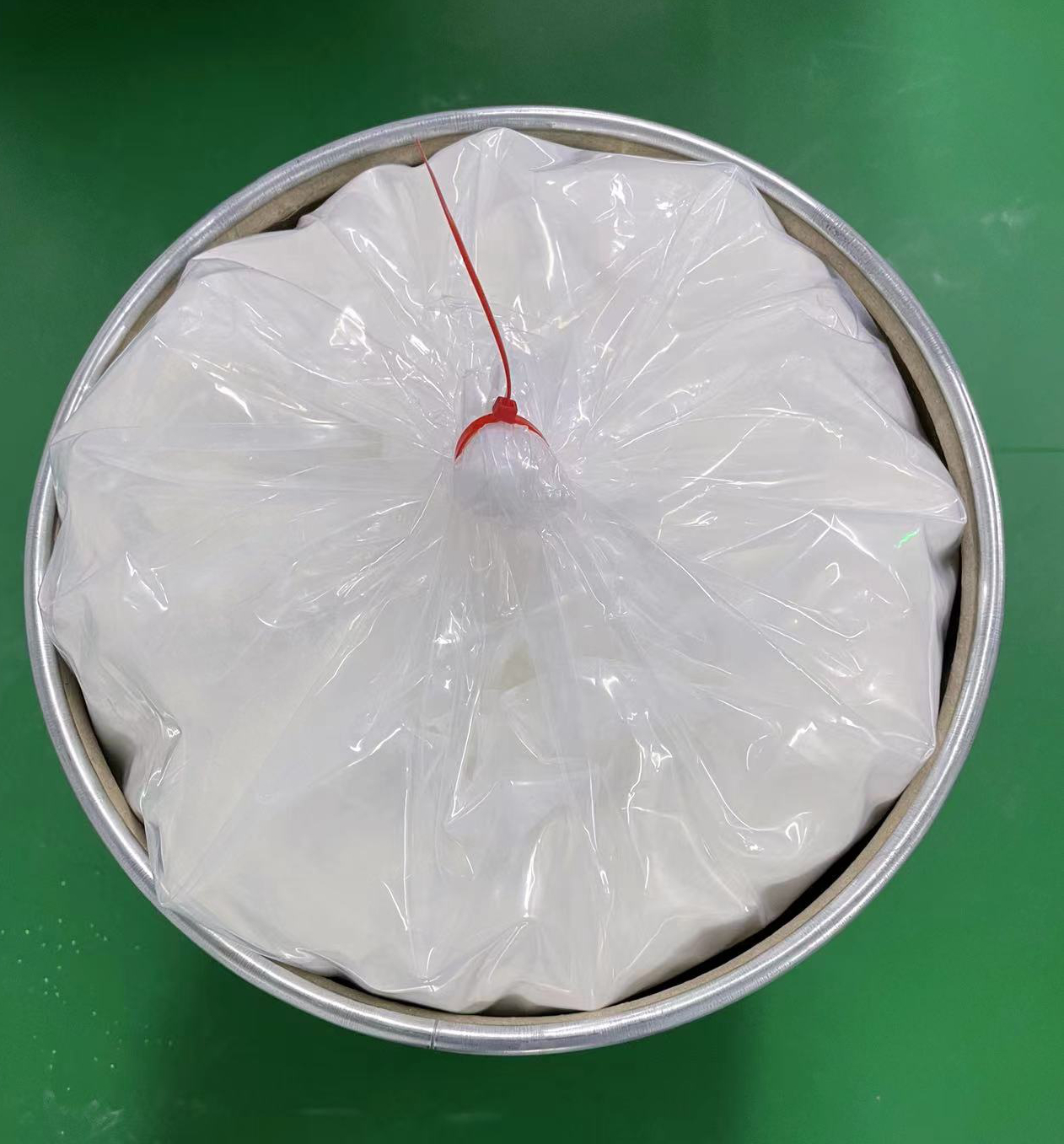
Packaging: 20kg/ fiber drum with inner PE bag suitable for pharmaceutical use.
02 Methyl Cellulose vs. HPMC

Methyl cellulose (MC) and hydroxypropyl methylcellulose (HPMC) are both non-ionic cellulose ethers, but they differ in their chemical substitution and functional properties.

Property Methyl Cellulose (MC) HPMC
Chemical Substitution Methoxy groups Methoxy and hydroxypropoxy groups
Cold-Water Solubility Yes Yes
Thermal Gelation Yes Yes
Gelation Temperature Grade-dependent Grade-dependent
Thickening Function Yes Yes
Film Formation Yes Yes
Common Applications Food processing, pharmaceuticals and industrial formulations Construction, food, pharmaceuticals and industrial formulations

The two products are not automatically interchangeable. Their performance depends on the specific grade, substitution chemistry, viscosity, gelation behavior, and formulation requirements.

SIDLEYCHEM can assist customers in comparing cellulose ether grades for specific applications.

03 Applications in food

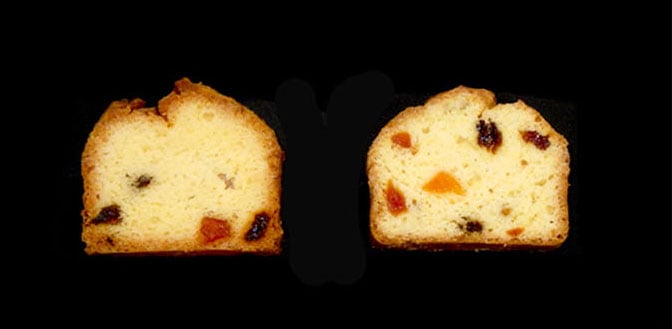
Cakes with dried fruits

Methyl Cellulose (MC) prevents the separation of fruit distribution and improves the appearance of cakes. Methyl Cellulose (MC) also enhances the consistency of mixtures and prevents cakes from drying out.

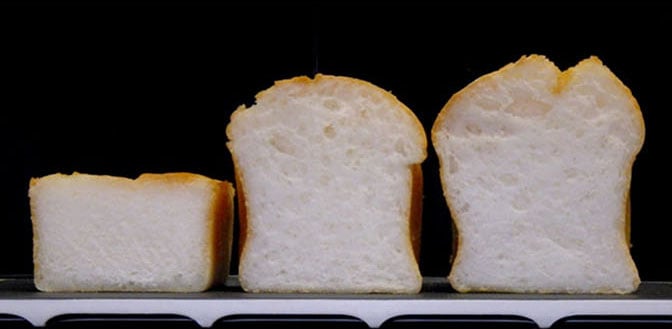
Methyl Cellulose for gluten-free bread texture and moisture retention

Gluten-Free Bread

Methyl Cellulose (MC) can be used as a gluten substitute. It improves the viscosity of dough, maintains product volume, and provides good texture.

Anti-sugar crystallisation agent

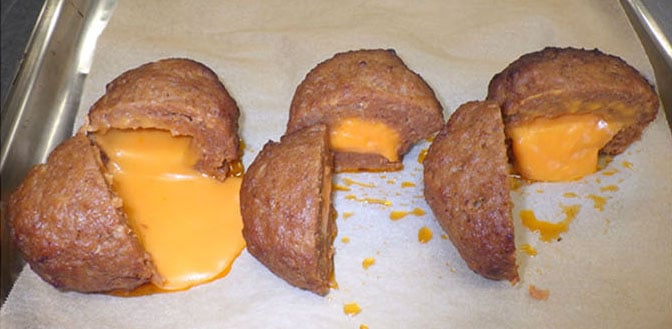
Methyl Cellulose (MC)’s thermogel properties prevent sugar crystallisation loss during thermal processing. By selecting different viscosities, uniform cut surfaces can be achieved.

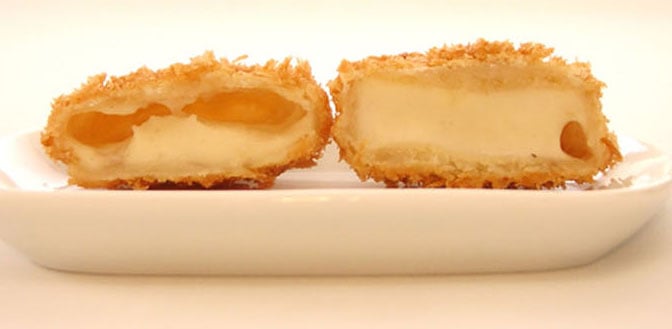
Powdered fried batter

The thermal gel of methyl cellulose (MC) prevents excessive penetration of hot oil into the batter, thereby controlling the amount of oil absorbed by the fried product.

Methyl Cellulose thermal gelation in fried food batter coatings