
Saint-Gobain Quinto Upgrade Signals Greener Gypsum Manufacturing
Contact Info
Contact Form
Saint-Gobain Placo Ibérica is planning a major upgrade to its Quinto gypsum wallboard plant in Zaragoza, Spain, reflecting the gypsum industry’s growing focus on lower-carbon and more resource-efficient production.
The 30 million m²/year plant is expected to partly electrify production from mid-2027. The project will include a battery system, a 6MW biomass power plant, a 3MW solar power plant and supporting high-voltage infrastructure.
According to reported project targets, the upgrade could reduce energy consumption by around 30%, natural gas use by 115GWh per year and water consumption by 50%. It is also expected to cut approximately 242,000 tonnes of CO₂ emissions.
The project has secured €20.8 million in funding from the EU Innovation Fund.

A Wider Shift in the Gypsum Industry
The Quinto project reflects a broader change taking place across the gypsum and construction materials industries.
Manufacturers are increasingly investing in electrification, renewable energy, water efficiency and more circular production methods as they work to reduce both environmental impact and operating costs.
For gypsum producers, however, sustainable manufacturing is not only about energy.
Changes in production processes and raw materials can also influence product consistency, workability and setting performance. This makes formulation control increasingly important, particularly for gypsum plasters, joint compounds and other dry-mix applications.
The Role of Gypsum Additives
Functional additives can help manufacturers maintain stable performance as production conditions evolve.
Cellulose ethers, starch ethers and gypsum retarders are commonly used to adjust properties such as water retention, viscosity, workability and setting time in gypsum-based formulations.
At SidleyChem, we believe the transition toward more sustainable gypsum manufacturing will place greater emphasis on both production efficiency and formulation optimisation.
By combining suitable raw materials with carefully selected additives, manufacturers can improve processing stability while maintaining the application performance expected from modern gypsum-based building materials.
Saint-Gobain’s Quinto investment is therefore more than a single plant upgrade. It is another sign that lower-carbon, more efficient and more sustainable production is becoming an important direction for the global gypsum industry.
Other News
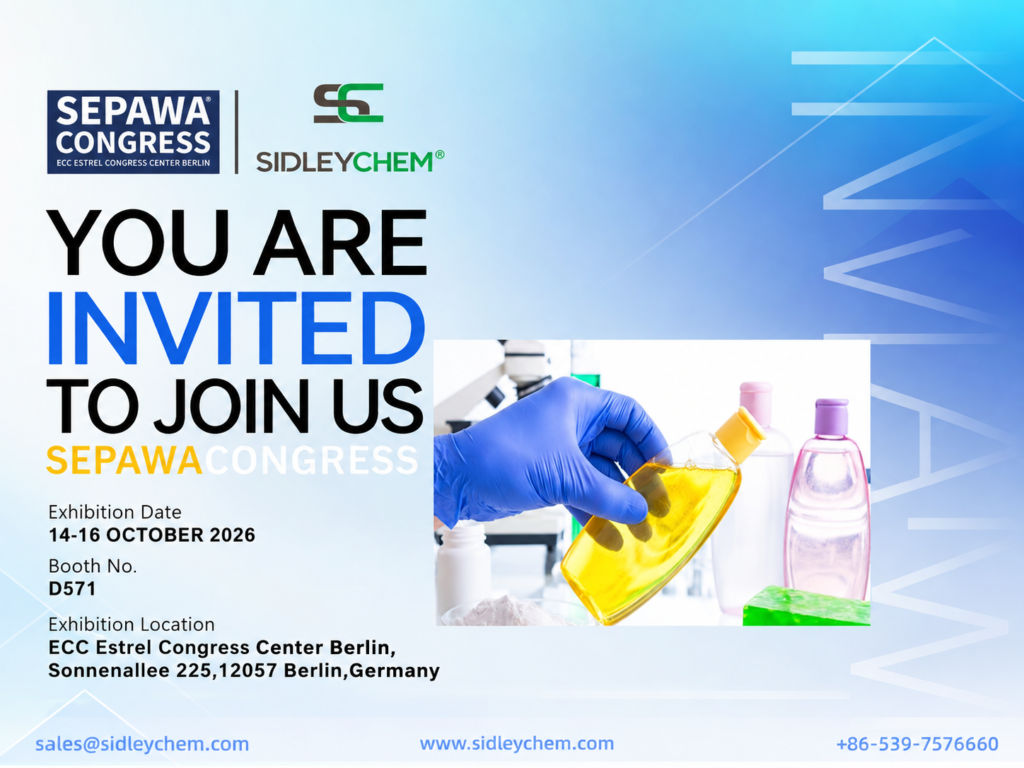
SidleyChem to Showcase Detergent and Personal Care Additives at SEPAWA Congress 2026 in Berlin
Meet SidleyChem at SEPAWA Congress 2026 in Berlin, October 14–16, Booth D571. Explore cellulose ethers and functional additives for detergent and personal care formulations… Continue reading
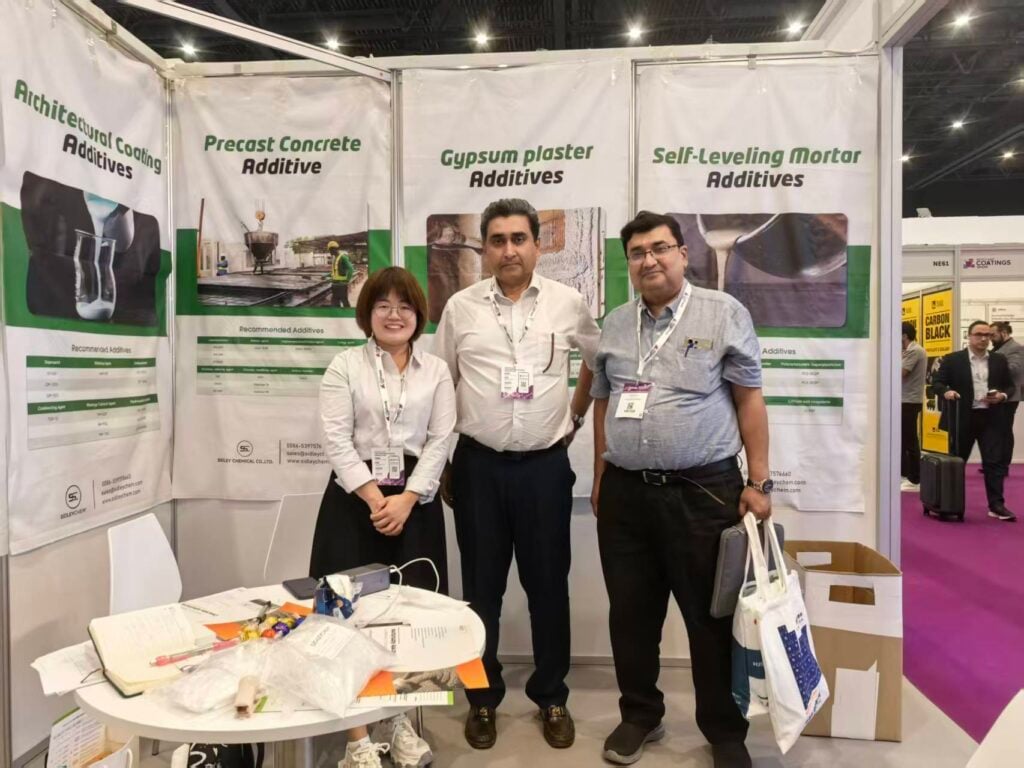
SidleyChem Connects with Coatings Industry Professionals at Middle East Coatings Show 2026 in Dubai
SidleyChem participated in Middle East Coatings Show 2026 in Dubai, presenting cellulose ethers and functional coating additives at Booth … Continue reading
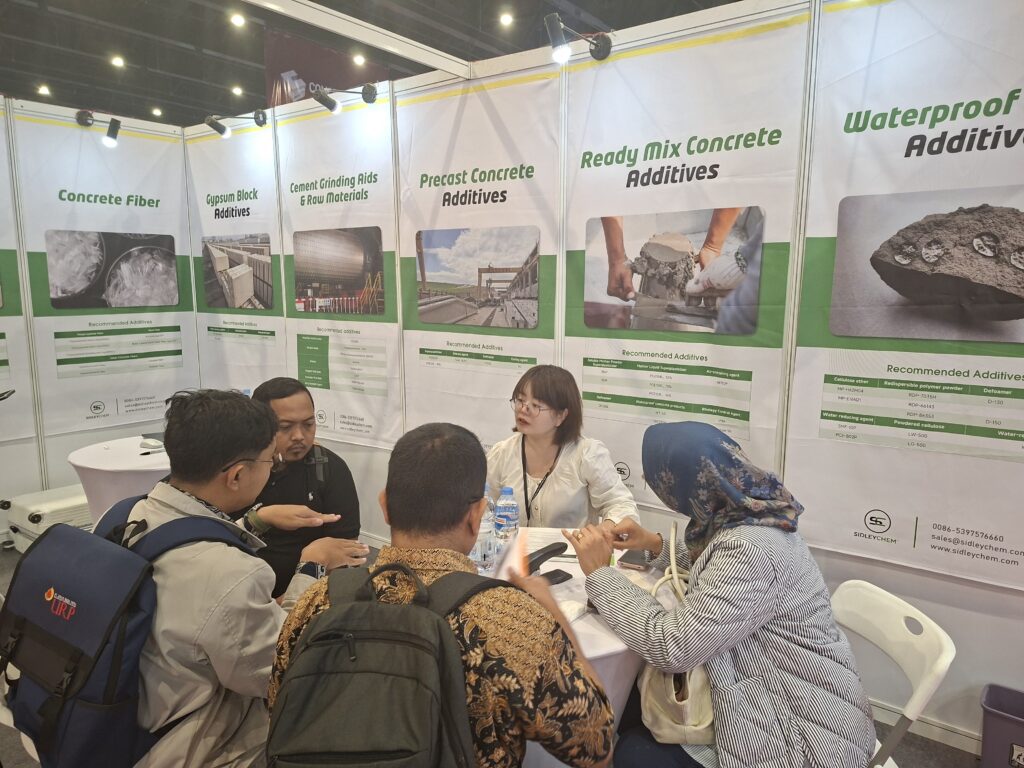
SidleyChem at Concrete Show South East Asia 2026 Jakarta
SidleyChem participated in Concrete Show South East Asia 2026 in Jakarta at Booth 2029, presenting concrete admixtures, dry-mix mortar additives and cellulose ethers… Continue reading
