
Coating additives
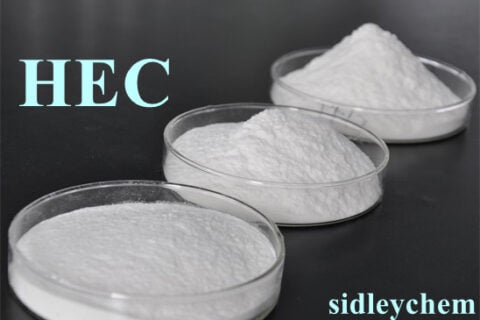
Hydroxyethyl Cellulose
HEC (Hydroxyethyl Cellulose) is a non-ionic, water-soluble cellulose ether widely used as a rheology modifier in water-based coatings. It is derived from natural cellulose and provides viscosity control, stabilization, and improved application performance.
Defoamer
Coating defoamers are functional additives used to eliminate or suppress foam generated during the production, mixing, and application of coatings. The function of defoamers is to break bubbles + suppress foam.
Wetting agent
Wetting Agent offers excellent wetting, emulsifying, dispersing, and detergency properties with low foam and broad compatibility.
Coalescing Agent
A Coalescing Agent is a film-forming additive used in waterborne coatings, adhesives, and polymer emulsions. It temporarily softens polymer particles during drying, allowing them to fuse together and form a continuous, uniform film even at low temperatures.
Rheology & Thickener
Rheology modifiers are essential additives used to control viscosity, flow behavior, leveling, sag resistance, and stability in waterborne systems.
Dispersants
High-Performance Waterborne Pigment & Filler Dispersants are specially developed additives designed for efficient dispersion and long-term stabilization of inorganic pigments, organic pigments, and mineral fillers in water-based formulations. They help achieve excellent color development, improved gloss, reduced viscosity, and enhanced storage stability while maintaining compatibility with a wide range of binder systems.
Preservatives
Biocide protection in water-based coatings spans the entire product life cycle, primarily categorized into two distinct phases: in-can preservation (the wet-state phase prior to opening) and dry-film fungal resistance (the solid-state phase post-application and drying).