
Low-Carbon Concrete Drives New Demands for Superplasticizers
Contact Info
Contact Form
The shift toward low-carbon concrete is creating new challenges not only for cement producers, but also for concrete admixture technology.
At BATIMAT 2026, Chryso and Ecocem introduced a combined solution based on Ecocem ACT low-carbon cement technology and EnviroMix® 3150 ACT, a superplasticizer jointly developed for this new binder system. The companies say the solution is designed to simplify the formulation, production and placement of high-performance low-carbon concrete.
The development highlights an important trend: reducing clinker content alone is not enough. As cement chemistry changes, admixtures must also adapt to maintain workability, flow and production stability.

Why Low-Clinker Cement Changes Admixture Requirements
Lower-clinker binders can behave differently from conventional Portland cement systems. Changes in mineral composition, supplementary cementitious materials and water demand may affect slump retention, viscosity and admixture compatibility.
This makes polycarboxylate superplasticizer (PCE) technology increasingly important.
According to Chryso and Ecocem, the new system can provide more than 90 minutes of workability retention while maintaining high flowability and low viscosity. Their ACT cement technology is also designed to substantially reduce the carbon footprint associated with conventional cement production. formulations may require more targeted admixture selection rather than simply applying conventional superplasticizers at different dosages.
Admixture Compatibility Becomes More Important
The performance of a PCE depends strongly on the cementitious system in which it is used.
Water reduction, slump retention, early strength development and viscosity can all change when clinker content or supplementary cementitious materials are adjusted.
As low-carbon binders become more common, concrete producers will therefore need to pay greater attention to the interaction between cement chemistry and concrete admixtures.
SidleyChem sees this as an important direction for concrete formulation development. Its PCE portfolio includes solutions designed for different requirements such as high water reduction, extended slump retention and low-clinker concrete production.
From Low-Carbon Cement to Low-Carbon Concrete
The Chryso-Ecocem collaboration shows that concrete decarbonisation is increasingly becoming a system-level challenge.
Developing lower-carbon cement is an important first step, but achieving reliable concrete performance also requires suitable admixture technology and careful formulation optimisation.
As new binder systems continue to enter the market, compatibility between cement, supplementary materials and PCE superplasticizers is likely to become an increasingly important part of high-performance, low-carbon concrete design.
Other News
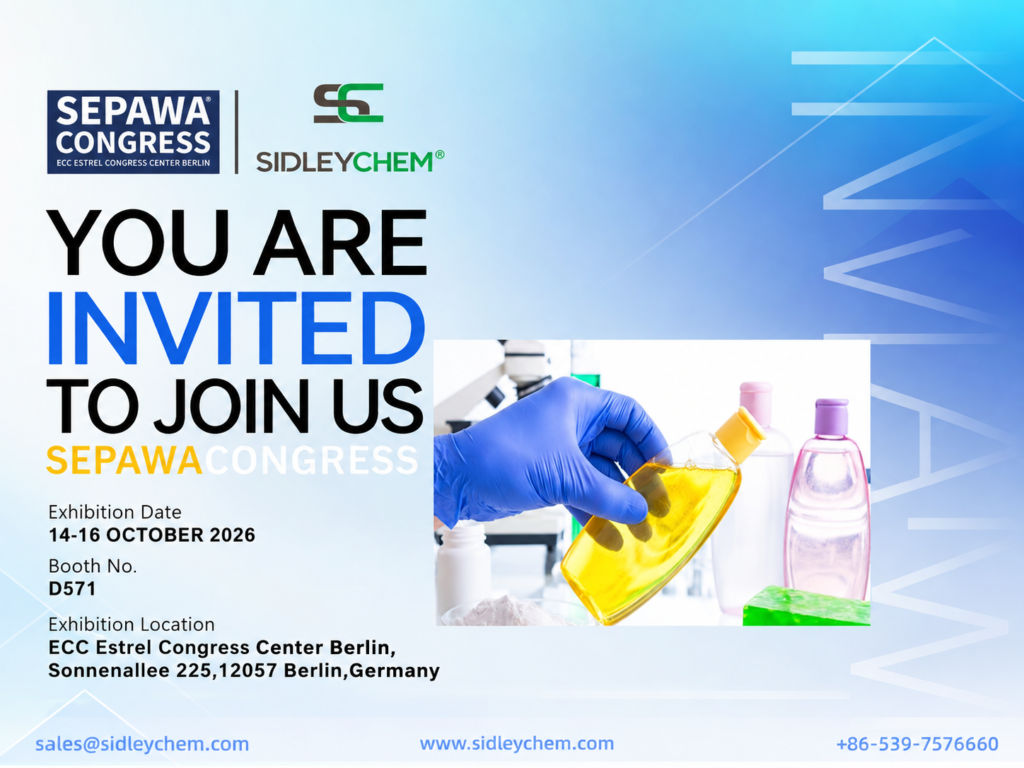
SidleyChem to Showcase Detergent and Personal Care Additives at SEPAWA Congress 2026 in Berlin
Meet SidleyChem at SEPAWA Congress 2026 in Berlin, October 14–16, Booth D571. Explore cellulose ethers and functional additives for detergent and personal care formulations… Continue reading
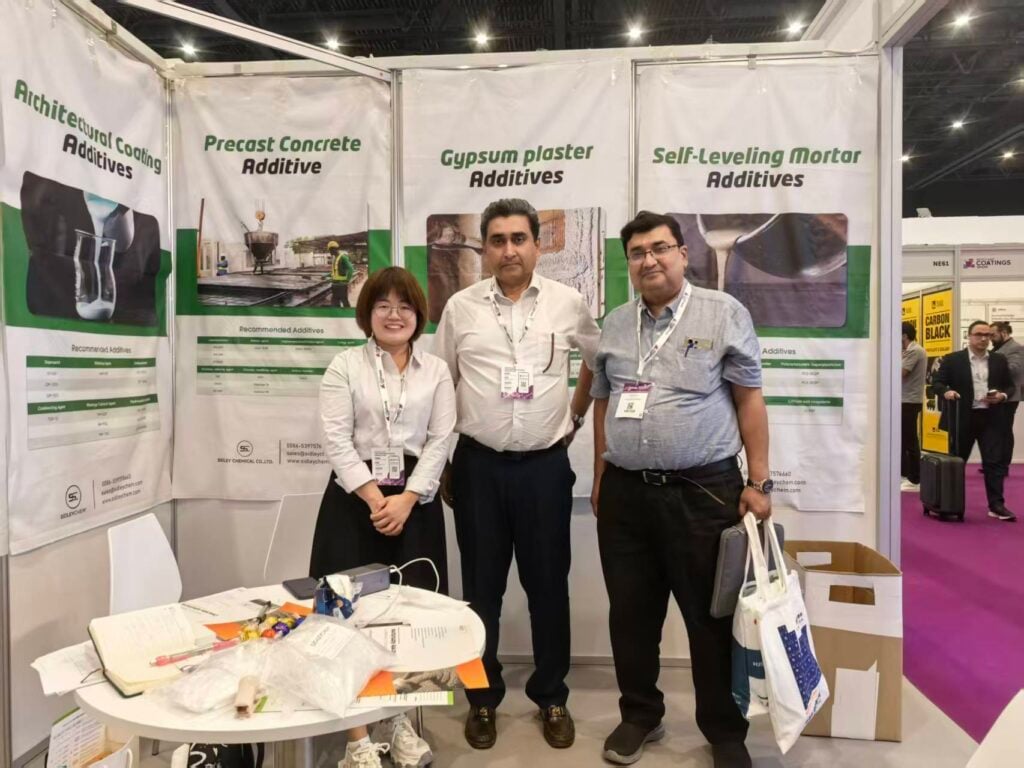
SidleyChem Connects with Coatings Industry Professionals at Middle East Coatings Show 2026 in Dubai
SidleyChem participated in Middle East Coatings Show 2026 in Dubai, presenting cellulose ethers and functional coating additives at Booth … Continue reading
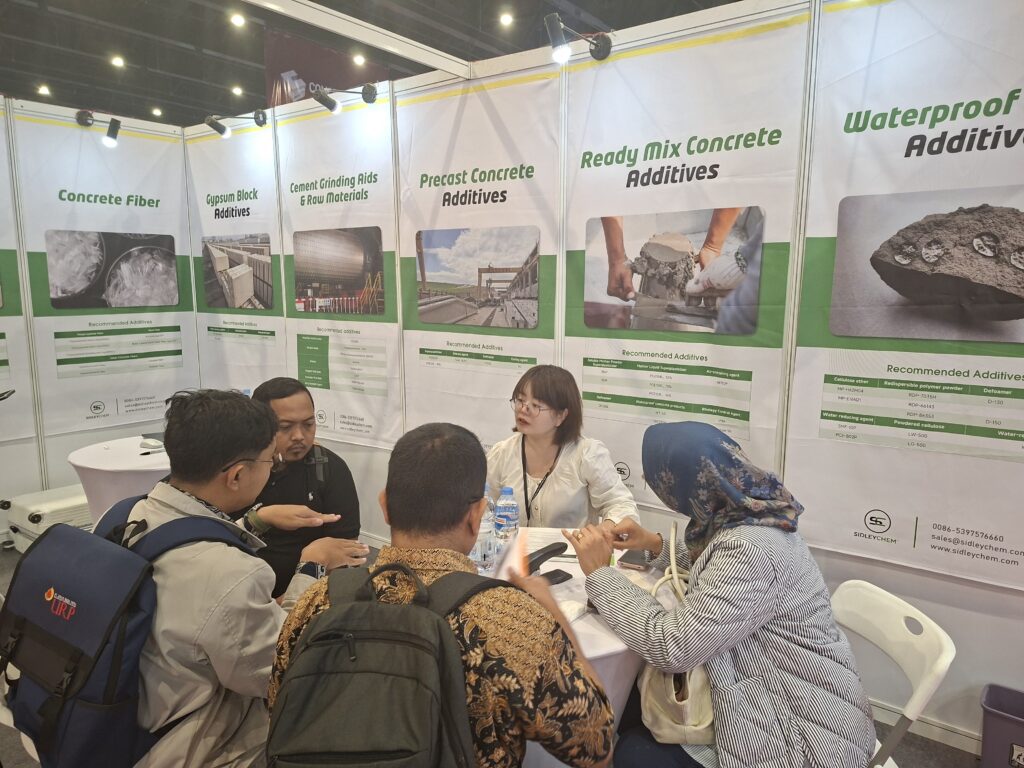
SidleyChem at Concrete Show South East Asia 2026 Jakarta
SidleyChem participated in Concrete Show South East Asia 2026 in Jakarta at Booth 2029, presenting concrete admixtures, dry-mix mortar additives and cellulose ethers… Continue reading
