Powder Defoamer

01 Overview

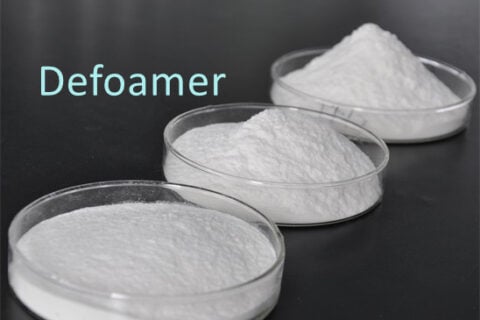
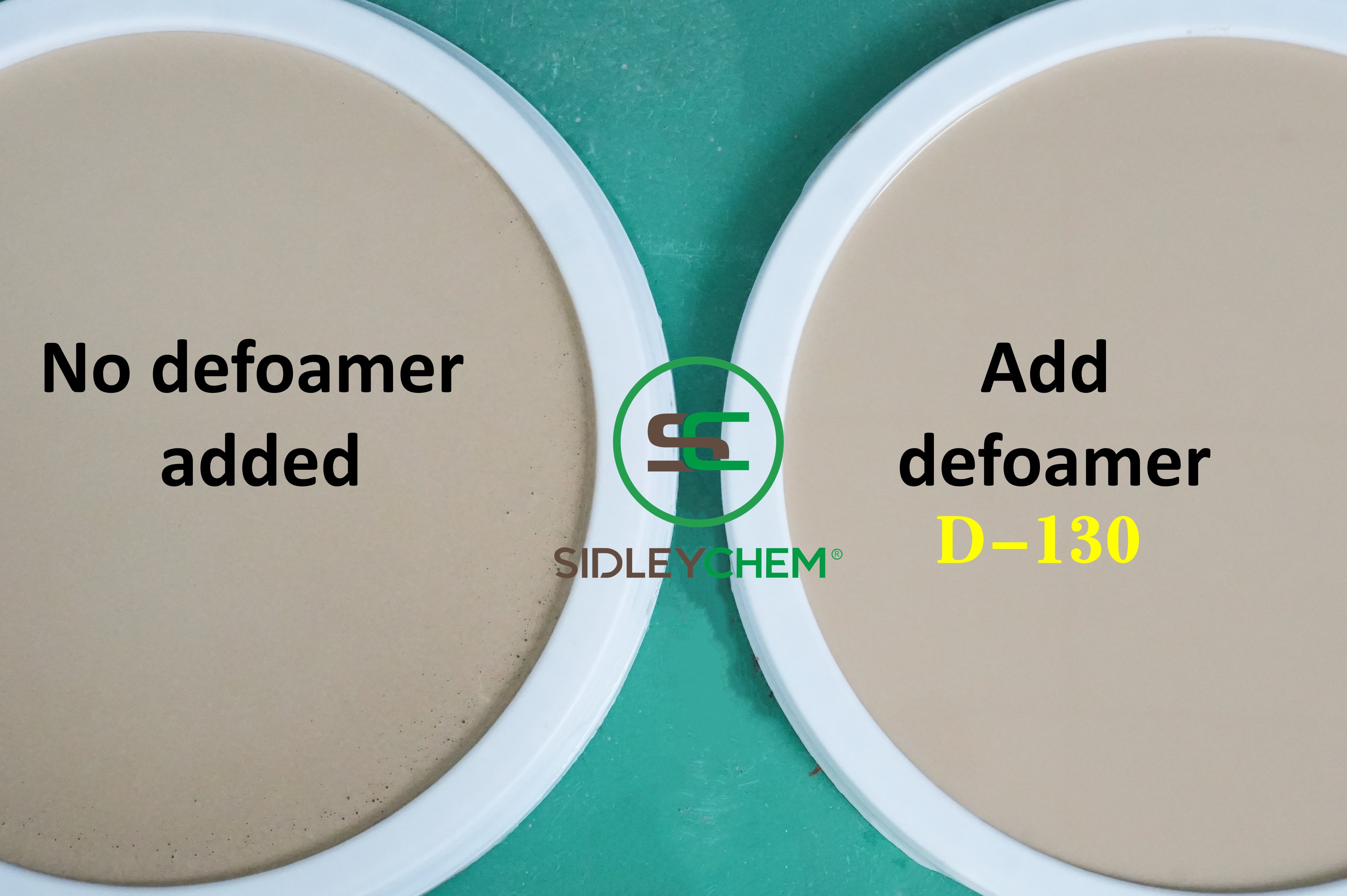
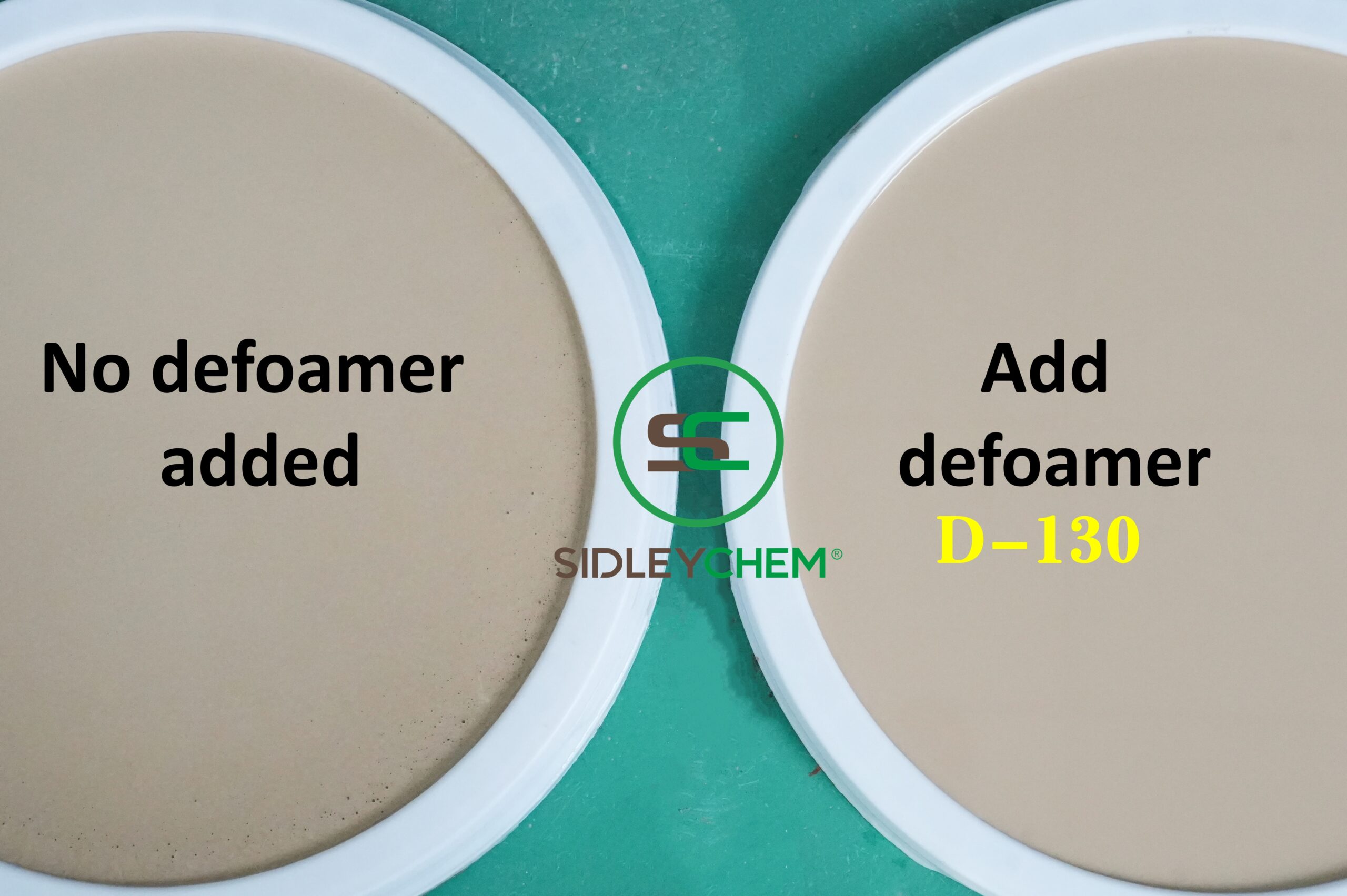
Powder Defoamer rapidly eliminate air bubbles generated during mortar mixing while simultaneously inhibiting bubble formation. This enhances the mortar's density and impermeability, thereby conferring greater strength and waterproofing properties upon the flowable mortar.

SIDLEYCHEM powder defoamers are specially developed to control unwanted foam and entrapped air in dry mix mortar formulations. These high-performance defoaming additives help improve mortar density, surface uniformity and overall application quality.

During the mixing of self-leveling compounds, grouts and other flowable mortars, air may become entrapped due to mechanical agitation, surfactants, polymer additives and other formulation components. Excessive air can cause pinholes, surface craters, internal voids and reduced mechanical performance.

SIDLEYCHEM offers a range of polyether-based powder defoamers designed for different mortar formulations, including self-leveling compounds, cement-based grouts and gypsum-based systems.

Type Appearance Polymer Feature
D130 Powder Polyether-based Good defoaming effect, good foam suppression
D140 Powder Polyether-based High-performance defoamer, fast defoaming efficiency, strong bubble inhibition, no floating oil on the surface
D150 Powder Polyether-based Strong defoaming ability at low temperatures

Characteristics of an Effective Powder Defoamer for Self-Leveling Mortar:

  • Efficient Foam Elimination,Rapidly destabilizes unwanted foam generated during mortar mixing, helping release entrapped air before the material hardens.
  • Improved Surface Finish,Helps reduce surface pinholes, craters and air-related imperfections, producing smoother and more uniform finished surfaces.
  • Enhanced Mortar Density,By reducing excessive entrapped air, defoamers can help produce a denser and more consistent mortar structure, supporting the development of mechanical strength.
  • Excellent Formulation Compatibility,Designed for use in cementitious and selected gypsum-based formulations, including systems containing cellulose ethers, redispersible polymer powders and polycarboxylate superplasticizers.
02 Applications of Powder Defoamer

  • Self-Leveling Mortar and Flooring Compounds, Self-leveling compounds require good flowability, uniform surface appearance and controlled air content. Excessive entrapped air may cause pinholes, surface craters and irregularities after setting.
  • Cement-Based Grouts, In cementitious grout formulations, entrapped air may contribute to internal voids and inconsistent density. Proper defoamer selection helps control unwanted foam and supports more uniform material performance. Compatibility with any intentional expansion system must be verified.
  • Gypsum-Based Self-Leveling Compounds, Gypsum-based flooring materials require controlled flow, consistent setting behavior and smooth surface formation. Compatible powder defoamers help reduce unwanted air during mixing and placement, supporting uniform surface quality.
  • Repair Mortars and Cementitious Coatings, Excessive air can cause surface defects and irregularities in repair mortars and cementitious coating systems. Powder defoamers help improve foam control, surface consistency and the appearance of the hardened material.

03 Asked Questions

  1. 1
    Foam Formation and Its Effects

    During the production and application of mortar, the generation of foam is an unavoidable phenomenon. Foam typically forms when air is entrapped within the mortar during mixing. This not only compromises the mortar’s density but may also lead to reduced strength later on. The presence of foam impairs the mortar’s workability, affecting its application during construction and potentially causing cracks or detachment during the process.

  2. 2
    Mechanism of Action of Defoamers

    Mortar-specific defoamers are chemical additives designed to reduce or eliminate foam. Their primary mechanism involves lowering the surface tension of liquids, thereby diminishing foam stability and causing bubbles to collapse rapidly. Compared to standard defoamers, mortar-specific formulations offer superior compatibility and targeted efficacy, functioning effectively within mortar mixtures without compromising other material properties.

  3. 3
    Enhancing Construction Efficiency

    The use of mortar defoamers can significantly boost construction efficiency. Applying defoamers reduces foam formation, thereby lowering energy consumption during mixing and transportation. Operators can work more smoothly with the mortar, minimising blockages and flow issues caused by foam. Defoamers shorten construction time by eliminating the need for repeated mixing and adjustments due to foam, ultimately improving productivity.

  4. 4
    Why do self-leveling mortars need defoamers?

    Self-leveling mortars often contain superplasticizers, cellulose ethers and polymer additives that may contribute to foam formation. Excessive entrapped air can cause surface pinholes, craters and internal voids. A suitable defoamer helps control these defects without unnecessarily reducing flow performance.

    In terms of mortar quality, specialised defoamers for mortar also play a crucial role. By effectively eliminating foam, the density of the mortar is enhanced, thereby increasing its strength and durability. This means that mortar treated with defoamers is less prone to issues such as cracking and voids after drying, better meeting the requirements of construction projects.The application of defoamers also improves the mortar’s appearance, enhancing its smoothness and aesthetic appeal, thereby laying a solid foundation for subsequent decorative work.

  5. 5
    What is the recommended dosage of powder defoamer?

    An initial screening dosage of 0.01%–0.05% by total dry mortar weight can be used for suitable formulations. The optimal dosage depends on the product grade, raw materials and required performance. Always confirm the final dosage through laboratory testing.

04 Product Video