Polycarboxylate Superplasticizer Powder

01 Overview

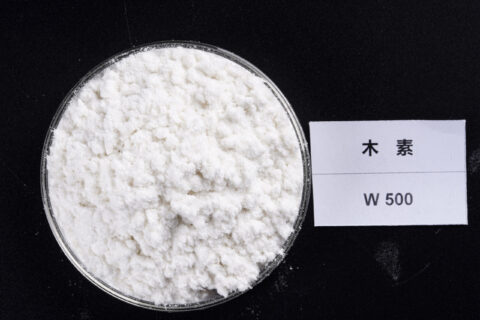
Polycarboxylic superplasticizer is a white powder primarily composed of polycarboxylate salts, exhibiting exceptional water-reducing properties. It is widely used in flowable mortars and gypsum systems.

Polycarboxylate Superplasticizer is a powder water reducing agent made by spray drying process, suitable for a variety of fluidity mortar and gypsum product, with excellent dispersing ability, can significantly improve the fluidity of cement-based and gypsum-based materials, giving the material excellent constructability and high mechanical strength; has a very fast plasticizing speed, and after mixing with water, it can play a role in a rapid manner, significantly improve the efficiency of the construction to meet different construction requirements. It can meet different construction requirements.

SIDLEYCHEM supplies specialized PCE powder grades for cement-based self-leveling mortar, gypsum-based self-leveling compounds, non-shrink grouts, high-performance repair materials, and Ultra-High Performance Concrete (UHPC).

Type Features Recommended Application
PCE-802P Excellent fluidity, high water reduction rate Cement-based Self-leveling mortar
PCE-803P Higher water reduction rate Cement/Gypsum-based mortar
PCE-128P High water reduction rate Grouting material
PCE-157P Highly slump retention,6-9 hours of ultra long collapse protection time Grouting material
PCE-104P Excellent water reduction rate for plaster, insensitive to pH Gypsum-based Self-leveling mortar
PCE-906P Ultra-high water reduction rate, suitable for cement-based material with low water-to-cement ratio Grouting material/UHPC

Benefits of Polycarboxylate Superplasticizer in Dry Mortar:

  • High water reduction: Allows for lower water content while maintaining workability, leading to higher strength.
  • Improved flowability: Enhances ease of mixing and application.
  • Better bonding and finish: Results in a smoother and more dense surface.
  • Reduced porosity and increased durability: Contributes to longer-lasting mortar.

Usage:

  • Typically added during the mixing process of dry mortar.
  • Dosage varies depending on specific product and desired effects, generally around 0.1% to 0.5% of the binder weight.
  • Proper mixing ensures uniform dispersion and optimal performance.

Application Tips:

  • Adjust dosage based on trial mixes to achieve the desired workability.
  • Compatible with various cementitious materials, including OPC, PPC, and additives.
  • Suitable for use in wall mortar, tile adhesives, and other dry mortar mixes.
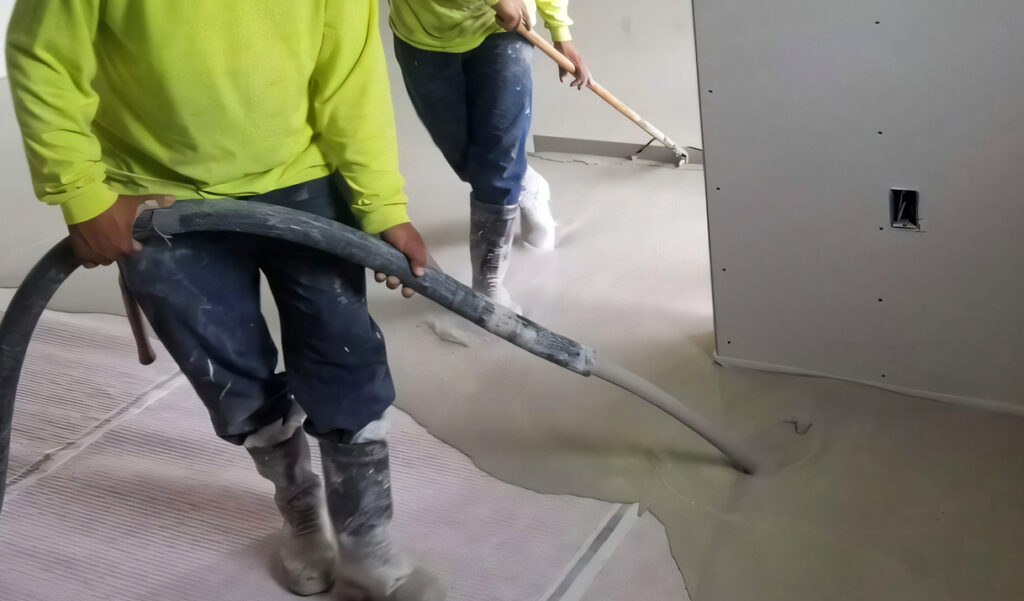
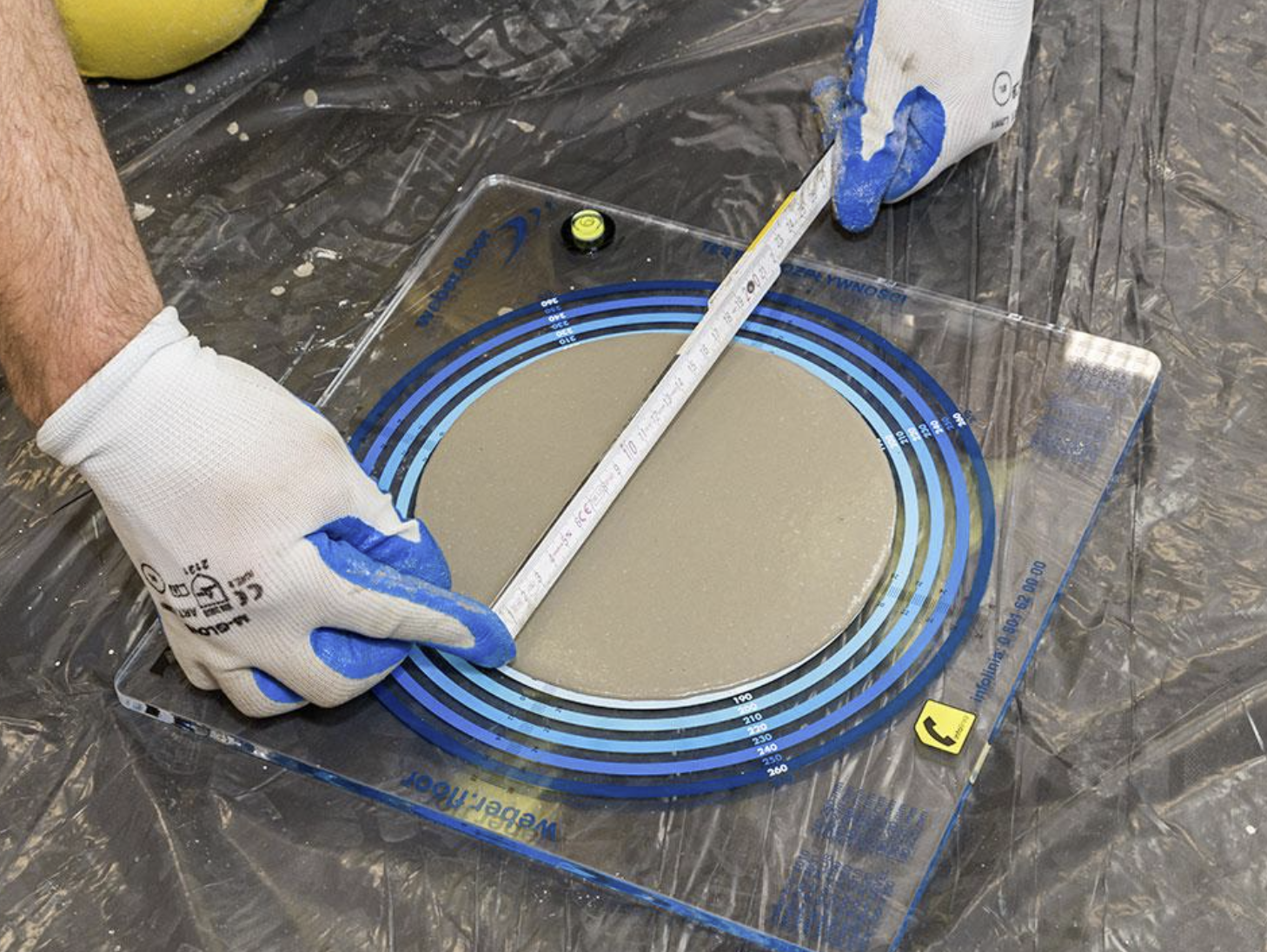
Cement-based Self-leveling mortar
02 Frequently Asked Questions

  1. 1
    How Does Polycarboxylate Superplasticizer Work?

    Polycarboxylate ether superplasticizers are based on a comb-shaped polymer structure.

    The polymer contains a backbone with adsorption-active functional groups and side chains that create steric hindrance between binder particles.

    Step 1 — Polymer Adsorption

    After mixing with water, PCE molecules adsorb onto compatible cementitious particle surfaces.

    Step 2 — Particle Dispersion

    The polymer side chains extend into the surrounding liquid and help prevent particles from forming dense agglomerates.

    Step 3 — Release of Trapped Water

    As the agglomerated particle structure is dispersed, water trapped within the flocs becomes available to improve flowability.

    Step 4 — Reduced Water Demand

    The formulation can achieve a higher flowability at the same water content, or maintain the required consistency with less mixing water.

    Step 5 — Improved Hardened Performance

    When the water-to-binder ratio is appropriately reduced, the hardened material may develop improved density, lower porosity, and higher mechanical strength.

    PCE performance is strongly influenced by polymer structure, binder chemistry, temperature, mixing conditions, and interactions with other additives.

  2. 2
    PCE vs. SNF vs. SMF Superplasticizers

    Polycarboxylate ether (PCE), sulfonated naphthalene formaldehyde (SNF), and sulfonated melamine formaldehyde (SMF) are three major superplasticizer technologies used in construction materials.

    Property PCE SNF SMF
    Chemical Type Polycarboxylate Ether Sulfonated Naphthalene Formaldehyde Sulfonated Melamine Formaldehyde
    Main Dispersion Mechanism Steric Hindrance and Electrostatic Effects Electrostatic Repulsion Electrostatic Repulsion
    Water-Reducing Efficiency Generally Very High High High
    Dosage Efficiency Often High Formulation-Dependent Formulation-Dependent
    Workability Retention Can Be Tailored by Grade Grade-Dependent Grade-Dependent
    Typical Applications Self-Leveling, Grouts, UHPC, High-Performance Concrete Concrete, Grouts, Gypsum Products Specialty Mortars, Gypsum, Decorative Cementitious Products

  3. 3
    What is the difference between PCE powder and liquid PCE?

    PCE powder is generally designed for dry-mix applications and can be directly blended with dry construction materials.

    Liquid PCE products are commonly used in ready-mix concrete, precast concrete, or liquid admixture production.

    The product forms and formulations may differ, and the correct dosage must account for the active solids content.

03 Product Video