Why Does Concrete Strength Vary Between Batches?
Learn why concrete strength varies between batches and how to improve consistency through proper water control, raw materials, admixture dosing, mixing, and curing… Continue reading

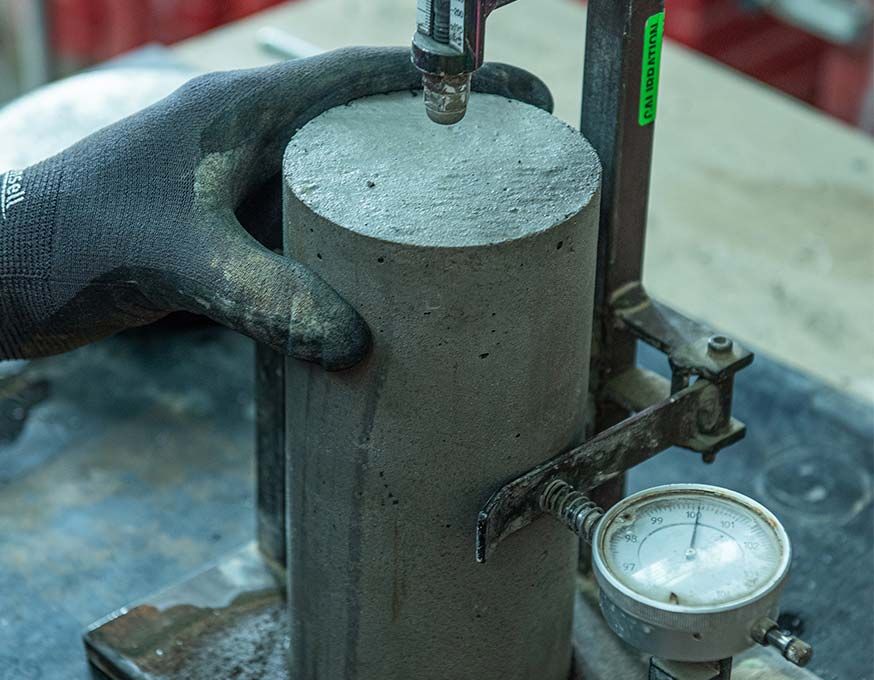
Learn why concrete strength varies between batches and how to improve consistency through proper water control, raw materials, admixture dosing, mixing, and curing… Continue reading
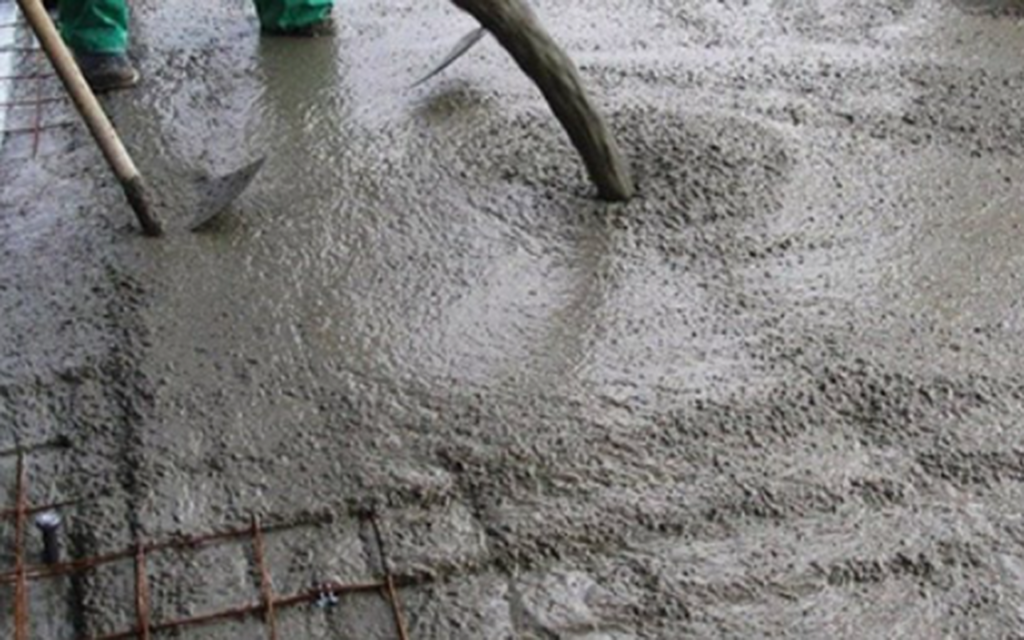
Cracking after mass concrete foundation pouring? Thermal shrinkage, drying shrinkage, and autogenous shrinkage combined are the culprits. … Continue reading

Lightweight aggregate concrete segregation, aggregate floating, pump blockages? The root cause is insufficient viscosity. This article details four practical methods — viscosity modifier dosage (0.02%–0.03%), aggregate pre-wetting, mix optimization, and specialized admixtures — to solve workability problems once and for all… Continue reading

Each 1% air content reduces concrete strength by 4%–6%. How to balance? This short article gives three practical methods: measure air content, lower w/c, and choose a stable-foam AEA. Direct and actionable… Continue reading

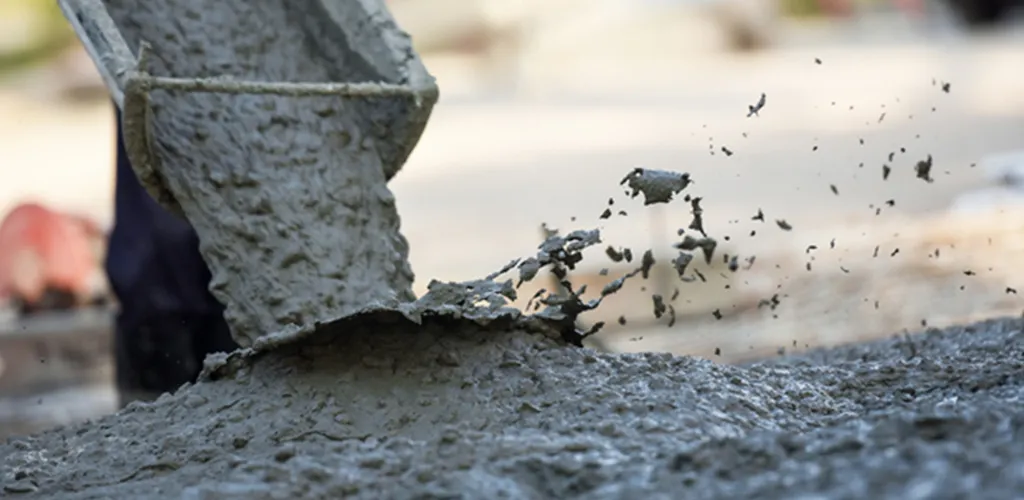
This article explains how concrete admixtures achieve economic construction by reducing cement consumption, lowering energy use, and minimizing construction waste, helping projects cut costs and improve efficiency… Continue reading
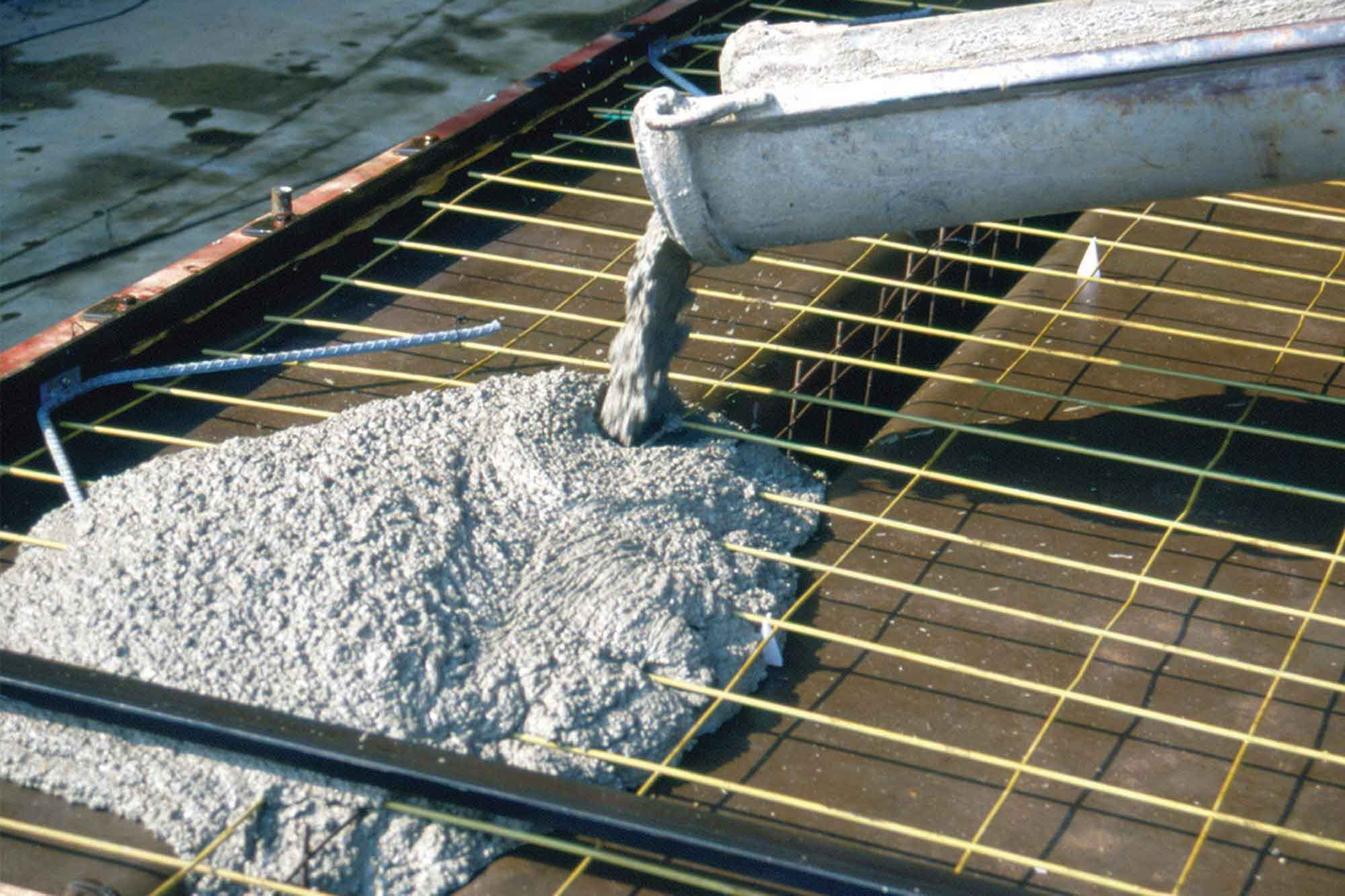
This article explains how concrete admixtures enable precision design: controlling workability, strength, setting time, and special properties to customize concrete performance on demand… Continue reading

Citing an authoritative market report, this article outlines the growth forecast (CAGR 8.65% to 2031) for the global cement and concrete additives market, analyzes core trends like AI application and sustainability… Continue reading
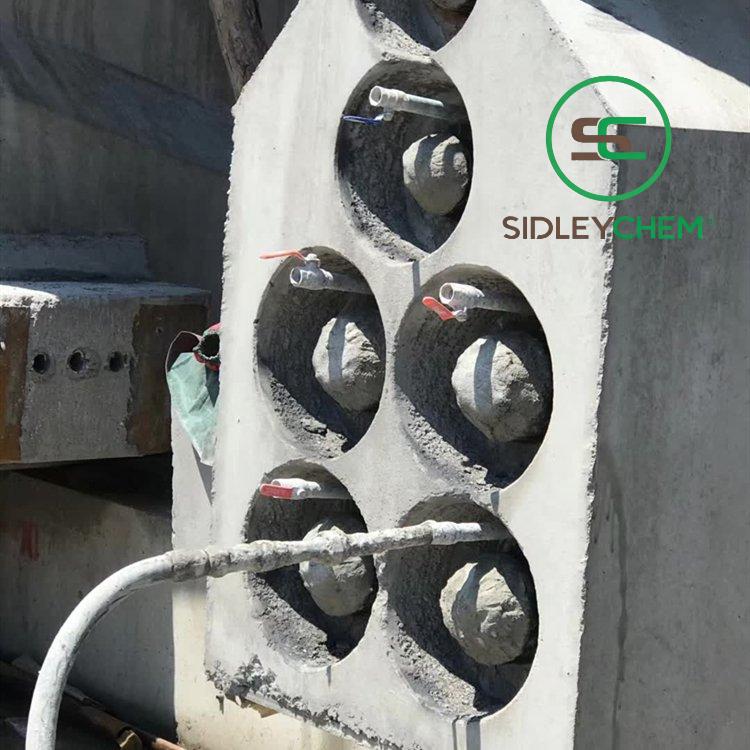
This article details the core definition, chemical composition, gentle gas-forming expansion mechanism, and main applications of plastic expansive agents for duct grouting. It also provides key application parameters for SIDLEYCHEM’s product PEA50P, offering professional reference for ensuring prestressed grouting compactness… Continue reading
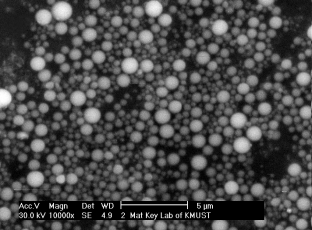
This article details the three mechanisms of SidleyChem’s new Microbead (ultramicro-spherical powder): physical water reduction, micro-aggregate filling, and slow-release pozzolanic activity. Learn how its unique morphology enhances concrete workability, density, and durability for innovative high-performance material design… Continue reading