
Why Does Concrete Strength Vary Between Batches?
Concrete producers sometimes find that different batches made with the same mix design achieve different compressive strength results. Small variations are normal, but significant differences may indicate problems with raw materials, water content, admixture dosage, or production control.
Understanding the main causes can help producers improve batch-to-batch consistency and reduce unexpected strength variation.
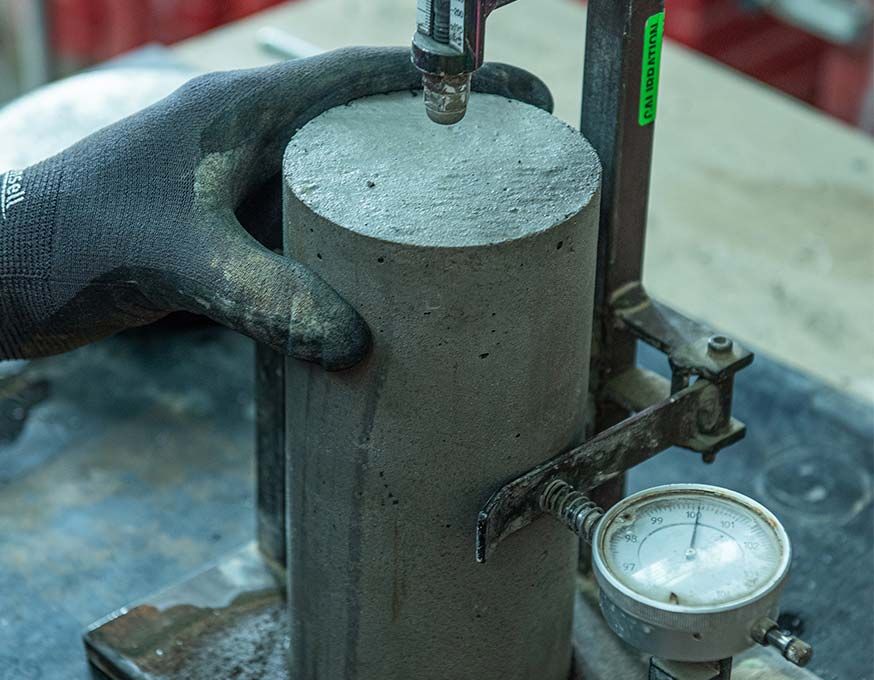
Common Causes of Concrete Strength Variation
Changes in Water Content
The actual water content of concrete may change because of variations in aggregate moisture.If wet aggregates introduce additional water into the mix, the actual water-to-cement ratio increases, which can reduce concrete strength. Regularly checking aggregate moisture and adjusting the mixing water is therefore important.
Variations in Raw Materials
Cement and aggregate properties can vary between deliveries.Changes in cement composition, fineness, aggregate grading, or moisture content may affect workability and hydration, resulting in different strength development.
Inconsistent Admixture Dosage
Concrete admixtures can significantly influence both fresh and hardened concrete.
For example, Polycarboxylate Superplasticizer (PCE) can reduce water demand while maintaining good workability. However, inconsistent dosing may lead to changes in water content, slump, setting behavior, and ultimately strength.
Accurate admixture dosing is essential for maintaining consistent concrete performance.
Cement-Admixture Compatibility
Different cement types can respond differently to the same admixture.
Poor compatibility may cause changes in slump retention, water reduction, and setting behavior. If strength variation begins after changing the cement source, compatibility between cement and admixture should be checked.
Mixing and Curing Conditions
Even with a stable mix design, insufficient mixing can result in uneven distribution of cement, water, aggregates, and admixtures.
Curing also has a direct influence on strength development. Differences in temperature, humidity, curing time, or specimen preparation can produce different test results.
How to Reduce Strength Variation?
To improve batch-to-batch consistency:
- Monitor aggregate moisture regularly.
- Maintain accurate water and admixture dosing.
- Keep raw material quality consistent.
- Test cement-admixture compatibility when materials change.
- Maintain appropriate mixing time and procedures.
- Keep curing and testing conditions consistent.
When investigating strength variation, it is better to check the entire production process rather than simply increasing cement or admixture dosage.
Conclusion
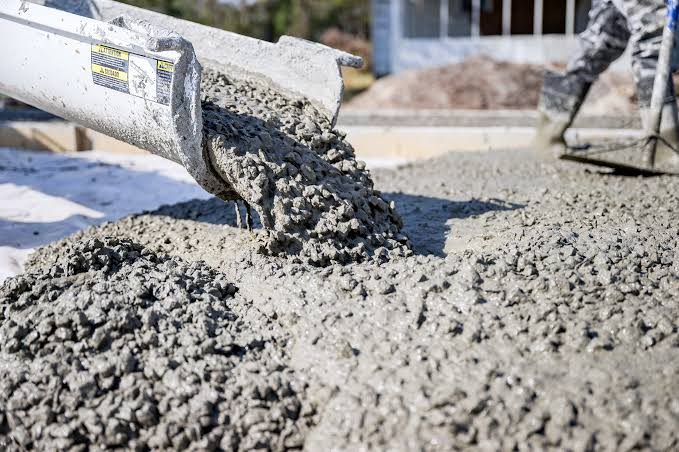
Concrete strength variation between batches can result from small changes in water content, raw materials, admixture dosage, mixing, or curing.
Stable raw materials, accurate batching, compatible admixtures, and consistent production practices are the key to reducing strength variation.
A properly selected Polycarboxylate Superplasticizer can also help maintain consistent workability and water reduction, supporting more stable concrete performance from batch to batch.




Concrete & Beton Tech+
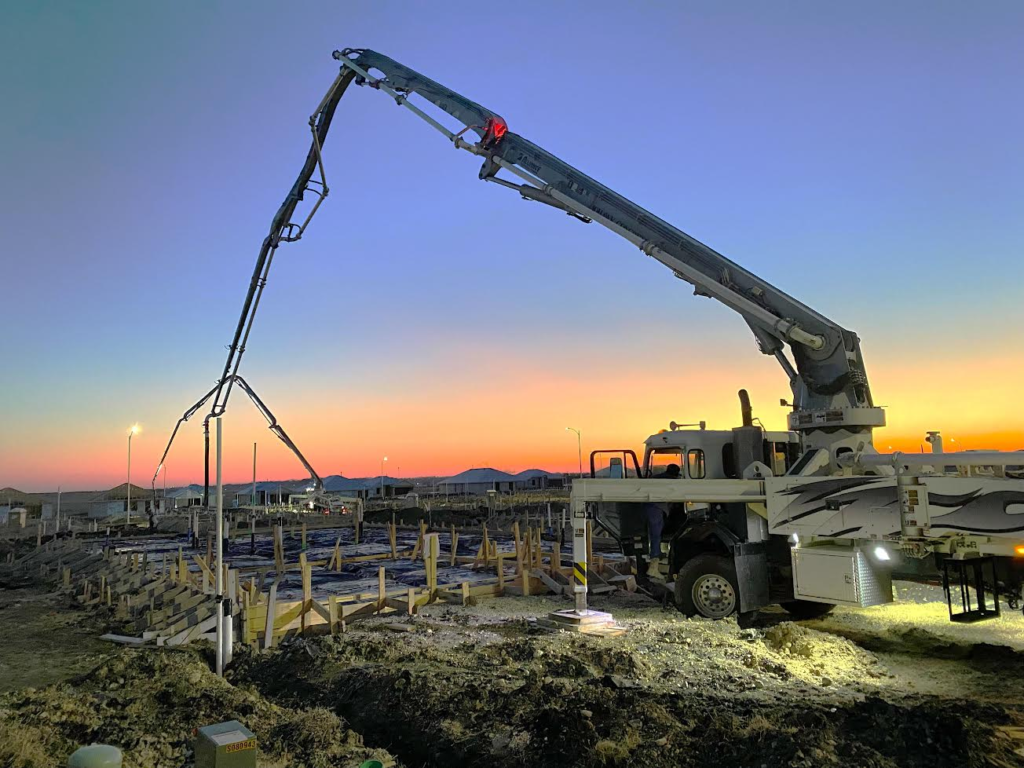
Sticky Concrete with Normal Slump: Causes & Solutions
Concrete can have normal slump but still feel sticky and difficult to pump. Learn how fines, PCE, VMA, aggregate grading, and rheology affect pumpability… Continue reading
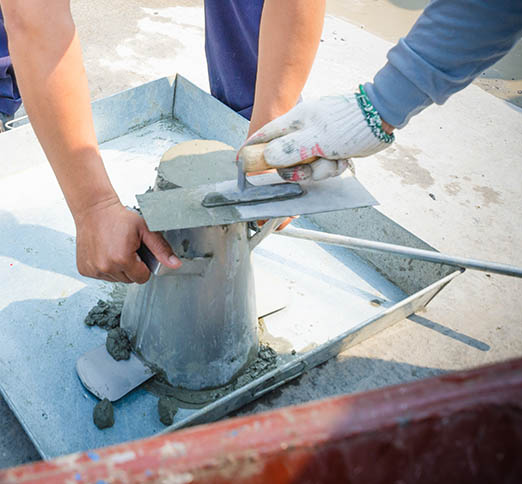
PCE Cement Compatibility: Why Performance Changes
PCE performance can change after switching cement. Learn why water reduction, slump retention, and setting behavior change and how to identify the cause… Continue reading
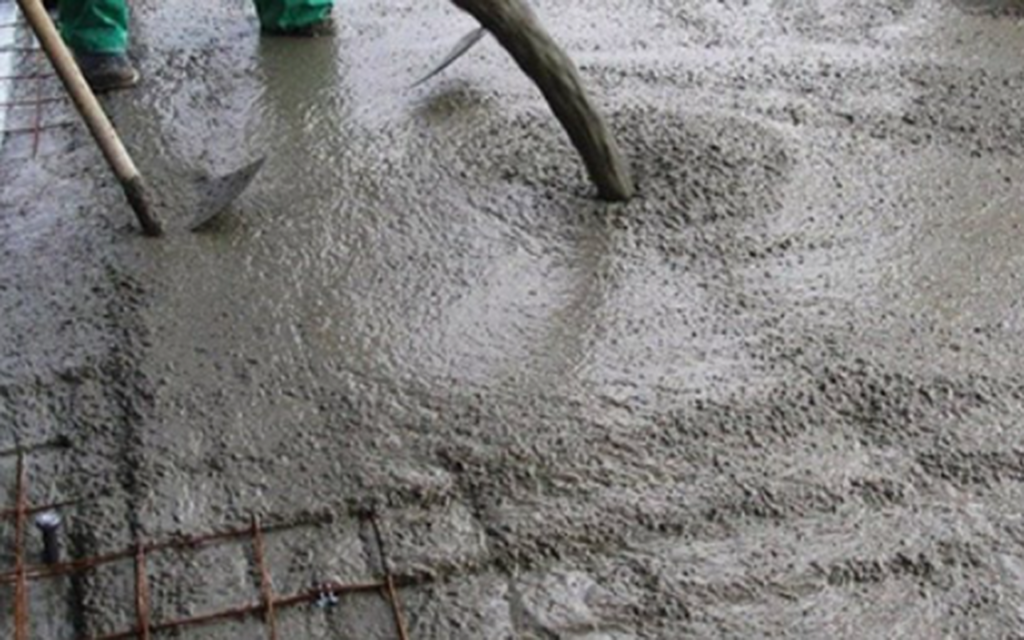
The Role of Expanding Agents in Compensating Shrinkage of Mass Concrete Foundations
Cracking after mass concrete foundation pouring? Thermal shrinkage, drying shrinkage, and autogenous shrinkage combined are the culprits. … Continue reading
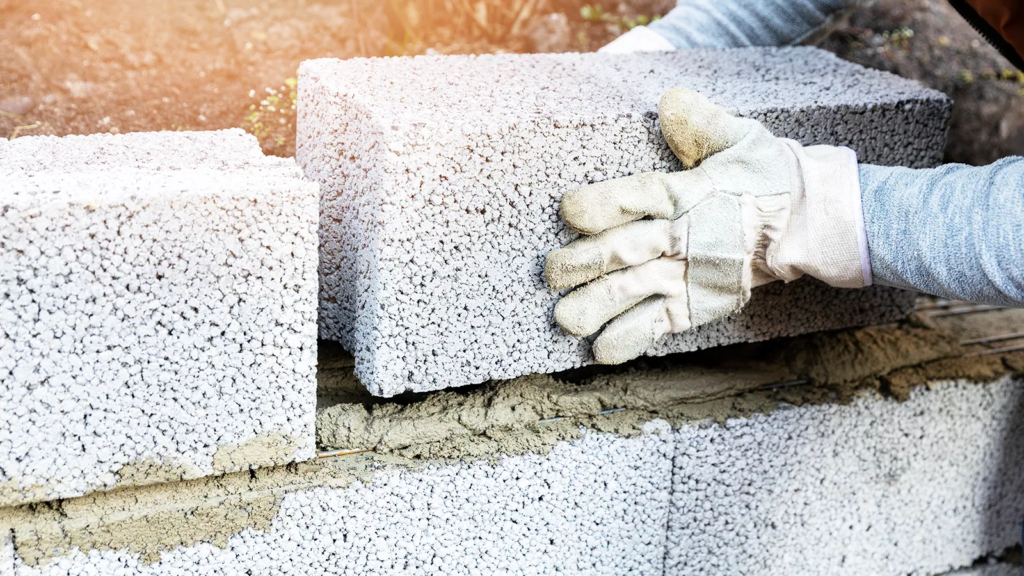
Lightweight Aggregate Concrete Lacking Viscosity?
Lightweight aggregate concrete segregation, aggregate floating, pump blockages? The root cause is insufficient viscosity. This article details four practical methods — viscosity modifier dosage (0.02%–0.03%), aggregate pre-wetting, mix optimization, and specialized admixtures — to solve workability problems once and for all… Continue reading
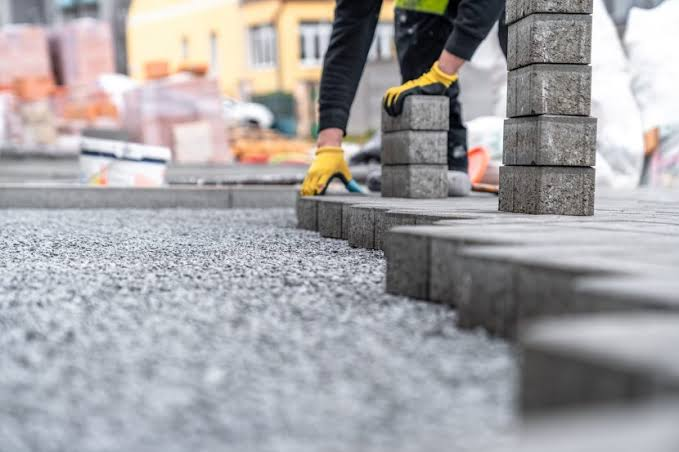
How Does Air-Entraining Agent Affect Concrete Strength?
Each 1% air content reduces concrete strength by 4%–6%. How to balance? This short article gives three practical methods: measure air content, lower w/c, and choose a stable-foam AEA. Direct and actionable… Continue reading
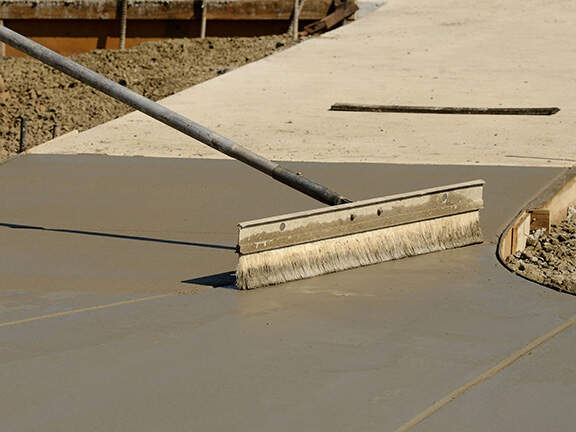
The Three Critical Windows for Concrete Curing
Same mix design, with and without proper curing – 28‑day strength can differ by a whole grade. This article explains hydration mechanisms, three critical curing windows, and practical steps to prevent strength loss and cracking… Continue reading
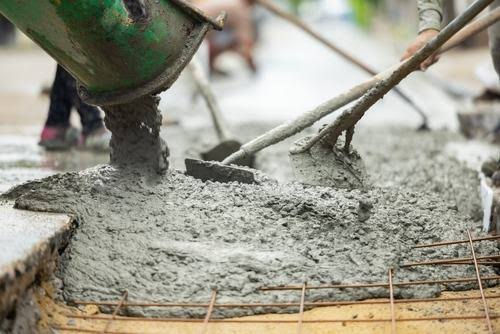
Which Admixtures Improve Concrete Durability?
Discover which concrete admixtures improve durability, including Polycarboxylate Superplasticizers, Air-Entraining Agents, Corrosion Inhibitors, Waterproofing Admixtures, and Concrete Fibers. Learn how to enhance strength, reduce permeability, and extend service life… Continue reading
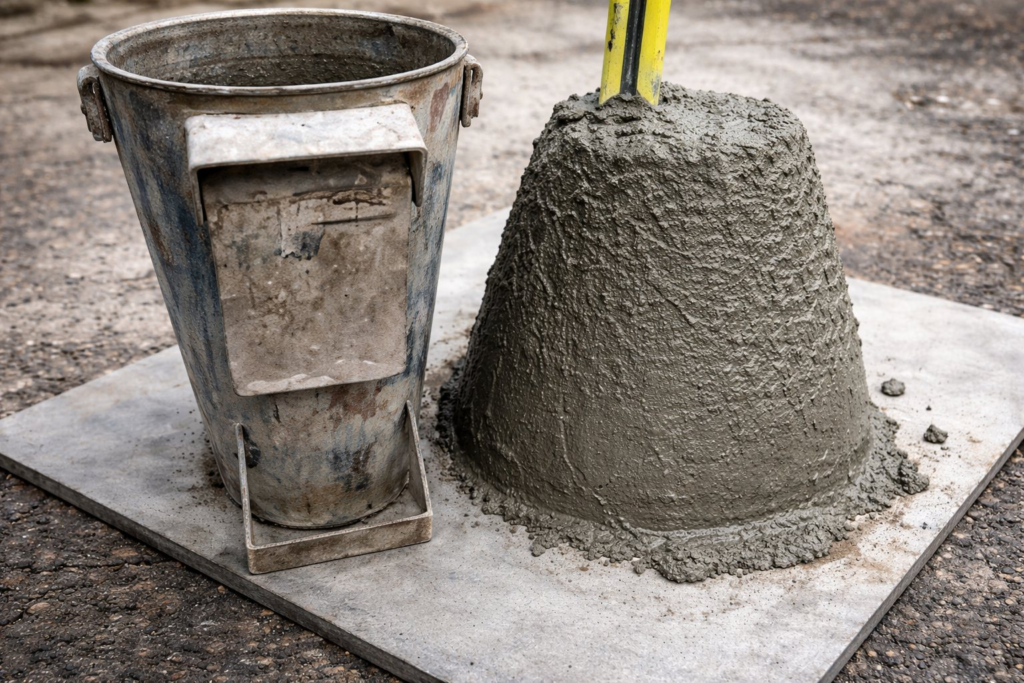
How to Maintain Slump Retention During Long-Distance Transportation
Learn how to maintain concrete slump retention during long-distance transportation by optimizing mix design, selecting the right admixtures, and improving production practices… Continue reading
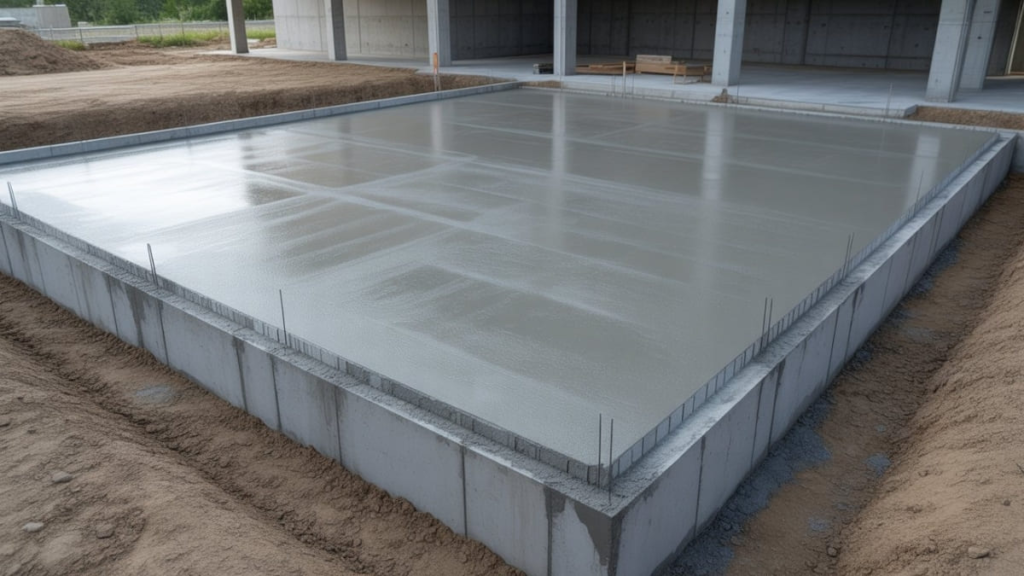
Why Does Concrete Bleeding Occur?
Learn why concrete bleeding occurs, what causes excessive bleeding, and how to reduce it using proper mix design, Polycarboxylate Superplasticizers (PCE), and Viscosity Modifying Agents (VMA)… Continue reading
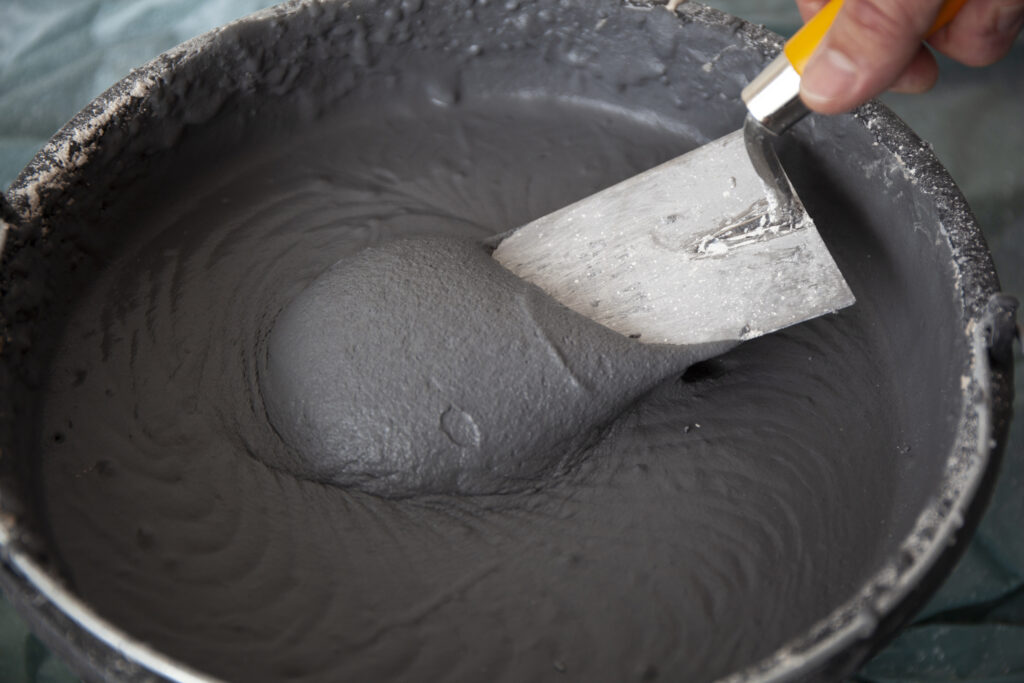
Concrete Admixture Role
This article explains how concrete admixtures improve workability and durability: slump control, setting time adjustment, impermeability enhancement, and solutions for bleeding, segregation, and shrinkage cracks… Continue reading
