
Why Does Tile Adhesive Lose Bond Strength After Water Immersion?
A tile adhesive passes the dry adhesion test without difficulty.
But after water immersion, the bond strength drops significantly.
Does this mean more cement is needed?
Not necessarily.
Dry adhesion and wet adhesion are affected by different parts of the formulation. A mortar may develop good initial cement strength while still having poor resistance to long-term water exposure.
1. Check the RDP First
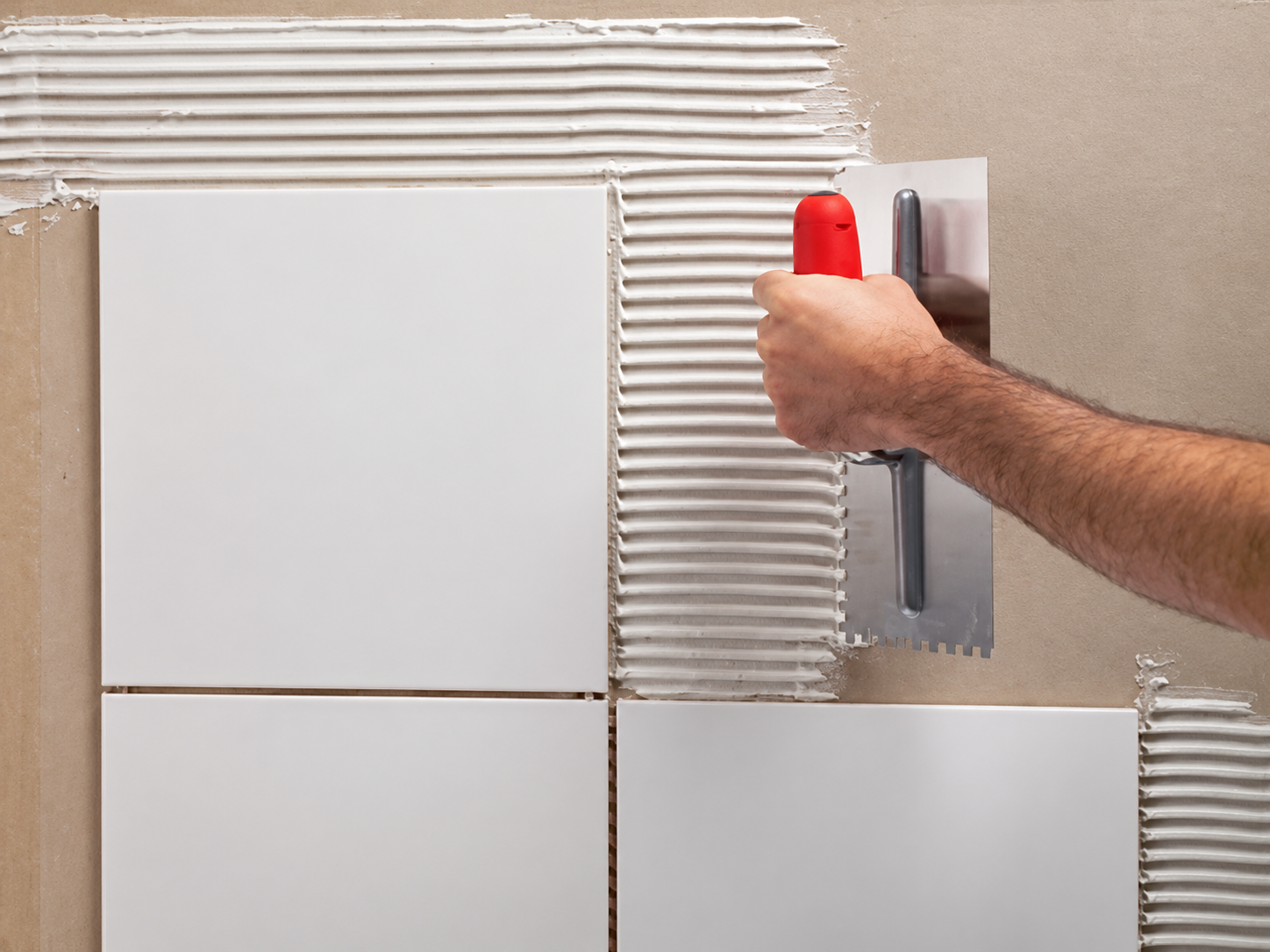
Redispersible polymer powder plays an important role in improving adhesion, flexibility, and durability in polymer-modified tile adhesive.
After mixing with water, the polymer redistributes through the mortar and forms a polymer phase as the material dries. SidleyChem’s RDP range is specifically used in tile adhesive and other dry-mix mortar systems to improve adhesion and flexibility.
If wet adhesion is poor, check:
- RDP type;
- polymer dosage;
- compatibility with the cement;
- curing time before immersion;
- water resistance of the selected polymer.
2. Too Much Mixing Water Can Increase Porosity
Water dosage is another important factor.
Excess water may make the tile adhesive easier to spread, but after curing, that water leaves behind additional pores.
A more porous mortar can allow water to penetrate more easily and may weaken the bond interface during immersion.
When comparing formulations, always keep the water dosage consistent.
If one sample requires significantly more water to reach the same working consistency, this difference should be considered when interpreting the adhesion result.
3. Check HPMC/MHEC and Water Retention
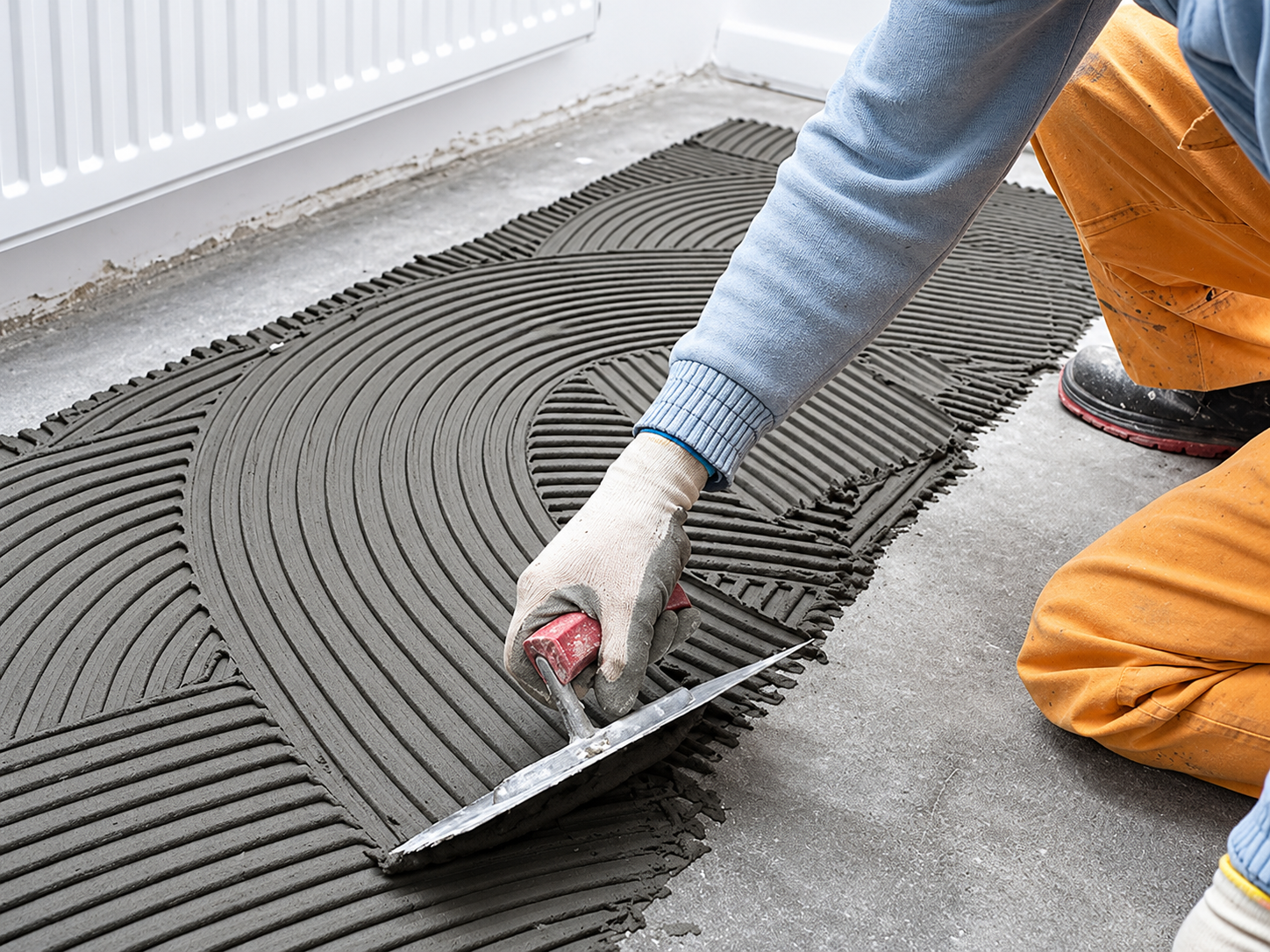
HPMC/MHEC helps tile adhesive retain water long enough for proper cement hydration and also improves workability and open time. SidleyChem’s construction-grade cellulose ethers are specifically designed for cement-based tile adhesive applications.
However, the cellulose ether system still needs to be balanced.If dosage is too low, rapid water loss can reduce cement hydration and bond development.
If the dosage is too high, the mortar may become overly viscous or contain more entrained air, which can also affect density and final strength. The goal is sufficient water retention without creating an unnecessarily high air content or viscosity.
4. Curing Before Water Immersion Matters
Do not immerse specimens too early.
Before exposure to water, the mortar needs enough time for:
- cement hydration;
- polymer film development;
- bond formation at the tile and substrate interface.
If the curing period is shortened, the specimen may enter the water before the mortar has developed enough resistance.
When comparing two formulas, use exactly the same curing time, temperature, humidity, tile type, and substrate.
Otherwise, the results may reflect different test conditions rather than formulation quality.
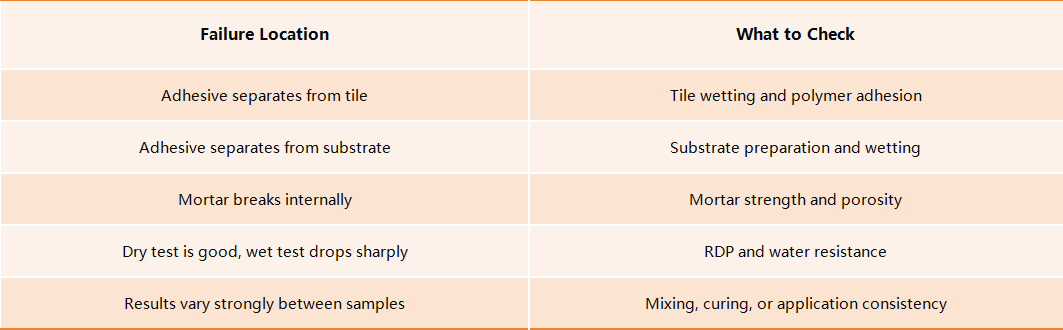
5. Check Where the Failure Occurs
6. Test the Complete Formulation
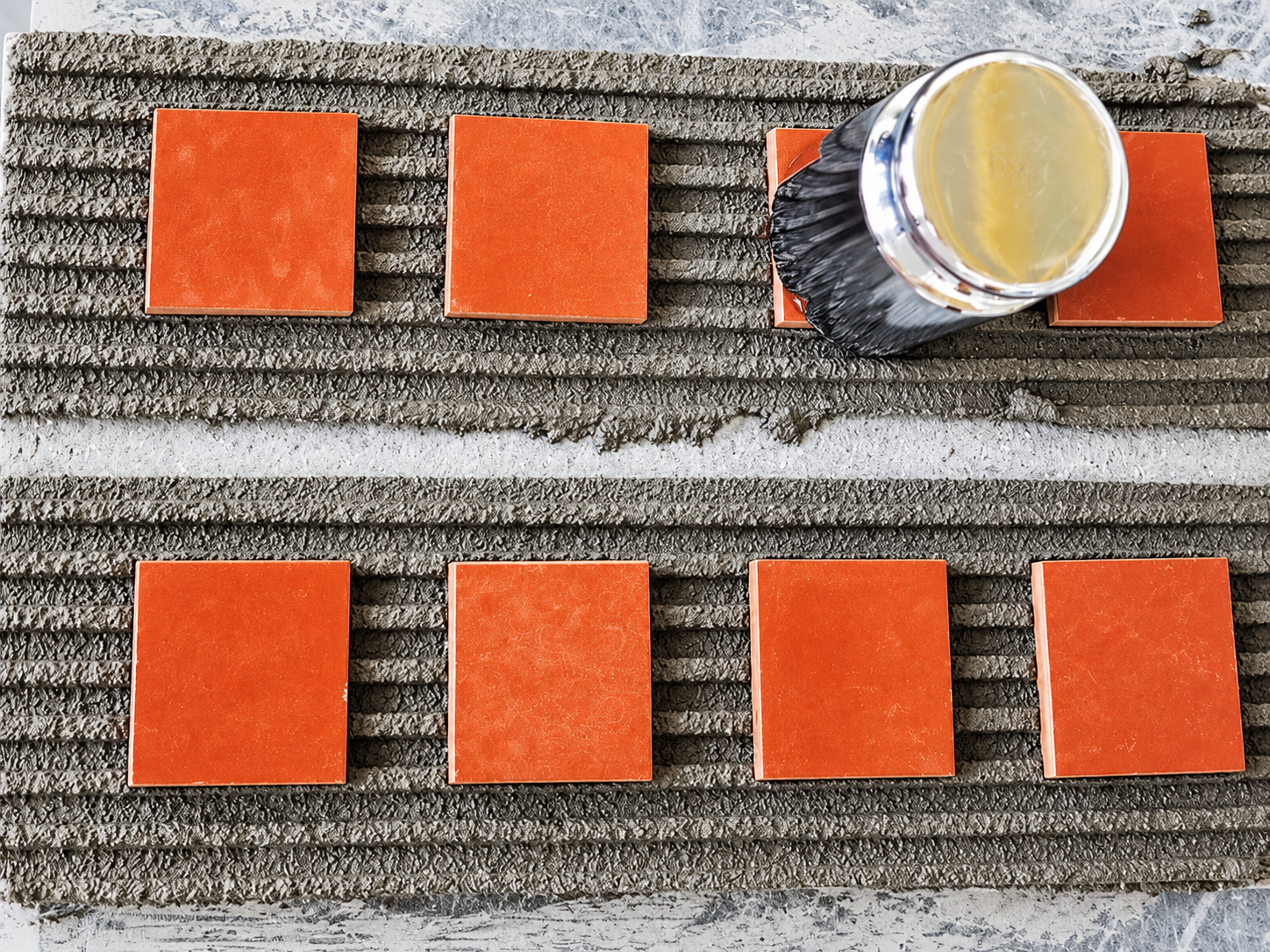
A simple comparison can be: Sample A: Current formulation,Sample B: Higher RDP dosage,Sample C: Alternative RDP grade,Sample D: Adjusted water / cellulose ether balance. Keep all other raw materials and test conditions unchanged.
Compare:
- dry bond strength;
- tensile adhesion strength after conditioning;
- failure location;
- mortar density;
- workability.
Conclusion
Good dry adhesion does not automatically guarantee good wet adhesion.
A large drop in tile adhesive bond strength after water immersion may be related to:
- unsuitable RDP;
- insufficient polymer dosage;
- excessive mixing water;
- high mortar porosity;
- poor curing;
- unbalanced HPMC/MHEC dosage.
The best approach is to evaluate dry and wet adhesion together.
For tile adhesive formulators, the target is not simply high initial bond strength—it is stable adhesion under the actual service conditions the product is expected to face.




Drymix Mortar Tech+
Waterproof Mortar Still Absorbs Water: Causes & Fixes
Waterproof mortar still absorbs water? Learn how hydrophobic powder, porosity, water ratio, and curing affect water resistance… Continue reading
Self-Leveling Mortar Flow Loss: Causes & Solutions
Self-leveling mortar may have good initial flow but lose workability within minutes. Learn how PCE, cellulose ether, setting time, and temperature affect flow retention… Continue reading
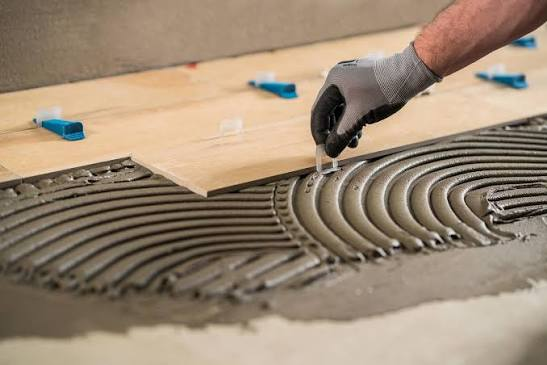
Tile Adhesive Slipping After Adding HPMC: Causes & Fixes
Tile adhesive can still slip even after increasing HPMC. Learn how HPMC grade, water demand, starch ether, thixotropy, and formulation balance affect slip resistance… Continue reading
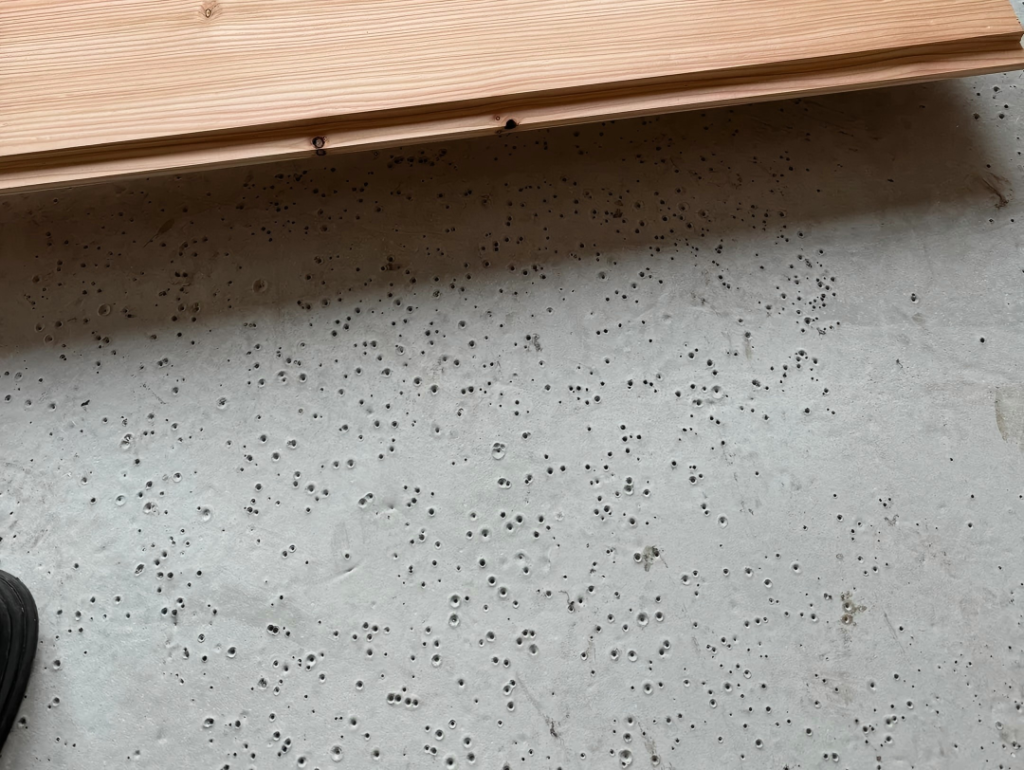
Pinholes in Self-Leveling Mortar: Defoamer, Mixing, or Substrate?
Pinholes in self-leveling mortar are not always caused by insufficient defoamer. This guide explains how to distinguish formulation foam, mixing-induced air, substrate outgassing, and insufficient healing time through a simple three-surface comparison test and practical corrective actions… Continue reading
Why Does Dry Mortar Have Poor Water Retention?
Learn why dry mortar has poor water retention and how HPMC and MHEC can improve water retention, workability, and cement hydration in dry-mix mortar… Continue reading
Dry-Mix Mortar Summer Formulation Adjustment
Why does the same formulation fail in summer? The key is cellulose ether. High temperatures cause ordinary HPMC water retention to drop sharply — increase dosage by 0.1%-0.2%, switch to high gel temperature grades, and combine with retarders. This article gives three practical adjustment directions to tackle summer construction challenges… Continue reading
Mortar Setting Too Fast in Summer Heat?
Mortar drying out in half an hour on summer job sites? High-temperature accelerated hydration is the culprit. This article breaks down the features and selection of sodium gluconate, citric acid, tartaric acid, and boric acid retarders, with dosage adjustment and blending strategies to tackle summer construction challenges… Continue reading
Why Does Dry Mix Mortar Cake During Storage?
Discover why dry mix mortar cakes during storage and transportation. Learn how moisture, packaging, raw materials, and formulation affect storage stability, and explore practical solutions to maintain product quality… Continue reading
Why Does Tile Grout Change Color After Curing?
Discover the most common causes of tile grout color inconsistency after curing and learn practical solutions through proper formulation, pigment selection, moisture control, and construction practices… Continue reading
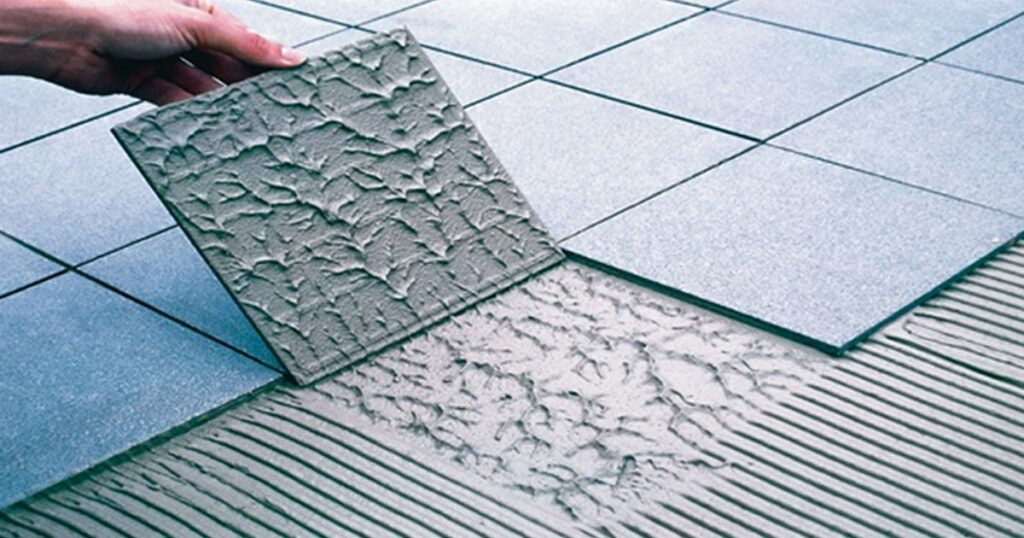
Tile adhesive bond strength
Learn the most common reasons why tile adhesive loses bond strength and discover practical solutions through proper formulation, additive selection, substrate preparation, and construction practices… Continue reading
