
Which Admixtures Improve Concrete Durability?
Concrete structures are expected to perform reliably for decades under a wide range of environmental conditions. However, exposure to moisture, freeze-thaw cycles, chlorides, sulfates, and temperature fluctuations can gradually reduce concrete durability if the mixture is not properly designed.
While cement, aggregates, and water form the foundation of concrete, chemical and mineral admixtures play a critical role in enhancing long-term performance. The right combination of admixtures can improve density, reduce permeability, minimize cracking, and protect reinforced concrete from corrosion.
This article explores the most commonly used admixtures for improving concrete durability and explains how each contributes to extending the service life of concrete structures.
Why Is Concrete Durability Important?
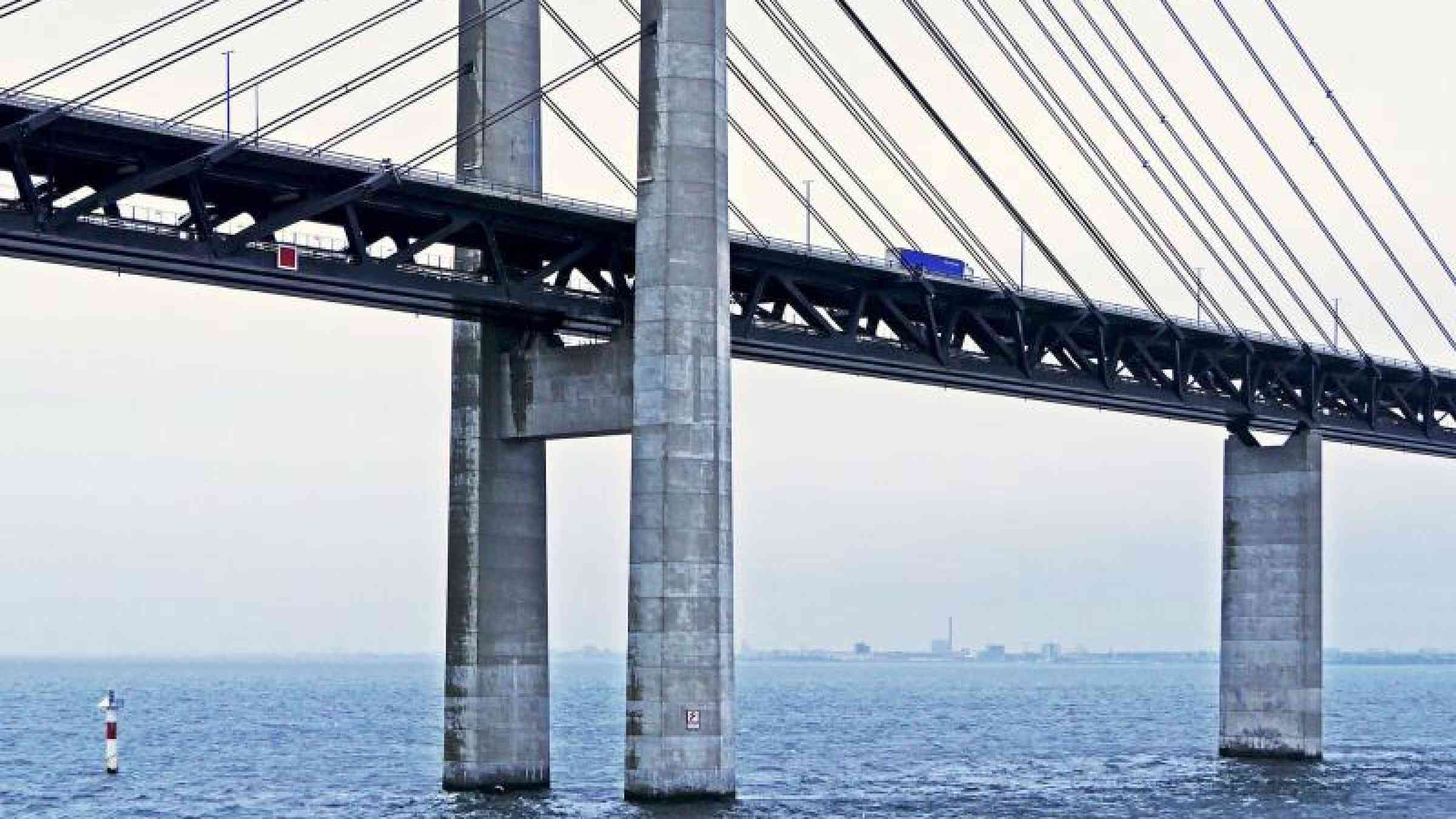
Durability refers to concrete’s ability to resist physical, chemical, and environmental deterioration throughout its service life.
Poor durability may lead to:
- Surface scaling and abrasion
- Freeze-thaw damage
- Chloride penetration
- Reinforcement corrosion
- Sulfate attack
- Water leakage
- Premature cracking
- Higher maintenance costs
Improving durability not only extends the lifespan of structures but also reduces repair expenses and improves sustainability.
Polycarboxylate Superplasticizer (PCE)
 A Polycarboxylate Superplasticizer is one of the most important admixtures used in modern concrete.
By significantly reducing water demand while maintaining excellent workability, PCE helps produce denser concrete with fewer capillary pores.
Benefits include:
- Lower water-to-cement ratio
- Higher compressive strength
- Reduced permeability
- Improved resistance to chloride penetration
- Better long-term durability
PCE is widely used in high-performance concrete, bridge construction, tunnels, and high-rise buildings.
Air-Entraining Agent
 Concrete exposed to freezing and thawing cycles requires adequate air entrainment.
Air-Entraining Agents introduce microscopic air bubbles that provide space for expanding water when it freezes.
Advantages include:
- Improved freeze-thaw resistance
- Reduced scaling
- Better workability
- Enhanced durability in cold climates
This admixture is commonly used in highways, bridges, airport pavements, and hydraulic structures.
Shrinkage Reducing Admixture
 Drying shrinkage is one of the leading causes of concrete cracking.
Shrinkage Reducing Admixtures lower capillary stress during moisture loss, helping minimize volume changes and reduce crack formation.
Benefits include:
- Lower drying shrinkage
- Reduced cracking
- Improved dimensional stability
- Longer service life
These admixtures are particularly suitable for large floor slabs, industrial floors, and water-retaining structures.
Concrete Fiber
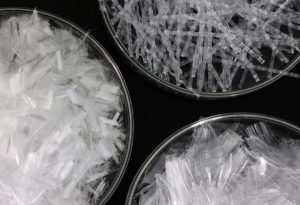 Concrete fibers help control crack development during both the plastic and hardened stages.
Synthetic fibers reduce plastic shrinkage cracking, while steel fibers improve impact resistance and toughness.
Benefits include:
- Improved crack resistance
- Enhanced toughness
- Better fatigue resistance
- Increased durability under dynamic loading
Fiber reinforcement is commonly used in industrial floors, shotcrete, precast elements, and heavy-duty pavements.
Conclusion
Concrete durability depends not only on mix design but also on selecting appropriate admixtures for specific service environments.
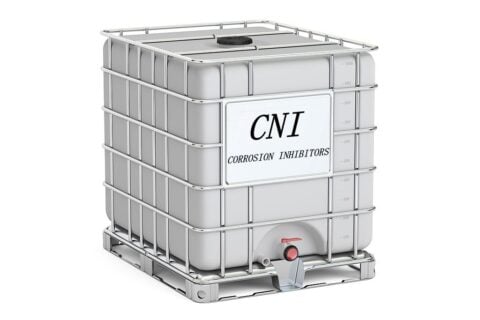
Polycarboxylate Superplasticizers, Air-Entraining Agents, Shrinkage Reducing Admixtures, Corrosion Inhibitors, Waterproofing Admixtures, and Concrete Fibers each address different durability challenges.
By combining these technologies with proper construction practices, concrete producers and contractors can significantly improve service life, reduce maintenance costs, and enhance overall structural performance.




Concrete & Beton Tech+
Why Does Concrete Strength Vary Between Batches?
Learn why concrete strength varies between batches and how to improve consistency through proper water control, raw materials, admixture dosing, mixing, and curing… Continue reading
The Role of Expanding Agents in Compensating Shrinkage of Mass Concrete Foundations
Cracking after mass concrete foundation pouring? Thermal shrinkage, drying shrinkage, and autogenous shrinkage combined are the culprits. … Continue reading
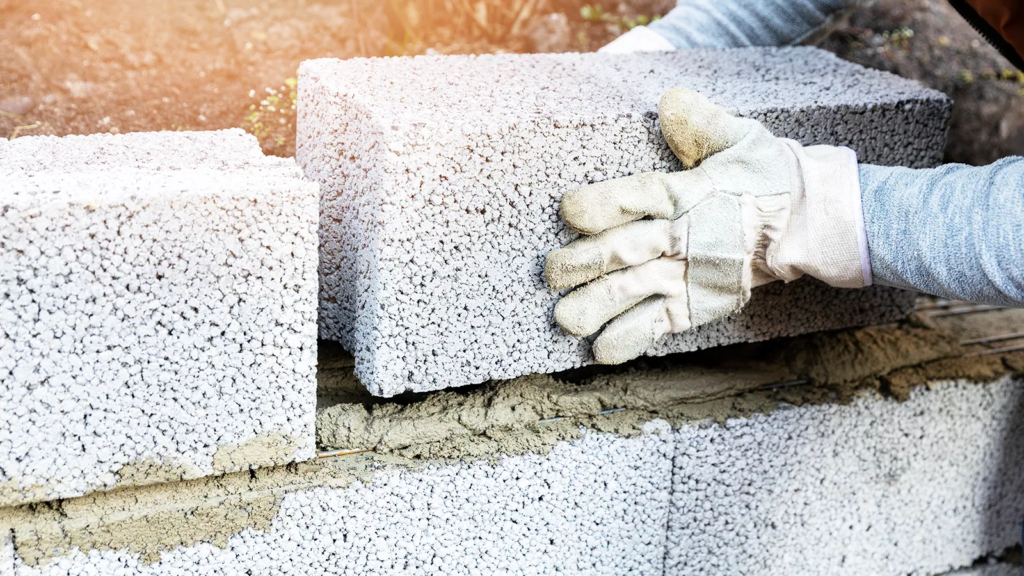
Lightweight Aggregate Concrete Lacking Viscosity?
Lightweight aggregate concrete segregation, aggregate floating, pump blockages? The root cause is insufficient viscosity. This article details four practical methods — viscosity modifier dosage (0.02%–0.03%), aggregate pre-wetting, mix optimization, and specialized admixtures — to solve workability problems once and for all… Continue reading
How Does Air-Entraining Agent Affect Concrete Strength?
Each 1% air content reduces concrete strength by 4%–6%. How to balance? This short article gives three practical methods: measure air content, lower w/c, and choose a stable-foam AEA. Direct and actionable… Continue reading
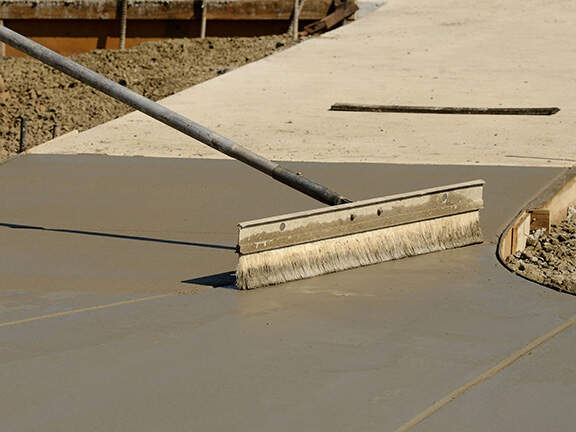
The Three Critical Windows for Concrete Curing
Same mix design, with and without proper curing – 28‑day strength can differ by a whole grade. This article explains hydration mechanisms, three critical curing windows, and practical steps to prevent strength loss and cracking… Continue reading
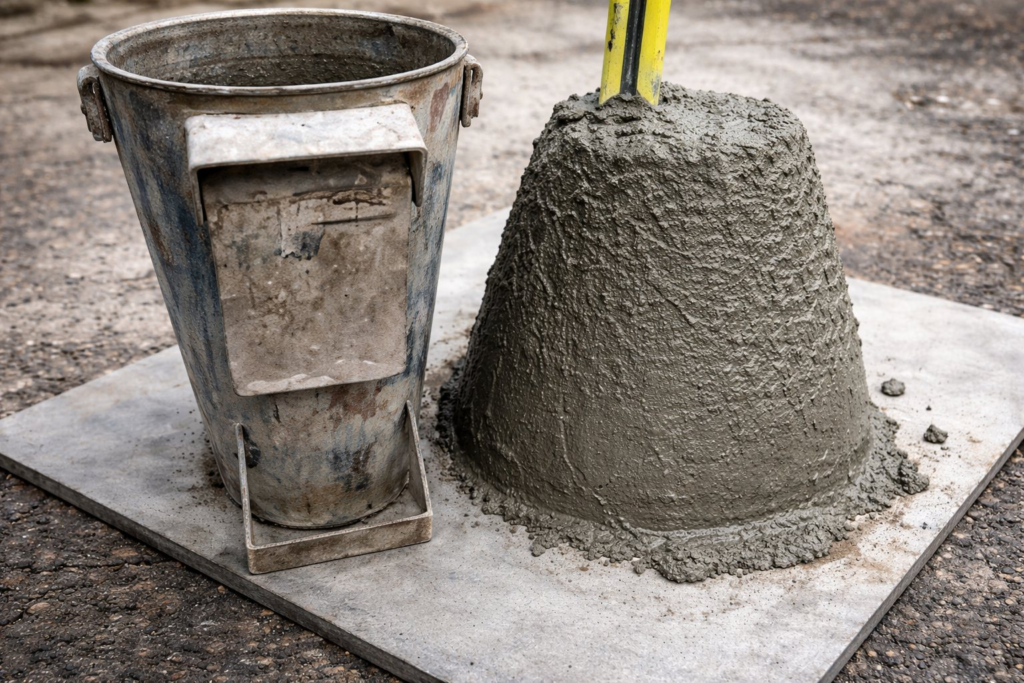
How to Maintain Slump Retention During Long-Distance Transportation
Learn how to maintain concrete slump retention during long-distance transportation by optimizing mix design, selecting the right admixtures, and improving production practices… Continue reading
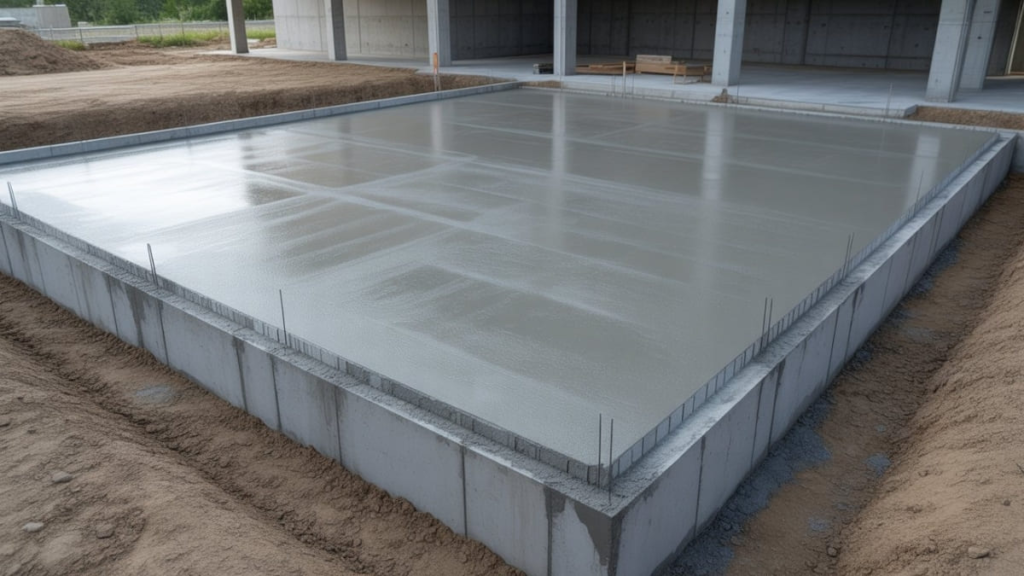
Why Does Concrete Bleeding Occur?
Learn why concrete bleeding occurs, what causes excessive bleeding, and how to reduce it using proper mix design, Polycarboxylate Superplasticizers (PCE), and Viscosity Modifying Agents (VMA)… Continue reading
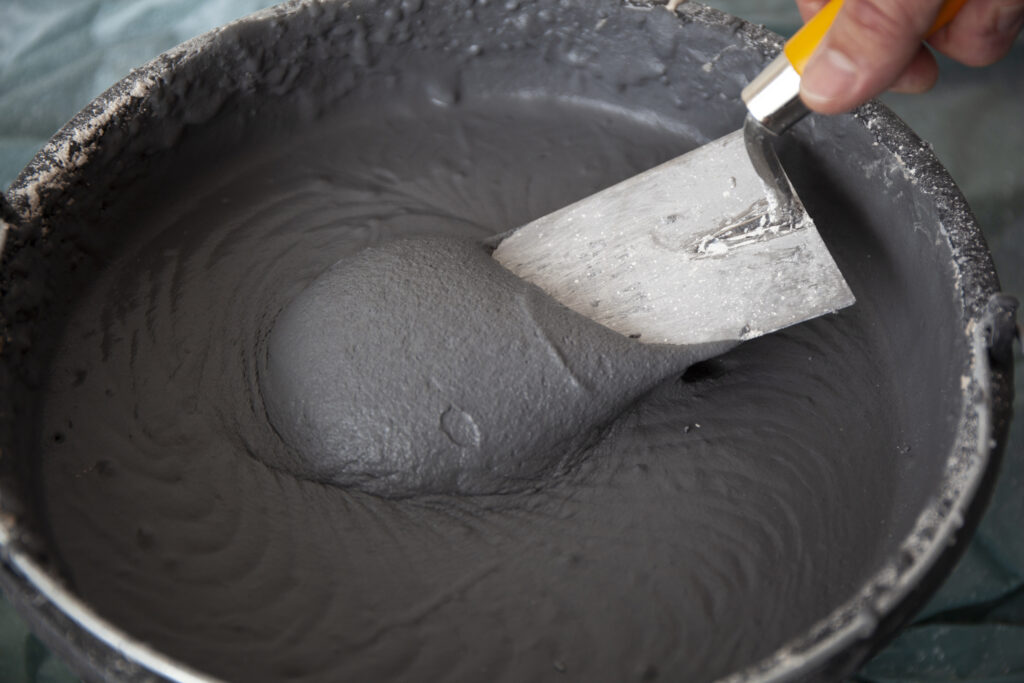
Concrete Admixture Role
This article explains how concrete admixtures improve workability and durability: slump control, setting time adjustment, impermeability enhancement, and solutions for bleeding, segregation, and shrinkage cracks… Continue reading
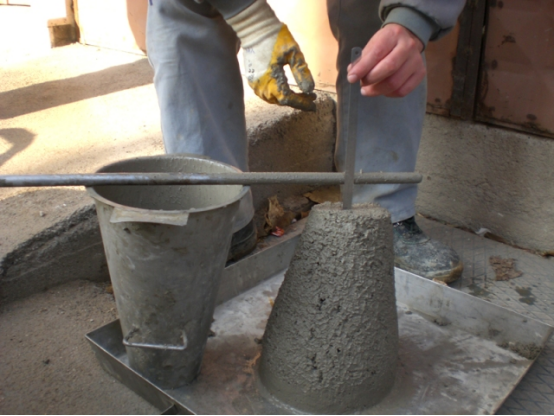
Concrete Slump Loss Causes& Solutions
This article analyzes four main causes of rapid concrete slump loss: high cement reactivity, high temperature, incompatible admixture systems, and long transport time, and provides slump retention solutions including PCE superplasticizers, retarders, and … Continue reading
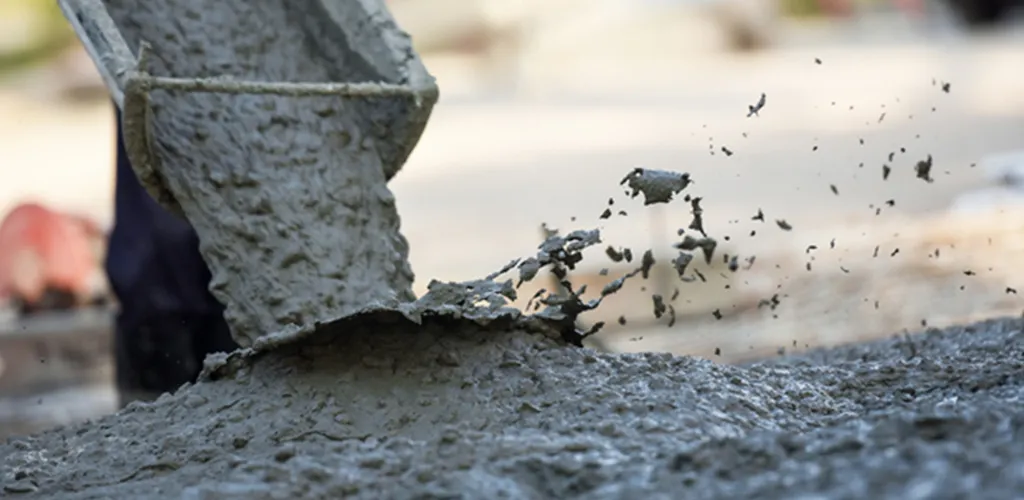
Concrete Admixture Economic Construction
This article explains how concrete admixtures achieve economic construction by reducing cement consumption, lowering energy use, and minimizing construction waste, helping projects cut costs and improve efficiency… Continue reading
