
How to Maintain Slump Retention During Long-Distance Transportation
For ready-mix concrete suppliers, maintaining consistent slump during long-distance transportation is one of the biggest challenges in daily operations. Concrete often leaves the batching plant with the desired workability but arrives at the construction site with a significantly reduced slump.
Excessive slump loss can make pumping difficult, increase labor costs, delay construction schedules, and even affect the final quality of the concrete structure.
Whether the transportation time is 30 minutes or more than two hours, understanding the factors that influence slump retention is essential for delivering high-quality concrete.
Why Does Concrete Lose Slump During Transportation?
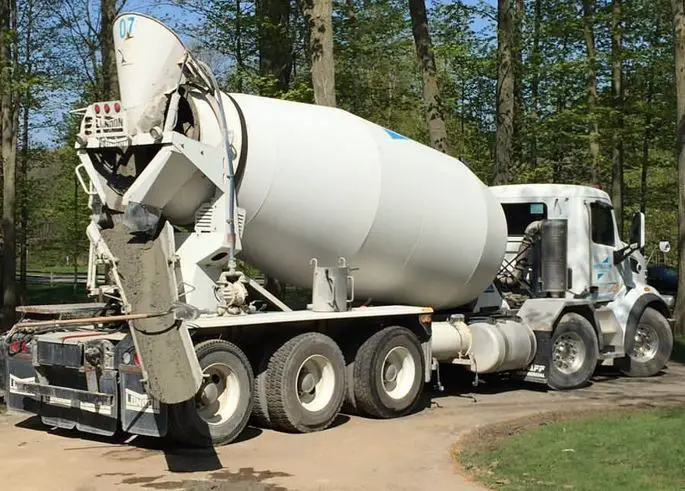
Concrete is a dynamic material that continuously changes after mixing. During transportation, hydration reactions continue, water is gradually consumed, and the internal structure becomes increasingly rigid. Several factors accelerate this process.
Cement Hydration Continues During Transit
Once water is added to cement, hydration begins immediately. As the reaction progresses, free water decreases, causing the concrete to lose its fluidity over time.
High-reactivity cement can accelerate this process, resulting in faster slump loss.
High Ambient Temperatures
Hot weather is one of the most common causes of poor slump retention.
High temperatures increase both the hydration rate of cement and the evaporation of water. As a result, concrete transported over long distances in summer often experiences rapid workability loss before reaching the job site.
Extended Transportation Time
The longer the concrete remains in the mixer truck, the greater the slump reduction.
Continuous drum rotation helps maintain uniformity but cannot completely prevent the gradual stiffening of the concrete mixture.
Traffic congestion, project delays, and long delivery distances all increase the risk of excessive slump loss.
Incompatible Admixture Systems
Not all chemical admixtures are suitable for every cement type.
Poor compatibility between cement and water reducers may cause rapid adsorption of the admixture, reducing its effectiveness and shortening slump retention time.
Selecting admixtures that are specifically designed for slump retention is critical.
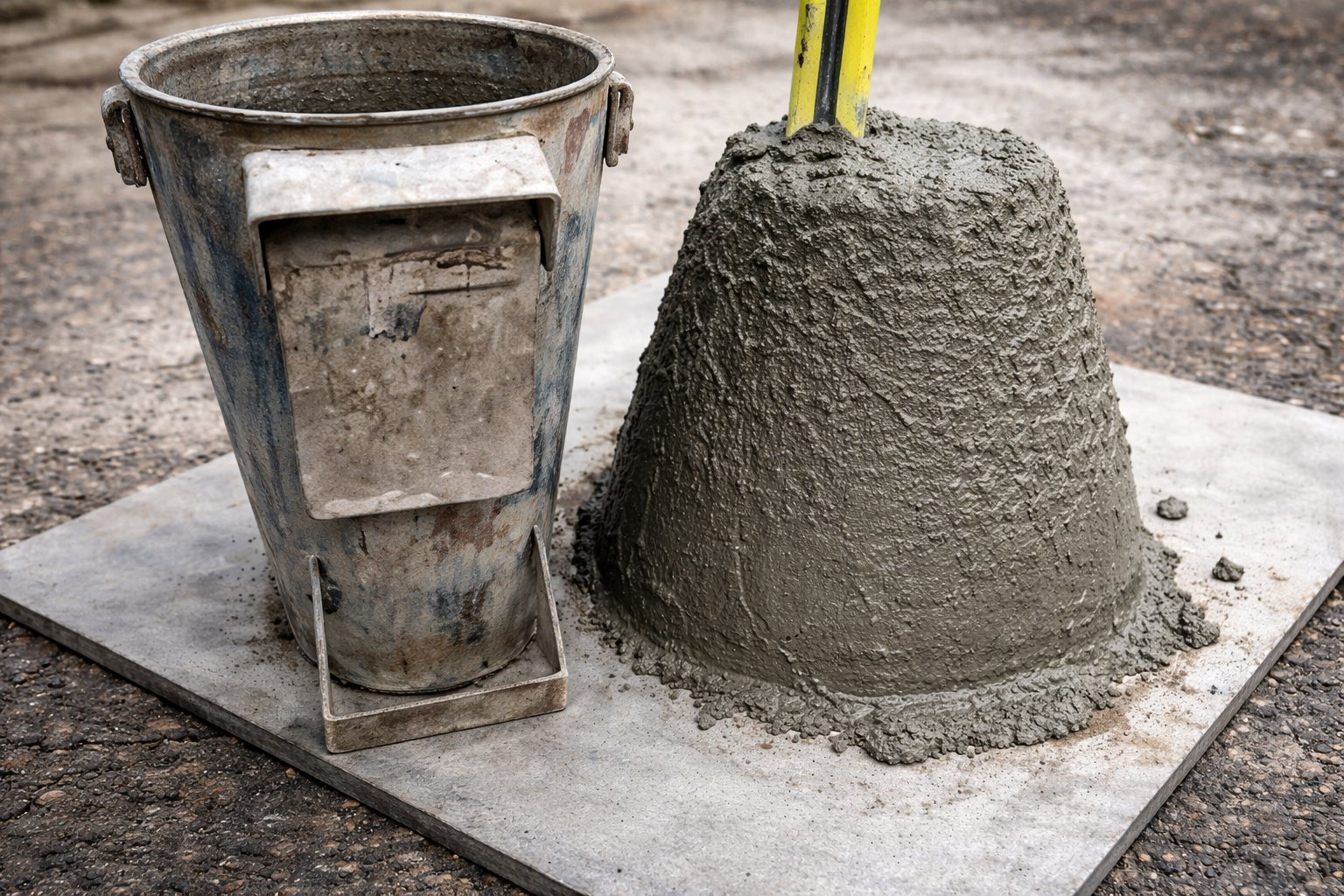
What Problems Can Poor Slump Retention Cause?
Loss of slump affects much more than workability.
Concrete with insufficient slump becomes difficult to pump, requiring higher pumping pressure and increasing equipment wear.
Poor workability also makes vibration and compaction less effective, potentially creating honeycombing, voids, and weak bonding around reinforcement.
To compensate for the reduced workability, some workers may add water at the construction site. Although this temporarily restores flowability, it increases the water-to-cement ratio, reduces compressive strength, and negatively affects durability.
How to Improve Slump Retention During Transportation
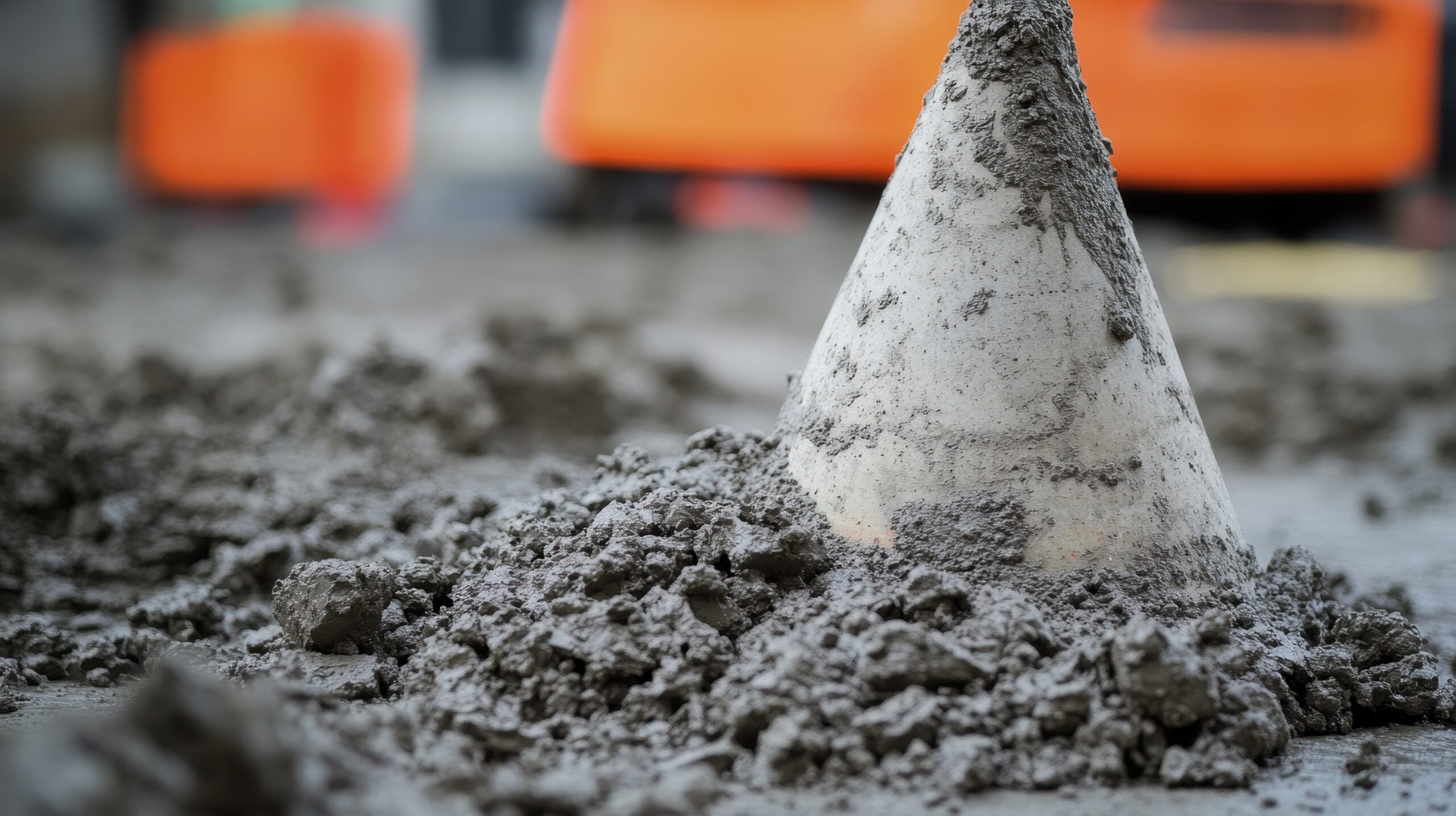
Use Slump-Retaining Polycarboxylate Superplasticizers
Modern Polycarboxylate Superplasticizers (PCE) provide excellent water reduction while maintaining workability for an extended period.
Compared with conventional water reducers, slump-retaining PCE technology allows concrete to remain fluid for longer transportation times without significantly affecting strength development.
Optimize the Mix Design
A well-designed concrete mix is the foundation of good slump retention.
Proper aggregate grading, an appropriate water-to-cement ratio, and optimized cement content all contribute to maintaining workability throughout transportation.
Select the Right Cement-Admixture Combination
Different cement brands and clinker compositions respond differently to chemical admixtures.
Conducting compatibility testing before large-scale production helps identify the most suitable admixture system and minimizes unexpected slump loss.
Control Concrete Temperature
Reducing the initial concrete temperature is an effective way to slow hydration.
Using chilled mixing water, shading aggregate stockpiles, or scheduling concrete deliveries during cooler periods can significantly improve slump retention.
Use Retarding Admixtures When Necessary
For projects involving extremely long transportation distances or hot climates, set-retarding admixtures can slow cement hydration and extend the available working time.
The dosage should always be adjusted according to project conditions to avoid excessive setting delays.
Recommended Admixture Solutions
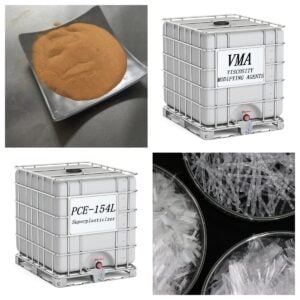 To maintain slump retention during transportation, the following admixtures are commonly recommended:
- Polycarboxylate Superplasticizer (PCE) – Provides high water reduction and long-lasting slump retention.
- Set Retarder – Slows cement hydration in hot weather and long-haul deliveries.
- Viscosity Modifying Agent (VMA) – Improves stability and reduces segregation while maintaining workability.
Selecting the appropriate combination depends on transportation distance, ambient temperature, cement properties, and project requirements.
Conclusion
Maintaining slump retention during long-distance transportation is essential for ensuring consistent concrete quality and efficient construction.
Rather than adding extra water at the job site, concrete producers should optimize mix design, improve cement-admixture compatibility, and select high-performance admixtures specifically developed for slump retention.
With the right combination of Polycarboxylate Superplasticizers, retarding admixtures, and proper production practices, ready-mix concrete can maintain excellent workability from the batching plant to the construction site.




Concrete & Beton Tech+
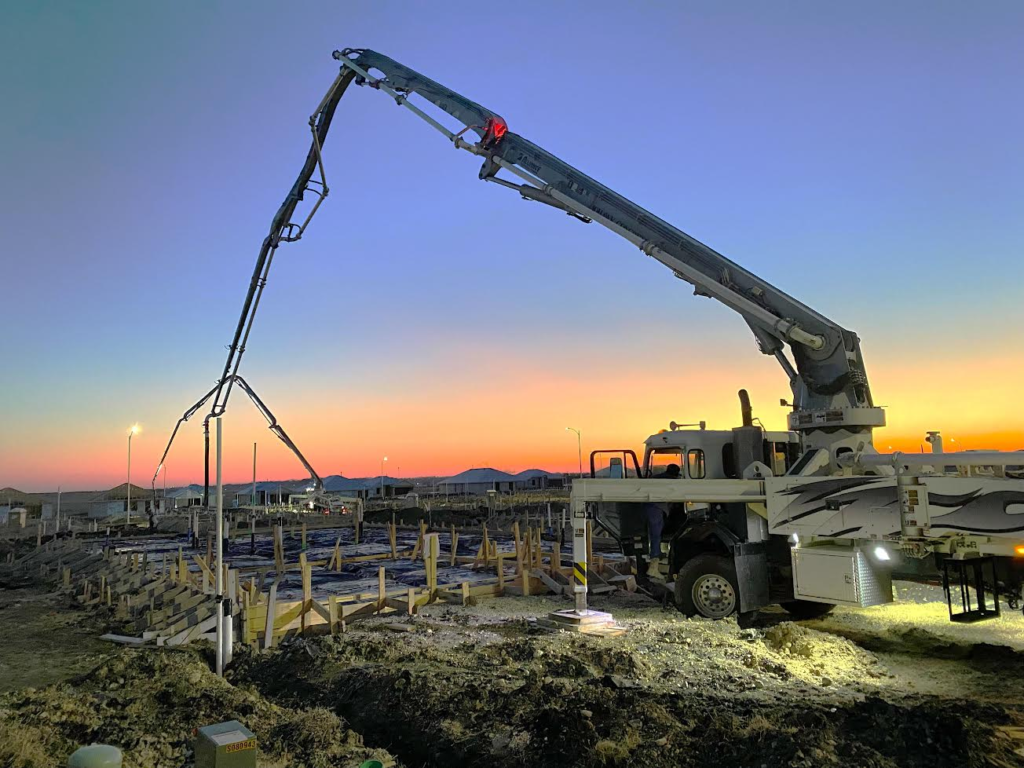
Sticky Concrete with Normal Slump: Causes & Solutions
Concrete can have normal slump but still feel sticky and difficult to pump. Learn how fines, PCE, VMA, aggregate grading, and rheology affect pumpability… Continue reading
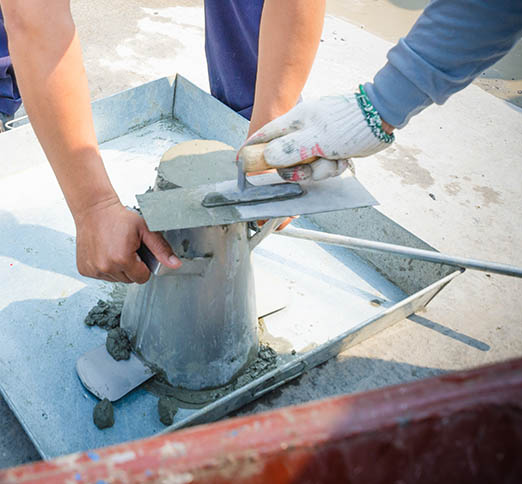
PCE Cement Compatibility: Why Performance Changes
PCE performance can change after switching cement. Learn why water reduction, slump retention, and setting behavior change and how to identify the cause… Continue reading
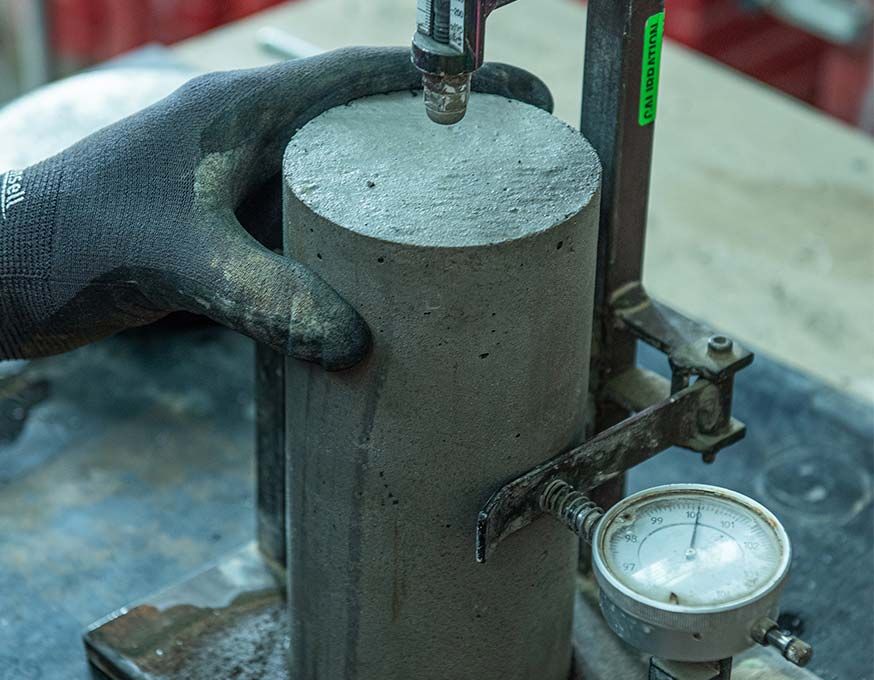
Why Does Concrete Strength Vary Between Batches?
Learn why concrete strength varies between batches and how to improve consistency through proper water control, raw materials, admixture dosing, mixing, and curing… Continue reading
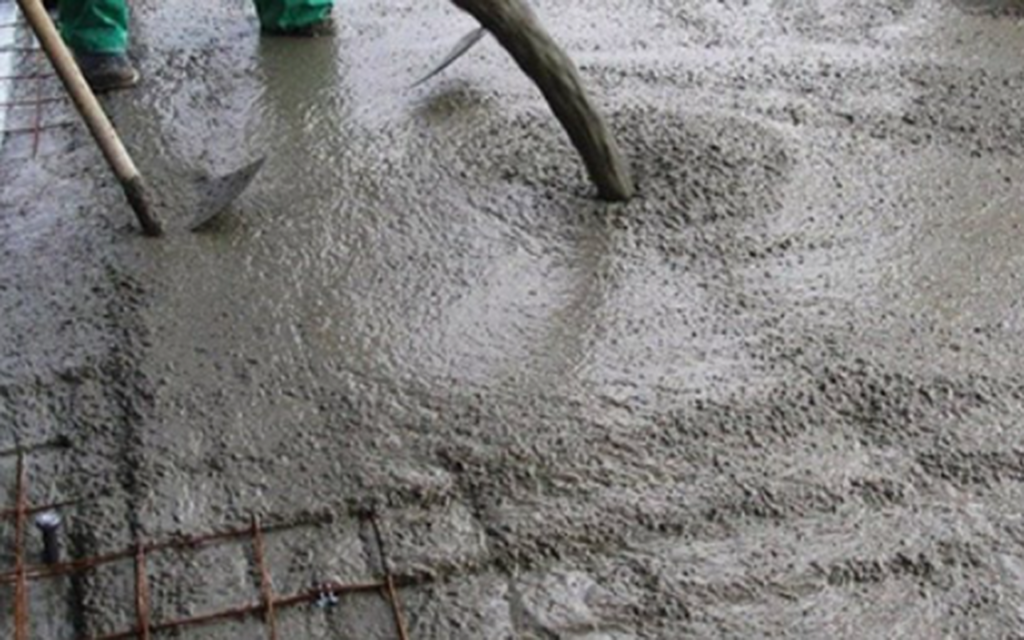
The Role of Expanding Agents in Compensating Shrinkage of Mass Concrete Foundations
Cracking after mass concrete foundation pouring? Thermal shrinkage, drying shrinkage, and autogenous shrinkage combined are the culprits. … Continue reading
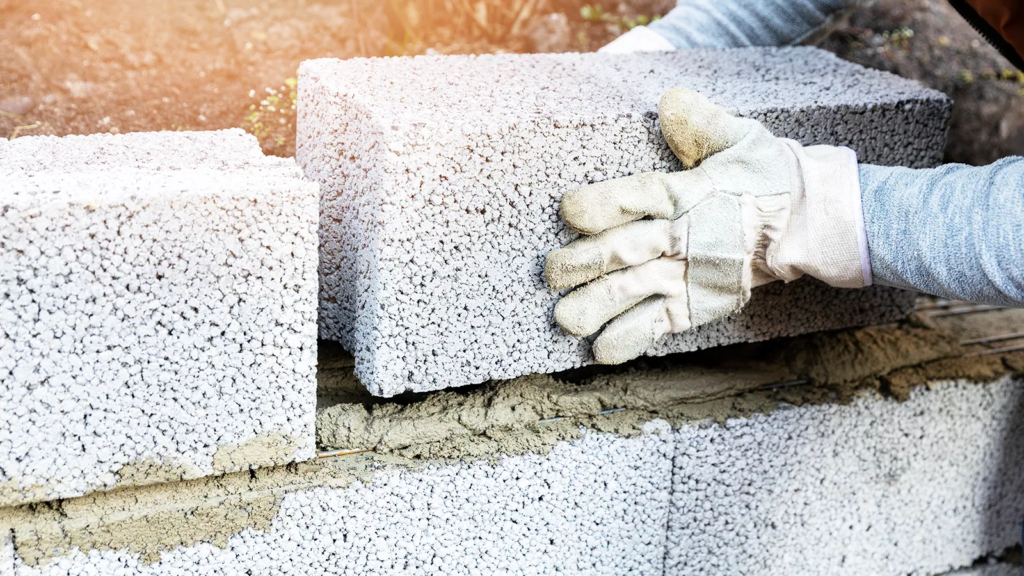
Lightweight Aggregate Concrete Lacking Viscosity?
Lightweight aggregate concrete segregation, aggregate floating, pump blockages? The root cause is insufficient viscosity. This article details four practical methods — viscosity modifier dosage (0.02%–0.03%), aggregate pre-wetting, mix optimization, and specialized admixtures — to solve workability problems once and for all… Continue reading
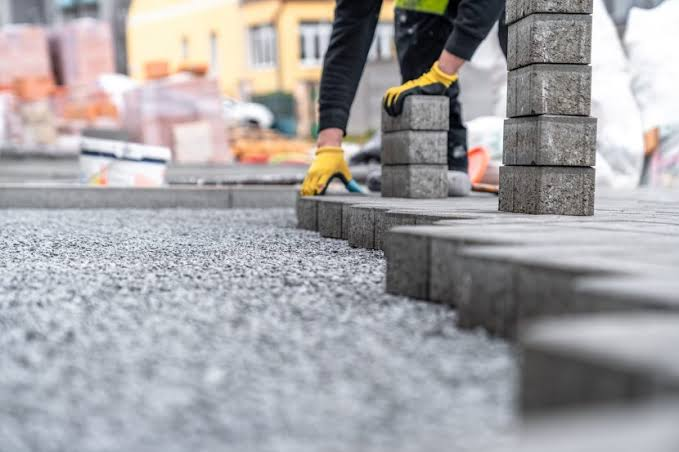
How Does Air-Entraining Agent Affect Concrete Strength?
Each 1% air content reduces concrete strength by 4%–6%. How to balance? This short article gives three practical methods: measure air content, lower w/c, and choose a stable-foam AEA. Direct and actionable… Continue reading
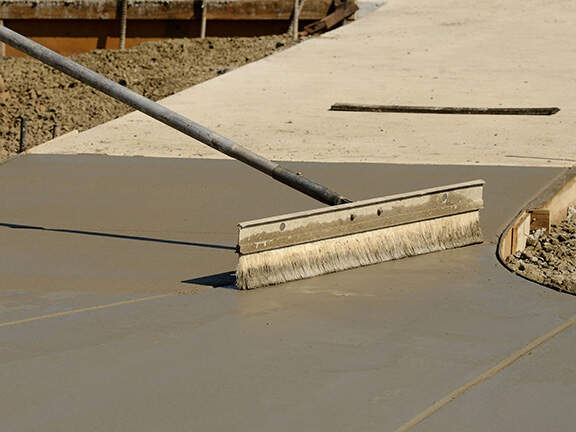
The Three Critical Windows for Concrete Curing
Same mix design, with and without proper curing – 28‑day strength can differ by a whole grade. This article explains hydration mechanisms, three critical curing windows, and practical steps to prevent strength loss and cracking… Continue reading
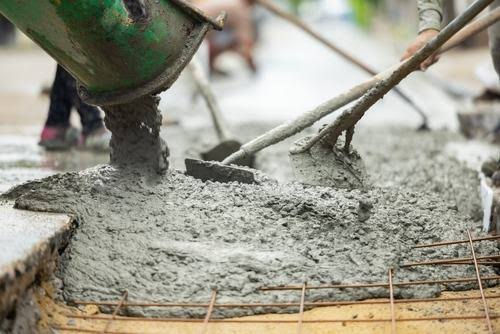
Which Admixtures Improve Concrete Durability?
Discover which concrete admixtures improve durability, including Polycarboxylate Superplasticizers, Air-Entraining Agents, Corrosion Inhibitors, Waterproofing Admixtures, and Concrete Fibers. Learn how to enhance strength, reduce permeability, and extend service life… Continue reading
Why Does Concrete Bleeding Occur?
Learn why concrete bleeding occurs, what causes excessive bleeding, and how to reduce it using proper mix design, Polycarboxylate Superplasticizers (PCE), and Viscosity Modifying Agents (VMA)… Continue reading
Concrete Admixture Role
This article explains how concrete admixtures improve workability and durability: slump control, setting time adjustment, impermeability enhancement, and solutions for bleeding, segregation, and shrinkage cracks… Continue reading
