
Water Reducer Working Principle
Water and water reducers are the two most critical variables in concrete mix design. Their relationship determines concrete strength, workability, durability, and construction performance. This article explains the working principle of water reducers and how to achieve different engineering goals by balancing water and water reducer dosage.
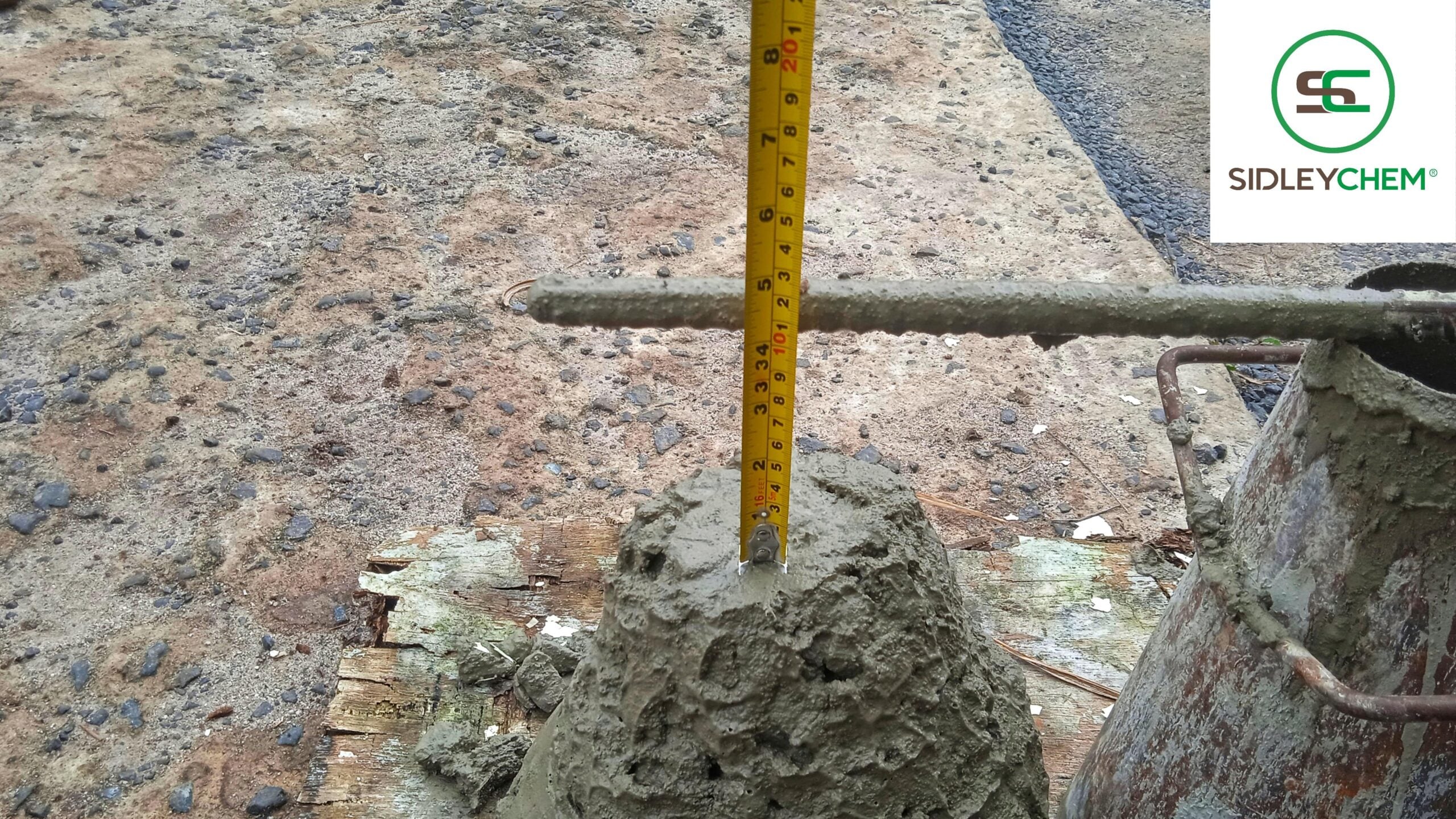
1. Core Relationship Between Water and Water Reducers
Water reducers can be understood as “water efficiency enhancers“:
-
Water Reduction Mode: Significantly reduce water consumption while maintaining the same workability;
-
Plasticizing Mode: Significantly increase workability while maintaining the same water consumption.
Together, they determine the water-binder ratio, strength, and workability of concrete—the “golden partners” in mix design.
2. Working Principle of Water Reducers
-
“Locked” Water: When cement is mixed with water, particles form flocculated structures, trapping 10%~30% of water that cannot lubricate. Additional water is needed to achieve flow.
-
“Unlocking” Mechanism: Water reducers (surfactants) adsorb onto cement particle surfaces, imparting like charges (negative) that create electrostatic repulsion and steric hindrance, dispersing flocculated structures and releasing trapped free water.
-
Lubrication Enhancement: Simultaneously form a hydrated lubricating film on particle surfaces, reducing inter-particle friction and improving concrete flow.
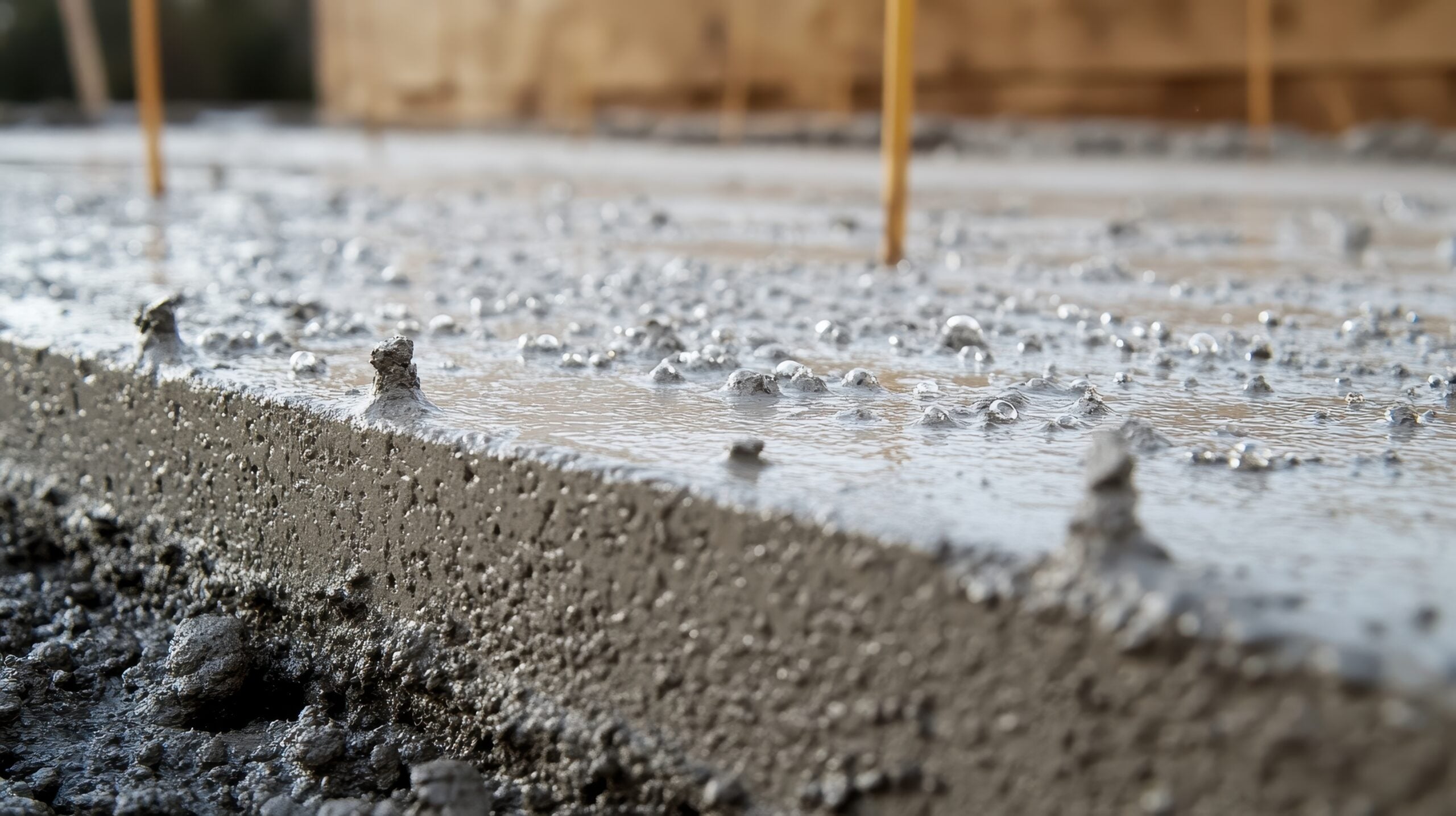
3. Two Typical Applications of Water Reducers
3.1 Water Reduction Mode (for High-Strength/High-Performance Concrete)
-
Objective: Maintain slump while reducing water consumption.
-
Effect: Lower water-binder ratio → higher strength, density, and durability.
-
Water Reduction Rate: Regular: 5%~15%; High-range/PCE: 15%~30%.
-
Example: C30 concrete with original water content 185kg/m³ can be reduced to 150~160kg/m³ with high-range water reducer, achieving C40+ strength.
3.2 Plasticizing Mode (for Pumping/Self-Compacting Concrete)
-
Objective: Maintain water consumption while significantly increasing workability.
-
Effect: Slump increases from 50mm to 200mm+, easy pumping, vibration-free.
-
Applications: High-rise building pumping, complex structure casting, self-compacting concrete.
4. Key Points for Balancing Water and Water Reducers
4.1 Water Content Control
-
Too Low: Paste becomes too viscous, water reducer disperses poorly, leading to segregation, bleeding, rapid slump loss.
-
Too High: Water-binder ratio exceeds limit, water reducer effect diluted, strength drops sharply, durability decreases.
4.2 Water Reducer Dosage
-
Typical Dosage: 0.5%~1.5% of cementitious materials; PCE commonly 0.8%~1.2%.
-
Underdosing: Insufficient water reduction, poor workability.
-
Overdosing: Bleeding, retardation, strength loss, increased cost.
4.3 Compatibility Factors
-
Higher C3A content in cement, higher clay content in aggregates, or use of fly ash/slag may require increased water reducer dosage to maintain effectiveness.
5. The “Magic Relationship” Between Water and Water Reducers
 The core value of water reducers lies in “liberating” water trapped by cement particles, making water usage more efficient:
-
Less water, higher strength – achieving high-strength, high-performance concrete;
-
More flow, better construction – achieving pumping, self-compacting concrete.
The essence of concrete mix design is finding the dynamic balance between water and water reducer.
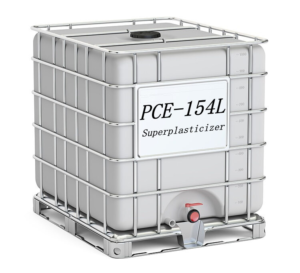
At SidleyChem, we specialize in high-performance concrete solutions. For projects demanding maximum water reduction, we highly recommend PCE-154L Ultra-High Water-Reducing Polycarboxylate Mother Liquor. It significantly lowers the water-cement ratio, making it ideal for UHPC and high-strength precast elements.




Concrete & Beton Tech+
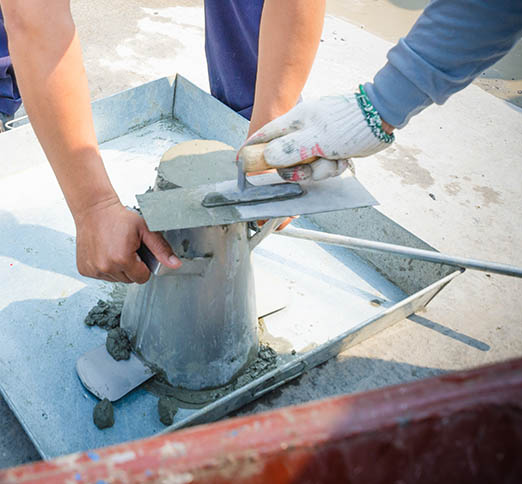
Sticky Concrete with Normal Slump: Causes & Solutions
Concrete can have normal slump but still feel sticky and difficult to pump. Learn how fines, PCE, VMA, aggregate grading, and rheology affect pumpability… Continue reading
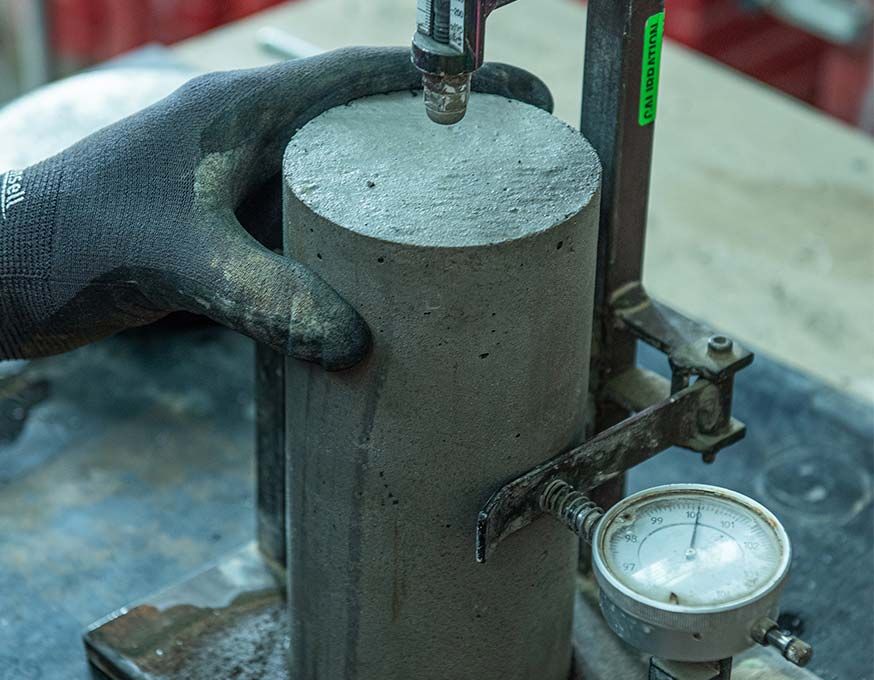
PCE Cement Compatibility: Why Performance Changes
PCE performance can change after switching cement. Learn why water reduction, slump retention, and setting behavior change and how to identify the cause… Continue reading
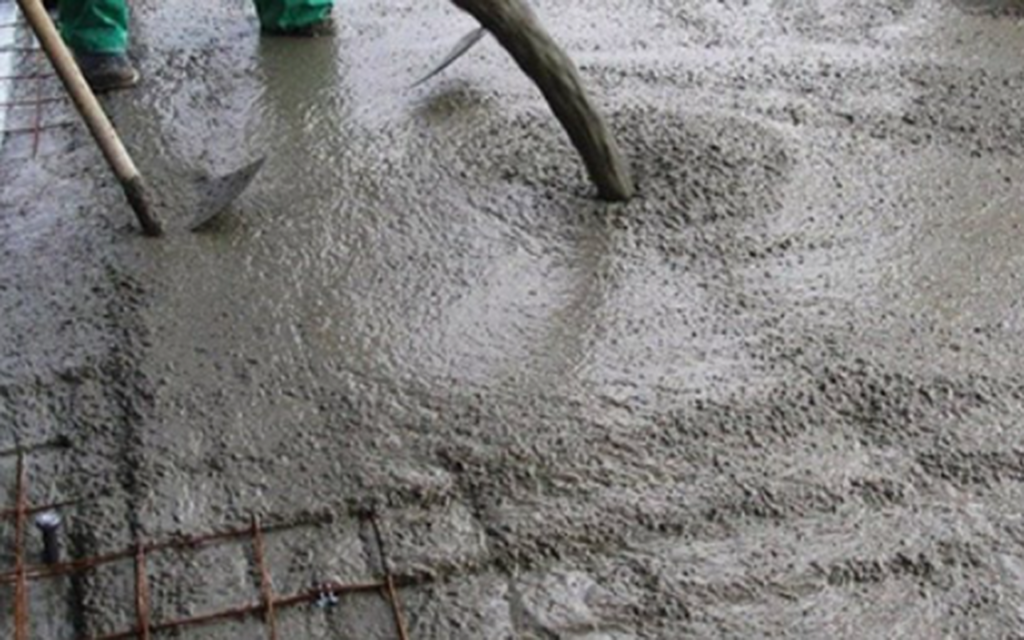
Why Does Concrete Strength Vary Between Batches?
Learn why concrete strength varies between batches and how to improve consistency through proper water control, raw materials, admixture dosing, mixing, and curing… Continue reading
The Role of Expanding Agents in Compensating Shrinkage of Mass Concrete Foundations
Cracking after mass concrete foundation pouring? Thermal shrinkage, drying shrinkage, and autogenous shrinkage combined are the culprits. … Continue reading
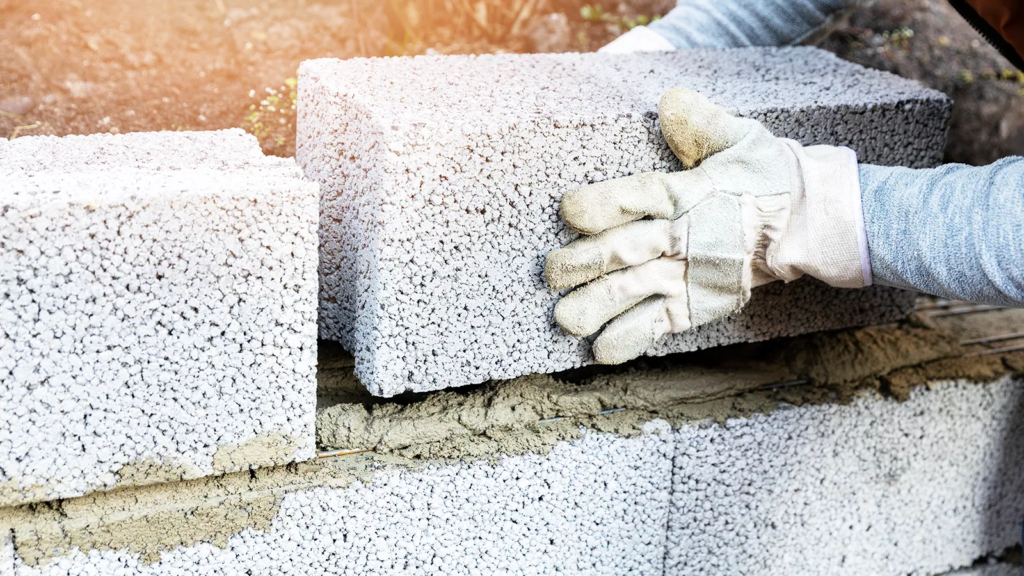
Lightweight Aggregate Concrete Lacking Viscosity?
Lightweight aggregate concrete segregation, aggregate floating, pump blockages? The root cause is insufficient viscosity. This article details four practical methods — viscosity modifier dosage (0.02%–0.03%), aggregate pre-wetting, mix optimization, and specialized admixtures — to solve workability problems once and for all… Continue reading
How Does Air-Entraining Agent Affect Concrete Strength?
Each 1% air content reduces concrete strength by 4%–6%. How to balance? This short article gives three practical methods: measure air content, lower w/c, and choose a stable-foam AEA. Direct and actionable… Continue reading
The Three Critical Windows for Concrete Curing
Same mix design, with and without proper curing – 28‑day strength can differ by a whole grade. This article explains hydration mechanisms, three critical curing windows, and practical steps to prevent strength loss and cracking… Continue reading
Which Admixtures Improve Concrete Durability?
Discover which concrete admixtures improve durability, including Polycarboxylate Superplasticizers, Air-Entraining Agents, Corrosion Inhibitors, Waterproofing Admixtures, and Concrete Fibers. Learn how to enhance strength, reduce permeability, and extend service life… Continue reading
How to Maintain Slump Retention During Long-Distance Transportation
Learn how to maintain concrete slump retention during long-distance transportation by optimizing mix design, selecting the right admixtures, and improving production practices… Continue reading
Why Does Concrete Bleeding Occur?
Learn why concrete bleeding occurs, what causes excessive bleeding, and how to reduce it using proper mix design, Polycarboxylate Superplasticizers (PCE), and Viscosity Modifying Agents (VMA)… Continue reading
