
Concrete Curing agent Application
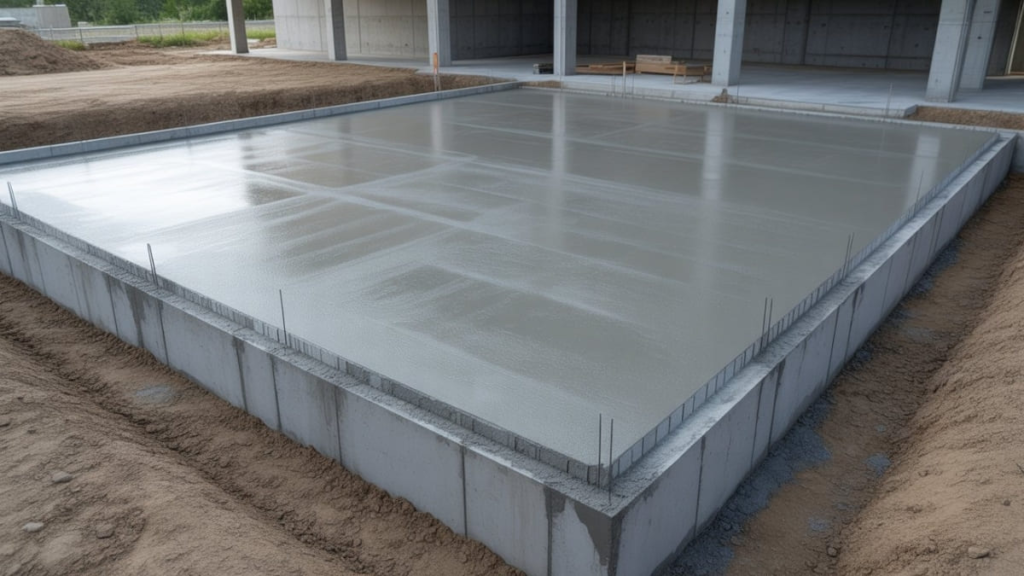
Concrete curing compound is a chemical agent sprayed onto concrete surfaces to promote complete cement hydration, enhance strength, crack resistance, and durability through physical water retention or chemical reinforcement. Also known as curing liquid, it is a core material for efficient curing in modern engineering. This article systematically introduces its mechanism, types, and application key points.

1. Core Functions and Mechanisms
-
Physical Water Retention: Forms a continuous, impermeable film on the concrete surface, locking in mixing water, blocking evaporation, ensuring cement hydration, and reducing shrinkage cracking.
-
Chemical Reinforcement: Some types react with hydration products to form a dense surface layer, improving surface abrasion and impermeability.
-
Key Value: 28-day strength retention ≥98% of wet curing, shrinkage reduction of approximately 45%, surface abrasion resistance increased by 30%-40%.
2. Main Types and Application Scenarios
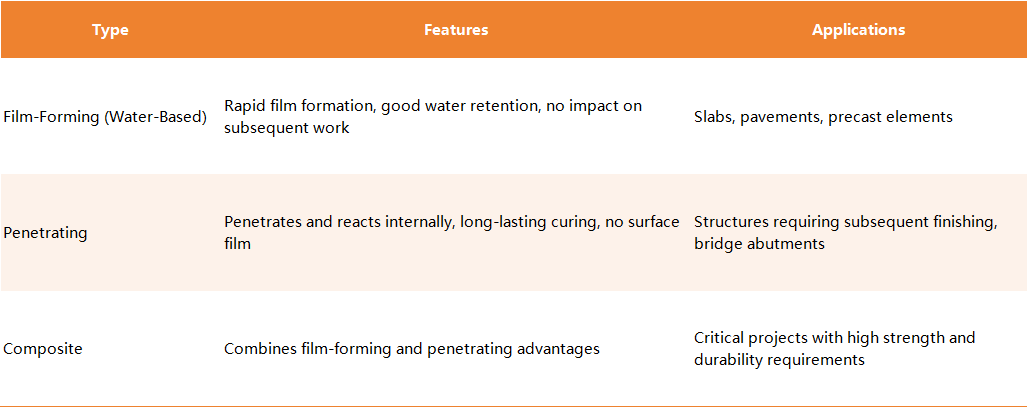
3. Key Performance Indicators
1.Water Retention: Water evaporation rate ≤10% of uncured concrete, 28-day strength retention ≥98%
2.Construction Adaptability: Applicable at 5-40°C, uniform and tough film formation, no impact on subsequent processes.
3.Environmental Safety: Water-based, non-toxic, non-flammable, low VOC, safe for application.
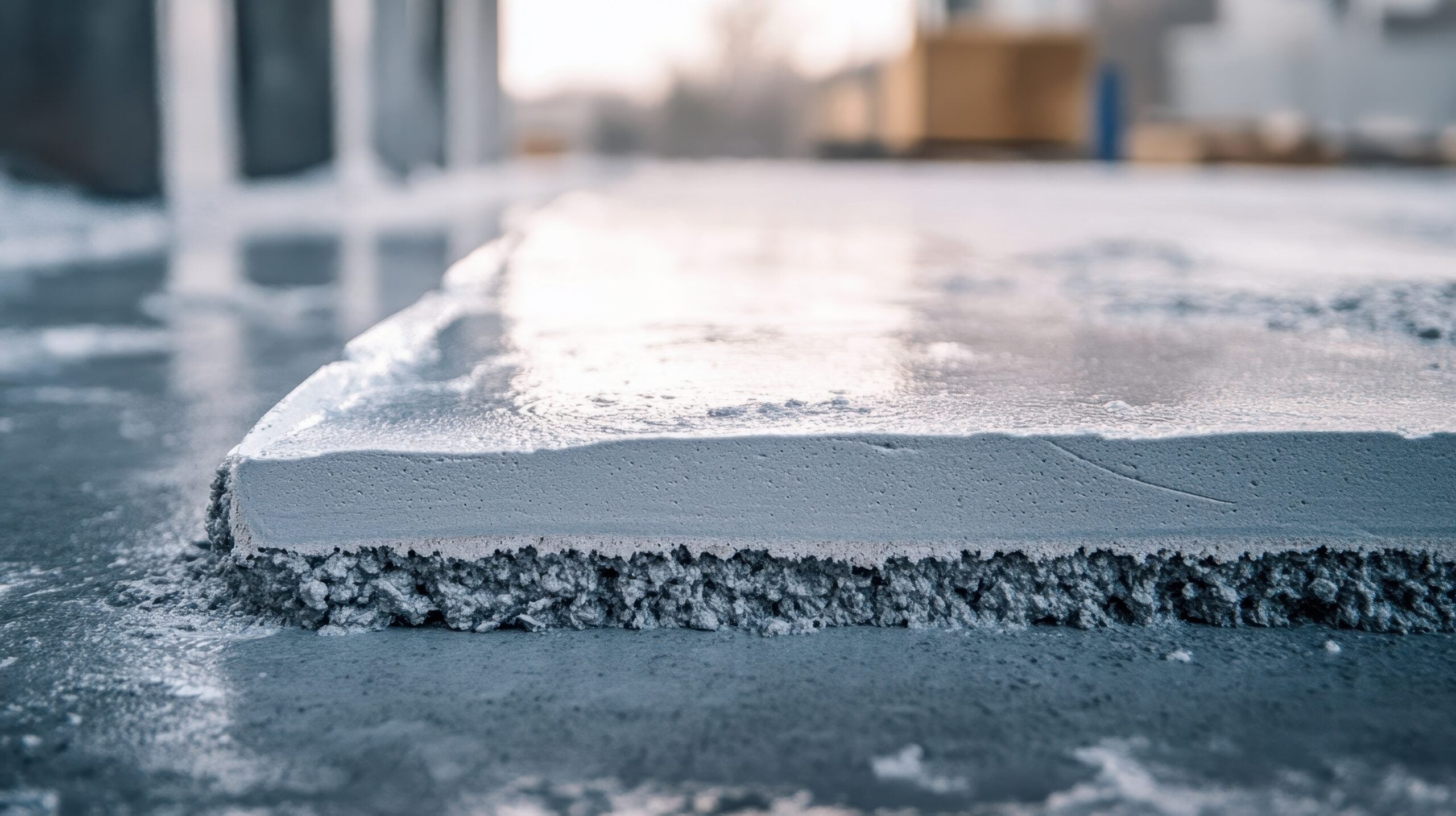
4. Application Key Points
-
Timing: Apply after initial set but before final set (6-12 hours after pouring), when no free water on the surface.
-
Dosage: 0.2-0.3 kg/m², spray evenly with a spray gun to ensure full coverage.
-
Avoid Conditions: Do not apply during rain, snow, or high winds; avoid temperatures below 5°C or above 40°C.
5. SIDLEYCHEM Curing Agent Products
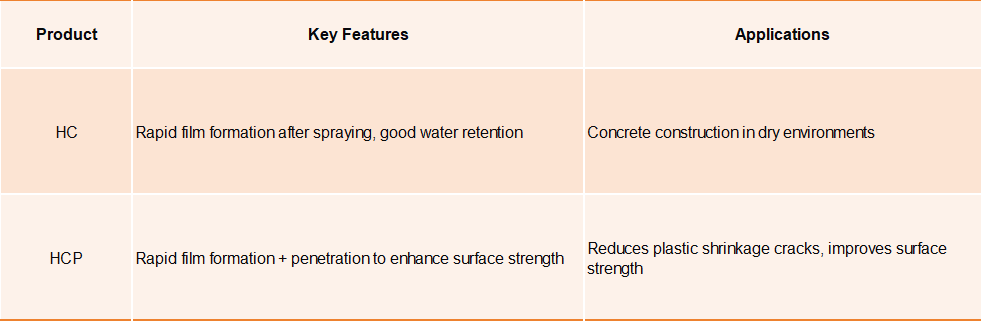
Our concrete curing compound series includes HC and HCP, both water-based, non-toxic, non-flammable, low VOC, and environmentally friendly: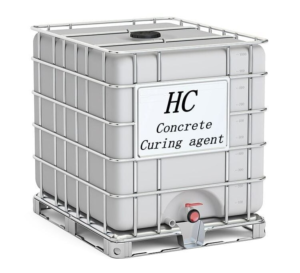
With SIDLEYCHEM curing agent, you can ensure concrete curing quality, enhance structural durability, and reduce cracking risk.




Concrete & Beton Tech+

Sticky Concrete with Normal Slump: Causes & Solutions
Concrete can have normal slump but still feel sticky and difficult to pump. Learn how fines, PCE, VMA, aggregate grading, and rheology affect pumpability… Continue reading
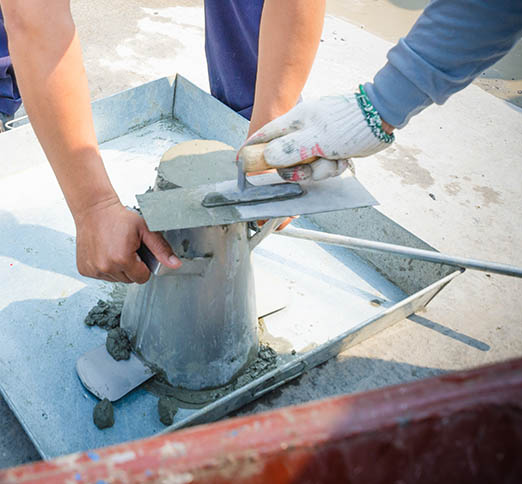
PCE Cement Compatibility: Why Performance Changes
PCE performance can change after switching cement. Learn why water reduction, slump retention, and setting behavior change and how to identify the cause… Continue reading
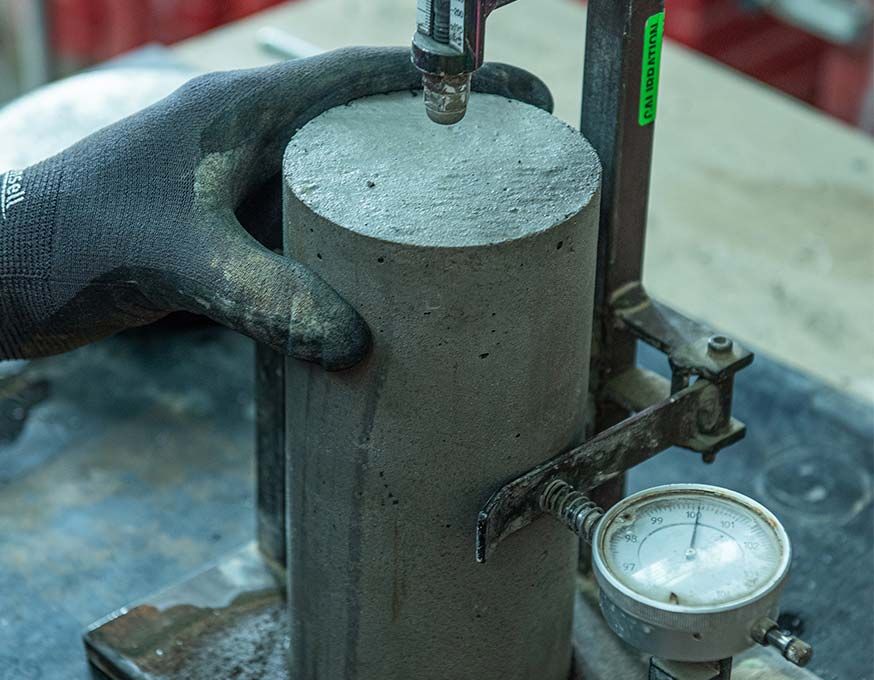
Why Does Concrete Strength Vary Between Batches?
Learn why concrete strength varies between batches and how to improve consistency through proper water control, raw materials, admixture dosing, mixing, and curing… Continue reading
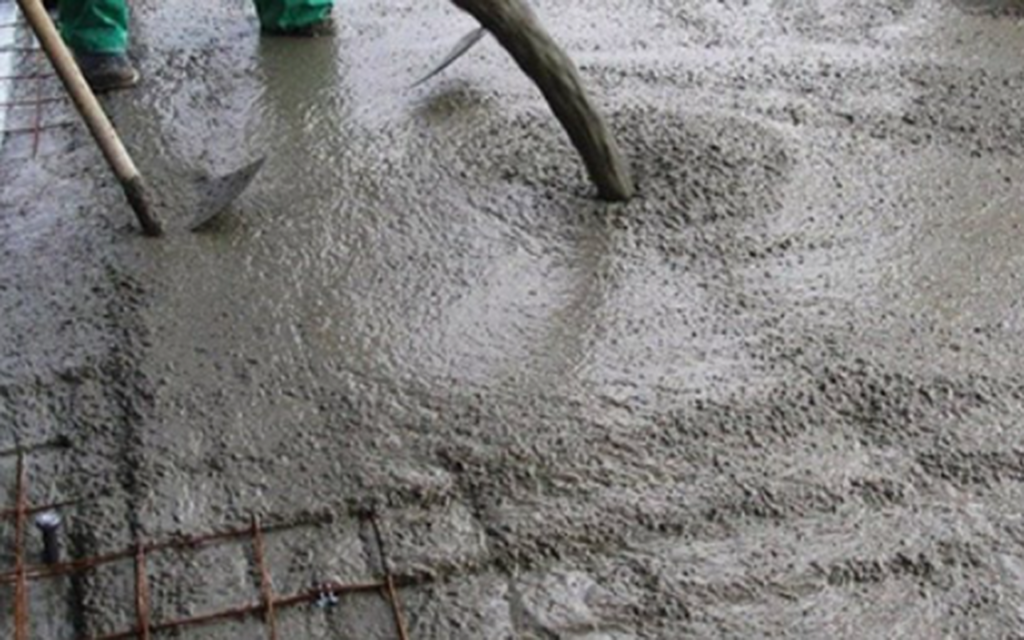
The Role of Expanding Agents in Compensating Shrinkage of Mass Concrete Foundations
Cracking after mass concrete foundation pouring? Thermal shrinkage, drying shrinkage, and autogenous shrinkage combined are the culprits. … Continue reading
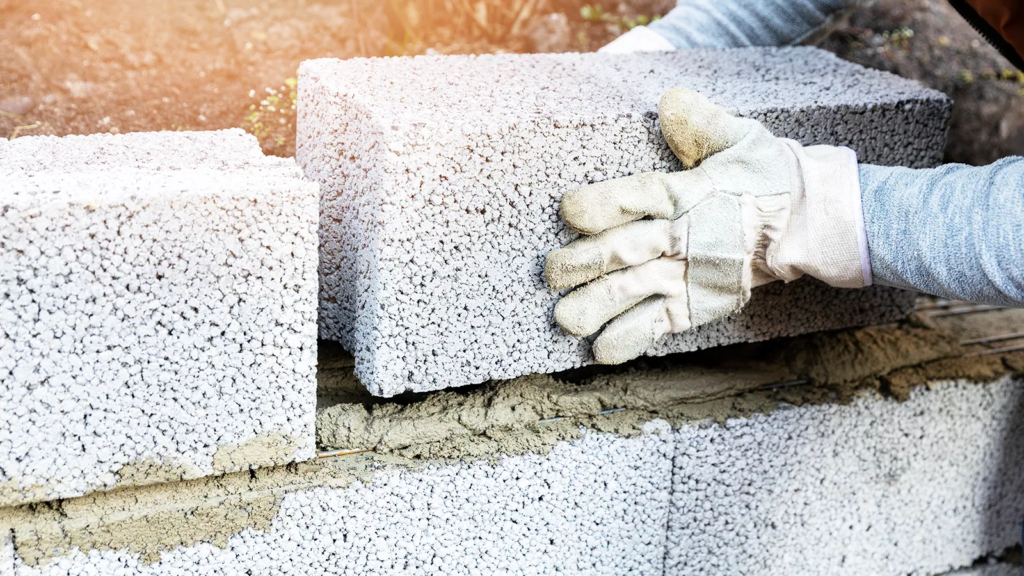
Lightweight Aggregate Concrete Lacking Viscosity?
Lightweight aggregate concrete segregation, aggregate floating, pump blockages? The root cause is insufficient viscosity. This article details four practical methods — viscosity modifier dosage (0.02%–0.03%), aggregate pre-wetting, mix optimization, and specialized admixtures — to solve workability problems once and for all… Continue reading
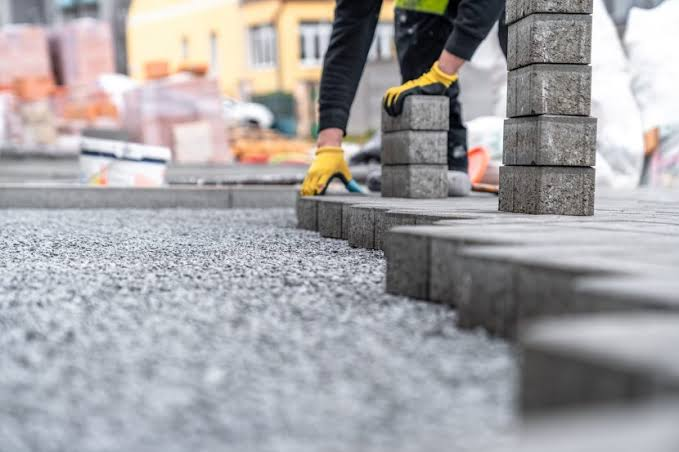
How Does Air-Entraining Agent Affect Concrete Strength?
Each 1% air content reduces concrete strength by 4%–6%. How to balance? This short article gives three practical methods: measure air content, lower w/c, and choose a stable-foam AEA. Direct and actionable… Continue reading
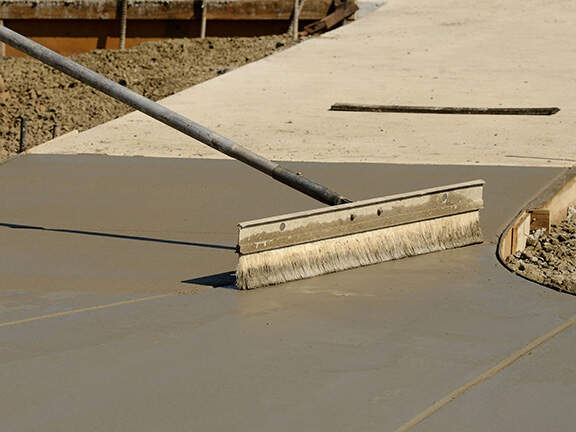
The Three Critical Windows for Concrete Curing
Same mix design, with and without proper curing – 28‑day strength can differ by a whole grade. This article explains hydration mechanisms, three critical curing windows, and practical steps to prevent strength loss and cracking… Continue reading
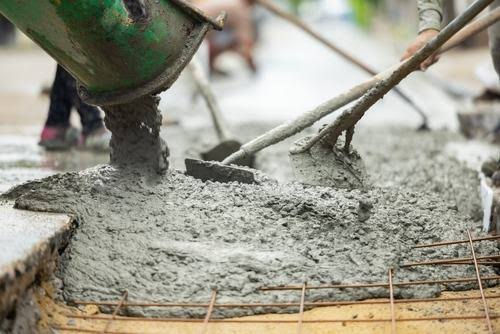
Which Admixtures Improve Concrete Durability?
Discover which concrete admixtures improve durability, including Polycarboxylate Superplasticizers, Air-Entraining Agents, Corrosion Inhibitors, Waterproofing Admixtures, and Concrete Fibers. Learn how to enhance strength, reduce permeability, and extend service life… Continue reading
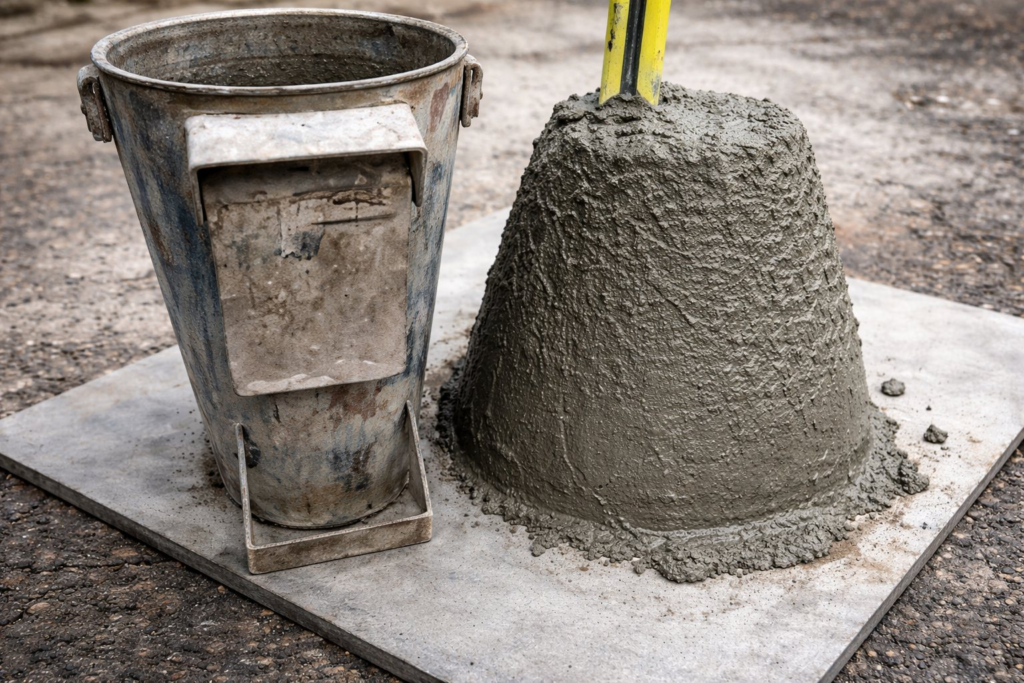
How to Maintain Slump Retention During Long-Distance Transportation
Learn how to maintain concrete slump retention during long-distance transportation by optimizing mix design, selecting the right admixtures, and improving production practices… Continue reading
Why Does Concrete Bleeding Occur?
Learn why concrete bleeding occurs, what causes excessive bleeding, and how to reduce it using proper mix design, Polycarboxylate Superplasticizers (PCE), and Viscosity Modifying Agents (VMA)… Continue reading
