
Why Does Concrete Still Have Surface Bugholes After Adding Defoamer?
A concrete defoamer is added to reduce unwanted air and improve surface appearance.
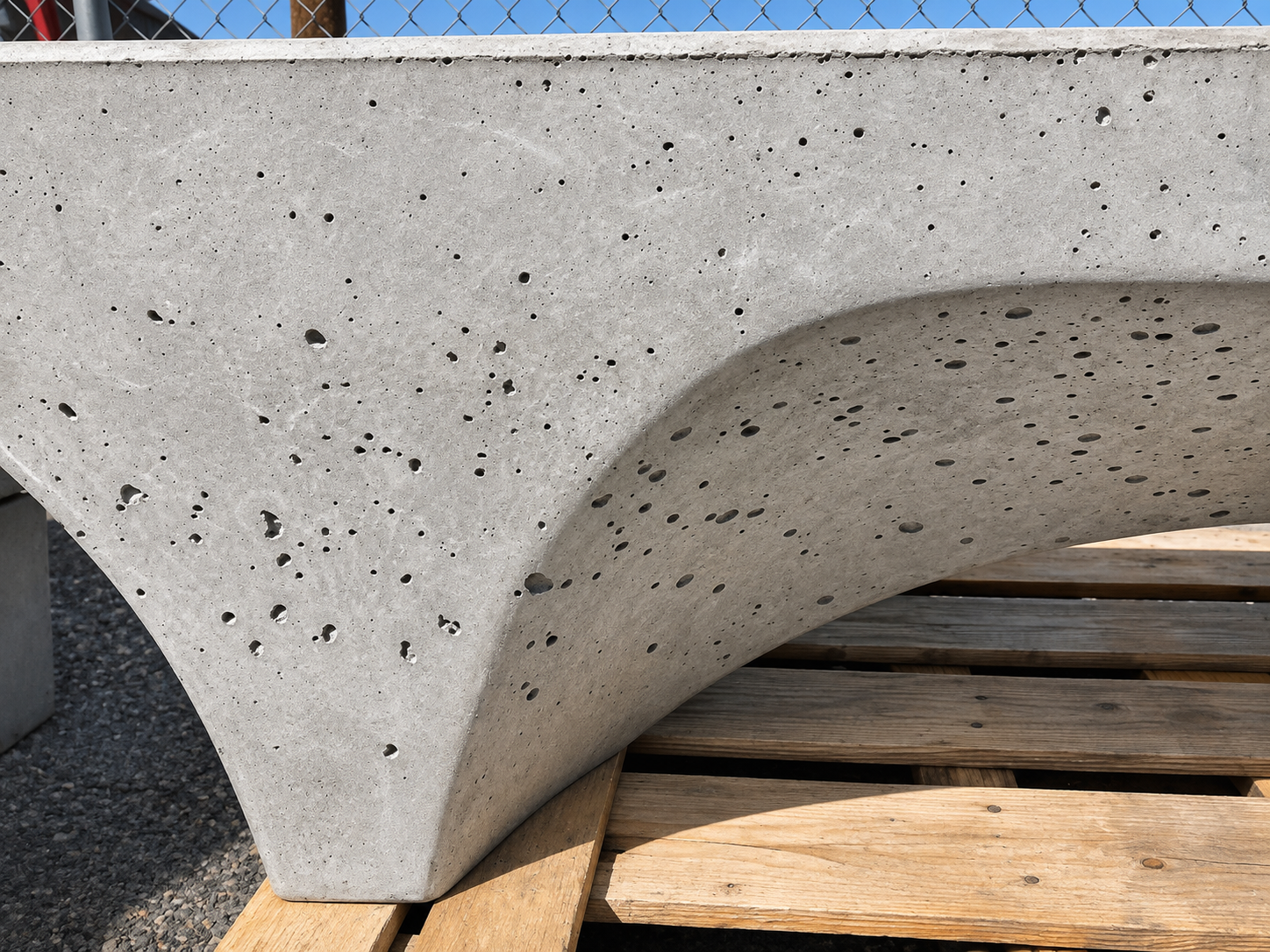
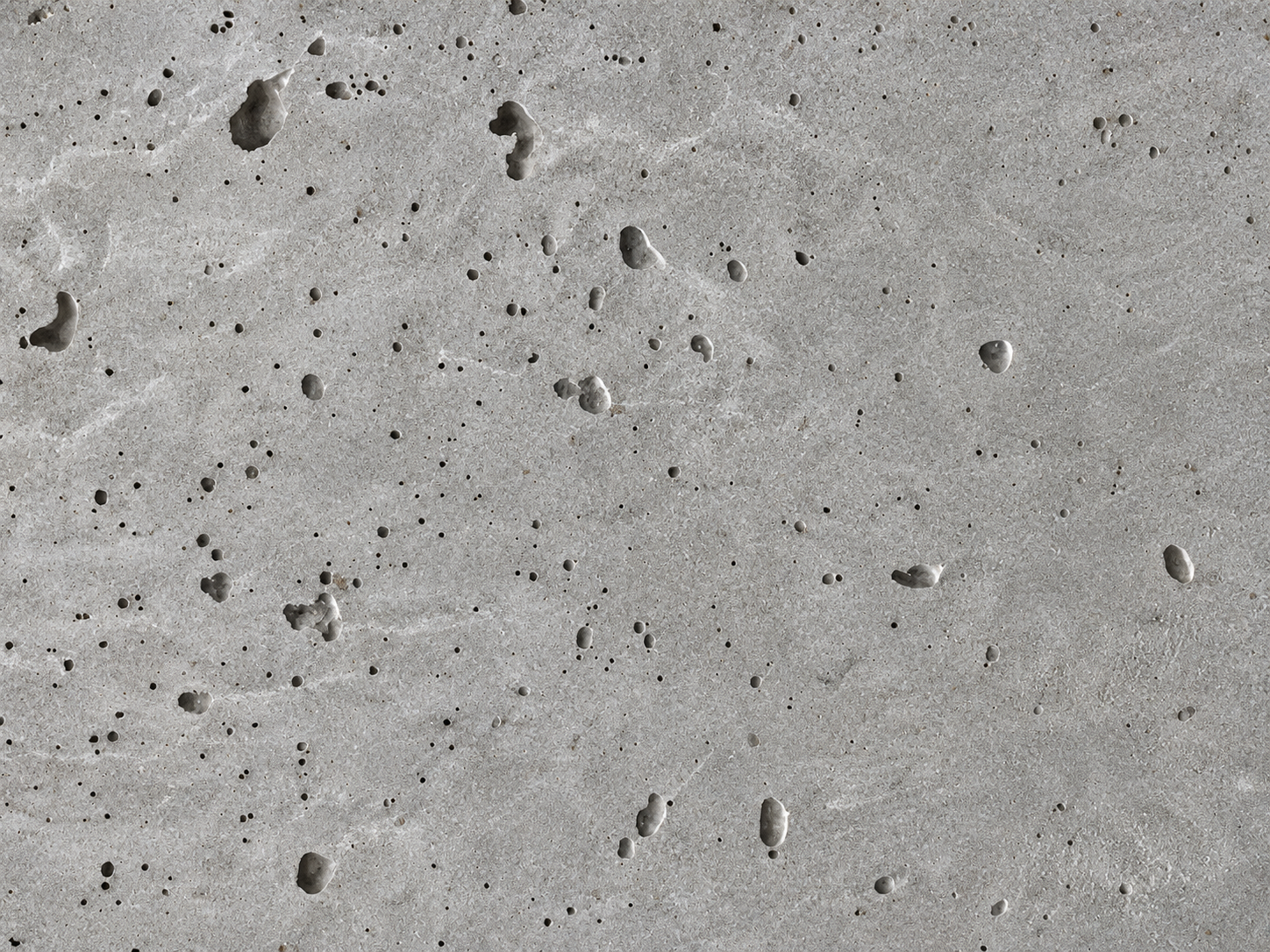
But after demolding, many small holes are still visible on the concrete surface.
Does this mean the defoamer is ineffective?
Not necessarily.
Concrete surface bugholes can result from several factors. A defoamer may reduce unwanted bubbles inside the mix, but it cannot correct poor consolidation, unsuitable formwork, excessive release agent, or an unstable mix design.
1. Check Vibration and Consolidation
One of the first factors to check is concrete consolidation.
If entrapped air cannot escape during placement, bubbles may remain against the form surface and become visible after demolding.
Common problems include:
- insufficient vibration;
- vibration time that varies between operators;
- placing concrete in layers that are too thick;
- poor access around reinforcement;
- inconsistent placing speed.
ACI guidance identifies vibration and consolidation as major factors affecting surface air voids in formed concrete.
However, excessive vibration is also undesirable because it may contribute to segregation in poorly proportioned or highly fluid concrete.
The goal is consistent consolidation—not simply longer vibration.
2. Check the Formwork Surface
Sometimes the concrete mix is acceptable, but air becomes trapped against the form.
Possible causes include:
- rough or damaged formwork;
- uneven form surface;
- poor cleaning;
- formwork that does not allow air to move easily.
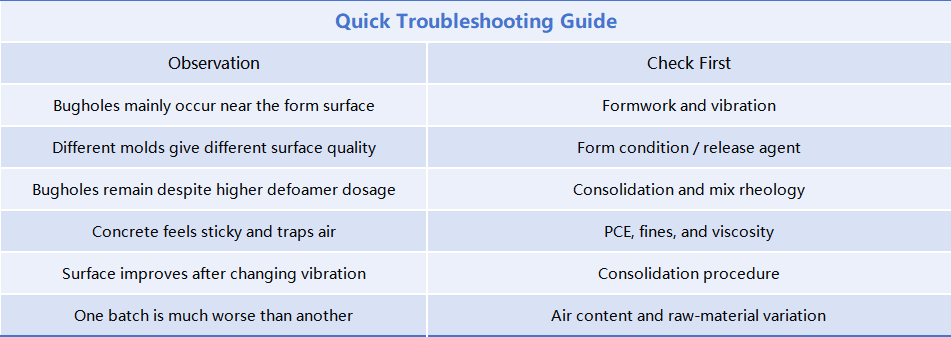
If the same concrete produces a smooth surface in one mold but many bugholes in another, investigate the formwork before changing the admixture dosage.
3. Do Not Overuse Release Agent
A surface improving admixture or release agent can help produce a better formed-concrete surface, but application must be controlled.
Too much release agent may accumulate in local areas and contribute to surface irregularities.
Apply a thin, uniform layer rather than leaving visible pools.
ACI also notes that surface defects may sometimes be incorrectly blamed on vibration when the actual cause is poorly prepared formwork or unsuitable form-release-agent use.
4. Check the Concrete Mix
 The complete mix design influences how easily air can escape.
Important factors include:
- slump or flow;
- paste volume;
- sand content;
- fine-particle content;
- PCE dosage;
- viscosity;
- total air content.
A very sticky concrete may hold bubbles even when the initial air content is not especially high.
Similarly, excessive fluidity can create segregation and an unstable surface.
Therefore, evaluate the polycarboxylate superplasticizer and defoamer together rather than adjusting the defoamer alone.
5. More Defoamer Is Not Always Better
SidleyChem concrete defoamers are designed to control unwanted air and improve the surface finish of flowing, self-compacting, and precast concrete.
But increasing dosage continuously is not the correct troubleshooting method.
Too much defoamer may change:
- total air content;
- workability;
- admixture balance;
- freeze-thaw air system where intentional air entrainment is required.
Instead, compare several controlled dosage levels.
Conclusion
Concrete surface bugholes are not always a defoamer problem.
The real cause may involve:
- entrapped air;
- poor vibration;
- unsuitable formwork;
- excessive release agent;
- sticky concrete rheology;
- unbalanced PCE and defoamer dosage.
For high-quality precast or architectural concrete, the best approach is to evaluate the mix design, formwork, release agent, consolidation, and defoamer together.
The target is not simply less air in the mixer—it is a smooth, consistent concrete surface after demolding.




Concrete & Beton Tech+
Why Does Concrete Air Content Drop After Pumping?
Concrete air content drops after pumping? Learn how pressure, mix design, AEA stability, and testing point affect fresh concrete… Continue reading
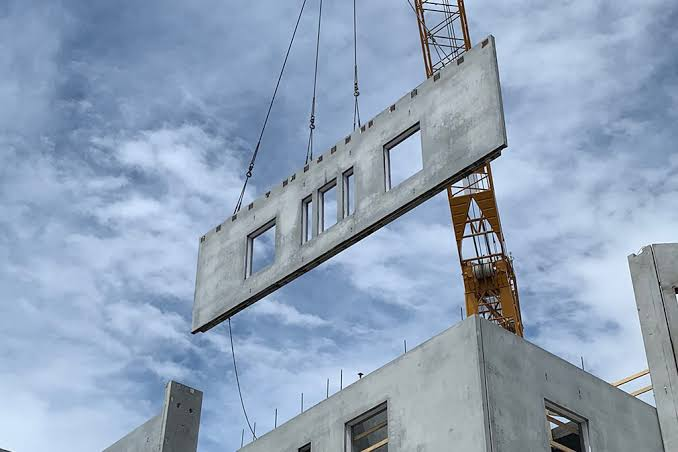
Low Demolding Strength in Precast Concrete: Causes & Fixes
Precast concrete demolding strength too low? Learn how curing, temperature, cement, water ratio, and admixtures affect early strength… Continue reading
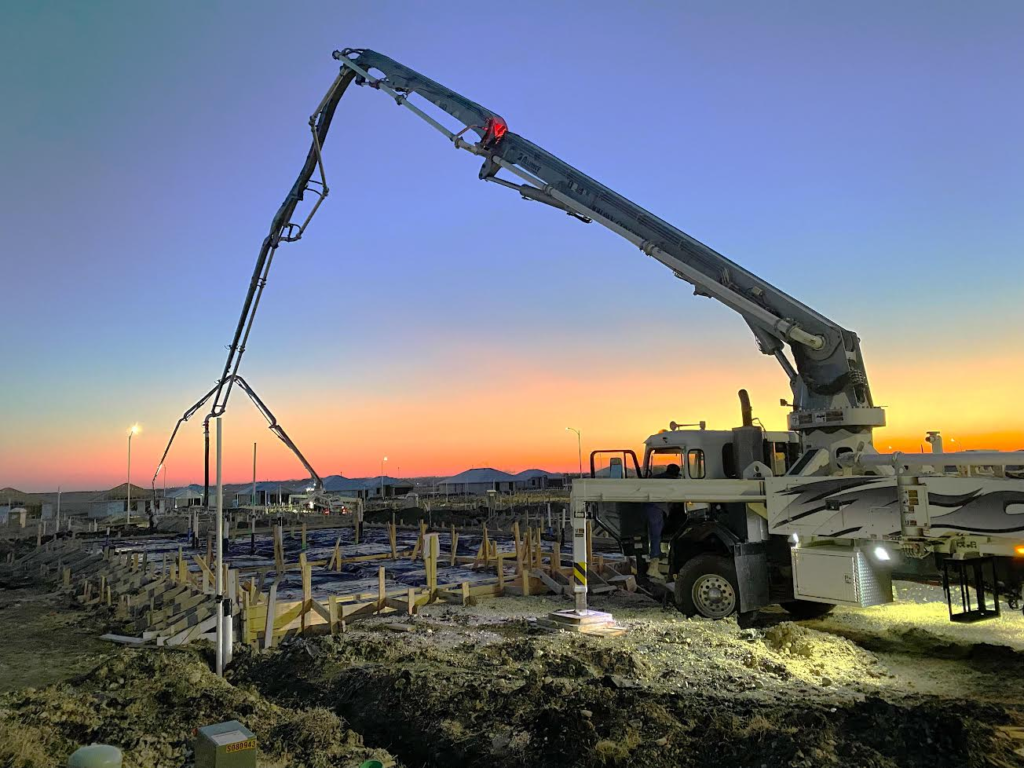
Sticky Concrete with Normal Slump: Causes & Solutions
Concrete can have normal slump but still feel sticky and difficult to pump. Learn how fines, PCE, VMA, aggregate grading, and rheology affect pumpability… Continue reading
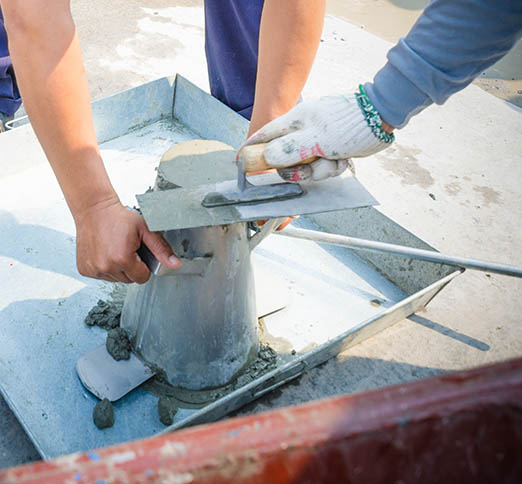
PCE Cement Compatibility: Why Performance Changes
PCE performance can change after switching cement. Learn why water reduction, slump retention, and setting behavior change and how to identify the cause… Continue reading
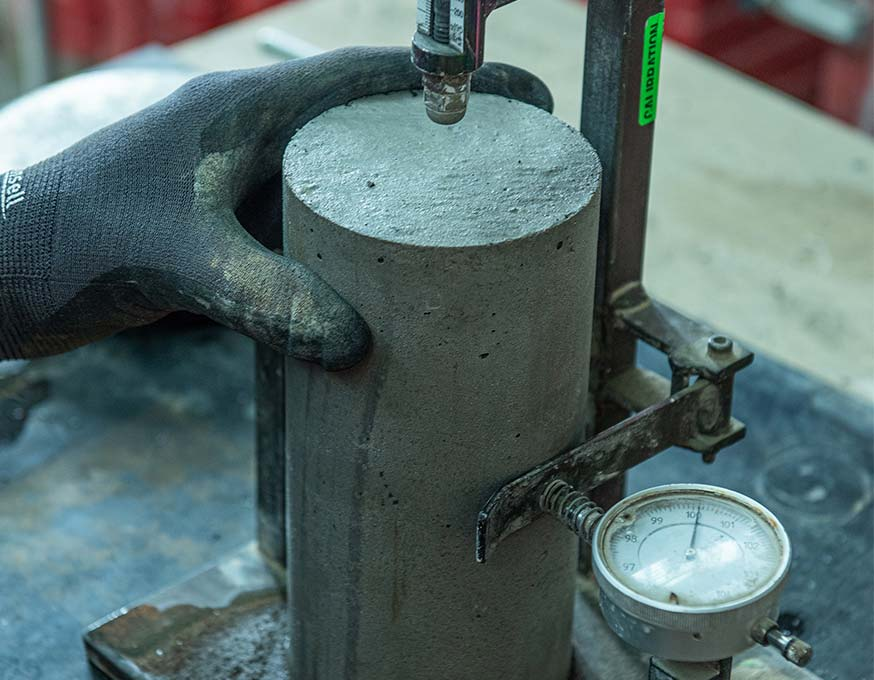
Why Does Concrete Strength Vary Between Batches?
Learn why concrete strength varies between batches and how to improve consistency through proper water control, raw materials, admixture dosing, mixing, and curing… Continue reading
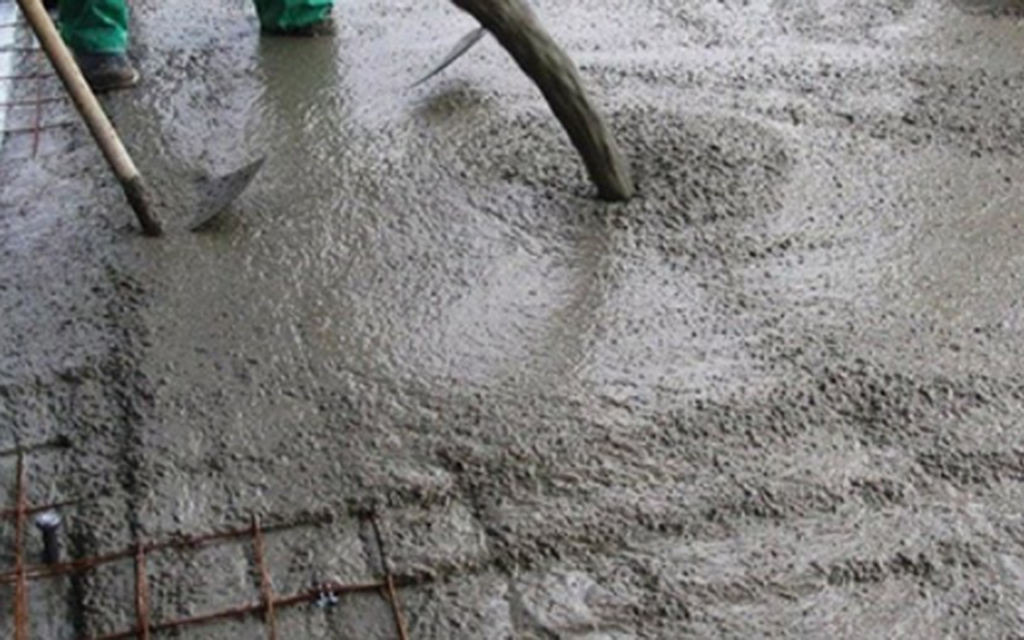
The Role of Expanding Agents in Compensating Shrinkage of Mass Concrete Foundations
Cracking after mass concrete foundation pouring? Thermal shrinkage, drying shrinkage, and autogenous shrinkage combined are the culprits. … Continue reading
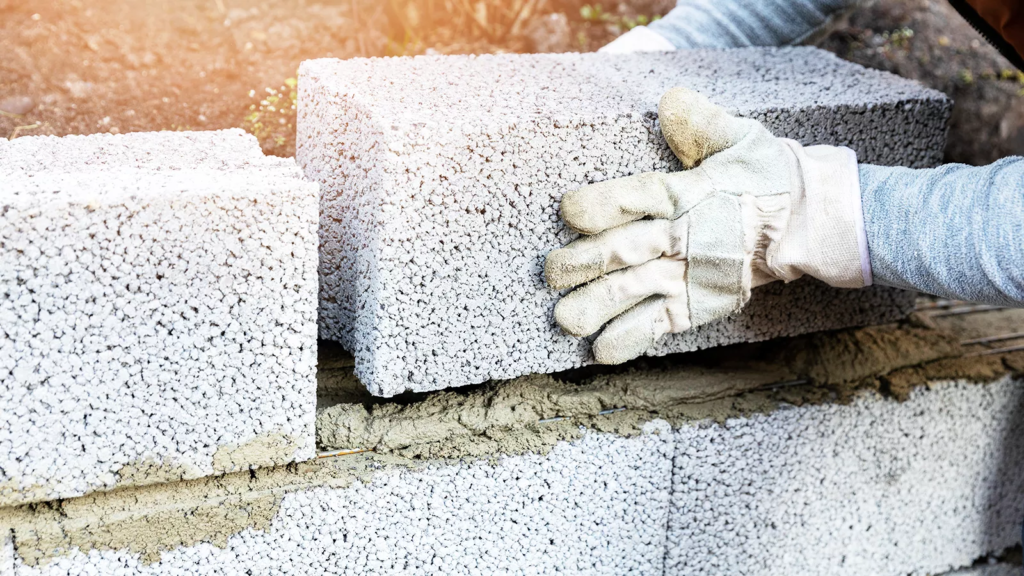
Lightweight Aggregate Concrete Lacking Viscosity?
Lightweight aggregate concrete segregation, aggregate floating, pump blockages? The root cause is insufficient viscosity. This article details four practical methods — viscosity modifier dosage (0.02%–0.03%), aggregate pre-wetting, mix optimization, and specialized admixtures — to solve workability problems once and for all… Continue reading
How Does Air-Entraining Agent Affect Concrete Strength?
Each 1% air content reduces concrete strength by 4%–6%. How to balance? This short article gives three practical methods: measure air content, lower w/c, and choose a stable-foam AEA. Direct and actionable… Continue reading
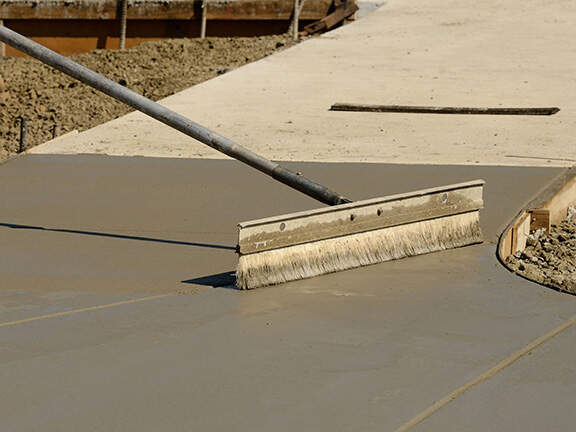
The Three Critical Windows for Concrete Curing
Same mix design, with and without proper curing – 28‑day strength can differ by a whole grade. This article explains hydration mechanisms, three critical curing windows, and practical steps to prevent strength loss and cracking… Continue reading
Which Admixtures Improve Concrete Durability?
Discover which concrete admixtures improve durability, including Polycarboxylate Superplasticizers, Air-Entraining Agents, Corrosion Inhibitors, Waterproofing Admixtures, and Concrete Fibers. Learn how to enhance strength, reduce permeability, and extend service life… Continue reading
