
PCE Cement Compatibility: Why Performance Changes
A concrete producer changes to a new cement supplier but keeps the same mix design and the same polycarboxylate superplasticizer dosage.
Suddenly, the concrete behaves differently.
The initial slump may become lower, slump loss may become faster, or significantly more PCE may be required to reach the same workability.
Does this mean the PCE has failed?
Not necessarily.
In many cases, the real issue is PCE cement compatibility.
Different cements can interact very differently with the same polycarboxylate superplasticizer. Therefore, when cement changes, the existing admixture dosage should not automatically be expected to produce exactly the same result.
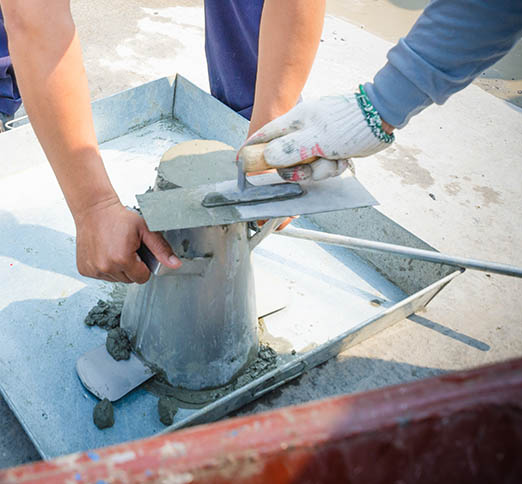
1. Why Can the Same PCE Behave Differently with Different Cements?
PCE works mainly by adsorbing onto cement particles and improving particle dispersion. This reduces the amount of water required to obtain the desired concrete workability.
However, cement is not a chemically identical material from one plant or batch to another.
Changes may occur in:
- cement mineral composition;
- sulfate content and sulfate form;
- cement fineness;
- alkali content;
- supplementary cementitious materials;
- early hydration behavior.
These differences can change how quickly the PCE is consumed or adsorbed in the cement system.
As a result, a PCE superplasticizer that works well with Cement A may show lower water reduction or poorer slump retention with Cement B.
Research published through the American Concrete Institute (ACI) has also reported that some cement-PCE combinations may require unusually high PCE dosages or show poor compatibility.
2. Common Signs of PCE-Cement Incompatibility
When cement changes, pay attention to more than initial slump.
Typical warning signs include:
Higher PCE Demand
The previous dosage no longer produces the required fluidity.
For example, increasing the dosage improves flow, but the amount required is clearly higher than with the previous cement.
Rapid Slump Loss
The concrete may have acceptable initial workability but lose slump rapidly within 30–60 minutes.
This is especially important for ready-mixed concrete with long transportation times.
Abnormal Setting Behavior
The concrete may begin to set much faster or slower than expected.
If the dosage is increased simply to recover slump, the setting behavior may change further.
Bleeding or Segregation
Increasing the PCE dosage without checking compatibility may produce excessive fluidity while reducing mixture stability.
The result may be bleeding, segregation, or an unstable concrete surface.
Therefore, changing only the PCE dosage is not always the best first step.
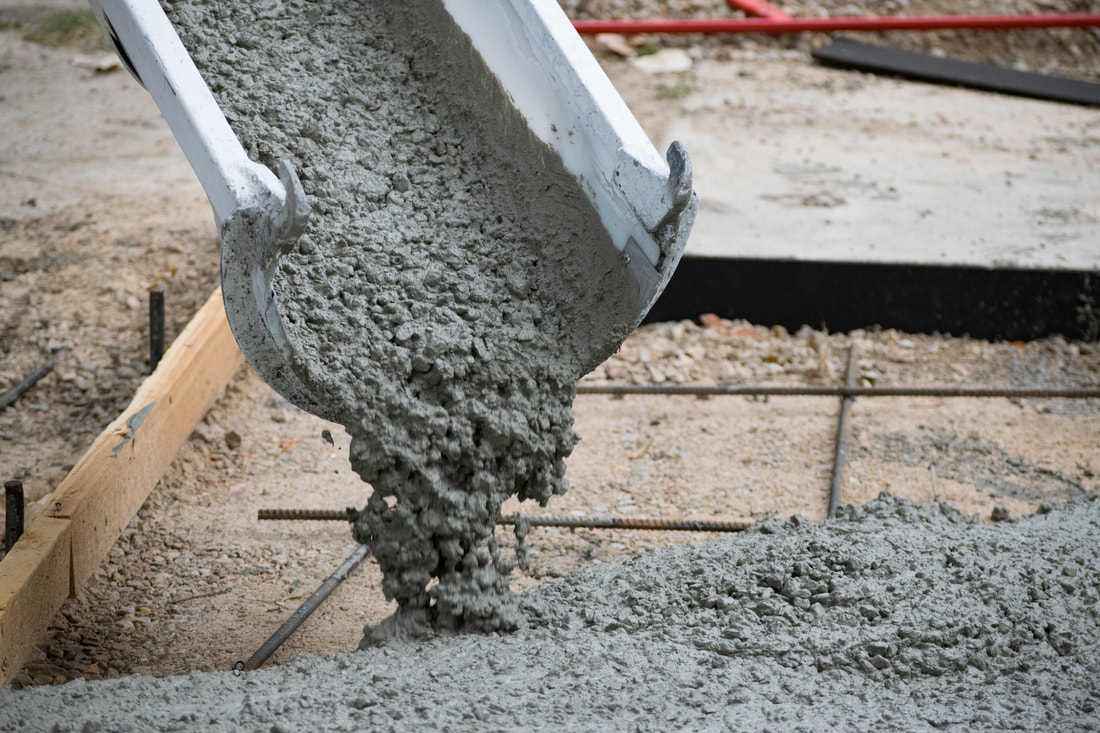
3. What Should You Check First?
When concrete performance changes immediately after switching cement, do not modify several ingredients at the same time.
Start with a simple comparison.
Prepare four controlled trials:
| Trial | Cement | PCE |
|---|---|---|
| A | Old cement | Current PCE |
| B | New cement | Current PCE |
| C | Old cement | Alternative PCE or adjusted formulation |
| D | New cement | Alternative PCE or adjusted formulation |
Keep the following conditions unchanged:
- water-to-binder ratio;
- aggregate grading;
- mixing procedure;
- concrete temperature;
- supplementary cementitious materials;
- batch size.
Then compare:
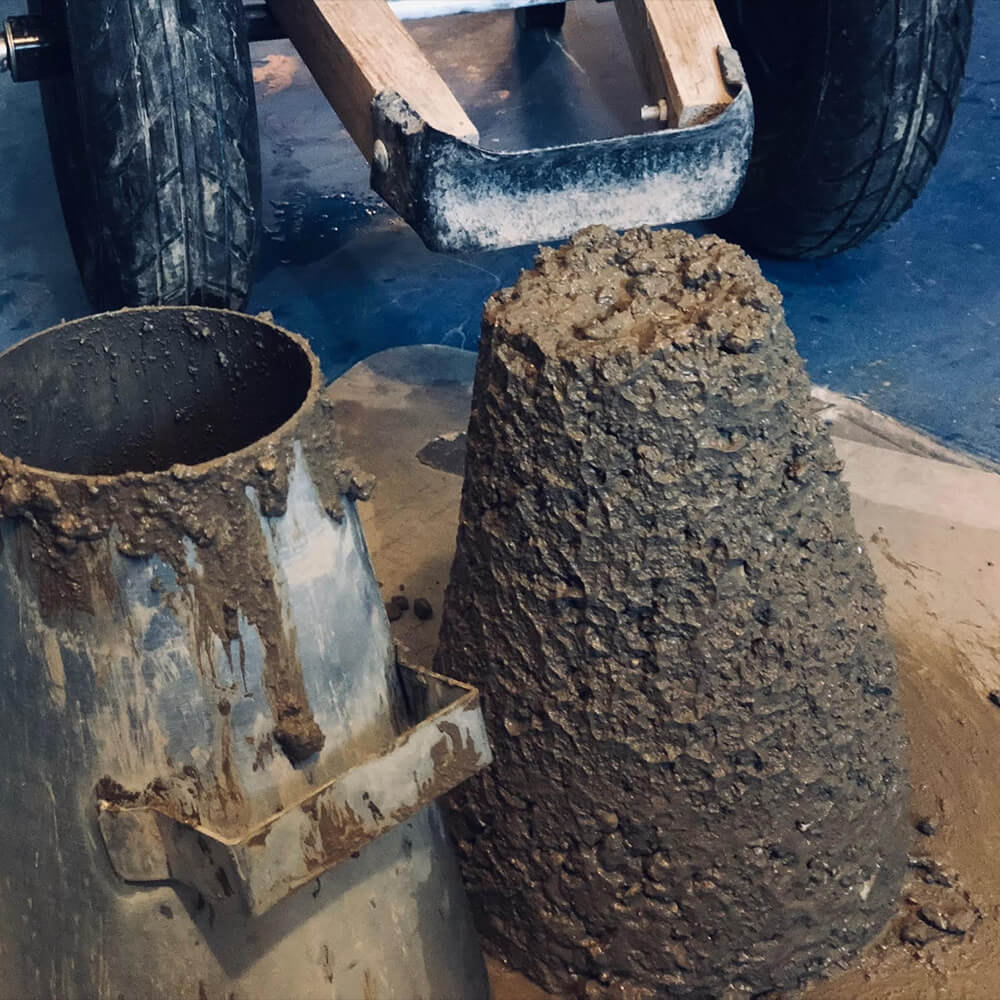
- initial slump or flow;
- slump after 30 minutes;
- slump after 60 minutes;
- air content;
- setting time;
- bleeding and segregation;
- compressive strength.
This type of comparison helps determine whether the performance change is really related to the cement-PCE interaction.
It also recommends testing chemical admixtures with the actual cementitious materials and mixture conditions proposed for the project whenever practical, because admixture performance may vary with the properties and proportions of other concrete ingredients.
4. Why Increasing PCE Dosage May Not Solve the Problem
When the new cement shows lower fluidity, the simplest reaction is often:
“Add more PCE.”
Sometimes this works, but sometimes it creates another problem.
Too much PCE may lead to:
- excessive retardation;
- segregation;
- bleeding;
- excessive air variation;
- unstable workability;
- unnecessary admixture cost.
The better approach is to determine whether the problem is mainly:
- insufficient initial dispersion;
- poor slump retention;
- rapid cement hydration;
- excessive PCE demand;
- incompatibility with another admixture.
Different problems may require different PCE structures or different admixture combinations.
For example, a high water-reducing PCE and a slump-retaining PCE are designed for different performance priorities.
5. Initial Slump Is Not Enough
One of the most common mistakes in PCE selection is comparing only initial fluidity.
Suppose two PCE samples both produce a 220 mm initial slump.
After 60 minutes:
- Sample A remains at 200 mm;
- Sample B falls to 140 mm.
If the concrete must travel for one hour before placement, these two products clearly do not provide the same practical performance.
For ready-mixed concrete, the more useful evaluation is:
initial workability + slump retention + setting behavior + concrete stability
rather than initial slump alone.
This is also why concrete slump loss should be evaluated together with cement compatibility instead of being treated as an isolated problem.
Conclusion
When a PCE suddenly performs poorly after changing cement, the admixture itself may not be defective.
The problem may come from the interaction between the new cement and the polycarboxylate superplasticizer.
Changes in cement composition, fineness, sulfate balance, and hydration behavior can influence PCE demand, initial fluidity, slump retention, and setting.
The most reliable solution is therefore not to increase the dosage blindly.
Instead:
- compare the old and new cement under the same conditions;
- measure both initial and retained slump;
- test different PCE dosage levels;
- evaluate alternative PCE types if necessary;
- confirm setting and hardened concrete performance.
For concrete producers, testing the actual cement and admixture combination before large-scale production is one of the simplest ways to reduce unexpected workability problems.




Concrete & Beton Tech+
Sticky Concrete with Normal Slump: Causes & Solutions
Concrete can have normal slump but still feel sticky and difficult to pump. Learn how fines, PCE, VMA, aggregate grading, and rheology affect pumpability… Continue reading
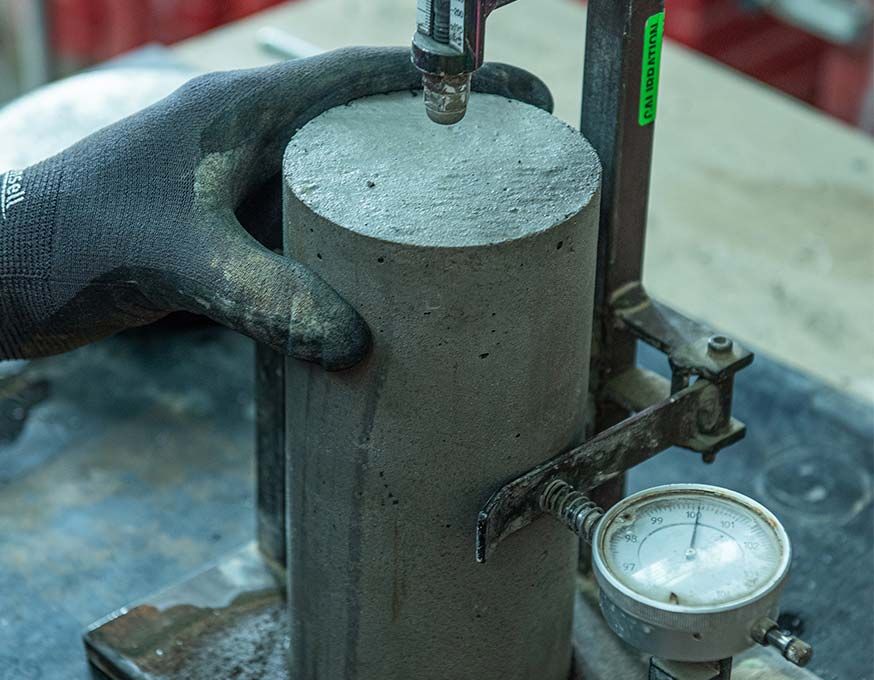
Why Does Concrete Strength Vary Between Batches?
Learn why concrete strength varies between batches and how to improve consistency through proper water control, raw materials, admixture dosing, mixing, and curing… Continue reading
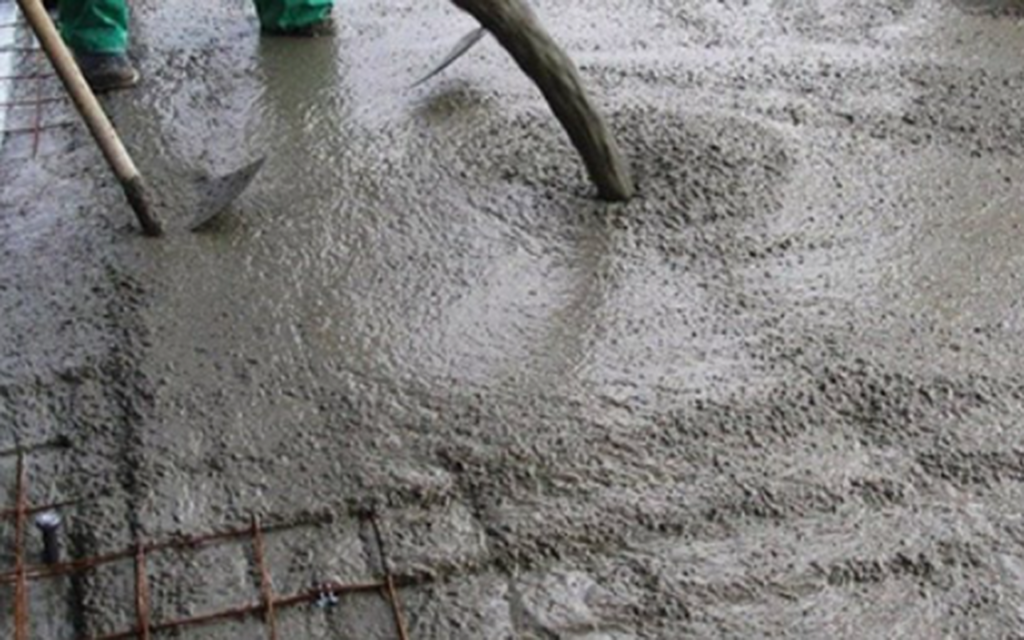
The Role of Expanding Agents in Compensating Shrinkage of Mass Concrete Foundations
Cracking after mass concrete foundation pouring? Thermal shrinkage, drying shrinkage, and autogenous shrinkage combined are the culprits. … Continue reading

Lightweight Aggregate Concrete Lacking Viscosity?
Lightweight aggregate concrete segregation, aggregate floating, pump blockages? The root cause is insufficient viscosity. This article details four practical methods — viscosity modifier dosage (0.02%–0.03%), aggregate pre-wetting, mix optimization, and specialized admixtures — to solve workability problems once and for all… Continue reading
How Does Air-Entraining Agent Affect Concrete Strength?
Each 1% air content reduces concrete strength by 4%–6%. How to balance? This short article gives three practical methods: measure air content, lower w/c, and choose a stable-foam AEA. Direct and actionable… Continue reading
The Three Critical Windows for Concrete Curing
Same mix design, with and without proper curing – 28‑day strength can differ by a whole grade. This article explains hydration mechanisms, three critical curing windows, and practical steps to prevent strength loss and cracking… Continue reading
Which Admixtures Improve Concrete Durability?
Discover which concrete admixtures improve durability, including Polycarboxylate Superplasticizers, Air-Entraining Agents, Corrosion Inhibitors, Waterproofing Admixtures, and Concrete Fibers. Learn how to enhance strength, reduce permeability, and extend service life… Continue reading
How to Maintain Slump Retention During Long-Distance Transportation
Learn how to maintain concrete slump retention during long-distance transportation by optimizing mix design, selecting the right admixtures, and improving production practices… Continue reading
Why Does Concrete Bleeding Occur?
Learn why concrete bleeding occurs, what causes excessive bleeding, and how to reduce it using proper mix design, Polycarboxylate Superplasticizers (PCE), and Viscosity Modifying Agents (VMA)… Continue reading
Concrete Admixture Role
This article explains how concrete admixtures improve workability and durability: slump control, setting time adjustment, impermeability enhancement, and solutions for bleeding, segregation, and shrinkage cracks… Continue reading
