
Concrete surface defects
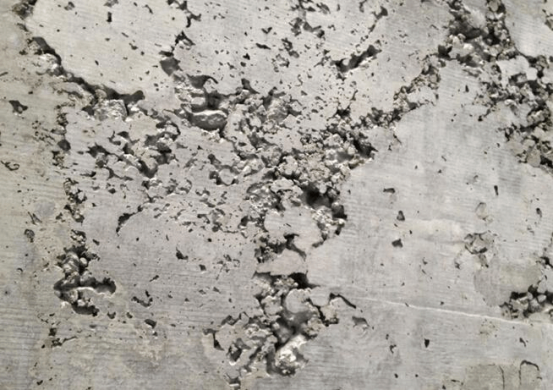
Since the widespread use of modern concrete, appearance defects such as bubbles, color differences, and pitting have been persistent issues, often termed an “incurable skin disease.” These problems consistently trouble industry professionals. Among them, surface bubbles not only affect aesthetics but also reduce structural density and durability.
I. Root Causes: Why Do Appearance Defects Occur in Concrete?
The formation of concrete appearance defects primarily stems from two levels:
1.Surface active agents in cement grinding aids, unreasonable aggregate gradation, and excessive water-cement ratio increase the potential for bubble formation. Simultaneously, issues during construction, such as insufficient or excessive vibration time, can lead to the entrapment or aggregation of bubbles.
2.Formwork release agents adsorbing bubbles and unstable slump (too low prone to segregation, too high making air release difficult) are also main causes of surface pitting.
II. Systematic Solutions: Full-Process Control from Raw Materials to Construction
- Raw Material Control
Cement: Select low-alkali cement without excessive grinding aids to minimize bubbles introduced by surfactants.
Aggregate: Optimize gradation, control sand ratio between 35% and 60%, and avoid using sand and aggregate with high clay content or a high flakiness index.
- Rational Mix Design and Production Quality Control
Keep the water-cement ratio ≤ 0.56. Appropriately increase cement content or use rheology modifiers to ensure concrete workability.
Excellent slump retention capability ensures construction slump is controlled between 120-180mm, balancing fluidity and air release requirements.
- Construction Process Optimization
Vibration: Use high-frequency vibrators for staged vibration, applying a “rapid insertion, slow withdrawal” technique. Maintain reasonable spacing to avoid over-vibration and missed spots.
Formwork: Treat formwork scientifically and apply a high-quality release agent evenly (avoid using waste oil).
III. Admixture Technology: Key Measures to Enhance Appearance Quality
The use of chemical admixtures to control concrete quality and improve appearance is increasingly being accepted and promoted. Here is a brief introduction to several types of admixture technical measures:
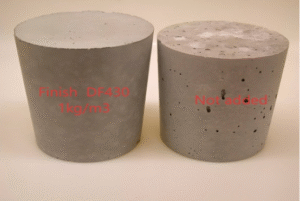 1.Use defoaming-type water reducers, which involves compounding defoamers into the admixture to eliminate unstable bubbles introduced by the water reducer itself.
2.Use high-quality air-entraining agents that produce stable, tiny air bubbles (<20μm), improving bubble uniformity and preventing the aggregation of large bubbles.
3.Use functional assistant viscosity modifying agents (VMAs) to improve paste cohesiveness and reduce bubble concentration caused by segregation during vibration.
4.Use water-based release agents instead of waste oil or oil-based agents to reduce bubble adsorption and enhance surface smoothness.
IV. SidleyChem Dedicated Product Solutions
To address concrete appearance quality issues, we offer the following specialized products: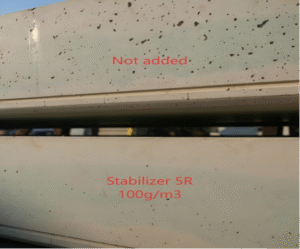
Surface Improving Admixtures: Finish DF430
Defoamer: DF330L
Air-Entraining Agent: AE180P, LWC50
Release Agent:RL99
Stabilizer: VMA, Stabilizer 5R




Concrete & Beton Tech+
Sticky Concrete with Normal Slump: Causes & Solutions
Concrete can have normal slump but still feel sticky and difficult to pump. Learn how fines, PCE, VMA, aggregate grading, and rheology affect pumpability… Continue reading
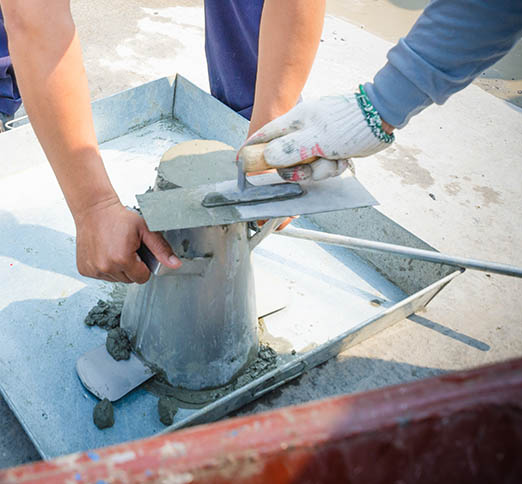
PCE Cement Compatibility: Why Performance Changes
PCE performance can change after switching cement. Learn why water reduction, slump retention, and setting behavior change and how to identify the cause… Continue reading
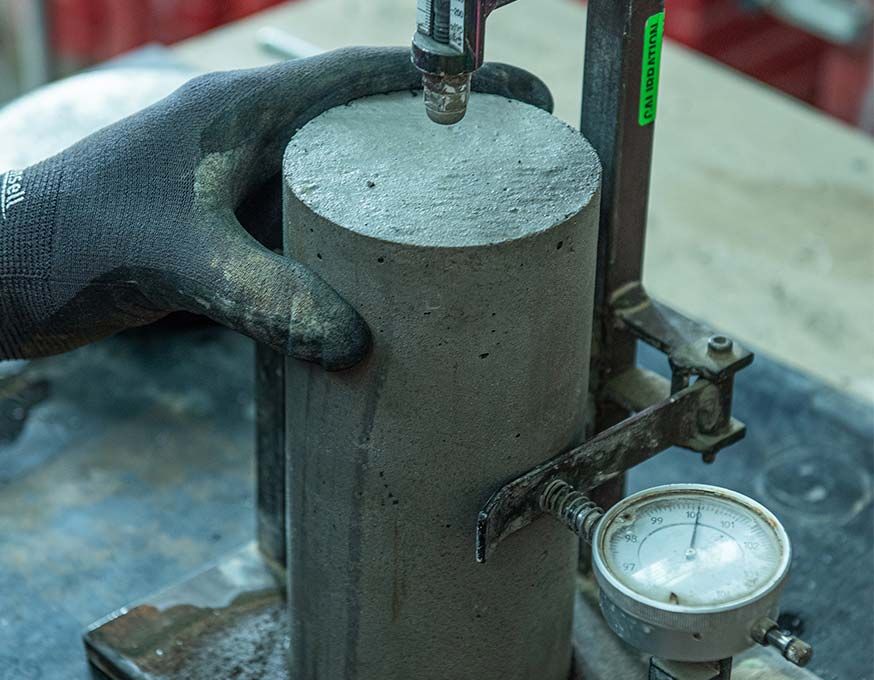
Why Does Concrete Strength Vary Between Batches?
Learn why concrete strength varies between batches and how to improve consistency through proper water control, raw materials, admixture dosing, mixing, and curing… Continue reading
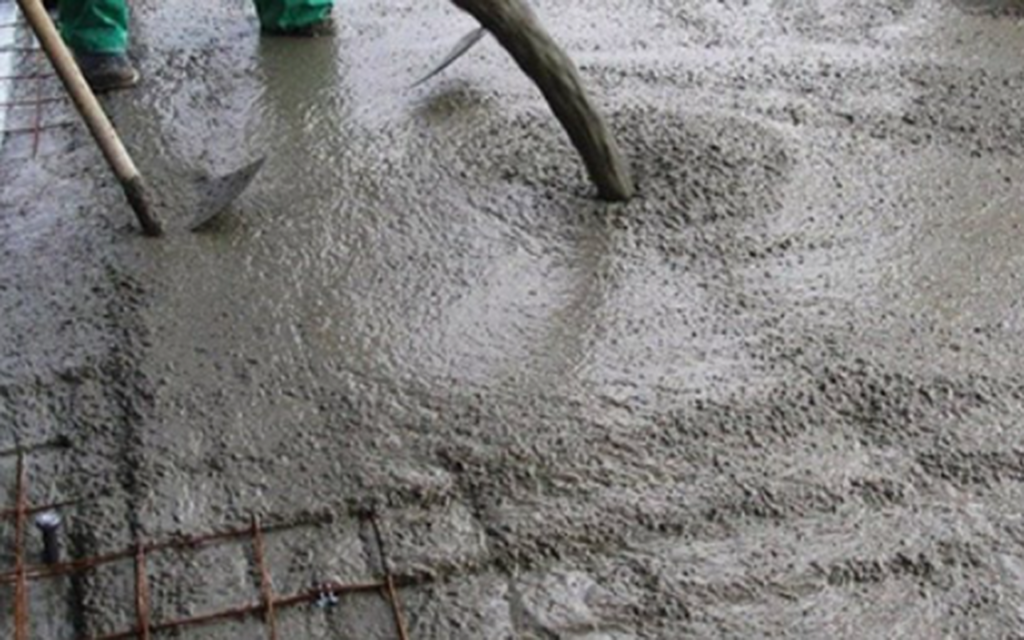
The Role of Expanding Agents in Compensating Shrinkage of Mass Concrete Foundations
Cracking after mass concrete foundation pouring? Thermal shrinkage, drying shrinkage, and autogenous shrinkage combined are the culprits. … Continue reading
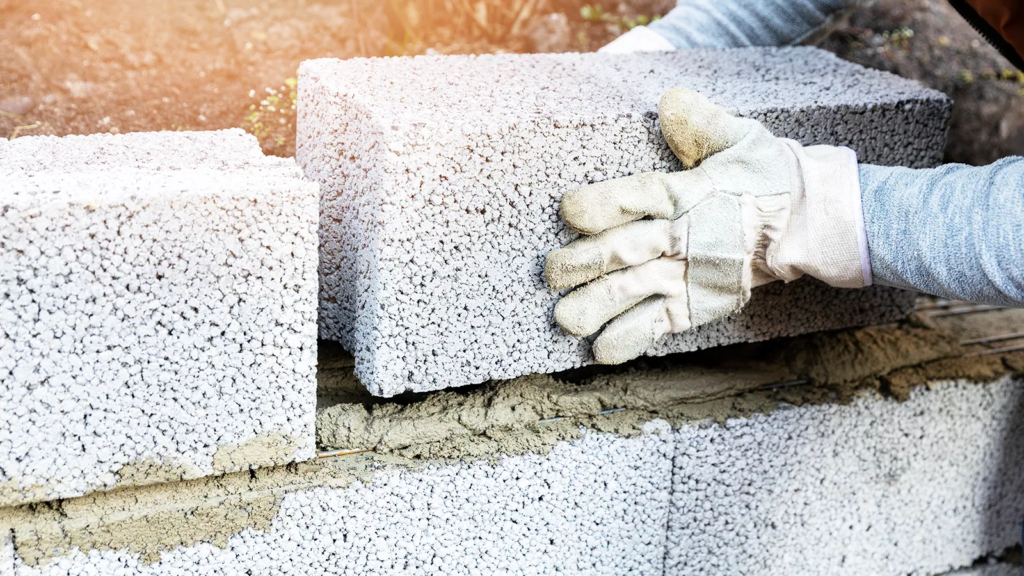
Lightweight Aggregate Concrete Lacking Viscosity?
Lightweight aggregate concrete segregation, aggregate floating, pump blockages? The root cause is insufficient viscosity. This article details four practical methods — viscosity modifier dosage (0.02%–0.03%), aggregate pre-wetting, mix optimization, and specialized admixtures — to solve workability problems once and for all… Continue reading
How Does Air-Entraining Agent Affect Concrete Strength?
Each 1% air content reduces concrete strength by 4%–6%. How to balance? This short article gives three practical methods: measure air content, lower w/c, and choose a stable-foam AEA. Direct and actionable… Continue reading
The Three Critical Windows for Concrete Curing
Same mix design, with and without proper curing – 28‑day strength can differ by a whole grade. This article explains hydration mechanisms, three critical curing windows, and practical steps to prevent strength loss and cracking… Continue reading
Which Admixtures Improve Concrete Durability?
Discover which concrete admixtures improve durability, including Polycarboxylate Superplasticizers, Air-Entraining Agents, Corrosion Inhibitors, Waterproofing Admixtures, and Concrete Fibers. Learn how to enhance strength, reduce permeability, and extend service life… Continue reading
How to Maintain Slump Retention During Long-Distance Transportation
Learn how to maintain concrete slump retention during long-distance transportation by optimizing mix design, selecting the right admixtures, and improving production practices… Continue reading
Why Does Concrete Bleeding Occur?
Learn why concrete bleeding occurs, what causes excessive bleeding, and how to reduce it using proper mix design, Polycarboxylate Superplasticizers (PCE), and Viscosity Modifying Agents (VMA)… Continue reading
