Detergent Application

Cellulose ethers are widely used in various products such as detergents and personal care items.

HPMC/CMC/HEC

01Hydroxypropyl MethylCellulose (HPMC)

The Hydroxypropyl Methylcellulose D Series is a specially customised, high-purity HPMC. Selected from premium raw materials and manufactured through bespoke production processes to meet the thickening and purity requirements of the cosmetics and personal care sector, it exhibits the following characteristics:

  • High molecular weight, concentrated and uniformly substituted, delivering exceptional thickening efficiency;
  • High purity with low ash content, offering outstanding transparency;
  • Uniform surface treatment and rational particle size distribution, ensuring rapid dispersion.

Download HPMC D Series

02Sodium CarboxymethylCellulose(CMC)

Sodium CarboxymethylCellulose is the most effective active additive for synthetic detergents, primarily functioning to prevent the redeposition of soiling. Firstly, it inhibits the deposition of inorganic salts from heavy metals; secondly, it suspends and disperses soiling particles released into the aqueous solution during washing, thereby preventing their redeposition onto fabrics.

Detergent Grade CMC Catalog

03Hydroxyethyl Cellulose (HEC)

Hydroxyethyl Cellulose (HEC) is non-ionic water-soluble polymer, it is effective in thickening, bonding, emulsifying, dispersing, stabilizing and water retention, forming film and providing protective colloid effect. It is very easily soluble not only in cold water, but also in hot water, and can provide solutions with wider range of viscosity.

Download Detergent Catalog
15000CMC Annual Capacity
12000HPMC Annual Capacity
6000HEC Annual Capacity
3000HPC Annual Capacity

Application of Cellulose Ether

How CMC Makes Ice Cream Creamier with Fewer Ice Crystals?

This article explains four key roles of Sodium Carboxymethyl Cellulose (CMC) in ice cream: preventing ice crystal growth, increasing viscosity, improving mouthfeel, and preventing fat separation, with SIDLEYCHEM food grade CMC solutions… Continue reading

How Polyanionic Cellulose (PAC) Improves Water-Based Drilling Fluids

Learn how Polyanionic Cellulose (PAC) improves water-based drilling fluids by controlling fluid loss, enhancing borehole stability, and optimizing drilling performance in oil and gas operations… Continue reading

Sodium Carboxymethyl Cellulose in Toothpaste

Discover why Sodium Carboxymethyl Cellulose (CMC) is widely used in toothpaste. Learn how CMC improves consistency, stability, spreadability, and overall oral care product performance… Continue reading

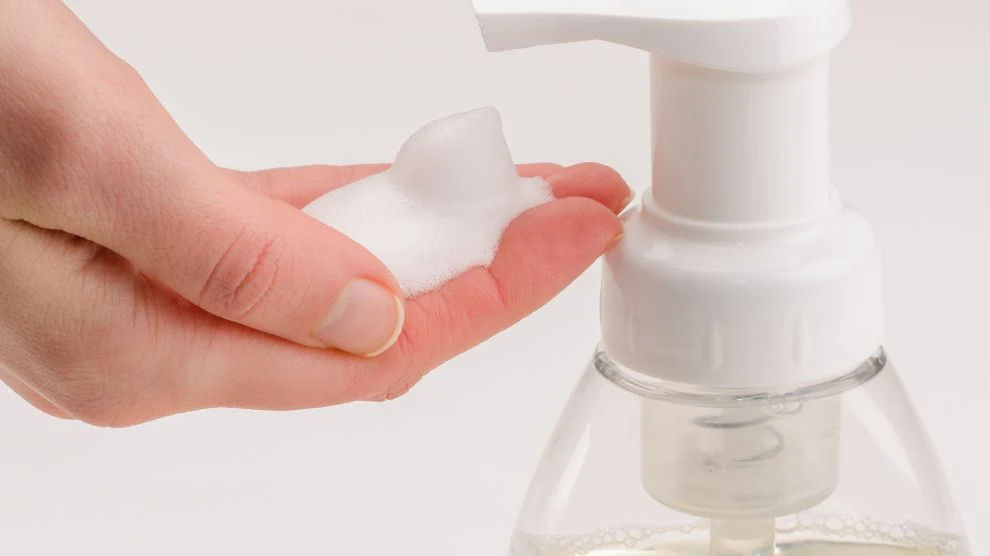
HEC in hand soap

Hydroxyethyl Cellulose (HEC) improves foam stability in hand soap by increasing viscosity, stabilizing foam structure, and enhancing texture, delivering a richer and longer-lasting washing experience… Continue reading

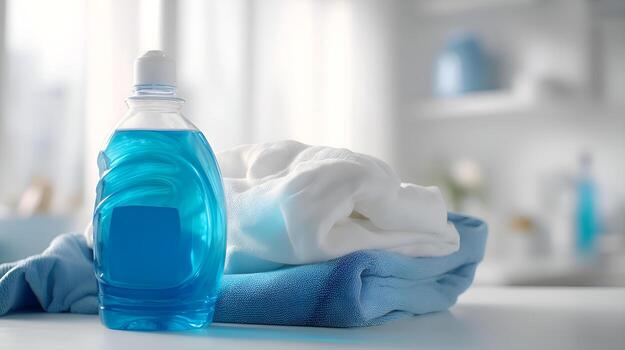
HEC for liquid detergent

Hydroxyethyl Cellulose (HEC) is widely used in liquid detergents due to its excellent thickening performance, surfactant compatibility, and stable rheology, improving product stability and user experience… Continue reading

Choosing the Right Cellulose Ether for Detergent Manufacturing

This guide provides a complete framework for selecting cellulose ethers in detergent manufacturing: comparing HEC vs. CMC performance, selection factors, and combination strategies, with SIDLEYCHEM customized product solutions… Continue reading

Oilfield Grade CMC Application

This article details the multifunctional applications of oilfield grade CMC in drilling, cementing, and fracturing fluids, including fluid loss reduction, viscosity enhancement, proppant transport, and guar gum replacement, with LVT/HVT and ultra-high viscosity specifications… Continue reading

PAC Drilling Fluid Application

This article details oilfield grade PAC applications in drilling fluid solids control, performance regulation, and system stabilization, with PAC-LV/HV specifications… Continue reading

Carboxymethyl Cellulose (CMC) in Toothpaste Industry

This article details key properties of Sodium Carboxymethyl Cellulose (CMC) in toothpaste: effects of viscosity, degree of substitution, substitution uniformity, and salt resistance on paste thickening, ribbon formation, and stability, with selection guidelines for toothpaste-grade … Continue reading

Sodium CMC Saline Alkali Land Remediation

This article details four core functions of Sodium Carboxymethyl Cellulose (CMC) in saline-alkali land remediation: water retention, soil aggregation, salt chelation, and slow-release nutrient enhancement, with an introduction to SIDLEYCHEM’s green CMC products… Continue reading