
How CMC Makes Ice Cream Creamier with Fewer Ice Crystals?
Nothing ruins a scoop of ice cream on a hot summer day quite like biting into an icy crunch. That rough, gritty texture destroys what should be a smooth, indulgent experience. Why are some ice creams silky and creamy while others are riddled with ice crystals? The answer often lies in a humble ingredient on the label — Sodium Carboxymethyl Cellulose (CMC) .

1. What Is CMC?
Sodium Carboxymethyl Cellulose (CMC) is a food additive derived from natural cellulose. It appears as a white or off-white powder, almost odorless and tasteless. Widely used as a thickener, stabilizer, and emulsifier, it’s often called the “invisible skeleton” of the food industry. You’ll find it in ice cream, yogurt, beverages, jams, and more.
2. Four Key Roles of CMC in Ice Cream
2.1 Prevents Ice Crystal Growth – No More Icy Grit
During the freezing process, water molecules gradually aggregate into ice crystals. Without effective control, these crystals grow larger, eventually becoming the gritty ice particles we dislike. CMC adsorbs onto the surface of ice crystals, preventing water molecules from continuing to arrange and grow on the crystal surface, keeping crystals small and uniform. The result is a fine, smooth texture with no rough icy bits.
2.2 Increases Viscosity – Stabilizes Product Structure
CMC is an effective thickener that significantly increases the viscosity of ice cream mix. Higher viscosity slows down moisture migration within the product, reducing texture changes caused by evaporation and recrystallization. This also means the ice cream is less likely to melt and deform during storage and transport.
2.3 Improves Mouthfeel and Flavor Release
CMC makes the ice cream structure more refined and uniform. When eaten, the ice cream melts more smoothly in the mouth, fully contacting taste buds and more effectively releasing creamy and other flavors. CMC also gives ice cream a rich, velvety mouthfeel, making every bite more satisfying.
2.4 Prevents Fat Separation and Protein Precipitation
Ice cream is a complex multi-phase system — fat, protein, water, and air bubbles all coexist. CMC interacts with fat particles and protein molecules to form a stable network structure, evenly dispersing all components throughout the system. This prevents fat from floating to the surface and protein from precipitating and clumping, ensuring consistent texture from the first spoonful to the last.

3. Recommended CMC Dosage
The recommended dosage of CMC in ice cream is generally 0.1% – 0.5% . Different studies suggest slightly different optimal levels — some recommend 0.1%, while others suggest around 0.5% works best. The exact amount depends on the specific formulation and production process.
4. Key Benefits of Using CMC
-
Better texture: Creamy and smooth, with no icy grit
-
Improved melt resistance: Doesn’t melt too quickly
-
Attractive appearance: Holds its shape well
-
Longer-lasting flavor: Even release of flavors, rich and creamy
-
Better cost control: May reduce the amount of solid ingredients needed
5. About SIDLEYCHEM Food Grade CMC
SIDLEYCHEM supplies high-quality food grade Sodium Carboxymethyl Cellulose (CMC) products with high degree of substitution, excellent solubility, and stable thickening performance, suitable for ice cream, yogurt, beverages, sauces, and various food systems. We offer customized viscosity grades and technical support based on customer formulation needs, helping create higher-quality food experiences.
Summary
SIDLEYCHEM supplies high-quality food grade Sodium Carboxymethyl Cellulose (CMC) products with high degree of substitution, excellent solubility, and stable thickening performance, suitable for ice cream, yogurt, beverages, sauces, and various food systems. We offer customized viscosity grades and technical support based on customer formulation needs, helping create higher-quality food experiences.
Cellulose Ether Tech+

Why Microcrystalline Cellulose Is Widely Used in Tablet Manufacturing?
Learn why Microcrystalline Cellulose (MCC) is widely used in tablet manufacturing and how its compressibility and binding properties support direct compression… Continue reading

How Does Cellulose Ether Improve Makeup Longevity?
Makeup not lasting long enough? Cellulose ether is a natural-derived film-forming solution. How to choose between EC, HEC, and HPMC? This article breaks down their applications in lip gloss, foundation, and setting spray… Continue reading

How Polyanionic Cellulose (PAC) Improves Water-Based Drilling Fluids
Learn how Polyanionic Cellulose (PAC) improves water-based drilling fluids by controlling fluid loss, enhancing borehole stability, and optimizing drilling performance in oil and gas operations… Continue reading

Sodium Carboxymethyl Cellulose in Toothpaste
Discover why Sodium Carboxymethyl Cellulose (CMC) is widely used in toothpaste. Learn how CMC improves consistency, stability, spreadability, and overall oral care product performance… Continue reading
HEC in hand soap
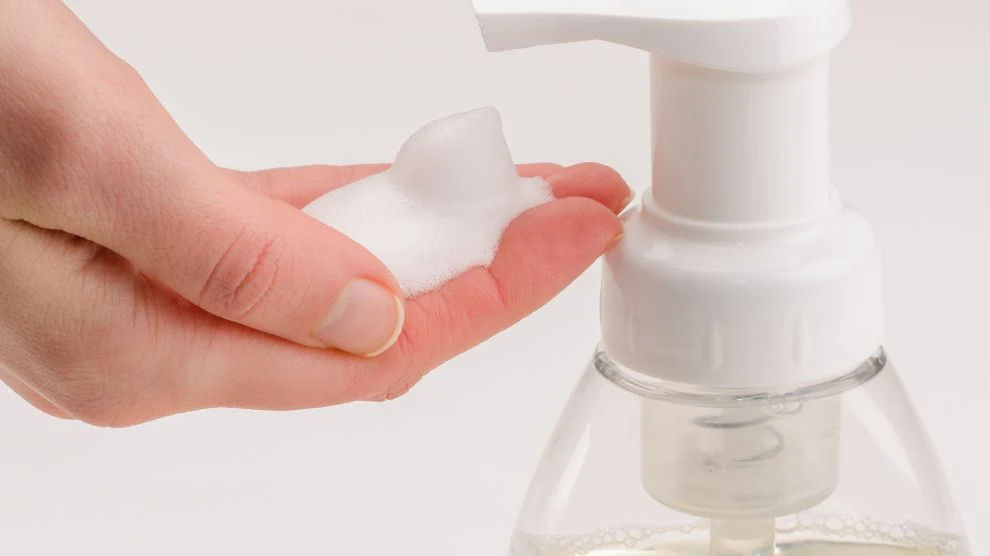
Hydroxyethyl Cellulose (HEC) improves foam stability in hand soap by increasing viscosity, stabilizing foam structure, and enhancing texture, delivering a richer and longer-lasting washing experience… Continue reading

HEC for liquid detergent
Hydroxyethyl Cellulose (HEC) is widely used in liquid detergents due to its excellent thickening performance, surfactant compatibility, and stable rheology, improving product stability and user experience… Continue reading

Choosing the Right Cellulose Ether for Detergent Manufacturing
This guide provides a complete framework for selecting cellulose ethers in detergent manufacturing: comparing HEC vs. CMC performance, selection factors, and combination strategies, with SIDLEYCHEM customized product solutions… Continue reading

Oilfield Grade CMC Application
This article details the multifunctional applications of oilfield grade CMC in drilling, cementing, and fracturing fluids, including fluid loss reduction, viscosity enhancement, proppant transport, and guar gum replacement, with LVT/HVT and ultra-high viscosity specifications… Continue reading

PAC Drilling Fluid Application
This article details oilfield grade PAC applications in drilling fluid solids control, performance regulation, and system stabilization, with PAC-LV/HV specifications… Continue reading
Carboxymethyl Cellulose (CMC) in Toothpaste Industry
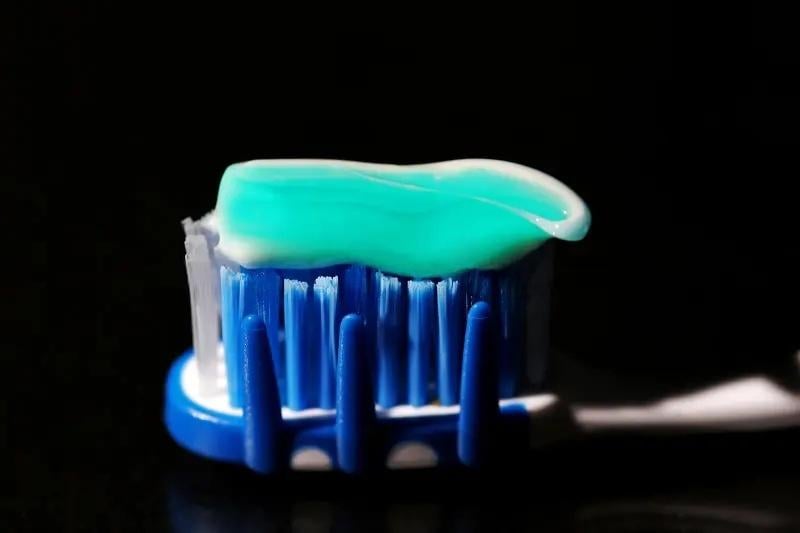
This article details key properties of Sodium Carboxymethyl Cellulose (CMC) in toothpaste: effects of viscosity, degree of substitution, substitution uniformity, and salt resistance on paste thickening, ribbon formation, and stability, with selection guidelines for toothpaste-grade … Continue reading
