
How Does Cellulose Ether Improve Makeup Longevity?
Poor wear, fading, and color transfer — these are the most common consumer complaints about color cosmetics. Many formulators turn to synthetic film formers first when tackling longevity issues, but often overlook cellulose ether as a natural-derived alternative.
Cellulose ether doesn’t just form films — it also delivers on skin feel, stability, and safety. The question is not “whether to use it,” but “which one and how.”

What Does Cellulose Ether Do in Color Cosmetics?
Cellulose ether serves two core functions in makeup:
Film-Forming — It forms a continuous, uniform, transparent film on the skin or lip surface–. This film has certain toughness and strength, effectively “locking” pigment particles onto the skin surface.
Long-Wear — The film itself provides water resistance and transfer resistance, preventing makeup from being compromised by sweat, oil, or friction. It also enhances color brightness and payoff–.
Which Cellulose Ether Type Should You Choose?
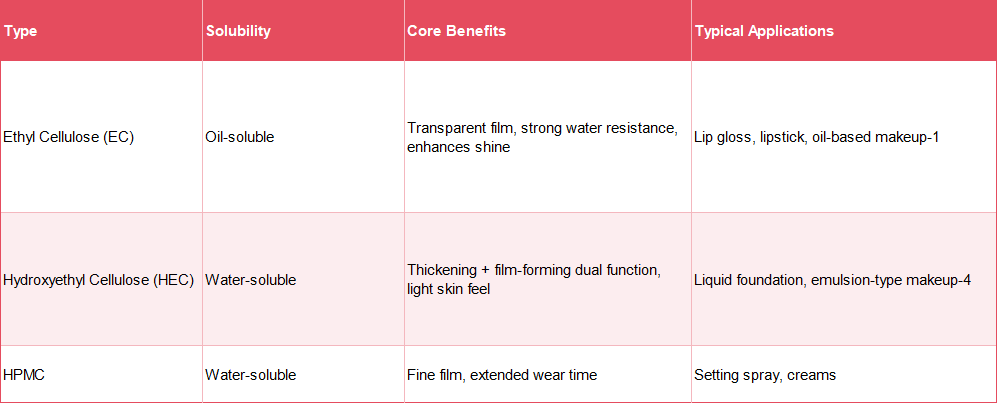
Ethyl Cellulose is an oil-soluble cellulose ether used as a transparent film former and oil-phase thickener in lip gloss. It adsorbs pigment particles firmly onto the lip skin, delivering a shiny, long-lasting effect. Its film is flexible and water-resistant, forming a strong film even at low concentrations.
Hydroxyethyl Cellulose (HEC) is a water-soluble non-ionic polymer used as a thickener and film former in cosmetics. HEC forms a continuous, uniform film on the skin, enhancing adhesion while providing a protective barrier.
HPMC offers thickening, emulsifying, and film-forming properties. In setting sprays, formulations with 1.2% HPMC can extend wear time to 9.5 hours — a 45% improvement over conventional products
Why Cellulose Ether Over Synthetic Film Formers?
-
Naturally derived — Cellulose ether comes from plants (cotton or wood pulp), mild and non-irritating.
-
Better skin feel — The film is smooth and non-sticky.
-
Multi-functional — One ingredient tackles thickening, suspension, and film-forming.
-
High safety profile — Non-ionic, low irritation, suitable for sensitive skin.

Summary
The value of cellulose ether in color cosmetics can be summed up in one sentence: Keep makeup “fixed” on the skin — the natural way.
Selection guide:
-
Oil-based systems (lip gloss, lipstick) → Choose Ethyl Cellulose (EC)
-
Water/emulsion systems (liquid foundation) → Choose Hydroxyethyl Cellulose (HEC)
-
Setting sprays → Choose HPMC
Remember: Film-forming is not about thicker films — it’s about more uniform, more breathable films. Cellulose ether delivers exactly that: a thin yet durable film.
Cellulose Ether Tech+
Why Microcrystalline Cellulose Is Widely Used in Tablet Manufacturing?
Learn why Microcrystalline Cellulose (MCC) is widely used in tablet manufacturing and how its compressibility and binding properties support direct compression… Continue reading

How CMC Makes Ice Cream Creamier with Fewer Ice Crystals?
This article explains four key roles of Sodium Carboxymethyl Cellulose (CMC) in ice cream: preventing ice crystal growth, increasing viscosity, improving mouthfeel, and preventing fat separation, with SIDLEYCHEM food grade CMC solutions… Continue reading

How Polyanionic Cellulose (PAC) Improves Water-Based Drilling Fluids
Learn how Polyanionic Cellulose (PAC) improves water-based drilling fluids by controlling fluid loss, enhancing borehole stability, and optimizing drilling performance in oil and gas operations… Continue reading

Sodium Carboxymethyl Cellulose in Toothpaste
Discover why Sodium Carboxymethyl Cellulose (CMC) is widely used in toothpaste. Learn how CMC improves consistency, stability, spreadability, and overall oral care product performance… Continue reading
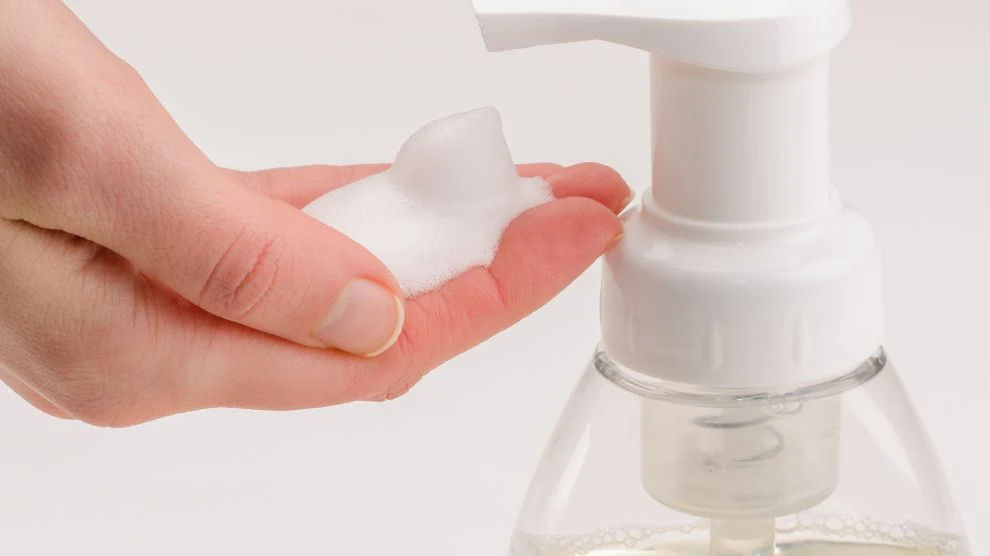
HEC in hand soap
Hydroxyethyl Cellulose (HEC) improves foam stability in hand soap by increasing viscosity, stabilizing foam structure, and enhancing texture, delivering a richer and longer-lasting washing experience… Continue reading

HEC for liquid detergent
Hydroxyethyl Cellulose (HEC) is widely used in liquid detergents due to its excellent thickening performance, surfactant compatibility, and stable rheology, improving product stability and user experience… Continue reading

Choosing the Right Cellulose Ether for Detergent Manufacturing
This guide provides a complete framework for selecting cellulose ethers in detergent manufacturing: comparing HEC vs. CMC performance, selection factors, and combination strategies, with SIDLEYCHEM customized product solutions… Continue reading

Oilfield Grade CMC Application
This article details the multifunctional applications of oilfield grade CMC in drilling, cementing, and fracturing fluids, including fluid loss reduction, viscosity enhancement, proppant transport, and guar gum replacement, with LVT/HVT and ultra-high viscosity specifications… Continue reading

PAC Drilling Fluid Application
This article details oilfield grade PAC applications in drilling fluid solids control, performance regulation, and system stabilization, with PAC-LV/HV specifications… Continue reading
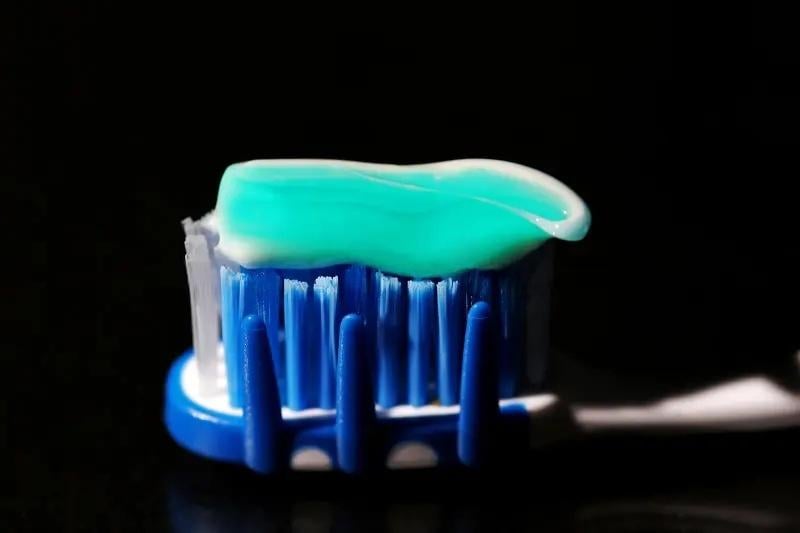
Carboxymethyl Cellulose (CMC) in Toothpaste Industry
This article details key properties of Sodium Carboxymethyl Cellulose (CMC) in toothpaste: effects of viscosity, degree of substitution, substitution uniformity, and salt resistance on paste thickening, ribbon formation, and stability, with selection guidelines for toothpaste-grade … Continue reading
