
PAC Drilling Fluid Application
Polyanionic Cellulose (PAC) is an important functional additive in oilfield drilling fluid systems. This article systematically introduces the core applications of PAC in solids control, performance regulation, and system stabilization, along with technical specifications.

1. Solids Control System Optimization
After hydrolysis, PAC forms multinuclear hydroxyl complexes. Through adsorption bridging and net capture, it flocculates dispersed fine solid particles (clay, cuttings) in drilling fluid into large flocs, which are then separated by solids control equipment such as shakers and centrifuges. This effectively reduces solid content, viscosity, and yield point, restoring drilling fluid performance and lowering drilling costs.
2. Efficiency Enhancement and Precise Control
PAC enables precise regulation of solid phase ratio in drilling fluid. Without compromising basic rheological properties, it reduces the negative impact of solid particles, improves fluidity and cuttings carrying capacity, ensuring smooth drilling operations under complex well conditions.
3. Drilling Fluid Pretreatment and System Stabilization
When preparing drilling fluid or treating contamination (e.g., calcium, salt), PAC acts as a pretreatment agent, flocculating impurities and harmful solids, providing a foundation for system stability. It has minimal impact on drilling fluid pH, making it suitable for most water-based drilling fluid systems.
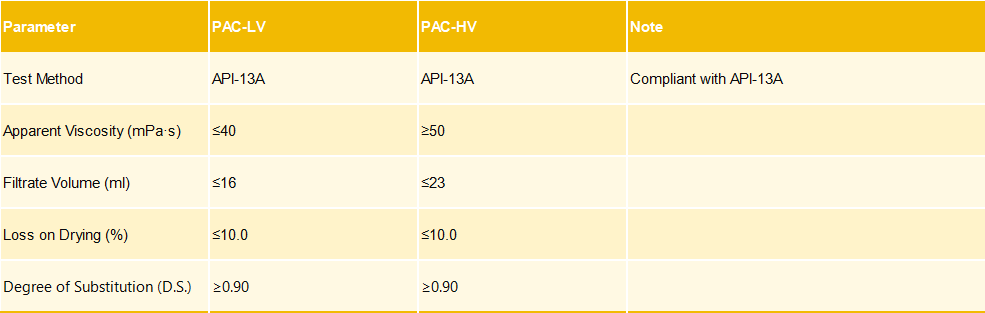
4. Oilfield Grade PAC Technical Specifications
5. SIDLEYCHEM Product Value
SIDLEYCHEM is committed to providing customized solutions with high-quality oilfield grade PAC products, supporting oilfield reserve enhancement and production increase, and promoting petrochemical industry upgrading.
Cellulose Ether Tech+

Why Microcrystalline Cellulose Is Widely Used in Tablet Manufacturing?
Learn why Microcrystalline Cellulose (MCC) is widely used in tablet manufacturing and how its compressibility and binding properties support direct compression… Continue reading

How Does Cellulose Ether Improve Makeup Longevity?
Makeup not lasting long enough? Cellulose ether is a natural-derived film-forming solution. How to choose between EC, HEC, and HPMC? This article breaks down their applications in lip gloss, foundation, and setting spray… Continue reading

How CMC Makes Ice Cream Creamier with Fewer Ice Crystals?
This article explains four key roles of Sodium Carboxymethyl Cellulose (CMC) in ice cream: preventing ice crystal growth, increasing viscosity, improving mouthfeel, and preventing fat separation, with SIDLEYCHEM food grade CMC solutions… Continue reading

How Polyanionic Cellulose (PAC) Improves Water-Based Drilling Fluids
Learn how Polyanionic Cellulose (PAC) improves water-based drilling fluids by controlling fluid loss, enhancing borehole stability, and optimizing drilling performance in oil and gas operations… Continue reading

Sodium Carboxymethyl Cellulose in Toothpaste
Discover why Sodium Carboxymethyl Cellulose (CMC) is widely used in toothpaste. Learn how CMC improves consistency, stability, spreadability, and overall oral care product performance… Continue reading
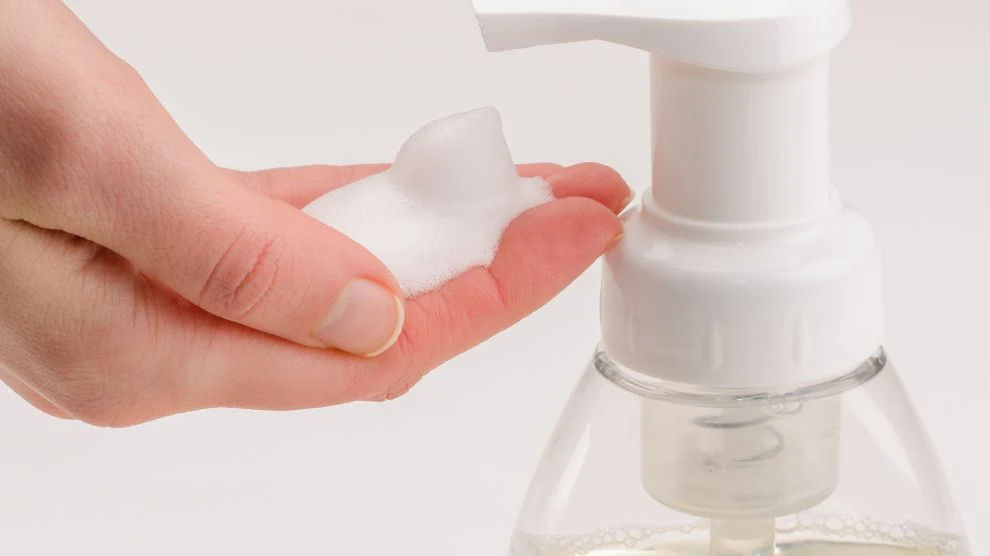
HEC in hand soap
Hydroxyethyl Cellulose (HEC) improves foam stability in hand soap by increasing viscosity, stabilizing foam structure, and enhancing texture, delivering a richer and longer-lasting washing experience… Continue reading
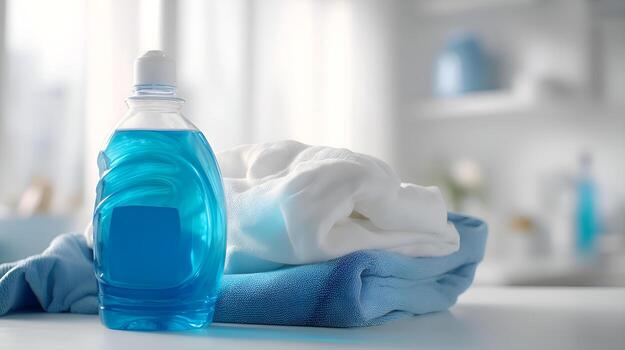
HEC for liquid detergent
Hydroxyethyl Cellulose (HEC) is widely used in liquid detergents due to its excellent thickening performance, surfactant compatibility, and stable rheology, improving product stability and user experience… Continue reading

Choosing the Right Cellulose Ether for Detergent Manufacturing
This guide provides a complete framework for selecting cellulose ethers in detergent manufacturing: comparing HEC vs. CMC performance, selection factors, and combination strategies, with SIDLEYCHEM customized product solutions… Continue reading

Oilfield Grade CMC Application
This article details the multifunctional applications of oilfield grade CMC in drilling, cementing, and fracturing fluids, including fluid loss reduction, viscosity enhancement, proppant transport, and guar gum replacement, with LVT/HVT and ultra-high viscosity specifications… Continue reading
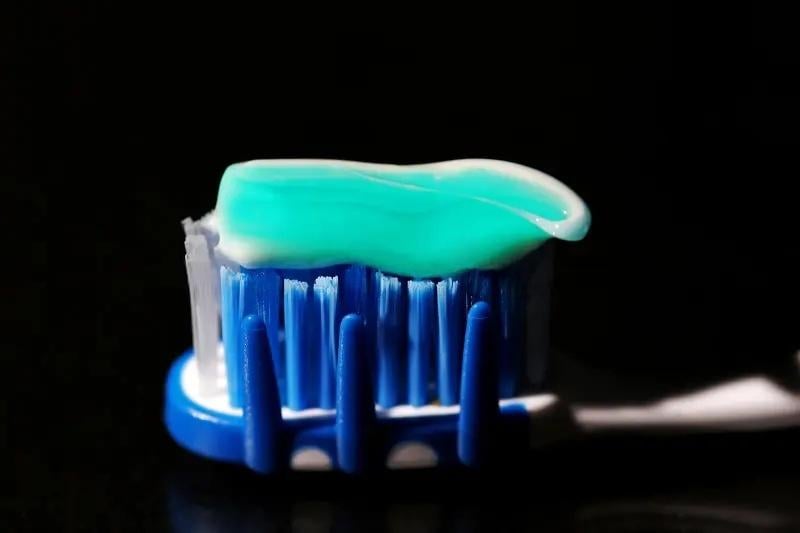
Carboxymethyl Cellulose (CMC) in Toothpaste Industry
This article details key properties of Sodium Carboxymethyl Cellulose (CMC) in toothpaste: effects of viscosity, degree of substitution, substitution uniformity, and salt resistance on paste thickening, ribbon formation, and stability, with selection guidelines for toothpaste-grade … Continue reading
