Gypsum Board Foaming Agent

01 Overview

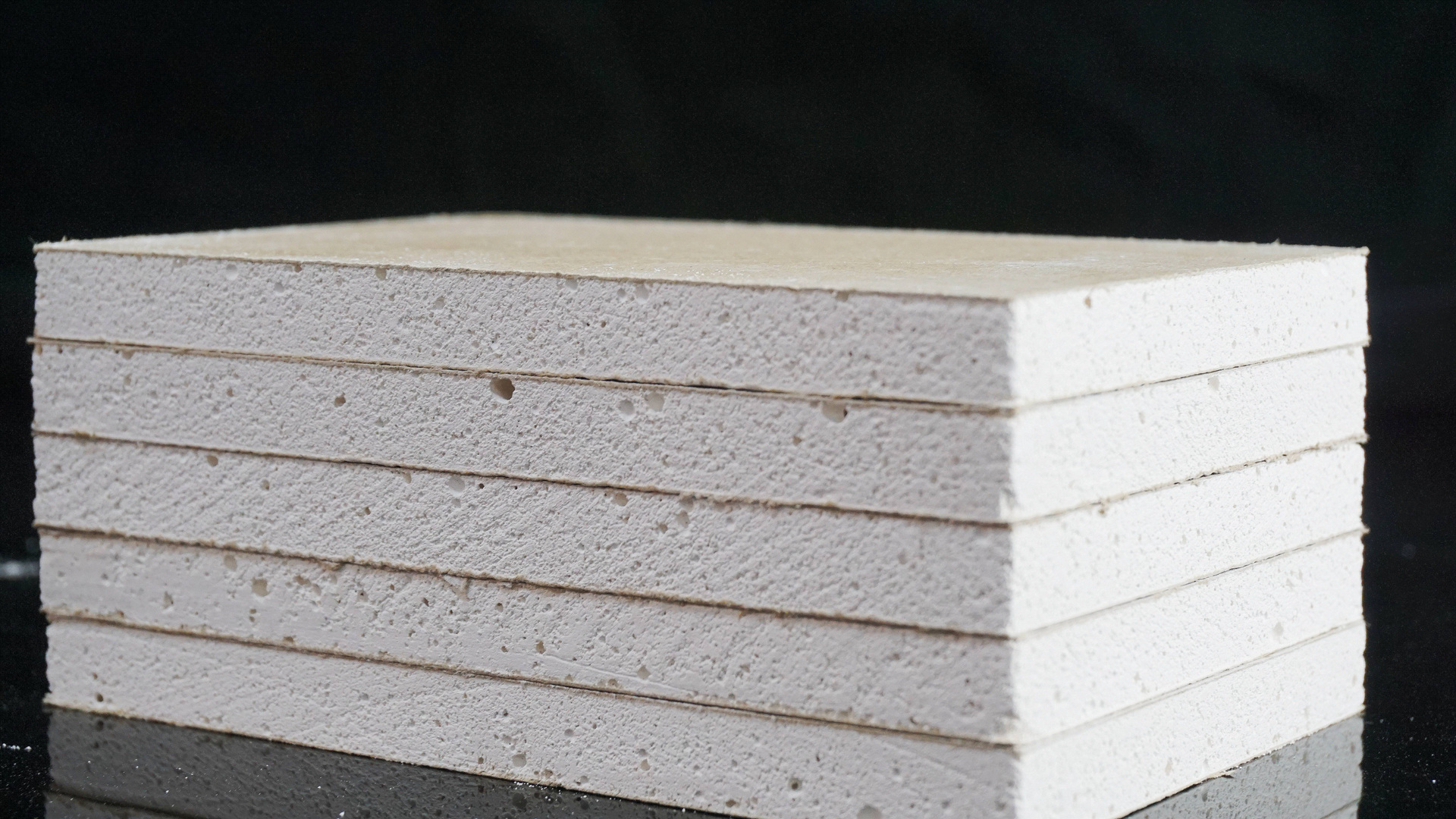
During the manufacturing process of paper-faced gypsum board, foaming agents enhance board strength, reduce bulk density, and improve physical properties by introducing fine air bubbles. Their performance significantly impacts gypsum board quality, making them a crucial additive in production.

Gypsum Board Foaming Agent for Lightweight Plasterboard Production

SIDLEYCHEM supplies high-performance gypsum board foaming agents designed for paper-faced plasterboard manufacturing. Our LWC-10 and LWC-30 liquid foaming agents help manufacturers control gypsum core density, optimize air pore distribution, and improve the efficiency of lightweight gypsum board production. In modern gypsum plasterboard manufacturing, controlling board weight while maintaining the required mechanical strength is essential.

Foaming agents introduce controlled air voids into the gypsum slurry, reducing the density of the finished gypsum core. The resulting lightweight structure can help reduce gypsum consumption, transportation weight, and material handling requirements. However, successful foam application requires more than simply generating a large volume of bubbles. Foam stability, bubble size distribution, compatibility with gypsum dispersants, and paper-to-core bonding all influence final board performance.

SIDLEYCHEM provides specialized plasterboard foaming agents for different gypsum formulations and manufacturing conditions.

Product LWC-10 LWC-50
Active matter (%) 33±2.5 36.5±2.5
Appearance Clear, yellowish to brownish liquid
pH value (10% aq. sol, 20℃) 10.0±2.0
Density (at 23℃ g/cm3 ) 1.05±0.05

02 Benefits of Foaming Agents

  • Lower Board Density: Create controlled air voids to support lightweight plasterboard manufacturing.
  • Optimized Gypsum Consumption: Reduce gypsum usage per unit of board area when the required specifications are maintained.
  • Controlled Foam Structure: Help achieve the appropriate air pore size and distribution.
  • Efficient Foam Generation: Support stable foaming performance in suitable mechanical foam-generating systems.
  • Strength and Weight Optimization: Help manufacturers balance reduced board density with the required mechanical properties.
  • Production Cost Optimization: Support material savings and easier handling of lightweight gypsum boards.

03 Why Are Foaming Agents Essential for Lightweight Plasterboard?

In the production of gypsum plasterboard, gypsum slurry is prepared by mixing calcined gypsum, water, and chemical additives. Without a controlled foaming system, the resulting gypsum core may have a higher density than required for the target board specification.

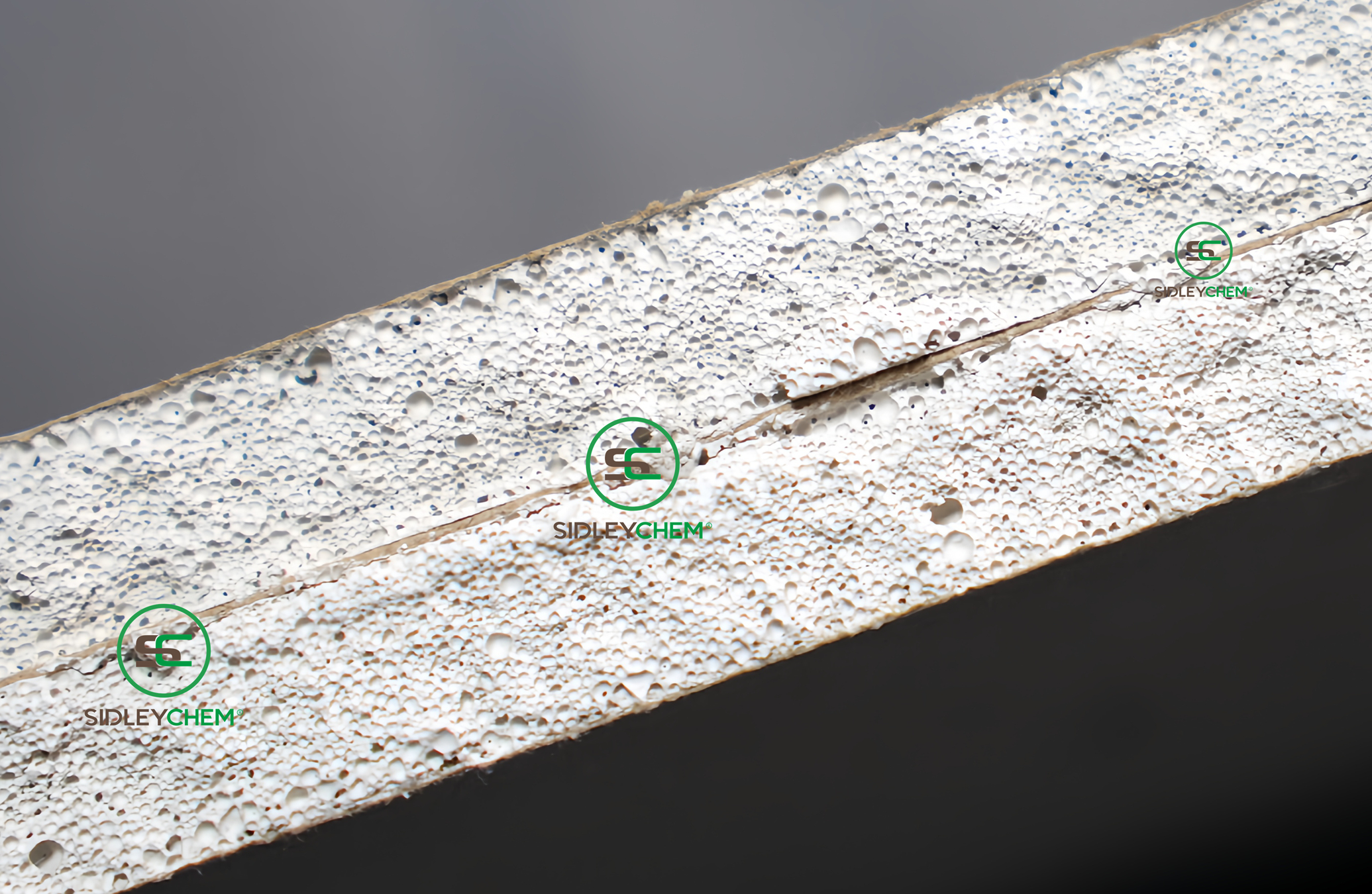
Introducing foam into the slurry creates air voids within the gypsum core. After setting and drying, these voids remain as part of the internal structure of the board. The amount, size, and distribution of these air voids influence the density and mechanical behavior of the finished plasterboard.

  1. Reduced Gypsum Board Weight, Foaming agents help reduce the overall board weight by introducing air into the gypsum core. This can make boards easier to handle, transport, and install.
  2. Lower Gypsum Raw Material Consumption, For boards manufactured to a fixed thickness and area, a reduced core density can lower the amount of gypsum required. The achievable material savings depend on the target density, strength specifications, and manufacturing process.
  3. Optimized Air Pore Structure, The distribution of air voids is an important factor in lightweight gypsum board performance. A suitable combination of pore sizes and an appropriate overall pore distribution can help manufacturers reduce density while controlling strength loss.
  4. Balanced Mechanical Performance, Excessive air entrainment or unfavorable pore distribution can reduce gypsum core strength. Foam selection and process adjustment should therefore focus on achieving the required balance between lightweight construction and mechanical performance.
  5. Improved Production Economics, By optimizing board density and gypsum consumption, manufacturers may reduce raw material use and transportation costs. Actual savings should be calculated using measured gypsum consumption, board weight, production output, and material prices.

04

  1. 1
    How Do Gypsum Board Foaming Agents Work?

    Foam Generation and Air Pore Formation

    Gypsum board foaming agents are surfactant-based chemical additives that reduce surface tension and support the formation of air bubbles during mechanical foam generation. In a typical continuous plasterboard manufacturing process, the foaming agent is diluted with water and introduced into suitable foam-generating equipment.

    The foaming solution is mixed with air to produce foam, which is subsequently introduced into the gypsum slurry. The foam becomes distributed throughout the gypsum mixture during blending. As the gypsum slurry sets, air voids are retained within the developing gypsum core. After drying, these voids form the porous internal structure of the plasterboard.

    Main Factors Affecting Foam Performance

    • Foaming Capacity, The ability of the foaming agent to generate the required foam volume under specified equipment and dilution conditions.
    • Foam Stability, The ability of generated bubbles to remain sufficiently stable during transfer and incorporation into the gypsum slurry.
    • Bubble Size Distribution, The size and distribution of air bubbles influence gypsum core density and mechanical performance.
    • Foam Density, Foam density provides a useful indicator for monitoring the foam-generation process and consistency.
    • Compatibility with Gypsum Additives, PCE dispersants, modified starch, gypsum retarders, accelerators, and water-repellent additives may influence foam behavior and finished-board properties.
    • Gypsum Raw Material Characteristics, Gypsum particle characteristics, soluble salts, impurities, and water demand can affect foam performance.
  2. 2
    Why Is Foam Structure Important?

    Foaming agent selection has a direct influence on the internal pore structure of gypsum plasterboard.

    If foam is poorly controlled, manufacturers may experience uneven bubble distribution, excessive bubble coalescence, or localized air accumulation. These problems can affect board density uniformity, mechanical strength, and paper-to-core bonding. A well-optimized foam system should provide the required core density while maintaining sufficient structural integrity.

    Common Problems Caused by Poor Foam Control

    • Excessively High Board Density, Insufficient foam generation or poor foam retention can result in higher gypsum consumption.
    • Reduced Mechanical Strength, Excessive porosity, unfavorable pore distribution, or unstable foam may reduce board strength.
    • Uneven Core Structure, Poor foam distribution can create localized density variations within the gypsum core.
    • Paper-to-Core Delamination, Excessive air accumulation near the facing paper can interfere with bonding between the gypsum core and paper liner.
    • Unstable Production Performance, Variations in foaming agent concentration, dilution water quality, air pressure, or foam-generation equipment may affect board consistency.

    SIDLEYCHEM recommends evaluating the foaming system as part of the complete gypsum board formulation.

  3. 3
    Compatibility with Other Gypsum Board Additives

    Foaming agents should be selected and evaluated together with other chemical additives used in plasterboard manufacturing.

    • Gypsum Dispersants. PCE superplasticizers can reduce mixing water demand and improve slurry flowability. Because water content influences foam incorporation and behavior, dispersant and foaming agent compatibility is important.
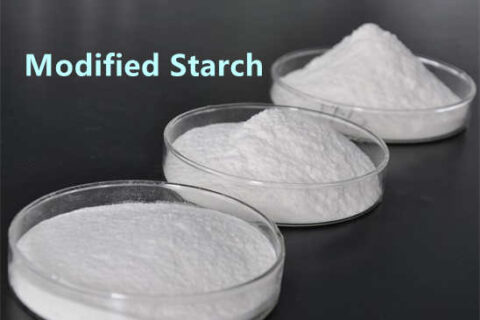
    • Modified Starch, Modified starch helps improve bonding between the gypsum core and facing paper. Adequate bonding performance should be maintained when optimizing lightweight board density.
    • Gypsum Set Retarders, Set retarders help adjust the time available for mixing and board forming. Changes in setting characteristics should be evaluated alongside foam stability and core development.
    • Water-Repellent Additives, Hydrophobic additives support moisture-resistant plasterboard formulations. Their effects on foam generation and foam stability should be evaluated before production use.

05