
Gypsum Additives
Additives for gypsum boards, gypsum blocks, and gypsum bricks
Defoamer
Defoaming agents can eliminate air bubbles in gypsum blocks and increase their strength. Defoamers can eliminate air bubbles in gypsum blocks, thereby increasing their strength. Highly concentrated defoamers require only a small dosage and act rapidly, which helps reduce the production costs of gypsum blocks.
Gypsum dispersant
Adding a dispersing agent to the gypsum slurry used for plasterboard can improve its flow properties during application. To reduce the energy consumed during the drying of plasterboard, it is desirable to minimize the amount of water added during production; however, reducing the water content impairs the flowability of the gypsum mixture and makes it difficult to mix, necessitating the use of a water-reducing agent or dispersing agent.
Liquid Retarder
Gypsum set retarders control the setting time of gypsum, providing a suitable working window for mixing, conveying, forming and application. They are used in gypsum plasters, gypsum skim coats, gypsum boards and gypsum blocks.
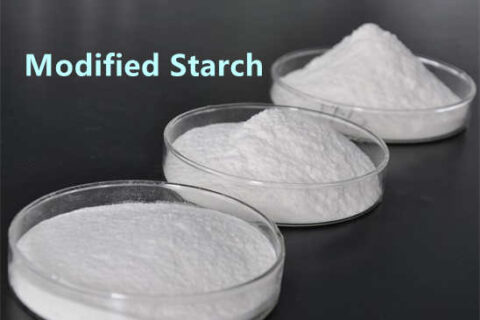
Modified Starch
Modified starch for gypsum plasterboard is primarily used to improve bonding between the facing paper and the gypsum core. Suitable grades help preserve the bond at the paper–core interface during drying, reducing the risk of paper delamination and ensuring more consistent finished-board quality. Depending on the modification, certain grades can also improve core strength and support lightweight board production.
Water-Repellent Additive
LWS940 waterproofing agent features strong hydrophobicity, excellent breathability, and low dosage requirements. It significantly reduces the water absorption rate of gypsum products while enhancing their softening coefficient. Gypsum products manufactured with this agent can be widely applied in humid environments with relative humidity exceeding 75%.
Foaming Agent
During the manufacturing process of paper-faced gypsum board, foaming agents enhance board strength, reduce bulk density, and improve physical properties by introducing fine air bubbles. Their performance significantly impacts gypsum board quality, making them a crucial additive in production.