Liquid Gypsum Retarder

01 Overview

Gypsum set retarders control the setting time of gypsum, providing a suitable working window for mixing, conveying, forming and application. They are used in gypsum plasters, gypsum skim coats, gypsum boards and gypsum blocks.

SIDLEYCHEM LGR-40 Liquid Gypsum Retarder is a modified amino acid-based setting-time control additive developed for gypsum plasterboard manufacturing. In continuous plasterboard production, precise control of gypsum hydration and setting time is essential for stable processing and consistent board quality. Gypsum slurry must remain sufficiently workable during mixing, distribution, and board forming. At the same time, the gypsum core must develop adequate rigidity before cutting and subsequent handling.

An effective liquid gypsum set retarder helps manufacturers achieve the appropriate balance between slurry processing time and setting development.

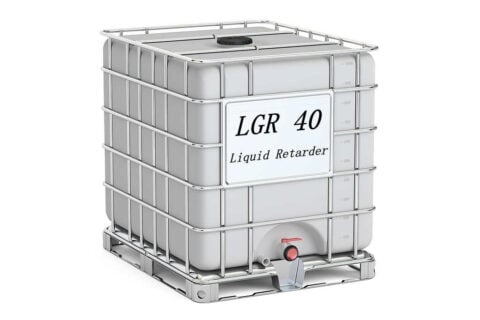
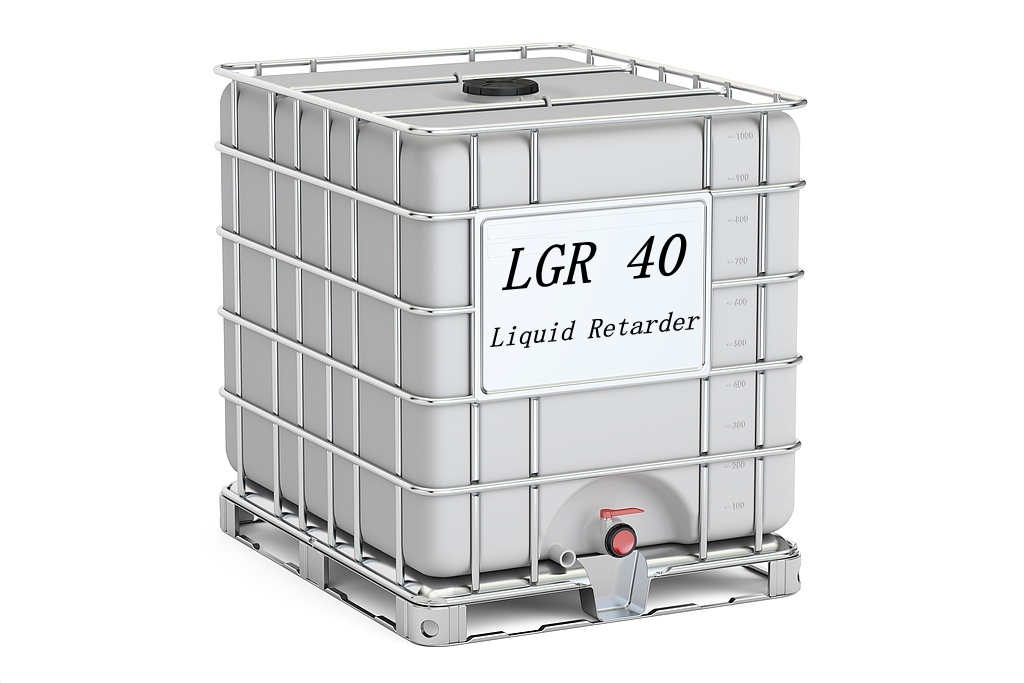
Set-Retarding Agents LGR 40 Liquid PlastRetard XCL LGR 40 is the most efficient and reliable retarder for plasterboard production. For use with plasterboard

LGR-40 is designed to provide controllable setting retardation, convenient liquid dosing, and consistent performance within an optimized formulation. Its liquid form makes it particularly suitable for production processes where accurate dosing and rapid incorporation into the mixing system are required.

02 Set-Retarding Agents

LGR 40 is a modified amino acid-based liquid retarder designed to control the setting time of gypsum. It offers convenient handling, stable performance and easy dosing. Within a suitable formulation and dosage range, it provides a consistent, approximately linear relationship between dosage and setting delay, allowing convenient adjustment and control of setting time.

Appearance Colorless or milky white liquid
Density/(g/mL) 1.07 ± 2.0
pH 8 ± 1.0
Active content,% 45.0 ± 2.0

03 Questions & Answers

  1. 1
    What does a gypsum set retarder do?

    A gypsum set retarder delays setting, providing sufficient time for mixing, conveying, forming or application.

  2. 2
    What type of retarder is LGR 40?

    LGR 40 is a modified amino acid-based liquid gypsum set retarder, offering convenient handling, easy dosing and consistent performance.

  3. 3
    How can dosage be used to control setting time?

    Within a suitable formulation and dosage range, LG 40 provides an approximately linear relationship between dosage and setting delay, making setting time easier to adjust. This relationship should be verified using the actual gypsum raw material.

  4. 4
    How should the appropriate dosage be determined?

    Test a series of dosages against the required working time, recording initial set, final set and strength. Clearly specify whether dosage refers to the liquid product as supplied or its active content, and state the calculation basis, such as dry stucco weight.

  5. 5
    Can a retarder affect gypsum strength?

    LGR 40 is a high-performance retarder that has no impact on the strength of gypsum.

  6. 6
    Why Is Setting Time Control Important in Gypsum Board Production?

    During gypsum plasterboard manufacturing, calcined gypsum (calcium sulfate hemihydrate) reacts with water and converts into calcium sulfate dihydrate.

    As hydration proceeds, gypsum crystals form and interlock, causing the slurry to set and develop mechanical rigidity.

    If gypsum sets too quickly, manufacturers may experience premature thickening, poor slurry distribution, and difficulties during board forming.

    If the setting process is excessively delayed, the board may not develop sufficient rigidity before cutting, potentially affecting production stability.

    A suitable gypsum retarder helps adjust the setting profile to match the requirements of the production line.

    SIDLEYCHEM LGR-40 provides a practical solution for manufacturers seeking controlled gypsum setting behavior.

  7. 7
    How Does LGR-40 Control Gypsum Setting Time?

    Modified Amino Acid Retarding Mechanism

    Gypsum setting occurs through the dissolution of calcium sulfate hemihydrate, followed by the formation and growth of calcium sulfate dihydrate crystals.

    Modified amino acid-based retarders can interact with developing gypsum crystal surfaces, influencing crystal growth and delaying the development of a rigid gypsum structure.

    The actual retarding efficiency depends on several factors, including:

    • Gypsum raw material composition.
    • Soluble impurities and residual additives.
    • Water-to-gypsum ratio.
    • Gypsum slurry temperature.
    • Retarder dosage.
    • Presence of accelerators, dispersants, and other additives.

    By adjusting the addition level, manufacturers can establish a setting-time profile suited to their production process.

    The relationship between dosage and setting time should be verified using the customer’s actual gypsum and formulation.

  8. 8
    How to Use LGR-40 Liquid Gypsum Retarder

    LGR-40 should be introduced into the gypsum mixing process using a dosing method that ensures uniform distribution.

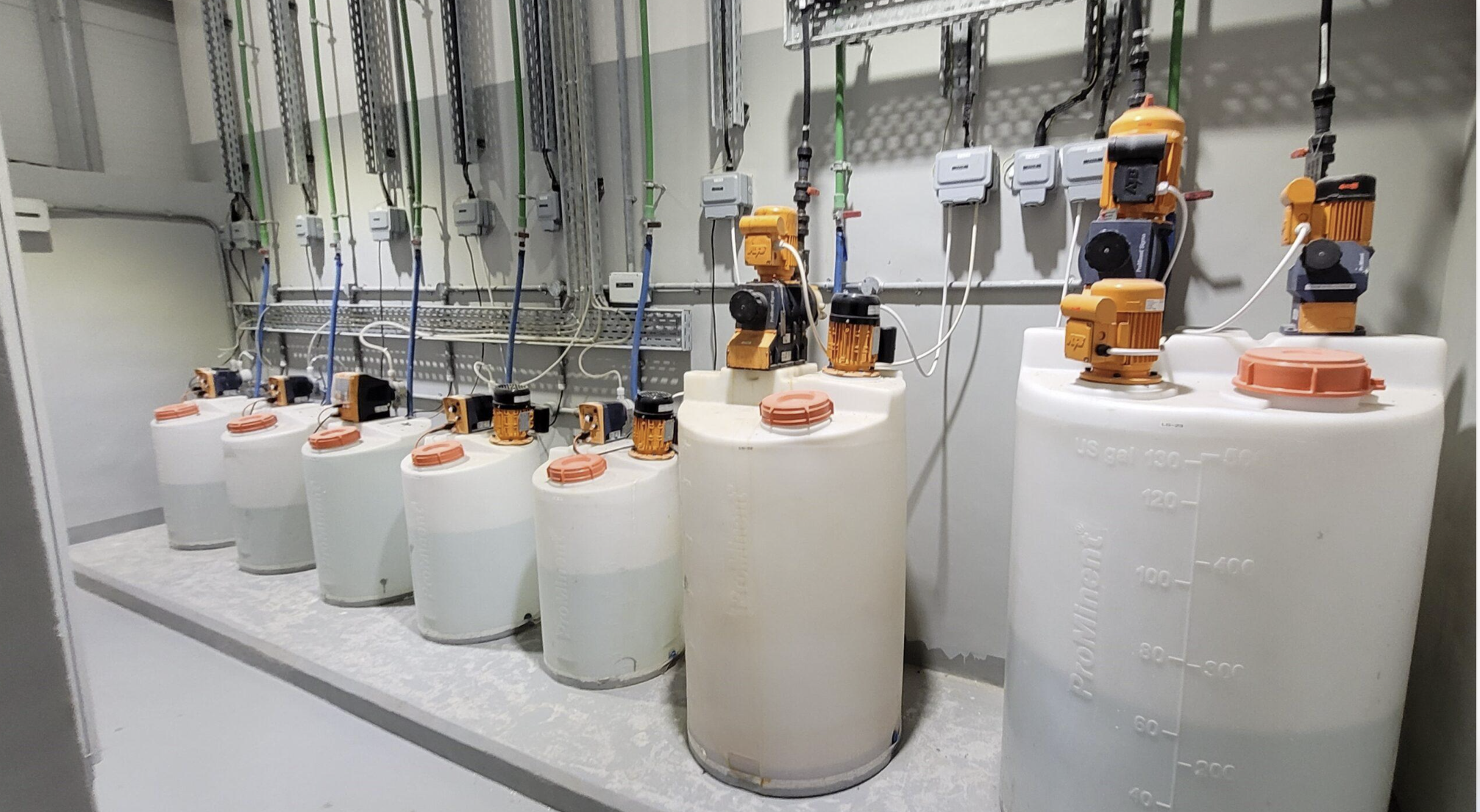
    Depending on plant configuration and compatibility, the liquid product may be metered through a dedicated dosing system or introduced into the mixing-water stream.

    Before implementation, the manufacturer should determine the appropriate dosage through laboratory testing.