
Segregation vs Bleeding Concrete
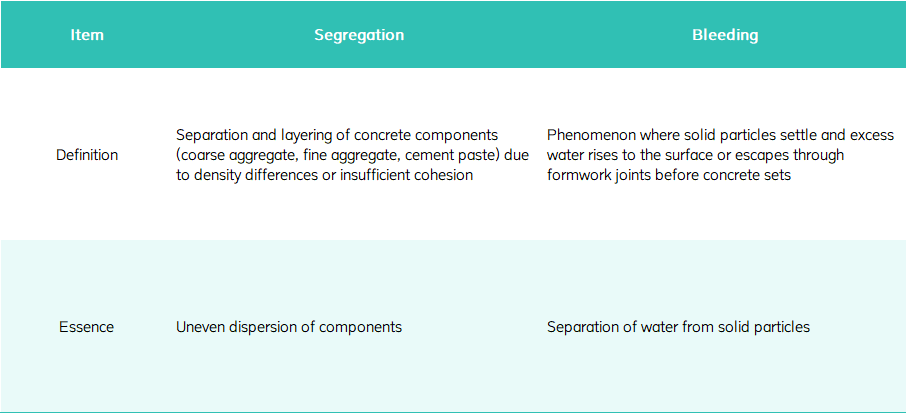
In concrete production and construction, “segregation” and “bleeding” are two common workability issues. Often confused, they have distinct definitions, appearances, and effects. Correctly distinguishing and preventing them is key to ensuring concrete quality.
1. Definition and Essence
2. Appearance
-
Segregation:
-
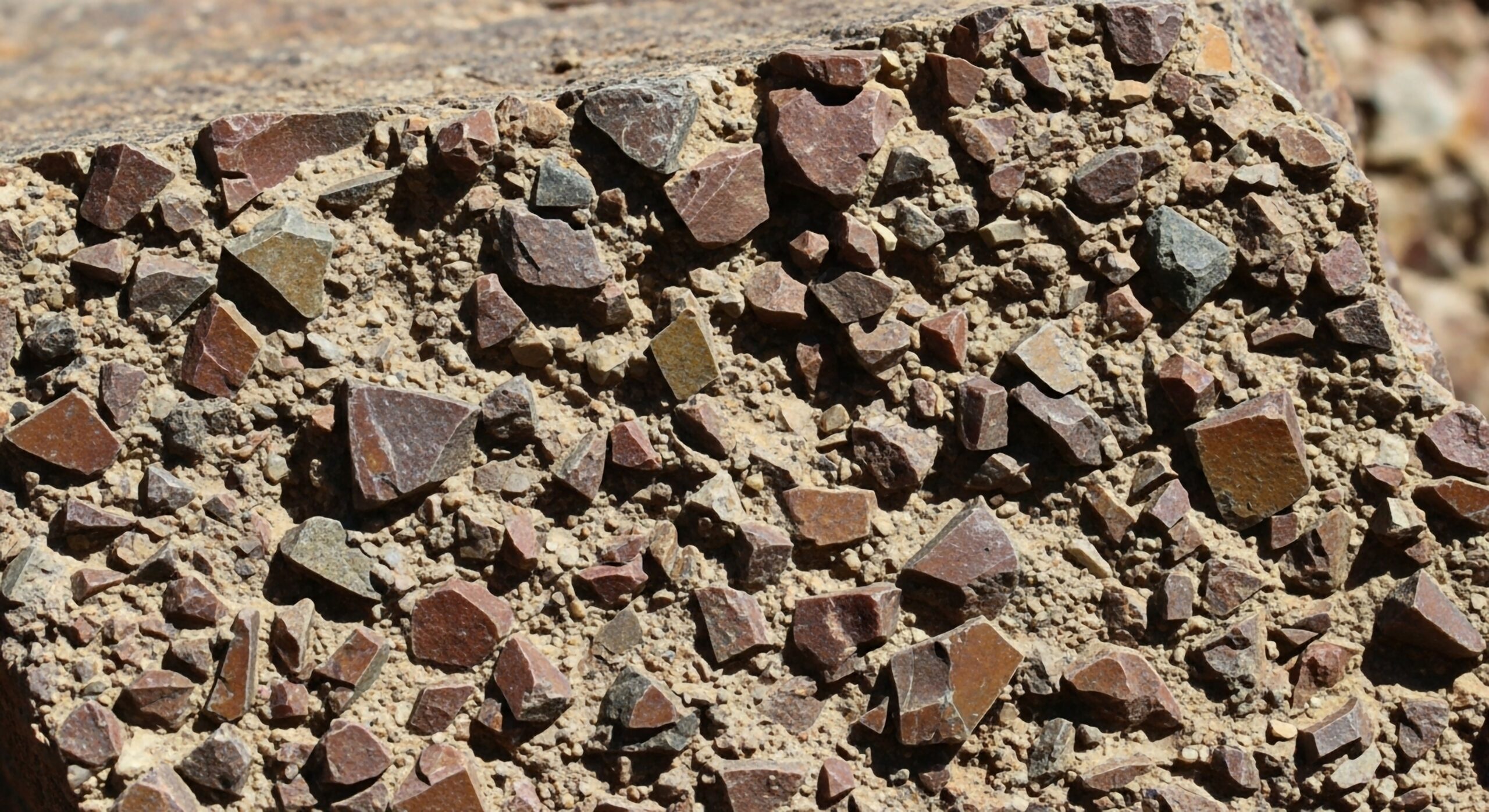
Coarse aggregate settles at the bottom, with more mortar or cement paste on the surface or upper portion;
-
Mix appears layered, losing uniformity; aggregate easily separates from mortar when shoveled.
-
-
Bleeding:
-
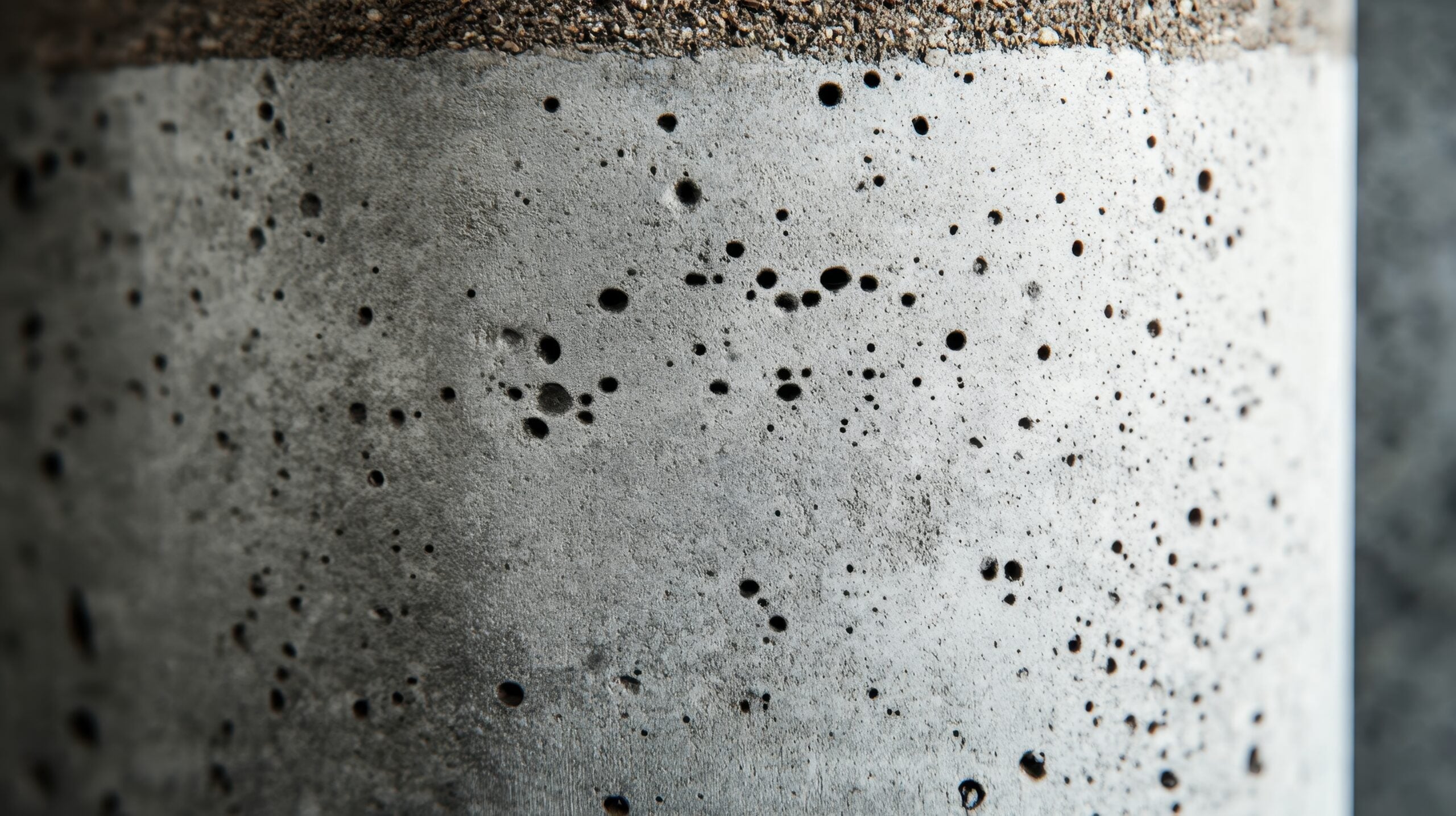
A layer of clear water or thin slurry appears on the concrete surface, with visible water film when touched;
-
Water may seep from formwork joints; hardened surface prone to dusting and surface defects.
-
3. Causes
-
Main Causes of Segregation: Low sand ratio, poor aggregate gradation, excessive water content, improper admixture dosage, inadequate mixing—leading to poor cohesion.
-
Main Causes of Bleeding: Insufficient cement fineness, excessive water, too much mineral admixture, high ambient temperature—causing solid particle settling rate to exceed water rising rate.
4. Effects on Concrete Performance
-
Consequences of Segregation: Uneven strength, reduced durability; severe cases may lead to honeycombing, voids.
-
Consequences of Bleeding: Loose surface, reduced strength; surface cracks may form due to water evaporation, affecting appearance and durability.
Simple Summary: Segregation is “component layering,” bleeding is “water separation.” They often occur together and require prevention through mix design adjustment and construction process optimization.
5. SIDLEYCHEM Stabilizing Rheology Modifier Solutions
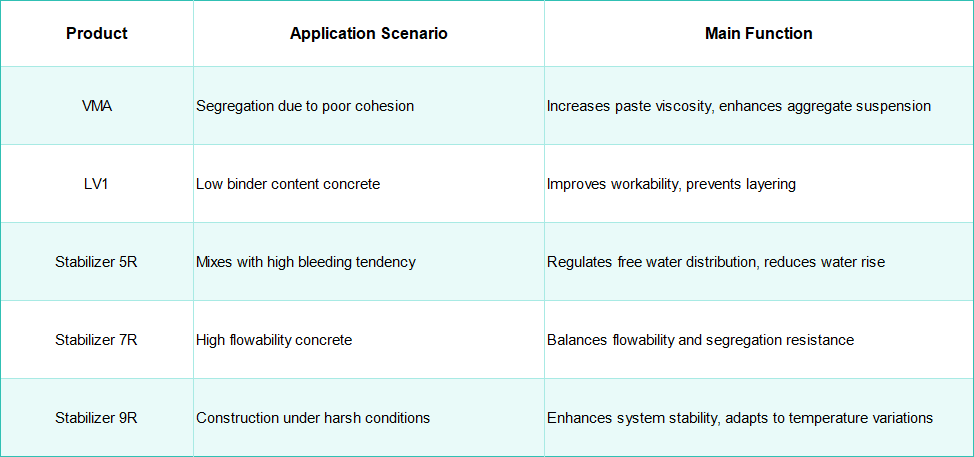
 To prevent segregation or bleeding in concrete, SIDLEYCHEM offers a Stabilizing Rheology Modifier Series, providing targeted solutions for different causes:These products effectively address segregation or bleeding caused by different factors, helping produce high-quality concrete for various items. Contact the SIDLEYCHEM technical team for tailored recommendations.




Concrete & Beton Tech+
Why Does Concrete Strength Vary Between Batches?
Learn why concrete strength varies between batches and how to improve consistency through proper water control, raw materials, admixture dosing, mixing, and curing… Continue reading
The Role of Expanding Agents in Compensating Shrinkage of Mass Concrete Foundations
Cracking after mass concrete foundation pouring? Thermal shrinkage, drying shrinkage, and autogenous shrinkage combined are the culprits. … Continue reading
Lightweight Aggregate Concrete Lacking Viscosity?
Lightweight aggregate concrete segregation, aggregate floating, pump blockages? The root cause is insufficient viscosity. This article details four practical methods — viscosity modifier dosage (0.02%–0.03%), aggregate pre-wetting, mix optimization, and specialized admixtures — to solve workability problems once and for all… Continue reading
How Does Air-Entraining Agent Affect Concrete Strength?
Each 1% air content reduces concrete strength by 4%–6%. How to balance? This short article gives three practical methods: measure air content, lower w/c, and choose a stable-foam AEA. Direct and actionable… Continue reading
The Three Critical Windows for Concrete Curing
Same mix design, with and without proper curing – 28‑day strength can differ by a whole grade. This article explains hydration mechanisms, three critical curing windows, and practical steps to prevent strength loss and cracking… Continue reading
Which Admixtures Improve Concrete Durability?
Discover which concrete admixtures improve durability, including Polycarboxylate Superplasticizers, Air-Entraining Agents, Corrosion Inhibitors, Waterproofing Admixtures, and Concrete Fibers. Learn how to enhance strength, reduce permeability, and extend service life… Continue reading
How to Maintain Slump Retention During Long-Distance Transportation
Learn how to maintain concrete slump retention during long-distance transportation by optimizing mix design, selecting the right admixtures, and improving production practices… Continue reading
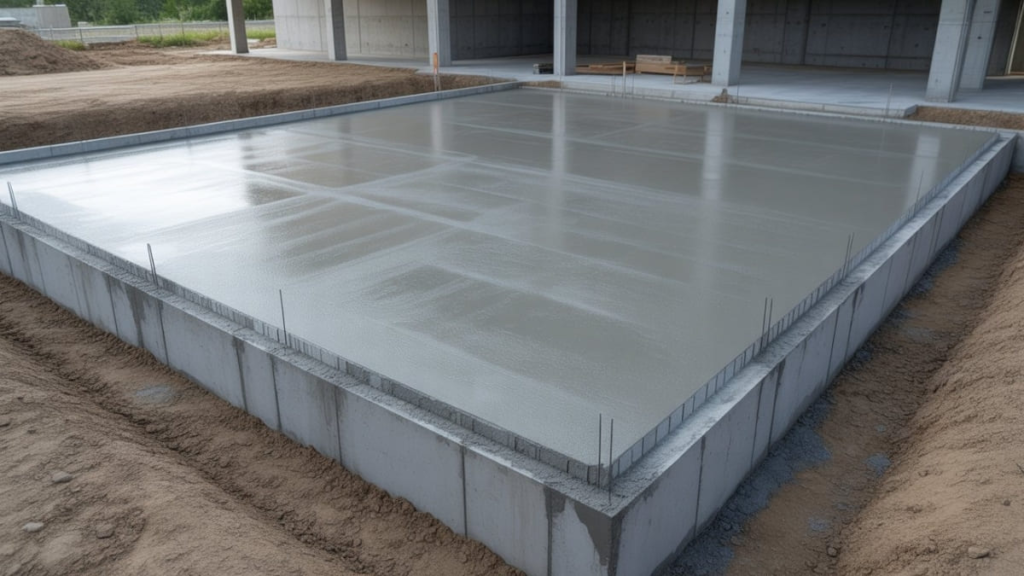
Why Does Concrete Bleeding Occur?
Learn why concrete bleeding occurs, what causes excessive bleeding, and how to reduce it using proper mix design, Polycarboxylate Superplasticizers (PCE), and Viscosity Modifying Agents (VMA)… Continue reading
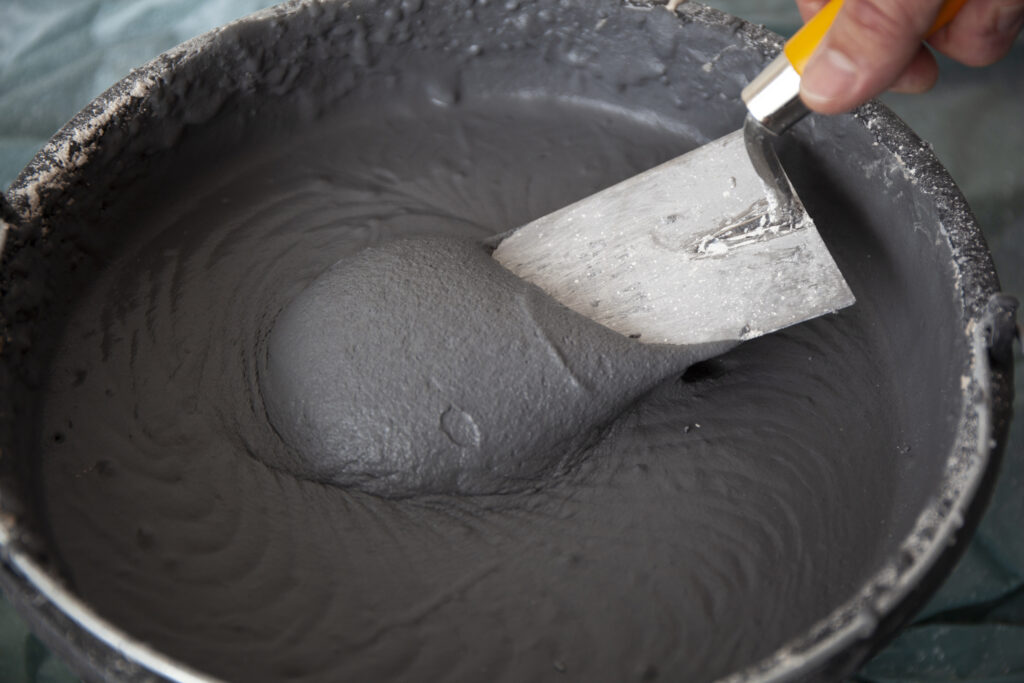
Concrete Admixture Role
This article explains how concrete admixtures improve workability and durability: slump control, setting time adjustment, impermeability enhancement, and solutions for bleeding, segregation, and shrinkage cracks… Continue reading
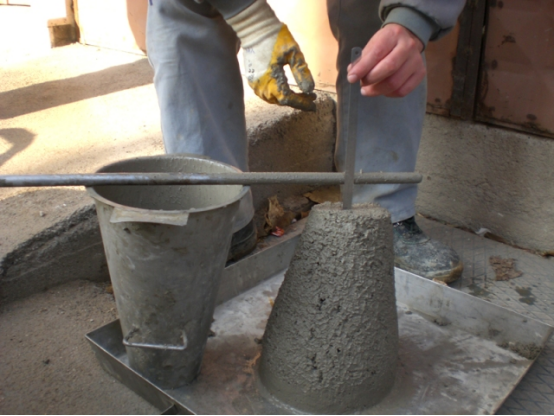
Concrete Slump Loss Causes& Solutions
This article analyzes four main causes of rapid concrete slump loss: high cement reactivity, high temperature, incompatible admixture systems, and long transport time, and provides slump retention solutions including PCE superplasticizers, retarders, and … Continue reading
