Architectural Paints
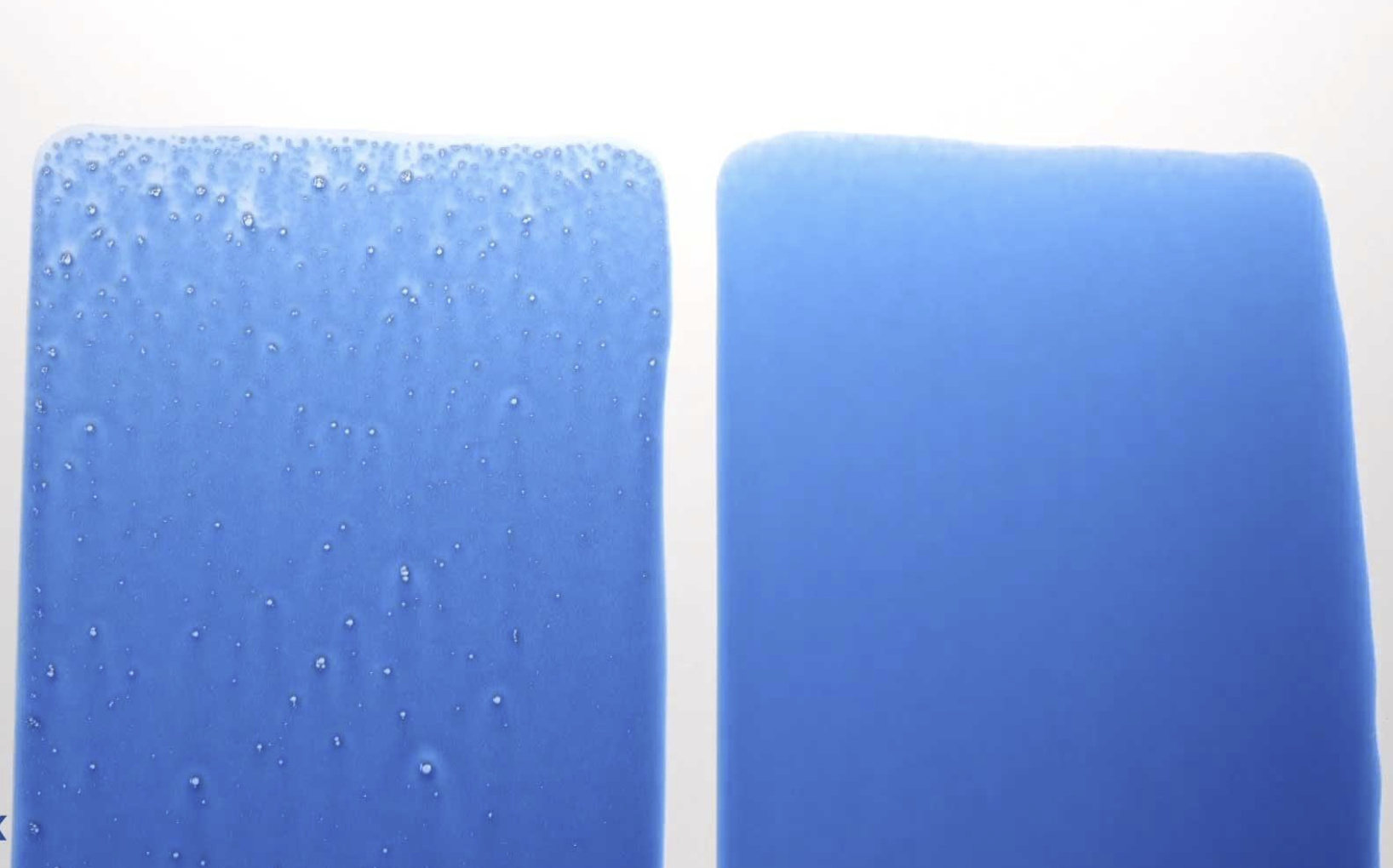
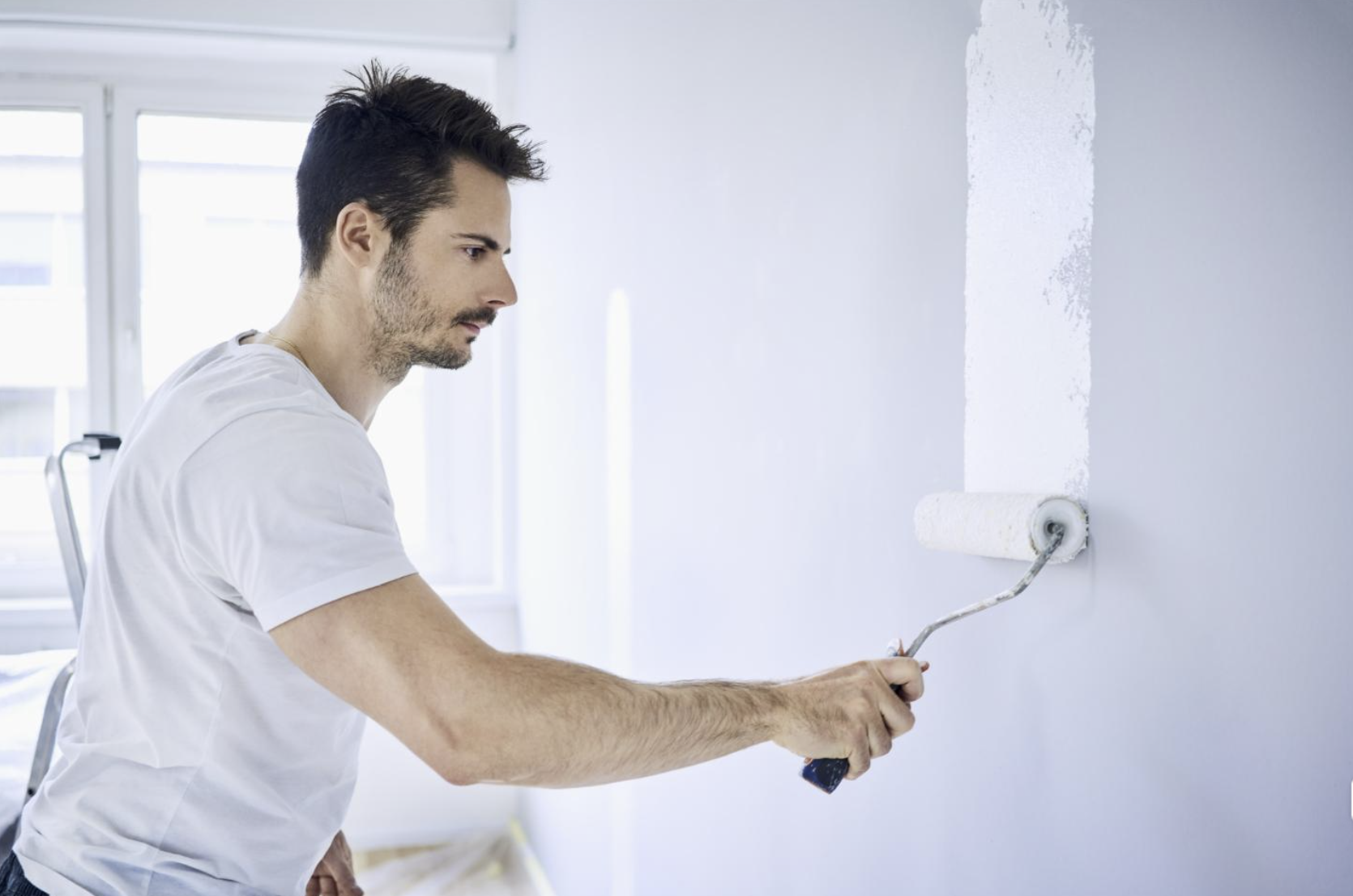
Defoamers help control foam generated during high-speed pigment dispersion and paint application, improving surface uniformity and reducing foam-related defects in interior and exterior emulsion paints.

Coating defoamers are functional additives used to eliminate or suppress foam generated during the production, mixing, and application of coatings. The function of defoamers is to break bubbles + suppress foam.
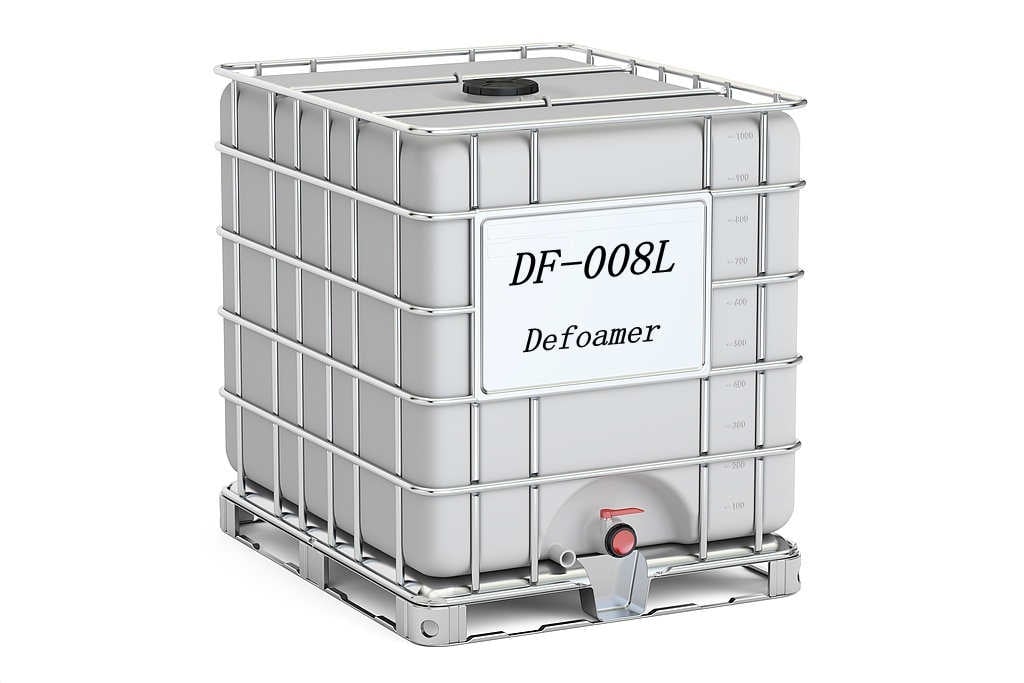
Defoamers for Paints and Coatings
High-Performance Foam Control Additives for Water-Based Coating Systems
SIDLEYCHEM provides high-performance defoamers and antifoaming agents for water-based paints, architectural coatings, industrial coatings, waterproof coatings and adhesives.
During pigment dispersion, mixing, pumping and coating application, air can become entrapped in the formulation, resulting in excessive foam, pinholes, uneven surfaces and other film defects. Effective foam control is essential for maintaining production efficiency and achieving consistent coating quality.
SIDLEYCHEM offers mineral oil-based and polyether-modified silicone defoamers designed to provide rapid foam elimination, effective foam suppression and balanced formulation compatibility.
Our technical team helps coating manufacturers select suitable defoaming additives according to binder type, pigment volume concentration (PVC), production conditions and final coating performance requirements.
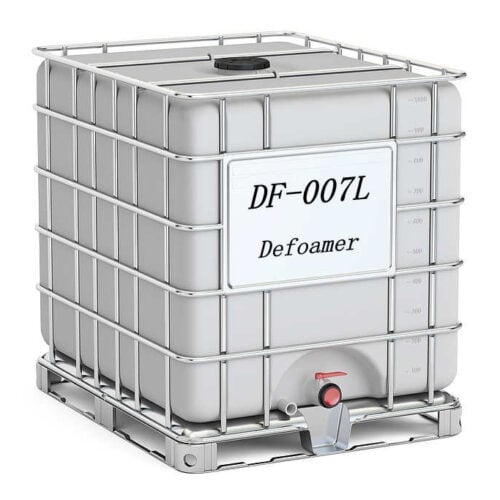
Mineral Oil Fatty Acid Soap Defoamer
DF 007L Defoamer is a mineral oil-based defoamer. It is composed of mineral oil, fatty acid metal soaps, silica, polyether, and dispersants. It is highly recommended for use in water-based architectural coatings, waterproof coatings, waterproof mortar, paper coating, water-based adhesives, and emulsion polymerization.
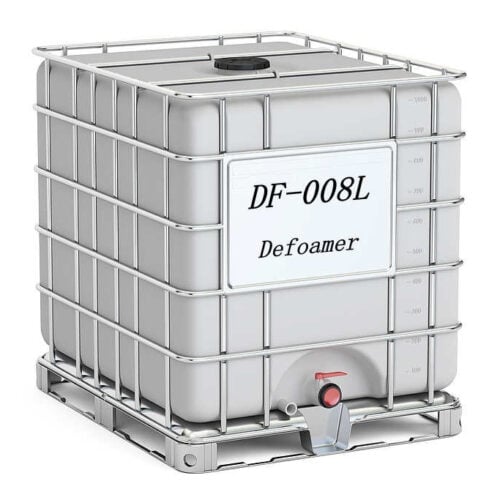
Silicone Modified Polyether Defoamer
DF-008L is a new type of polyether-modified silicone defoamer that offers excellent dynamic defoaming and anti-foaming performance, as well as long-lasting defoaming capabilities. It exhibits exceptional compatibility, combining the performance of silicone defoamers with the compatibility of non-silicone defoamers.
Defoamers help control foam generated during high-speed pigment dispersion and paint application, improving surface uniformity and reducing foam-related defects in interior and exterior emulsion paints.
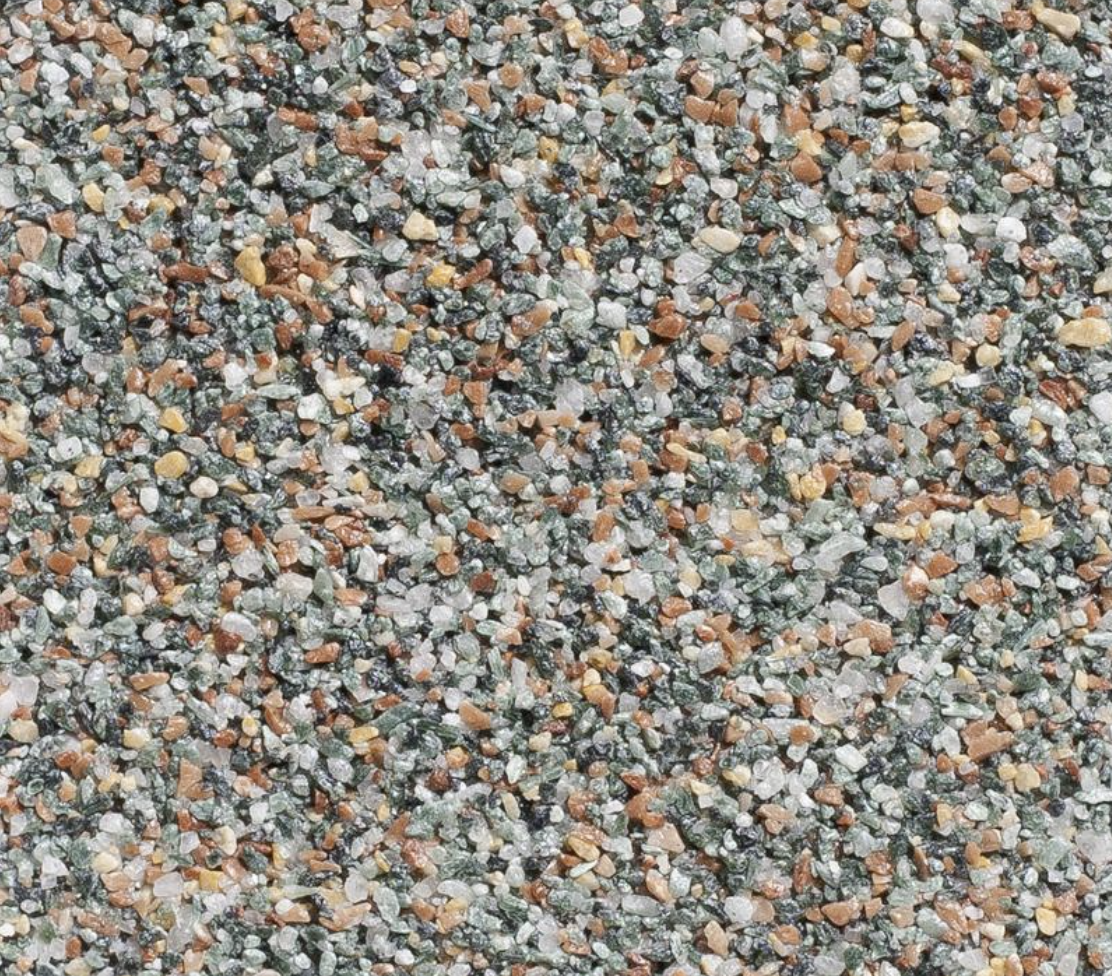
High-performance defoamers help control foam during production and application while maintaining the desired decorative appearance and texture.
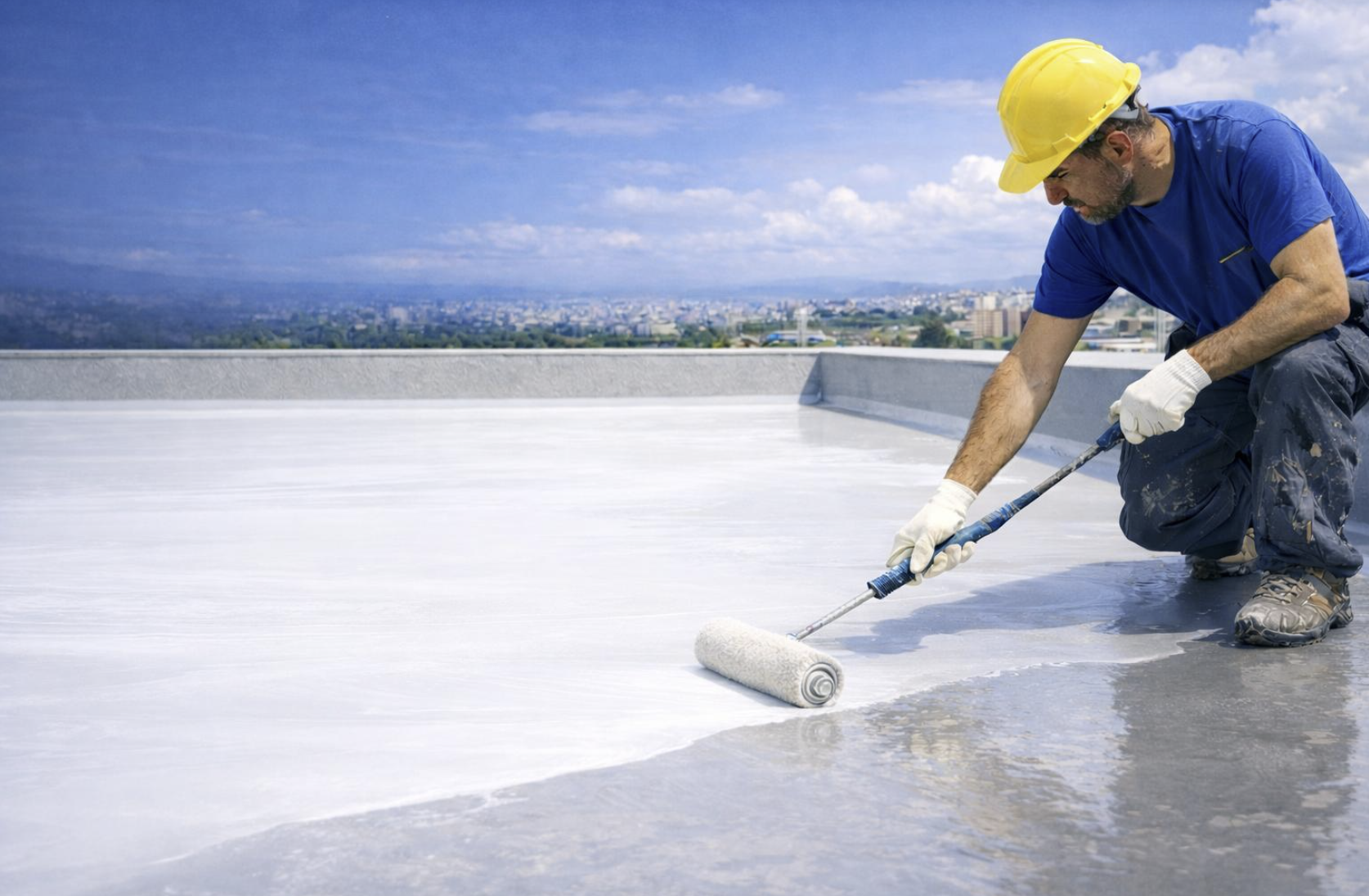
Foam control additives help minimize entrapped air and foam-related pinholes in water-based waterproof coatings, supporting the formation of continuous and uniform coating films.
It is primarily used in cost-effective water-based systems:
It penetrates the foam film via low-surface-tension mineral oil ± fatty acid soap:
Disrupts the stability of the foam liquid film
Causes bubbles to coalesce, rise to the surface, and burst
Functioning more as a “mechanical defoamer” rather than a foam inhibitor
Weak foam inhibition capability (Prone to foam reformation later on)
May cause:
Surface oil stains
Compatibility issues (especially in emulsion systems)
Moderate long-term storage stability
Generally cannot be a complete substitute:
Not stable enough in high-performance coatings/self-leveling systems
Often used as a “base defoamer + silicone supplement”
High-performance water-based systems:
It operates on a “dual mechanism of bubble breaking and foam suppression”:
Generally recommended:
Because mortar systems:
Common causes: