Rheology & Thickener

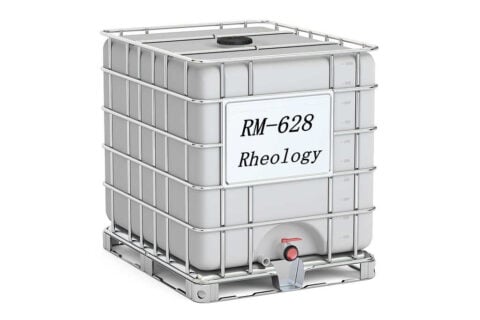
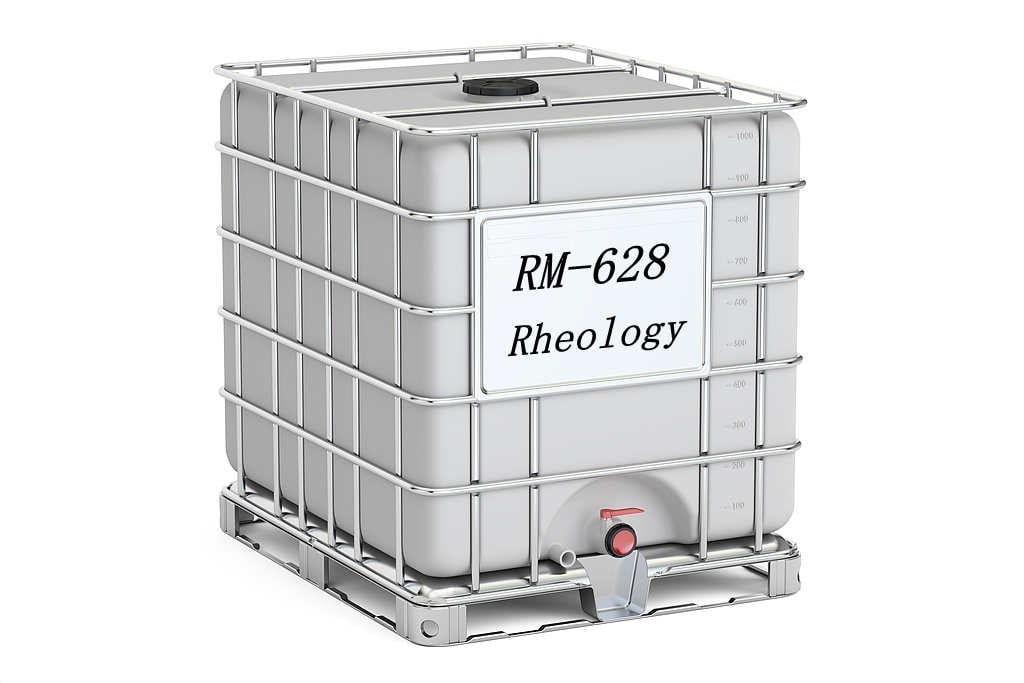
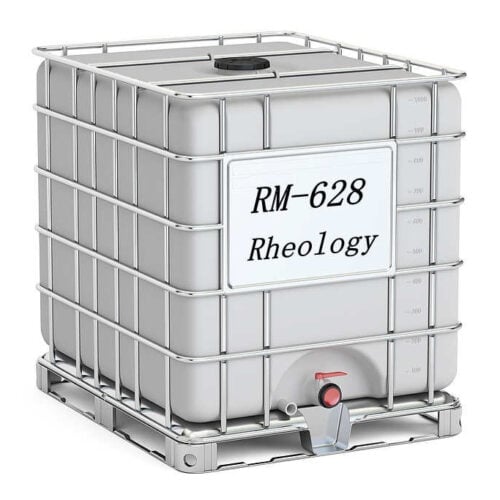
02 RM-628

Type:ASE (Alkali-Soluble Emulsion)

RM-628 is an alkali-swelling emulsion-based thickener. When diluted with water and neutralized with an alkali, its emulsion particles swell rapidly; under these conditions, the emulsion becomes clear and highly viscous. Compared to high-molecular-weight cellulose-based thickeners, RM-628 also reduces splatter during roller application. Because it does not contain cellulose, it exhibits high resistance to microbial and enzymatic degradation, ensuring long-term stability of the coating’s viscosity.
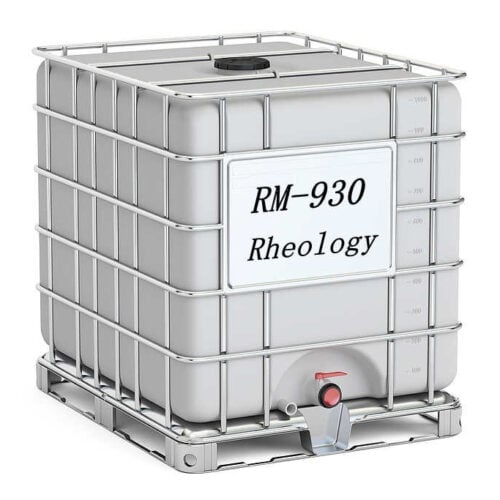
03 RM-930

Type:HASE (Hydrophobically modified Alkali-Soluble Emulsion)

RM-930 is an anionic, hydrophobic-modified, alkali-swellable associative thickener (HASE). Under acidic conditions, the particles contract; upon addition of alkali, the carboxyl groups are neutralized, causing the polymer chains to rapidly extend and significantly increasing the system’s viscosity. RM-930 offers high thickening efficiency and excellent rheological properties. It is primarily used to significantly increase the system’s intermediate shear viscosity (KU viscosity) and effectively improve flow leveling and splash resistance.

04 RM-810

Type:HEUR (Hydrophically modified Ethoxylated Urethane)

RM-810(HEUR) is a nonionic associative thickener that achieves highly effective thickening and rheological control by forming a dynamic associative network between its hydrophobic groups and emulsion particles, surfactants, and resin particles. It does not require pH activation and belongs to a nonionic thickening system.

  • Strong pseudoplastic rheology: The molecular structure of RM810 is designed to form a high-strength, hydrophobic, associative three-dimensional network under static or low-shear conditions.
  • Excellent out-of-can texture: It imparts exceptional out-of-can consistency and wall-clinging properties to water-based systems (with a significant increase in KU viscosity), giving the coating a rich, viscous appearance.
  • Anti-settling and anti-sagging: Relying on a robust network structure to lock in filler particles, it offers excellent resistance to separation and sagging, making it particularly suitable for preventing sagging on vertical surfaces in high-build coatings
  • Nonionic associative thickener; its performance is not affected by pH and can be used over a wide pH range
  • Resistant to microbial and enzymatic degradation

05 Questions & Answers

  1. 1
    What are rheology modifiers used for?

    Rheology modifiers are essential additives used to control viscosity, flow behavior, leveling, sag resistance, and stability in waterborne systems. They help optimize application properties and improve the final appearance of coatings, adhesives, and construction materials.

    Typical applications include:

    • Architectural coatings
    • Industrial coatings
    • Texture paints
    • Waterproof coatings
    • Adhesives and sealants
    • Pigment pastes
    • Waterborne inks
  2. 2
    What is ASE (Alkali-Soluble Emulsion)?

    ASE is an anionic acrylic thickener supplied as an emulsion. Upon neutralization with alkali, the polymer swells and significantly increases viscosity.

    ASE thickeners are widely used for economical viscosity control in water-based coatings and adhesives.

    Main Advantages

    • High thickening efficiency
    • Excellent water retention
    • Easy incorporation
    • Cost-effective solution
    • Good storage stability
    • Suitable for low and medium PVC formulations

    Typical Applications

    • Interior wall paints
    • Primers
    • Adhesives
    • Sealants
    • Waterborne coatings
  3. 3
    How does ASE work?

    ASE polymers remain coiled in acidic conditions. After neutralization with ammonia or amines, the polymer chains expand, increasing the viscosity of the system through electrostatic repulsion and hydration.

    This mechanism provides effective low-shear viscosity and anti-settling performance.

  4. 4
    What are the limitations of ASE thickeners?

    Compared with associative thickeners, ASE products may exhibit:

    • Lower leveling properties
    • Lower spatter resistance
    • Limited high-shear viscosity control
    • Reduced gloss development

    Therefore, ASE is mainly used in economical and conventional formulations.

  5. 5
    What is HASE (Hydrophobically Modified Alkali-Soluble Emulsion)?

    HASE is an advanced acrylic rheology modifier containing hydrophobic groups that provide both alkali swelling and associative thickening mechanisms.

    Compared with conventional ASE, HASE delivers superior balance between low-shear and high-shear viscosity.

    Main Advantages

    • Excellent sag resistance
    • Improved leveling
    • Enhanced spatter resistance
    • Better film appearance
    • High thickening efficiency
    • Broad compatibility with latex systems

    Typical Applications

    • Interior and exterior wall paints
    • High-PVC coatings
    • Texture paints
    • Waterproof coatings
    • Premium architectural coatings
  6. 6
    What are the benefits of HASE compared with ASE?
    Property ASE HASE
    Cost Efficiency Excellent Very Good
    Low-Shear Viscosity Excellent Excellent
    High-Shear Viscosity Moderate Excellent
    Leveling Good Excellent
    Spatter Resistance Moderate Excellent
    Gloss Development Moderate Better
    Storage Stability Good Excellent
    Premium Paint Applications Limited Excellent
  7. 7
    Why is HASE preferred in premium coatings?

    HASE thickeners provide associative interactions between hydrophobic groups and latex particles, resulting in:

    • Better viscosity balance
    • Improved roller application
    • Excellent anti-sag properties
    • Reduced splashing
    • Superior film formation
    • Enhanced brushability and leveling
  8. 8
    What is HEUR (Hydrophobically Modified Ethoxylated Urethane)?

    HEUR is a nonionic associative polyurethane thickener that controls rheology through hydrophobic interactions with latex particles and surfactants.

    HEUR thickeners are widely used in high-performance waterborne coatings where excellent flow, leveling, and gloss are required.

    Main Advantages

    • Outstanding leveling
    • Excellent gloss development
    • Superior flow properties
    • Low spatter during roller application
    • Broad compatibility
    • Good color acceptance
    • Excellent scrub resistance

    Typical Applications

    • Premium interior paints
    • Exterior coatings
    • Semi-gloss and gloss paints
    • Industrial coatings
    • Wood coatings
    • Waterborne protective coatings
  9. 9
    How does HEUR work?

    HEUR molecules contain hydrophobic groups connected by water-soluble polyethylene oxide chains.

    These hydrophobic groups associate with:

    • Latex particles
    • Pigments
    • Surfactants

    forming a three-dimensional network that provides controlled viscosity and excellent application properties.

  10. 10
    What are the advantages of HEUR compared with HASE?
    Property HASE HEUR
    Thickening Mechanism Anionic associative Nonionic associative
    Water Resistance Good Excellent
    Leveling Very Good Excellent
    Gloss Development Good Excellent
    Color Acceptance Good Excellent
    Scrub Resistance Good Excellent
    Water Sensitivity Moderate Low
    High-End Coatings Very Good Excellent
  11. 11
    Which thickener is suitable for matte, semi-gloss, and gloss paints?

    Matte Paints

    Recommended:

    • ASE
    • HASE

    Benefits:

    • High low-shear viscosity
    • Excellent anti-settling
    • Cost-effective formulation

    Semi-Gloss Paints

    Recommended:

    • HASE + HEUR combination

    Benefits:

    • Balanced rheology
    • Good leveling
    • Improved film appearance

    High-Gloss Paints

    Recommended:

    • HEUR

    Benefits:

    • Superior gloss
    • Excellent flow and leveling
    • Outstanding brush and roller application
  12. 12
    Can ASE, HASE, and HEUR be used together?

    Yes. Combining different rheology modifiers allows formulators to optimize:

    • KU viscosity
    • ICI viscosity
    • Sag resistance
    • Leveling properties
    • Splash resistance
    • Storage stability

    Many premium architectural coatings use HASE + HEUR combinations to achieve the best balance of application and appearance.

  13. 13
    Are these products suitable for low-VOC formulations?

    Yes. rheology modifiers are designed for modern environmentally friendly systems and support:

    • Low-VOC coatings
    • APEO-free formulations
    • Waterborne systems
    • High-solid coatings
    • Sustainable production processes
  14. 14
    Which industries use ASE, HASE, and HEUR thickeners?

    Architectural Coatings

    • Interior wall paints
    • Exterior wall paints
    • Texture coatings

    Industrial Coatings

    • Metal coatings
    • Wood coatings
    • Protective coatings

    Waterproofing Materials

    • Acrylic waterproof coatings
    • Elastomeric coatings

    Adhesives and Sealants

    • Waterborne adhesives
    • Construction sealants

    Inks and Pigment Pastes

    • Waterborne printing inks
    • Color concentrates

06 Product Videos