Dispersants

01 Overview

High-Performance Waterborne Pigment & Filler Dispersants are specially developed additives designed for efficient dispersion and long-term stabilization of inorganic pigments, organic pigments, and mineral fillers in water-based formulations. They help achieve excellent color development, improved gloss, reduced viscosity, and enhanced storage stability while maintaining compatibility with a wide range of binder systems.

02 D-3010

Type: Hydrophobic Copolymer Dispersant

D-3010 is a high-performance, water-based dispersant for pigments and fillers based on a hydrophobic copolymer sodium salt. It offers high dispersion efficiency and low foaming properties, and can improve the flow and film-forming properties of coatings while effectively stabilizing slurry viscosity. It is widely used in pure acrylic, styrene-acrylic, and vinyl acetate-acrylic coating systems.

  •  Highly effective with inorganic pigments; offers high dispersion efficiency, and only a small amount is needed to achieve ideal dispersion results.
  • Highly versatile, suitable for formulation systems using various types of emulsions; provides good gloss retention, excellent water resistance, and aids in film formation and color development; suitable for coatings ranging from matte to glossy.
  • Excellent color development and gloss, low foaming, high efficiency, low foaming, high solids content, and an excellent cost-performance ratio, simplifying production operations.
  • Enhances film-forming and anti-corrosion properties.
  • Excellent compatibility with hydrophobic-modified polyurethane (HEUR) thickeners and leveling agents; good stability; overall excellent compatibility; and an excellent cost-performance ratio.
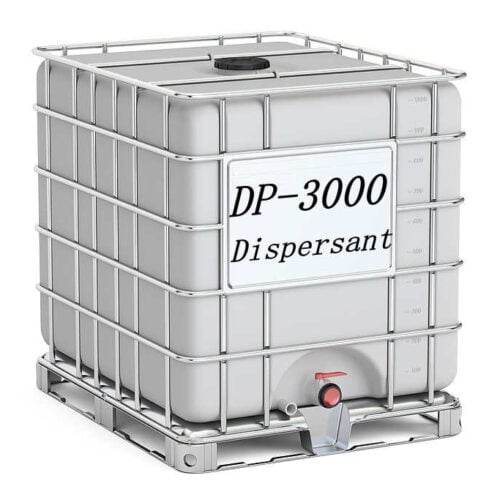
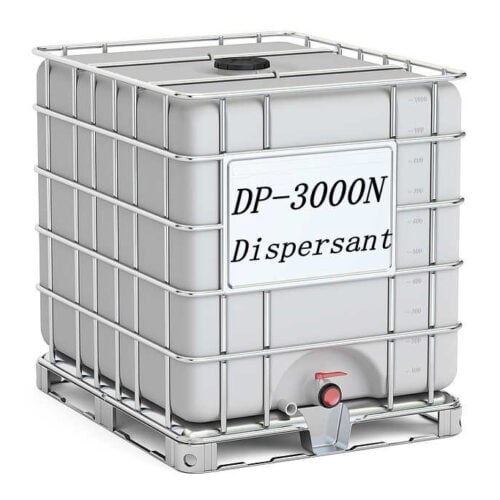
03 DP-3000

Type:Sodium Polycarboxylate

Dispersants are one of the key additives in coating formulations. Their primary function is to uniformly disperse pigments and fillers throughout the system and prevent particle re-agglomeration, thereby improving the stability, tinting strength, and application performance of the coating. DP-3000 is an anionic polymer dispersant widely used for the dispersion of pigments and fillers (such as titanium dioxide, kaolin, and heavy calcium carbonate) in water-based coating systems, as well as in water treatment and as a dispersant for ceramics.

  • Exceptional viscosity-reducing properties; disperses mineral powders such as calcium carbonate and kaolin
  • Excellent storage stability; prevents re-agglomeration
  • Alkali- and heat-resistant: Extremely high dispersion efficiency in alkaline process environments with a pH of 7.0–12.0

04 DP-3000N

Type:Ammonium Polycarboxylate

DP-3000N is an anionic polymer dispersant, specifically an ammonium polycarboxylate-based dispersant. It provides excellent dispersion performance for titanium dioxide and inorganic fillers, offering high dispersion efficiency and good storage stability. Due to the volatilization of the ammonium salts, it exhibits better water resistance than DP-3000.

  • Excellent water resistance
  • Outstanding viscosity-reducing properties; effectively disperses mineral powders such as calcium carbonate and kaolin
  • Alkali- and heat-resistant: exhibits extremely high dispersion efficiency in alkaline process environments with a pH range of 7.0–12.0

05 Questions & Answers

  1. 1
    What are waterborne dispersants used for?

    Waterborne dispersants are essential additives that improve the wetting, dispersion, and stabilization of pigments and mineral fillers in water-based systems. They help reduce viscosity, prevent flocculation, enhance color development, and improve storage stability.

    Typical applications include:

    • Architectural coatings
    • Industrial paints
    • Pigment concentrates
    • Waterborne inks
    • Adhesives and sealants
    • Construction chemicals
  2. 2
    What is Sodium Polycarboxylate Dispersant?

    Sodium Polycarboxylate is an anionic polymer dispersant designed for efficient dispersion of inorganic pigments and mineral fillers. It provides excellent electrostatic repulsion, preventing particle agglomeration and maintaining stable suspensions.

    Main Advantages

    • Excellent dispersing efficiency
    • Reduced slurry viscosity
    • High filler loading capability
    • Improved storage stability
    • Cost-effective performance

    Suitable for

    • Titanium dioxide (TiO₂)
    • Calcium carbonate
    • Kaolin
    • Talc
    • Barium sulfate
    • Silica

    Typical Applications

    • Interior and exterior wall paints
    • Putty compounds
    • Ceramic slurries
    • Construction materials
    • Pigment pastes
  3. 3
    What is Ammonium Polycarboxylate Dispersant?

    Ammonium Polycarboxylate is a highly effective dispersant that offers excellent compatibility with various waterborne resin systems. It provides outstanding pigment stabilization and contributes to better color development and gloss.

    Main Advantages

    • Excellent pigment wetting capability
    • Low viscosity at high pigment concentrations
    • Improved gloss and color strength
    • Good compatibility with acrylic emulsions
    • Enhanced storage stability

    Suitable for

    • Titanium dioxide
    • Organic pigments
    • Carbon black
    • Iron oxides
    • Extender pigments

    Typical Applications

    • Decorative paints
    • Industrial coatings
    • Pigment concentrates
    • Waterborne inks
    • Water-based adhesives
  4. 4
    What is a Hydrophobic Copolymer Dispersant?

    Hydrophobic Copolymer Dispersants utilize steric stabilization technology to provide exceptional pigment dispersion and long-term stability. Their hydrophobic anchoring groups strongly adsorb onto pigment surfaces, while polymer chains prevent re-agglomeration.

    Main Advantages

    • Outstanding color development
    • Superior gloss and transparency
    • Excellent viscosity reduction
    • Exceptional anti-flocculation performance
    • Long-term storage stability
    • High pigment loading capability

    Suitable for

    • Organic pigments
    • Carbon black
    • Titanium dioxide
    • High-performance colorants

    Typical Applications

    • Premium architectural paints
    • Industrial coatings
    • Automotive coatings
    • Pigment concentrates
    • Waterborne inks
  5. 5
    What is the difference between Sodium Polycarboxylate and Ammonium Polycarboxylate?
    Property Sodium Polycarboxylate Ammonium Polycarboxylate
    Cost Performance Excellent Excellent
    Inorganic Filler Dispersion Excellent Excellent
    Organic Pigment Compatibility Good Very Good
    Color Development Good Better
    Gloss Improvement Good Better
    Resin Compatibility Good Excellent
    Storage Stability Excellent Excellent
    Recommended Applications Economy to Medium Grade Coatings Medium to High Grade Coatings
  6. 6
    Why choose Hydrophobic Copolymer Dispersants instead of conventional polycarboxylates?

    Hydrophobic Copolymer Dispersants provide both electrostatic and steric stabilization mechanisms, resulting in:

    • Better color strength and tinting efficiency.
    • Lower viscosity at higher pigment loading.
    • Improved gloss and transparency.
    • Superior anti-settling performance.
    • Enhanced long-term storage stability.
    • Reduced grinding time and energy consumption.

    These properties make them ideal for premium coatings and high-performance pigment concentrates.

  7. 7
    Which pigments and fillers can be dispersed?

    Our dispersants are suitable for:

    Inorganic Pigments

    • Titanium Dioxide (TiO₂)
    • Iron Oxides
    • Zinc Oxide
    • Carbon Black

    Organic Pigments

    • Phthalocyanine Blue
    • Phthalocyanine Green
    • Quinacridone Pigments
    • Azo Pigments

    Mineral Fillers

    • Ground Calcium Carbonate (GCC)
    • Precipitated Calcium Carbonate (PCC)
    • Talc
    • Kaolin
    • Barium Sulfate
    • Silica
    • Wollastonite
  8. 8
    How much dispersant should be added?

    Typical dosage depends on pigment type and surface area:

    • Titanium dioxide: 0.2–1.0% on pigment weight
    • Calcium carbonate: 0.1–0.5%
    • Organic pigments: 5–30%
    • Carbon black: 10–50%

    Optimization through laboratory testing is recommended for best performance.

  9. 9
    Can these dispersants reduce grinding time?

    Yes. High-performance dispersants improve pigment wetting and particle separation, resulting in:

    • Faster grinding
    • Lower energy consumption
    • Improved mill efficiency
    • Higher throughput
    • More uniform particle size distribution
  10. 10
    Are these products suitable for low-VOC and environmentally friendly formulations?

    Yes. Sodium Polycarboxylate, Ammonium Polycarboxylate, and Hydrophobic Copolymer Dispersants are designed for modern waterborne systems and support:

    • Low VOC formulations
    • APEO-free systems
    • Environmentally friendly coatings
    • High-solid formulations
    • Sustainable production processes

06 Product Videos

07 Related Products