
How Polyanionic Cellulose (PAC) Improves Water-Based Drilling Fluids
Water-based drilling fluids are widely used in oil and gas exploration because they are cost-effective, environmentally friendly, and suitable for a variety of drilling conditions. To achieve reliable drilling performance, these fluids require functional additives that improve stability and control filtration.
Polyanionic Cellulose (PAC) is one of the most widely used cellulose derivatives in water-based drilling fluids. It serves as an effective fluid loss reducer and rheology modifier, helping drilling operations achieve greater efficiency and wellbore stability.

Why Fluid Loss Control Is Important?
During drilling, excessive fluid loss can allow drilling fluid to penetrate permeable formations. This may lead to several operational problems, including:
- Formation damage
- Wellbore instability
- Increased drilling costs
- Reduced drilling efficiency
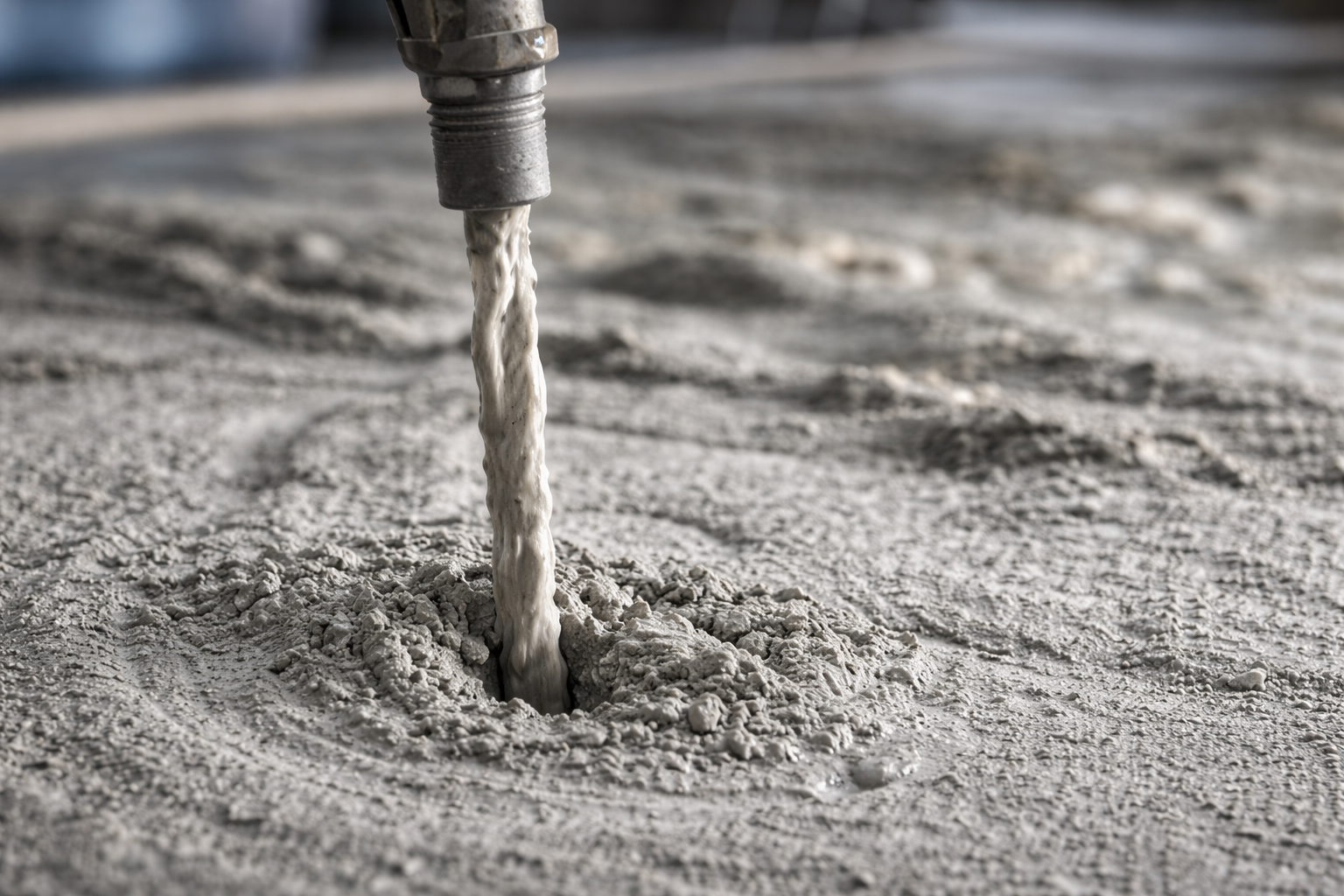
Adding PAC helps minimize filtration by forming a thin, low-permeability filter cake on the wellbore wall, reducing the amount of fluid entering the formation.
Improving Rheological Performance
A stable drilling fluid must be able to suspend drill cuttings and transport them efficiently to the surface.
PAC improves the rheological properties of water-based drilling fluids by:
- Increasing viscosity when needed
- Enhancing cuttings suspension
- Improving carrying capacity
- Maintaining stable flow behavior during circulation
These properties contribute to smoother drilling operations and better hole cleaning.
Enhancing Wellbore Stability
Wellbore stability is essential for safe and efficient drilling.
PAC helps strengthen the filter cake formed on the borehole wall, reducing fluid invasion and minimizing the risk of wellbore collapse. A stable wellbore can also reduce non-productive time and improve drilling efficiency.
Typical Applications of PAC
 Polyanionic Cellulose is widely used in:
- Water-based drilling fluids
- Oil and gas exploration
- Horizontal drilling
- Directional drilling
- Well completion operations
Its reliable performance has made it one of the most important additives in modern drilling fluid systems.
Conclusion
Polyanionic Cellulose (PAC) is an essential additive for water-based drilling fluids. By reducing fluid loss, improving rheology, enhancing wellbore stability, and performing reliably in saline environments, PAC helps optimize drilling efficiency and operational safety.
For oilfield service companies and drilling fluid manufacturers, selecting a high-quality PAC grade is an effective way to improve drilling performance while reducing operational risks.
Cellulose Ether Tech+
Why Microcrystalline Cellulose Is Widely Used in Tablet Manufacturing?
Learn why Microcrystalline Cellulose (MCC) is widely used in tablet manufacturing and how its compressibility and binding properties support direct compression… Continue reading

How Does Cellulose Ether Improve Makeup Longevity?
Makeup not lasting long enough? Cellulose ether is a natural-derived film-forming solution. How to choose between EC, HEC, and HPMC? This article breaks down their applications in lip gloss, foundation, and setting spray… Continue reading

How CMC Makes Ice Cream Creamier with Fewer Ice Crystals?
This article explains four key roles of Sodium Carboxymethyl Cellulose (CMC) in ice cream: preventing ice crystal growth, increasing viscosity, improving mouthfeel, and preventing fat separation, with SIDLEYCHEM food grade CMC solutions… Continue reading

Sodium Carboxymethyl Cellulose in Toothpaste
Discover why Sodium Carboxymethyl Cellulose (CMC) is widely used in toothpaste. Learn how CMC improves consistency, stability, spreadability, and overall oral care product performance… Continue reading
HEC in hand soap
Hydroxyethyl Cellulose (HEC) improves foam stability in hand soap by increasing viscosity, stabilizing foam structure, and enhancing texture, delivering a richer and longer-lasting washing experience… Continue reading
HEC for liquid detergent
Hydroxyethyl Cellulose (HEC) is widely used in liquid detergents due to its excellent thickening performance, surfactant compatibility, and stable rheology, improving product stability and user experience… Continue reading
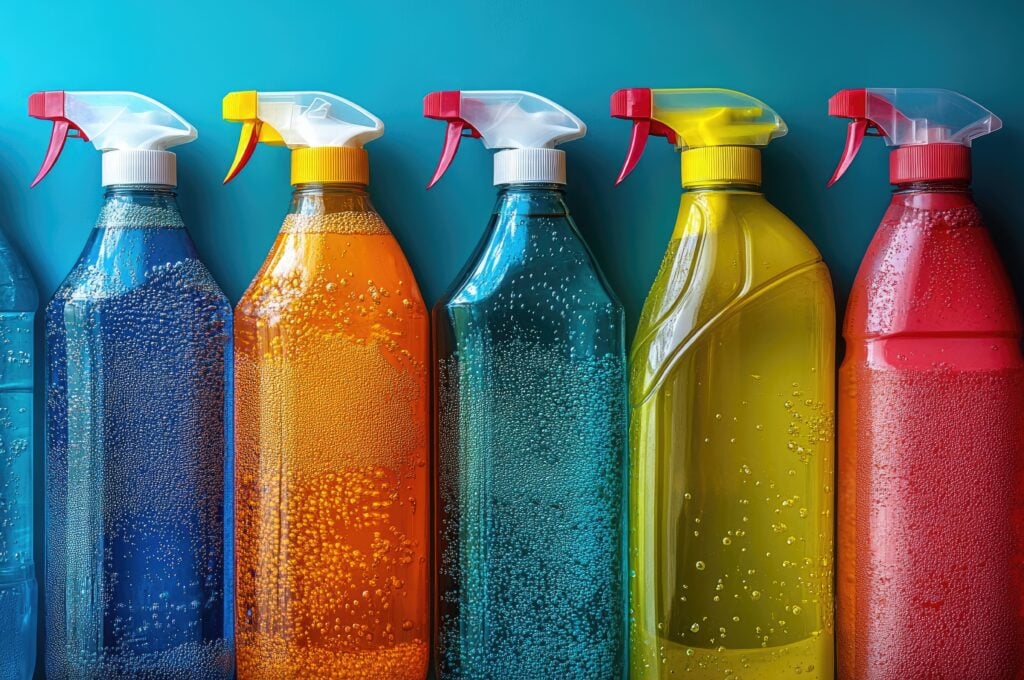
Choosing the Right Cellulose Ether for Detergent Manufacturing
This guide provides a complete framework for selecting cellulose ethers in detergent manufacturing: comparing HEC vs. CMC performance, selection factors, and combination strategies, with SIDLEYCHEM customized product solutions… Continue reading
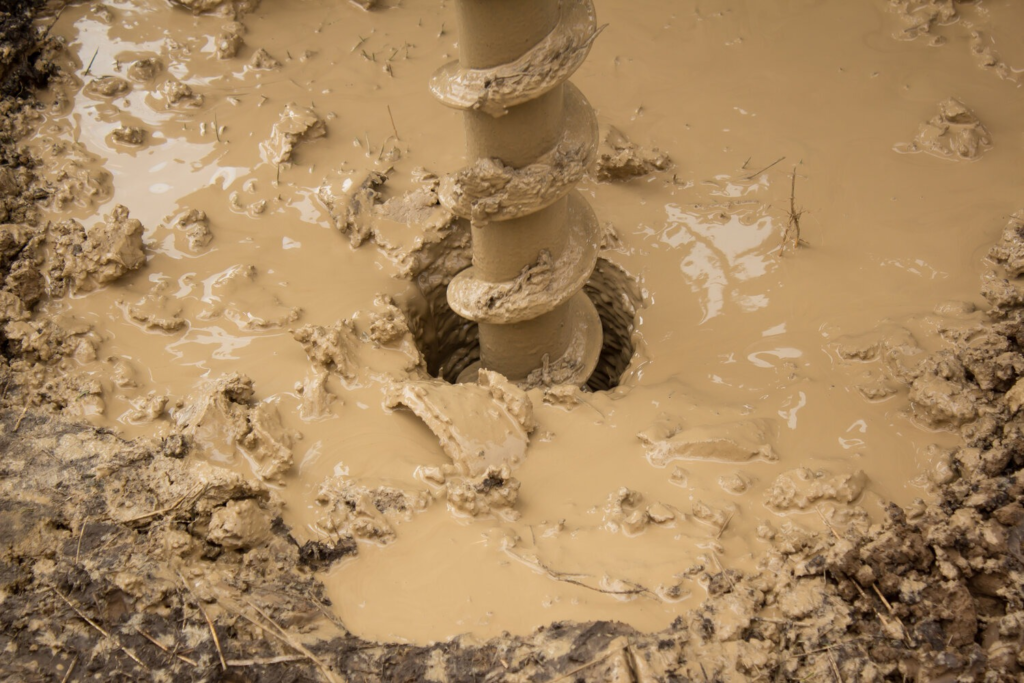
Oilfield Grade CMC Application
This article details the multifunctional applications of oilfield grade CMC in drilling, cementing, and fracturing fluids, including fluid loss reduction, viscosity enhancement, proppant transport, and guar gum replacement, with LVT/HVT and ultra-high viscosity specifications… Continue reading
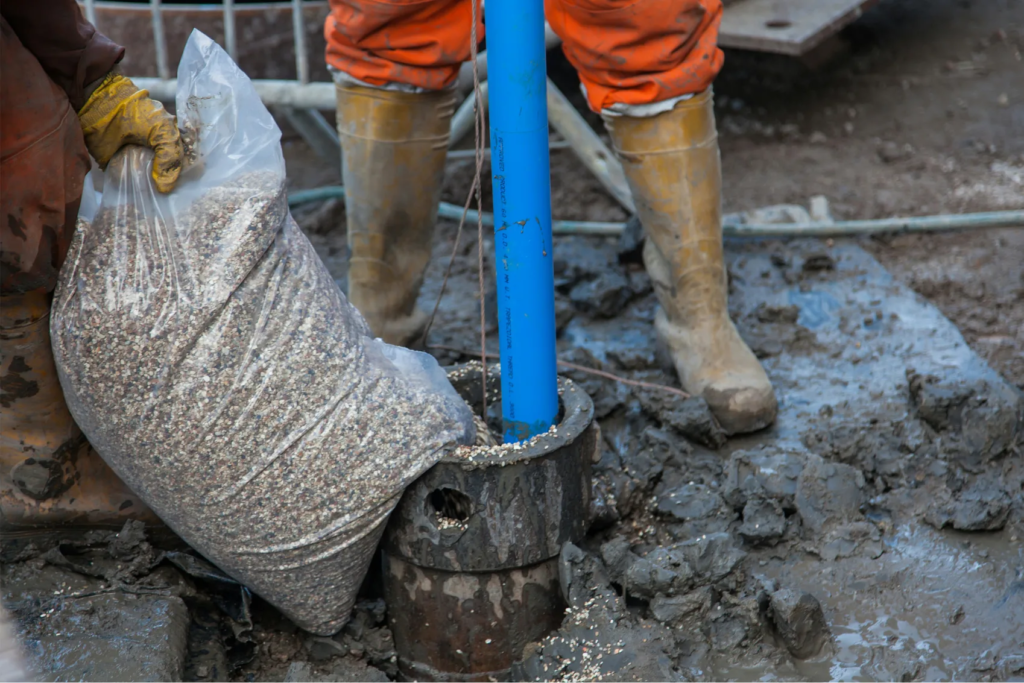
PAC Drilling Fluid Application
This article details oilfield grade PAC applications in drilling fluid solids control, performance regulation, and system stabilization, with PAC-LV/HV specifications… Continue reading
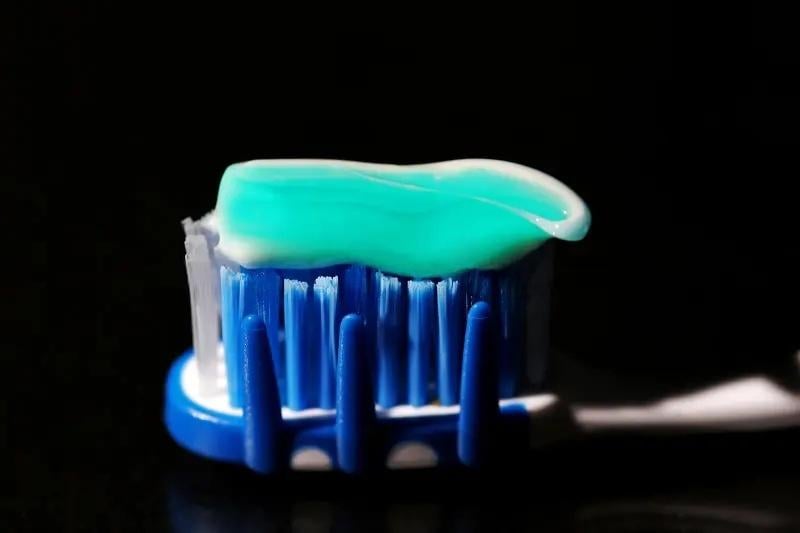
Carboxymethyl Cellulose (CMC) in Toothpaste Industry
This article details key properties of Sodium Carboxymethyl Cellulose (CMC) in toothpaste: effects of viscosity, degree of substitution, substitution uniformity, and salt resistance on paste thickening, ribbon formation, and stability, with selection guidelines for toothpaste-grade … Continue reading
