
Why Does Coating Lose Adhesion?
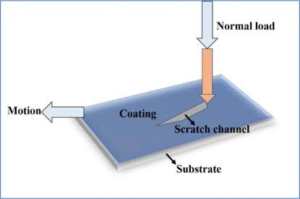 Coating adhesion is one of the most important factors determining the durability and protective performance of a coating system. When a coating loses adhesion, it may peel, flake, blister, or separate from the substrate, leading to premature coating failure and increased maintenance costs.
Poor adhesion can result from improper surface preparation, unsuitable formulation, incorrect application methods, or environmental conditions. Identifying the root cause is essential for improving coating performance and extending service life.
This article explains the common causes of coating adhesion failure and provides practical solutions to prevent it.
What Is Coating Adhesion?
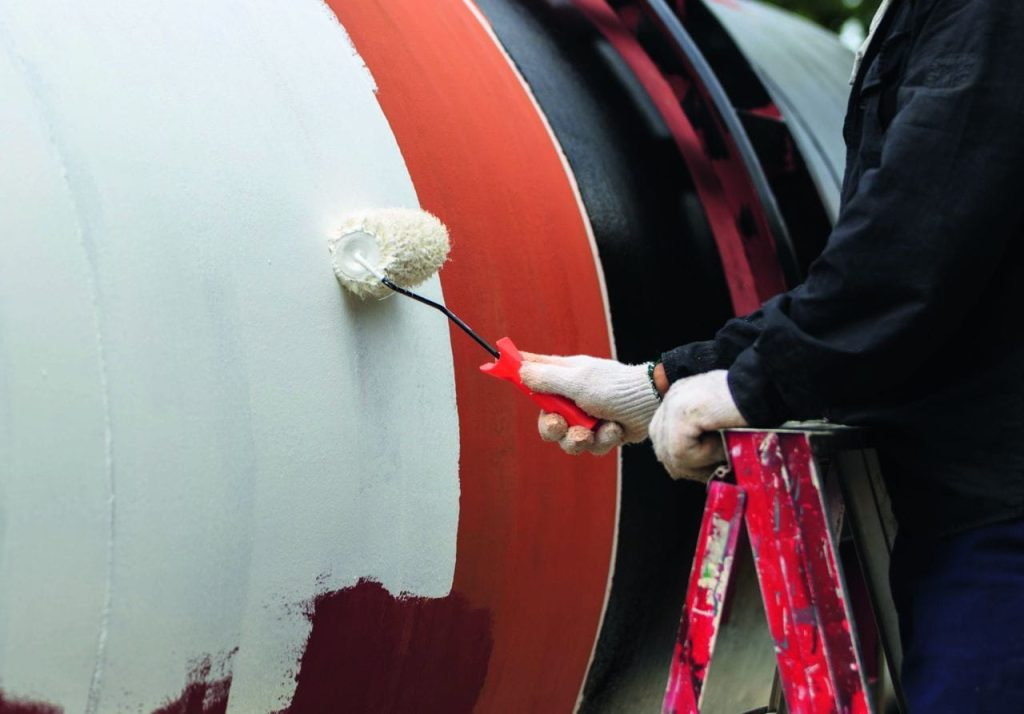
Coating adhesion refers to the ability of a coating film to firmly bond to the substrate. Good adhesion ensures that the coating remains attached under mechanical stress, weather exposure, and chemical attack.
Without sufficient adhesion, even a high-quality coating cannot provide long-term protection.
Common Causes of Poor Coating Adhesion
Inadequate Surface Preparation
Dust, oil, grease, rust, moisture, and old coatings can prevent proper bonding between the coating and the substrate. Surface contamination is one of the leading causes of adhesion failure.
Incorrect Surface Tension
If the coating cannot properly wet the substrate, it will not spread evenly or form a strong bond. Low-energy surfaces such as plastics often require specialized wetting agents or surface treatment.
Poor Formulation Compatibility
Incompatible binders, pigments, fillers, or additives may reduce the overall bonding strength of the coating system. Proper formulation design is essential for achieving reliable adhesion.
Improper Application Conditions
Applying coatings under excessive humidity, low temperatures, or unsuitable drying conditions can interfere with film formation and reduce adhesion.
Insufficient Film Formation
Incomplete film formation caused by inadequate coalescence or improper rheology control may weaken the coating structure and reduce its ability to bond with the substrate.
How to Improve Coating Adhesion
Improving adhesion begins with proper surface preparation. The substrate should be clean, dry, and free from contaminants before coating application.
Selecting suitable wetting agents can improve substrate wetting and ensure better contact between the coating and the surface. Proper rheology modifiers help create a uniform coating film, while dispersants improve formulation stability.
Choosing compatible binders and optimizing additive selection also contribute to stronger adhesion. During application, controlling temperature, humidity, and film thickness helps achieve complete film formation and long-term coating performance.
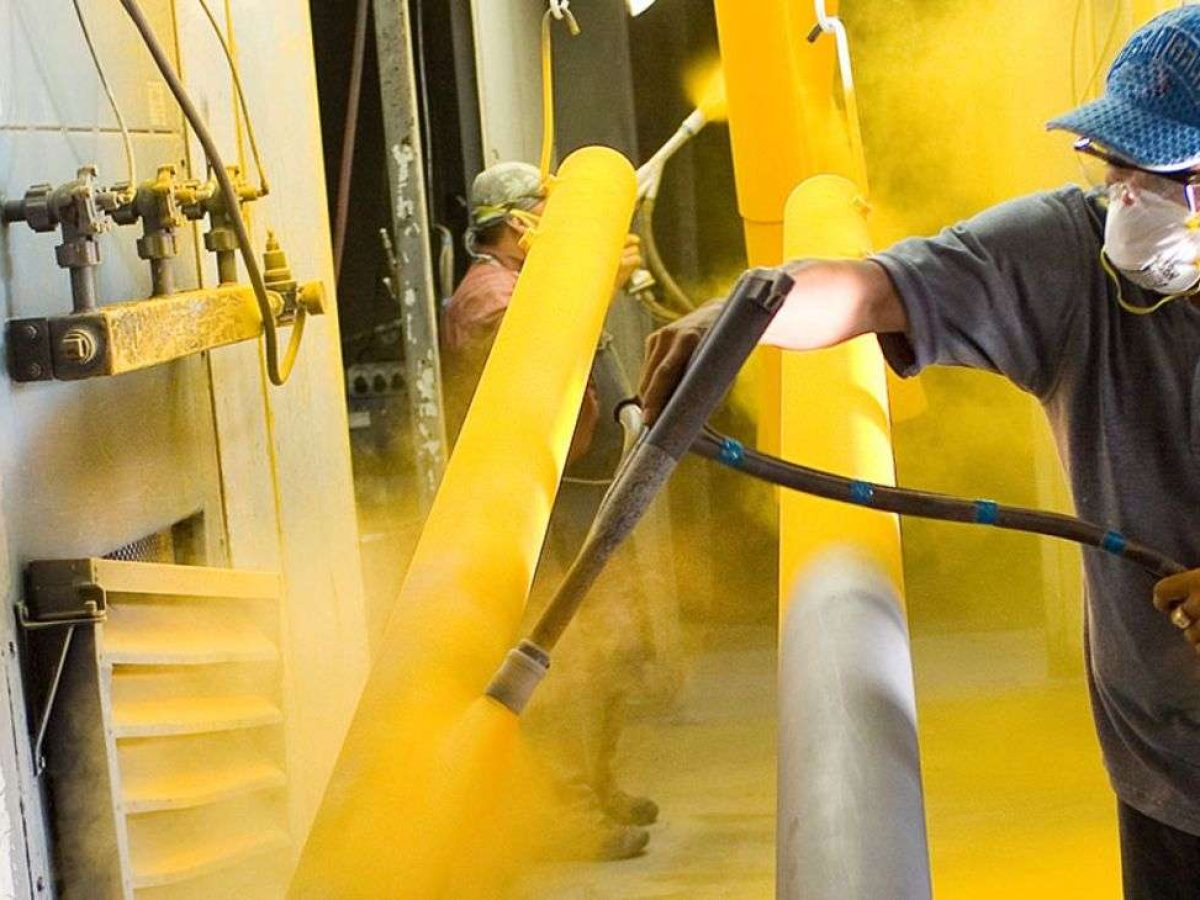
The Role of Additives in Adhesion Performance
 Modern coating additives contribute significantly to adhesion performance.
Wetting agents improve substrate wetting and increase contact between the coating and the surface.
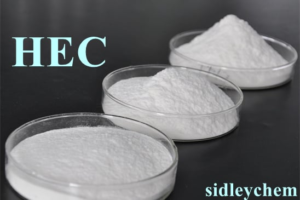
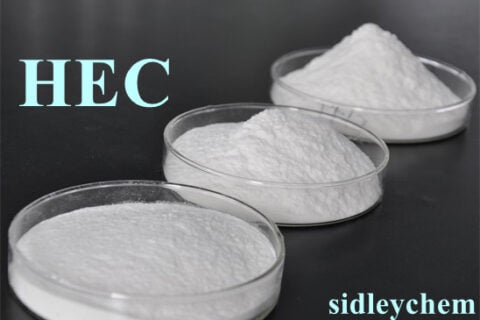
Hydroxyethyl Cellulose (HEC) helps optimize rheology and film uniformity.
Dispersants improve pigment distribution, while defoamers eliminate bubbles that may create weak points within the coating film.
When these additives work together in a balanced formulation, the coating system becomes more durable and reliable.
Conclusion
Coating adhesion is influenced by surface preparation, formulation design, additive selection, and application conditions.
By understanding the causes of adhesion failure and optimizing both materials and processing, manufacturers can significantly improve coating durability, reduce defects, and extend service life.
Coatings Tech+
Paint Sagging Despite Normal Viscosity: Causes & Fixes
Paint can still sag even when viscosity meets QC specifications. Learn how rheology, film thickness, temperature, and thickener selection affect sag resistance… Continue reading
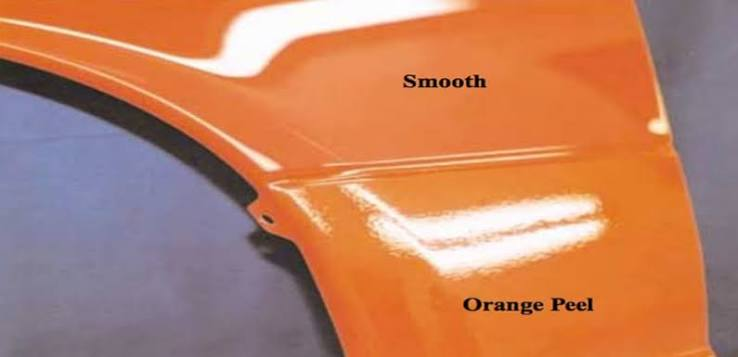
Why Does Orange Peel Occur in Coatings?
Learn why orange peel occurs in coatings and how to prevent it. Discover how viscosity, atomization, surface tension, drying conditions, and coating additives affect leveling and surface appearance… Continue reading
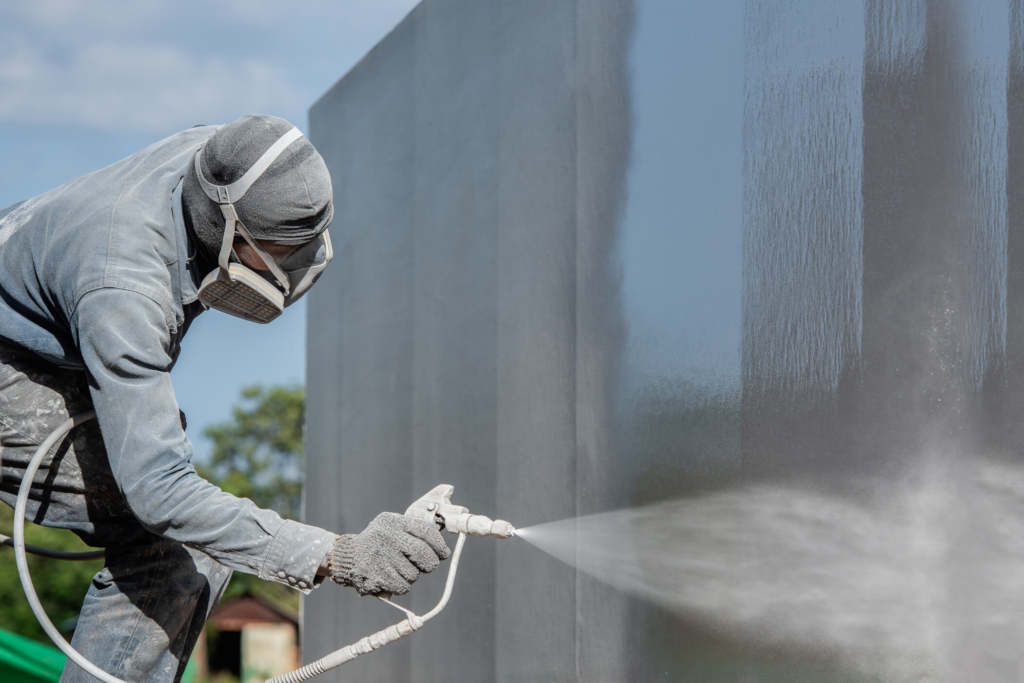
Why Does Exterior Wall Coating Show White Streaks After Rain?
White streaks on exterior wall coating after rain? Rainwater washes out hydrophilic components from the film. This article explains four types of rain marks and provides solutions from emulsion selection, wetting/dispersant control, color paste choice, and topcoat application… Continue reading
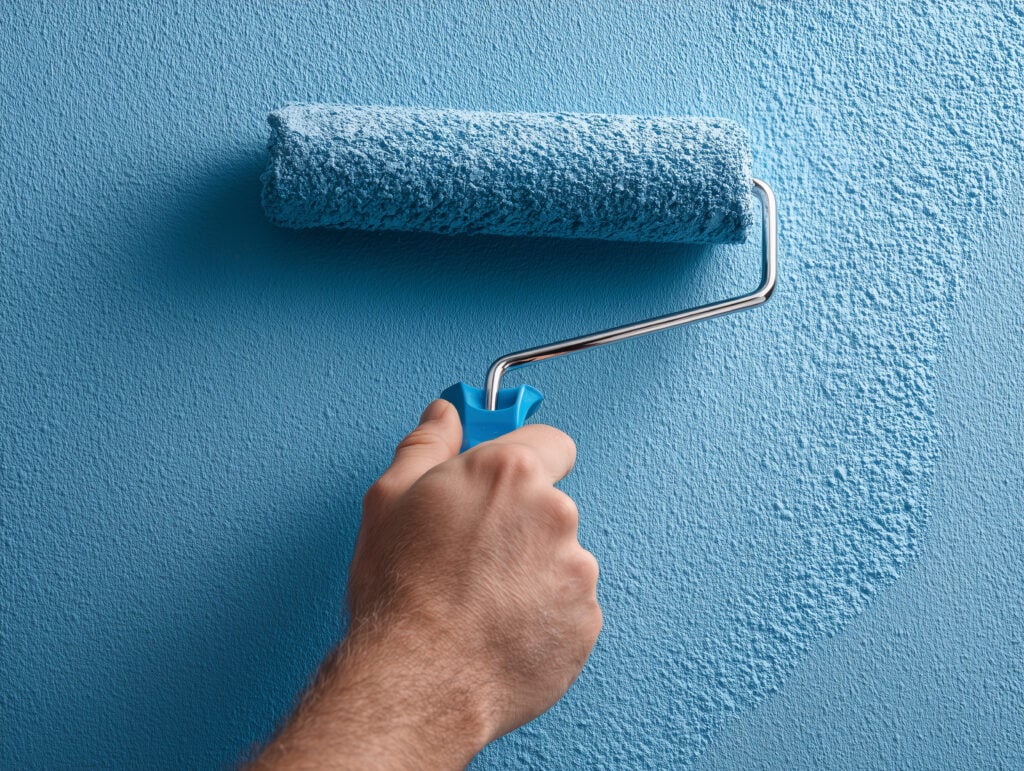
Coating Storage Separation — The Role of Thickeners in Anti-Settling
Coating storage separation is the most common quality headache for manufacturers. Water separation, emulsion separation, and hard settling have different causes and solutions. … Continue reading
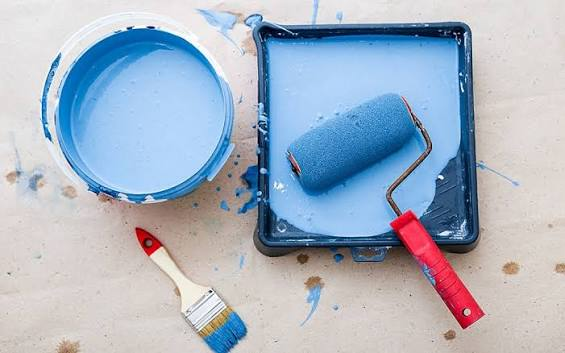
How to Improve Storage Stability of Water-Based Coatings?
Learn how to improve the storage stability of water-based coatings by optimizing formulation design, rheology modifiers, dispersants, preservatives, and production processes. Discover practical solutions to reduce sedimentation, viscosity changes, and phase separation… Continue reading
Wetting agent for water based coatings
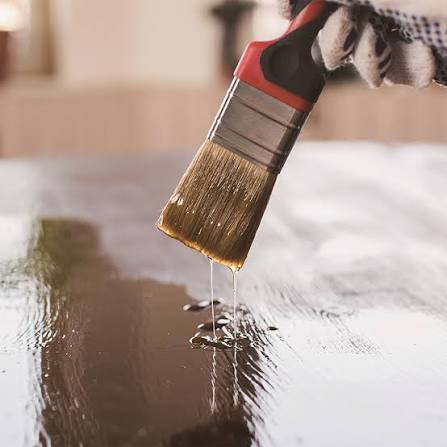
Learn how wetting agents improve coating performance by enhancing substrate wetting, pigment dispersion, and film leveling. Discover their role in water-based coating formulations and how proper selection helps reduce coating defects… Continue reading
Water-based coatings foam control
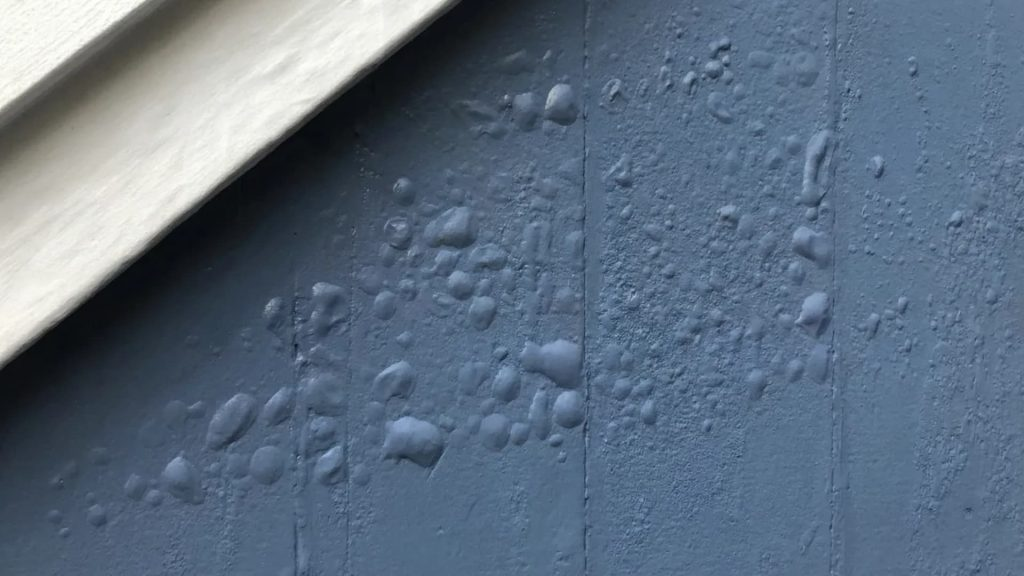
Foam formation is a common issue in water-based coatings. This article explains the causes of foam and how to control it using defoamers, formulation design, and production optimization to improve coating quality and stability… Continue reading
