SidleyChem conducted a practical laboratory comparison of ME H14N30 and a commercially available reference product to examine troweling, vertical application behavior and tile-back mortar transfer.
Why Does Cellulose Ether Selection Matter?
In C2TES2-targeted tile adhesive formulations, achieving the right balance between consistency, slip resistance, workability and tile wetting is essential.
ME H14N30 is a SidleyChem high-molecular-weight cellulose ether grade positioned for formulations involving high polymer content, relatively high water demand and strong thickening requirements.
However, higher thickening performance does not automatically guarantee better overall adhesive performance. The behavior of the complete formulation must be considered.
What Did We Test?
1. Troweling and Mortar Consistency
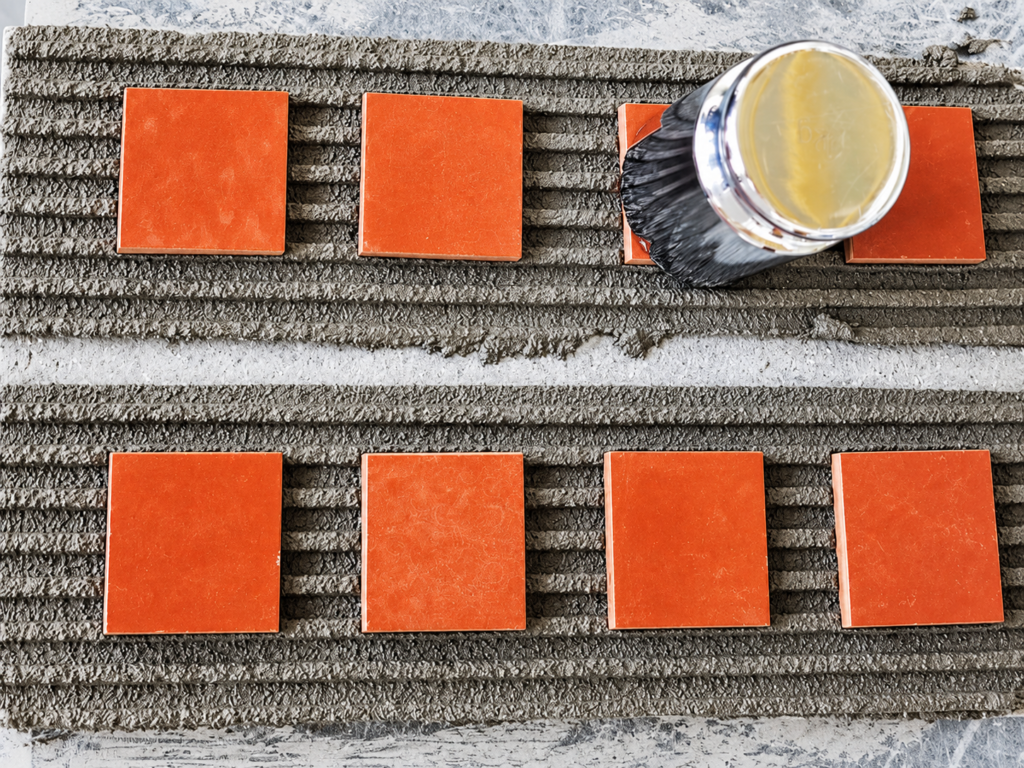
The mortar was applied using a notched trowel to observe ridge formation and fresh-state application behavior.
This provides an initial indication of how the formulation balances thickening and workability during application.
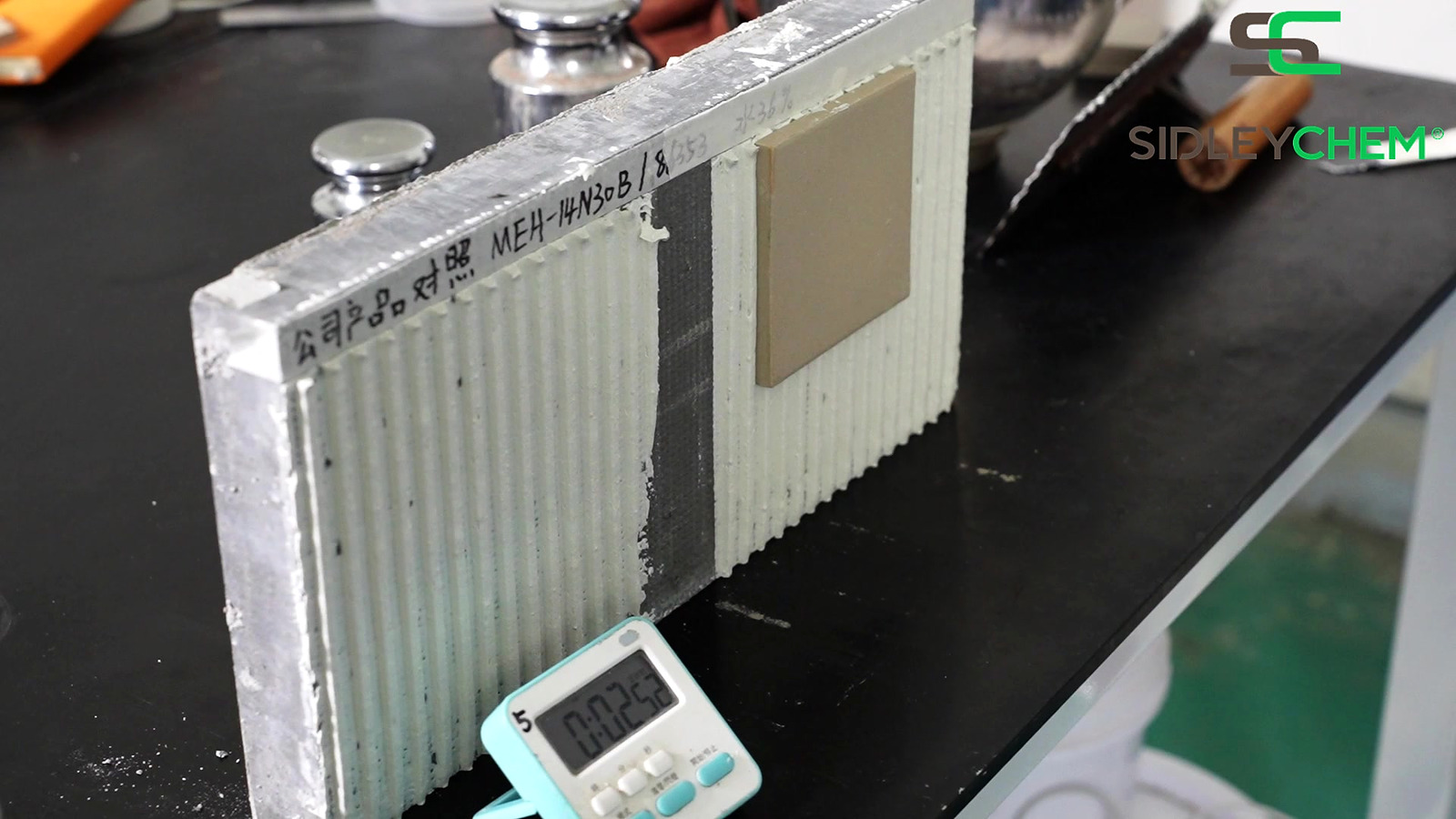
2. Vertical Tile Placement
Test tiles were placed onto the adhesive, and the panel was positioned vertically to observe tile stability.
This demonstration provides a visual assessment of vertical application behavior rather than a quantified slip measurement.
3. Tile Placement at Timed Intervals
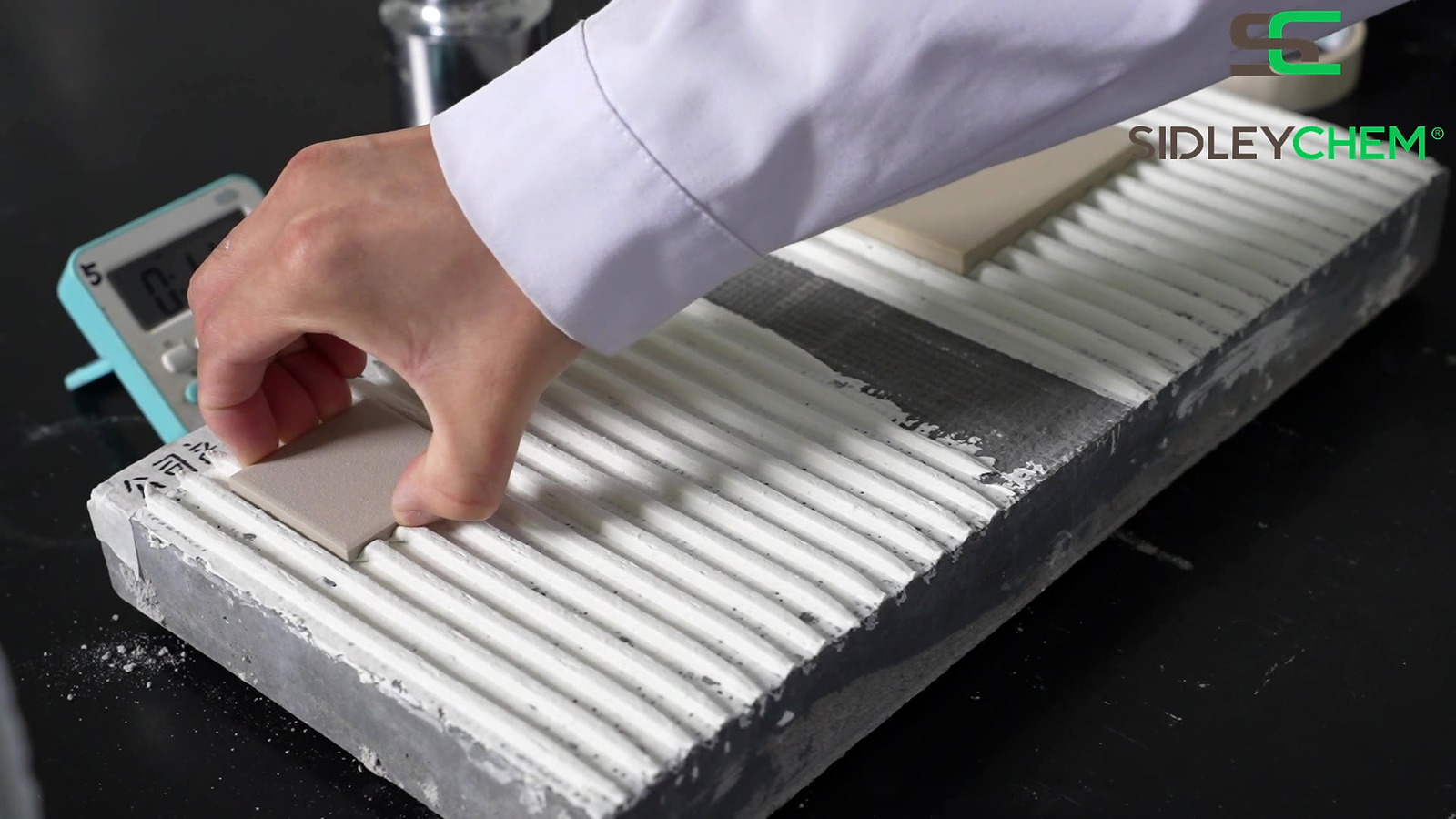
Tiles were placed at approximately 10-minute intervals to observe how the adhesive behaved after different waiting periods.
These observations are useful when considering tile adhesive open time and application characteristics.
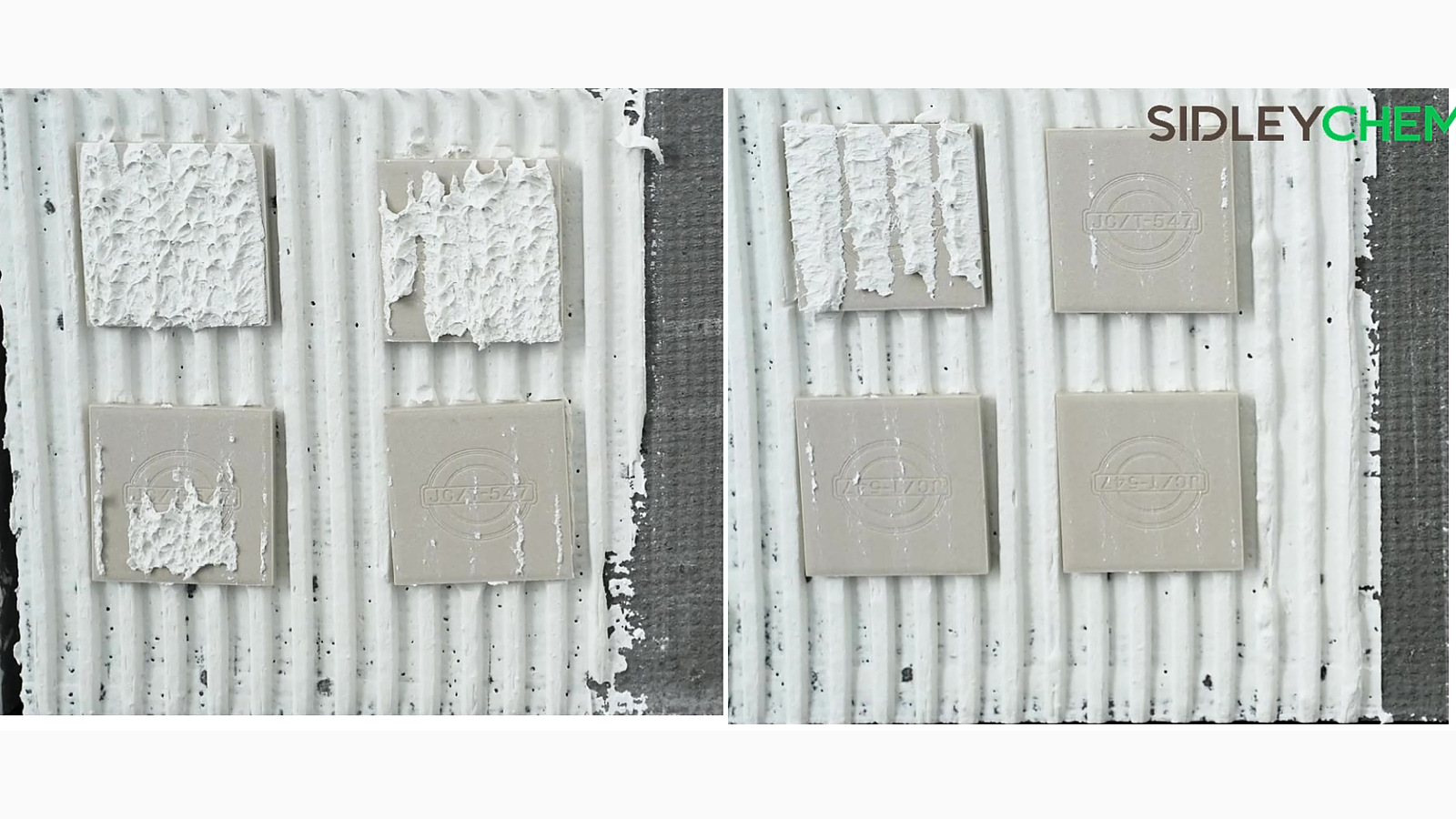
4. Tile-Back Mortar Transfer Comparison
After removing the test tiles, differences in visible mortar transfer could be observed between the ME H14N30 and commercial reference panels.
The comparison provides practical visual information about how the adhesive contacts and transfers onto the tile surface.
What Can We Learn from the Results?
The experiment highlights the importance of evaluating cellulose ether beyond viscosity alone.
For high-polymer-content tile adhesives, troweling behavior, vertical stability, water demand and tile-back mortar transfer should be considered together.
The visible differences can help guide formulation development, but they do not independently establish superiority in bond strength, standardized slip performance or open time.
ME H14N30 is the preferred cellulose ether for C2TES1-grade tile adhesives.
Technical Note: C2TES2 is the target classification of the complete tile adhesive formulation. This laboratory video does not, by itself, demonstrate compliance with all C2TES2 requirements.
Explore Your Formulation with SidleyChem
Selecting the appropriate cellulose ether is essential when developing high-performance tile adhesives.
SidleyChem provides cellulose ether solutions and application support to help manufacturers evaluate additive selection, water demand and formulation performance.
Contact our technical team to discuss ME H14N30 and your tile adhesive formulation requirements.





Drymix Mortar Tech+
Why Does Tile Adhesive Lose Bond Strength After Water Immersion?
Tile adhesive loses bond strength after water immersion? Learn how RDP, water ratio, curing, and polymer balance affect wet adhesion… Continue reading
Waterproof Mortar Still Absorbs Water: Causes & Fixes
Waterproof mortar still absorbs water? Learn how hydrophobic powder, porosity, water ratio, and curing affect water resistance… Continue reading
Self-Leveling Mortar Flow Loss: Causes & Solutions
Self-leveling mortar may have good initial flow but lose workability within minutes. Learn how PCE, cellulose ether, setting time, and temperature affect flow retention… Continue reading
Tile Adhesive Slipping After Adding HPMC: Causes & Fixes
Tile adhesive can still slip even after increasing HPMC. Learn how HPMC grade, water demand, starch ether, thixotropy, and formulation balance affect slip resistance… Continue reading
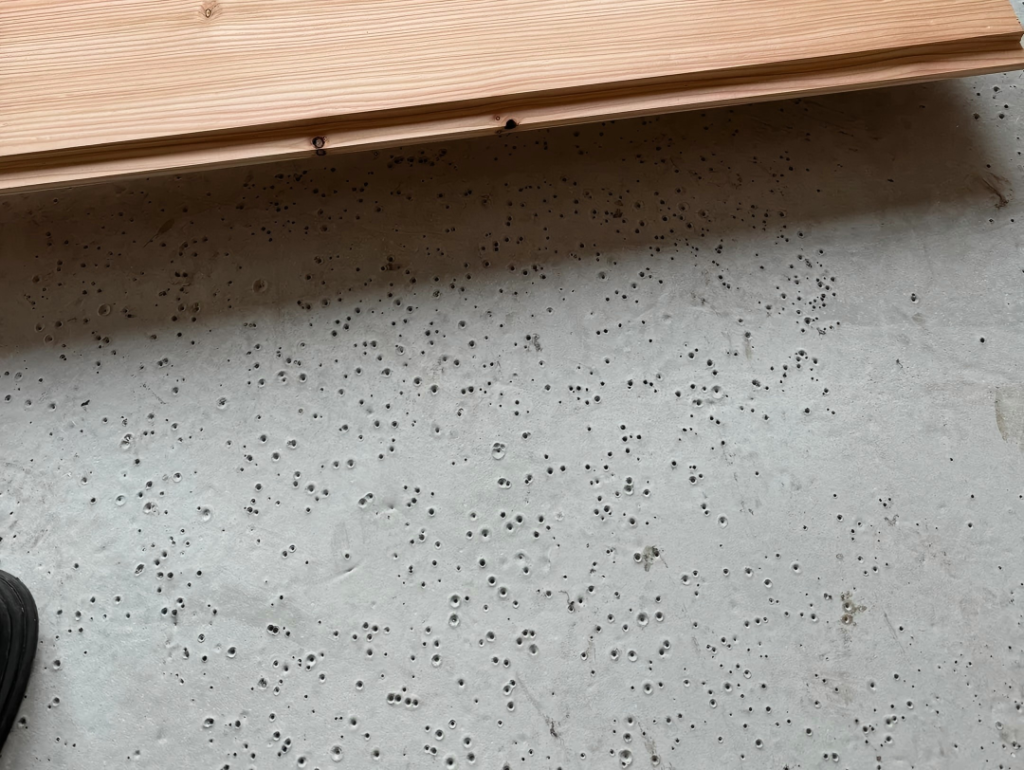
Pinholes in Self-Leveling Mortar: Defoamer, Mixing, or Substrate?
Pinholes in self-leveling mortar are not always caused by insufficient defoamer. This guide explains how to distinguish formulation foam, mixing-induced air, substrate outgassing, and insufficient healing time through a simple three-surface comparison test and practical corrective actions… Continue reading
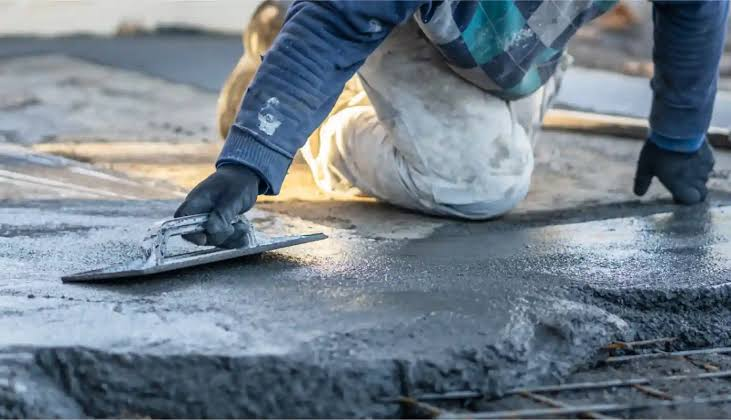
Why Does Dry Mortar Have Poor Water Retention?
Learn why dry mortar has poor water retention and how HPMC and MHEC can improve water retention, workability, and cement hydration in dry-mix mortar… Continue reading
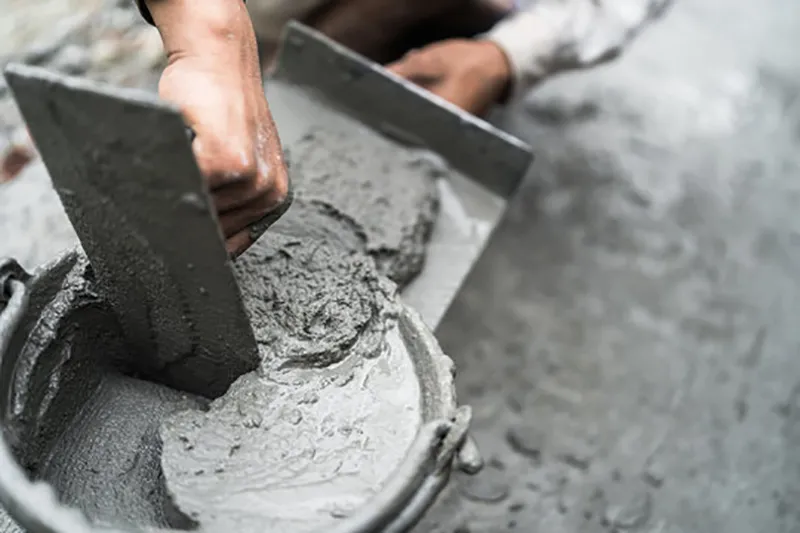
Dry-Mix Mortar Summer Formulation Adjustment
Why does the same formulation fail in summer? The key is cellulose ether. High temperatures cause ordinary HPMC water retention to drop sharply — increase dosage by 0.1%-0.2%, switch to high gel temperature grades, and combine with retarders. This article gives three practical adjustment directions to tackle summer construction challenges… Continue reading
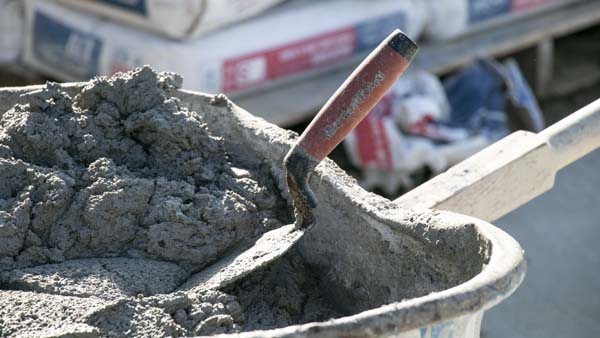
Mortar Setting Too Fast in Summer Heat?
Mortar drying out in half an hour on summer job sites? High-temperature accelerated hydration is the culprit. This article breaks down the features and selection of sodium gluconate, citric acid, tartaric acid, and boric acid retarders, with dosage adjustment and blending strategies to tackle summer construction challenges… Continue reading
Why Does Dry Mix Mortar Cake During Storage?
Discover why dry mix mortar cakes during storage and transportation. Learn how moisture, packaging, raw materials, and formulation affect storage stability, and explore practical solutions to maintain product quality… Continue reading

Why Does Tile Grout Change Color After Curing?
Discover the most common causes of tile grout color inconsistency after curing and learn practical solutions through proper formulation, pigment selection, moisture control, and construction practices… Continue reading