
Dry-Mix Mortar Summer Formulation Adjustment
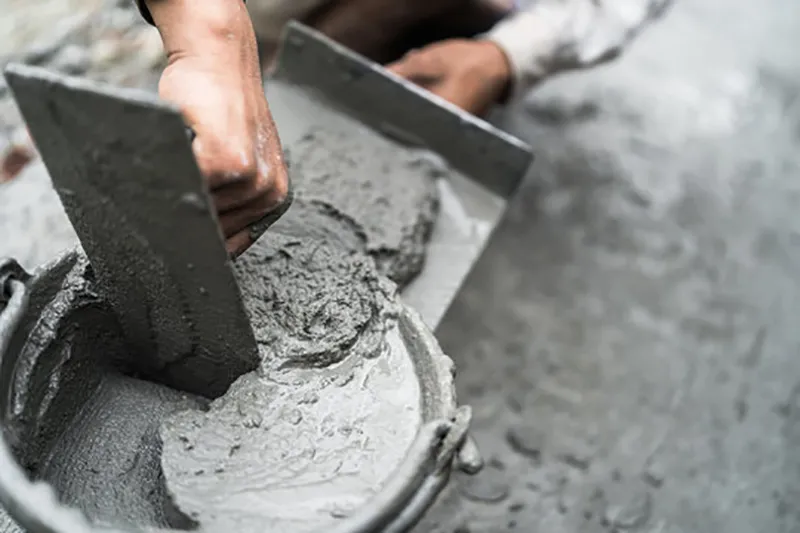
The same formulation works fine in winter but fails in summer — this is a real experience for many dry-mix mortar manufacturers. Summer temperatures often exceed 35°C, and substrate surfaces under direct sunlight can reach over 50°C. The water evaporation rate far exceeds the cement hydration rate, and the mortar dries out before it even gets on the wall.
Formulations must adapt to the season, and the core of the adjustment is cellulose ether.
Why Must Cellulose Ether Dosage Be Adjusted in Summer?
Two key reasons:
-
Water retention drops — The gel temperature of ordinary HPMC is generally around 60°C-65°C, but on high-temperature summer substrates, the mortar surface temperature can easily exceed 50°C or even higher, causing a sharp decline in cellulose ether water retention. The higher the temperature, the poorer the water retention.
-
Thermal dilution effect — Mortar viscosity naturally decreases at high temperatures. At the same dosage, summer mortar is simply “thinner” than winter mortar, and open time shortens dramatically.
The consequences: mortar dries too fast, workers can’t keep up, insufficient strength development, cracking, and hollowing follow.
How to Adjust Cellulose Ether Dosage?
Adjustment 1: Increase Dosage
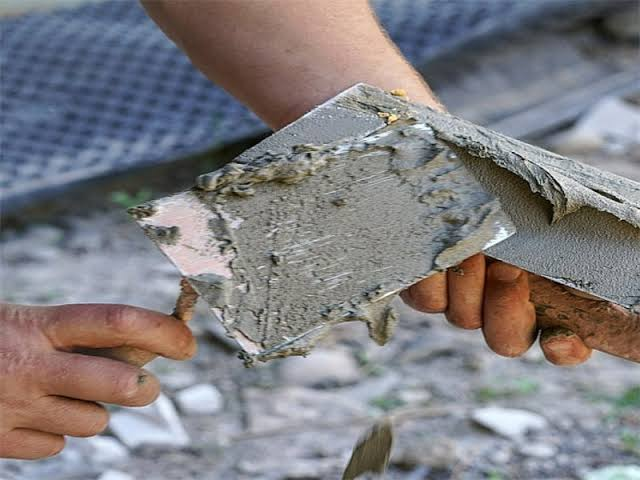
In high-temperature summer environments, water evaporates quickly, and HPMC dosage needs to be increased to compensate for water retention loss. The industry generally recommends increasing by 0.1%-0.2%. In tile adhesives, total dosage can be increased by 0.02%-0.05% to maintain water retention above 93% under high-temperature conditions.
Caution: Dosage cannot be increased indefinitely. When cellulose ether dosage exceeds 0.3%, the water retention trend plateaus. Excessive dosage increases water demand, makes the mortar sticky and difficult to spread.
Adjustment 2: Switch Grades
Not all HPMC is heat-resistant. In summer, choose cellulose ether grades with a high gel temperature (>75°C) , or use a combination of modified HEMC and HPMC. The higher the degree of etherification, the better the high-temperature water retention. High-viscosity HPMC (30,000-100,000 mPa·s) offers stronger water retention and is suitable for high-temperature dry environments.
Adjustment 3: Combine with Retarders
Increasing HPMC dosage alone is not enough in summer — retarders are also needed. High temperatures accelerate cement hydration, and while HPMC can slow hydration, its effect is limited. Combining with sodium gluconate or tartaric acid more effectively controls open time.
Summer Formulation Optimization Checklist
-
HPMC dosage: Increase by 0.1%-0.2% over normal-temperature formulations (general plastering mortar total dosage is typically 0.2%-0.4%)
-
HPMC grade: Choose high gel temperature (>75°C) or HEMC-blended types
-
Retarder: Combine with sodium gluconate or tartaric acid for precise open time control
-
Superplasticizer: Add a small amount of polycarboxylate superplasticizer to reduce water demand and maintain flowability at low water-cement ratios
Summary
When adjusting summer formulations, cellulose ether is the top priority. Remember three rules:
-
Increase dosage in summer — raise by 0.1%-0.2% .
-
Switch grades in summer — choose high gel temperature (>75°C) types.
-
Combine in summer — HPMC + retarder + superplasticizer work best as a team.
Don’t wait for problems to show up on site. Adjust the formulation in advance, and summer construction will be worry-free.




Drymix Mortar Tech+
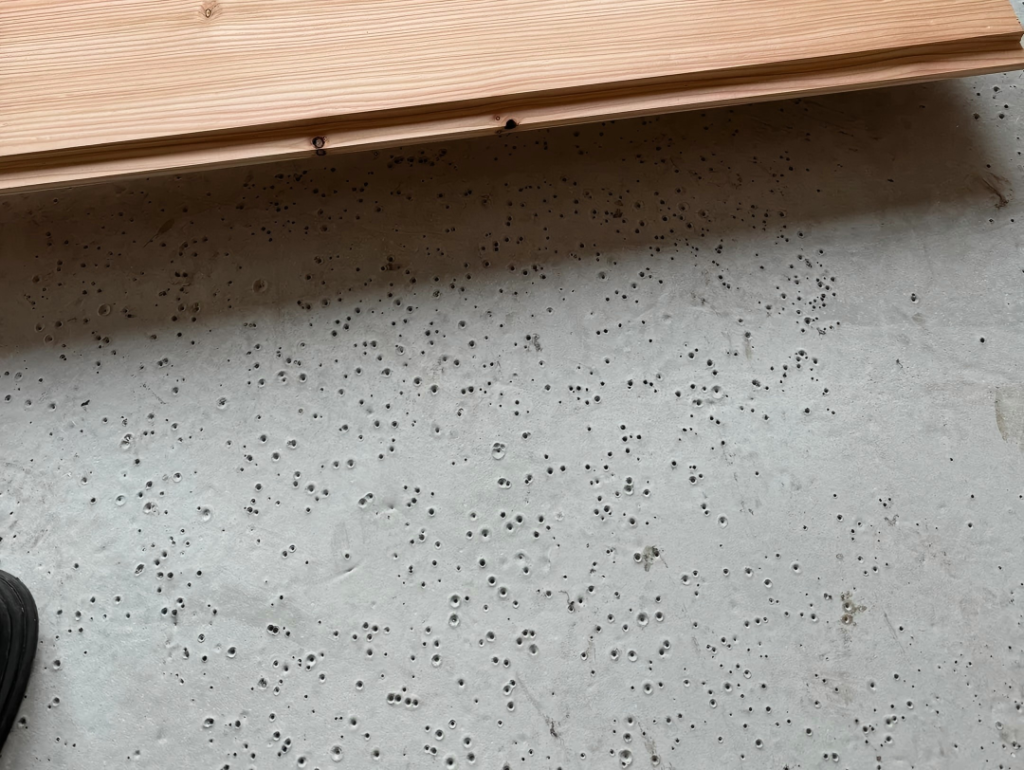
Pinholes in Self-Leveling Mortar: Defoamer, Mixing, or Substrate?
Pinholes in self-leveling mortar are not always caused by insufficient defoamer. This guide explains how to distinguish formulation foam, mixing-induced air, substrate outgassing, and insufficient healing time through a simple three-surface comparison test and practical corrective actions… Continue reading
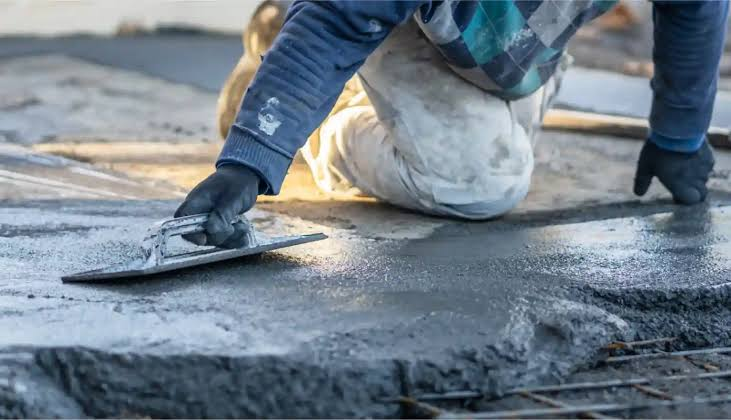
Why Does Dry Mortar Have Poor Water Retention?
Learn why dry mortar has poor water retention and how HPMC and MHEC can improve water retention, workability, and cement hydration in dry-mix mortar… Continue reading
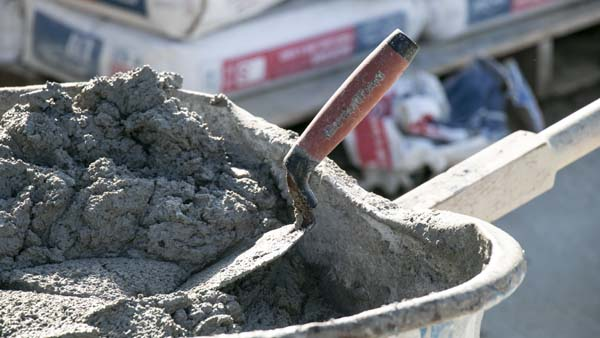
Mortar Setting Too Fast in Summer Heat?
Mortar drying out in half an hour on summer job sites? High-temperature accelerated hydration is the culprit. This article breaks down the features and selection of sodium gluconate, citric acid, tartaric acid, and boric acid retarders, with dosage adjustment and blending strategies to tackle summer construction challenges… Continue reading
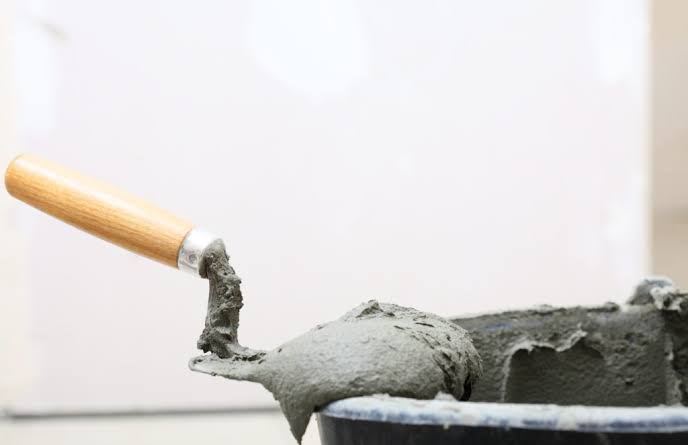
Why Does Dry Mix Mortar Cake During Storage?
Discover why dry mix mortar cakes during storage and transportation. Learn how moisture, packaging, raw materials, and formulation affect storage stability, and explore practical solutions to maintain product quality… Continue reading

Why Does Tile Grout Change Color After Curing?
Discover the most common causes of tile grout color inconsistency after curing and learn practical solutions through proper formulation, pigment selection, moisture control, and construction practices… Continue reading
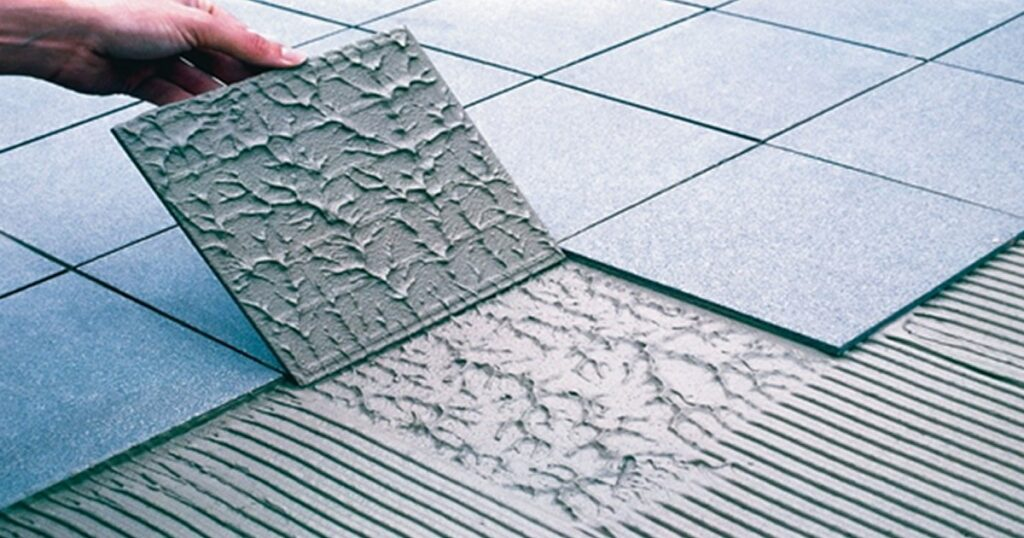
Tile adhesive bond strength
Learn the most common reasons why tile adhesive loses bond strength and discover practical solutions through proper formulation, additive selection, substrate preparation, and construction practices… Continue reading
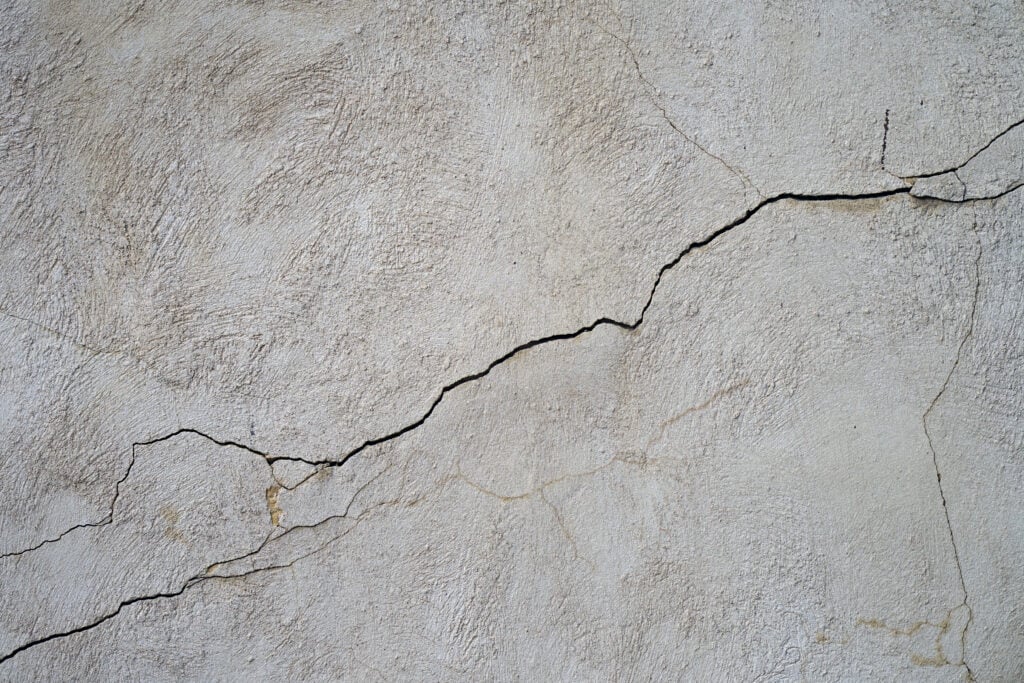
Gypsum Mortar Shrinkage: Causes and How to Prevent Cracks
Understand the main causes of gypsum mortar shrinkage and learn how to prevent cracks using HPMC, gypsum retarder, and proper formulation and construction practices… Continue reading
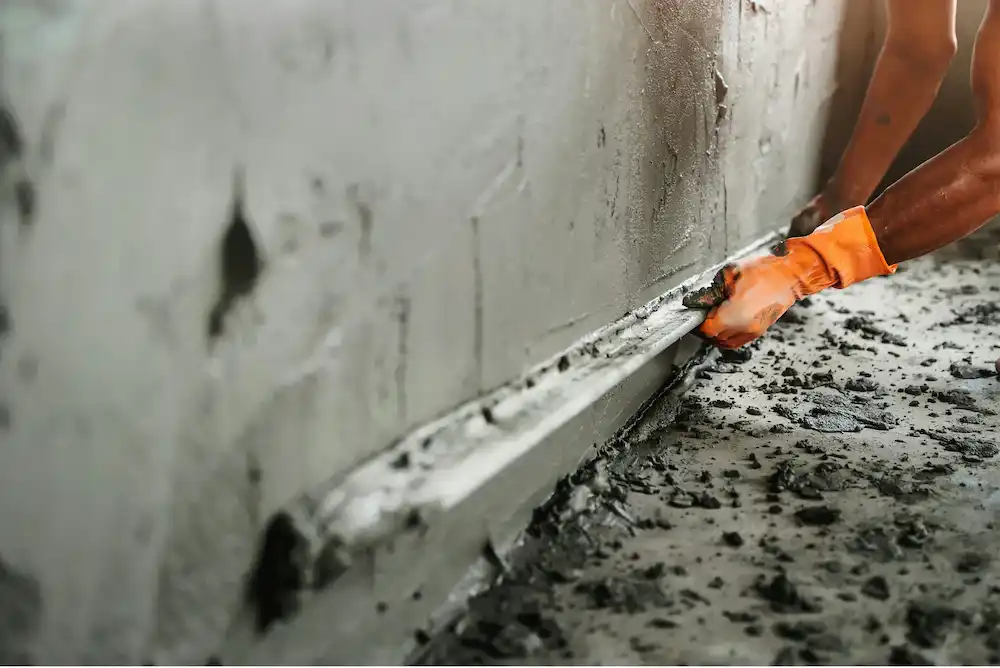
gypsum mortar water retention
Learn practical ways to enhance the water retention of gypsum mortar using HPMC, starch ether, and proper mixing techniques to improve workability and reduce cracks… Continue reading
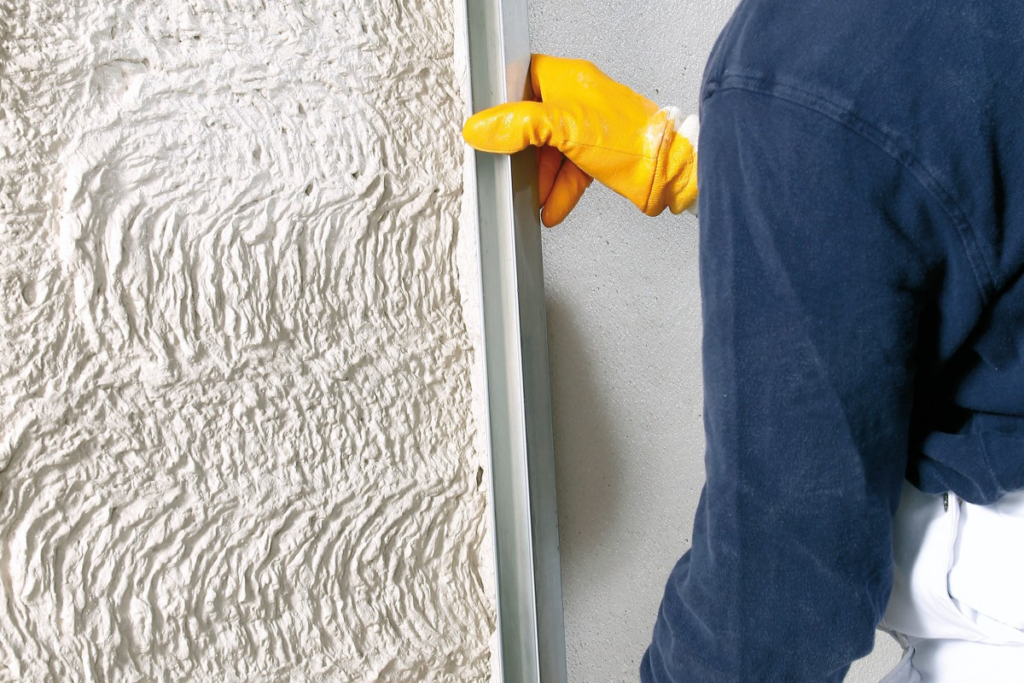
Extend gypsum setting time
Learn why gypsum mortar loses workability too quickly and discover practical solutions using gypsum retarders, HPMC, and formulation optimization to extend working time without compromising strength… Continue reading
Tile Adhesive Crack Resistance Solutions
This article analyzes 5 main causes of tile adhesive cracking: insufficient flexibility, poor water retention, excessive shrinkage, poor substrate preparation, and incorrect additive selection, with solutions including HPMC, RDP, and other crack-resistant additives… Continue reading
