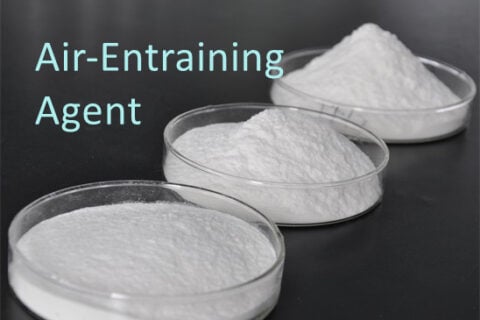
Air-Entraining Agent

01 Overview

The AE-series air-entraining agent is an anionic surfactant, also known as a wetting agent, primarily utilised within the construction industry. It serves as an air-entraining agent, wetting agent, and plasticiser for plastering materials such as cement and gypsum. This product enhances the smooth application and pumpability of the material, reduces shrinkage and cracking, and improves frost resistance.

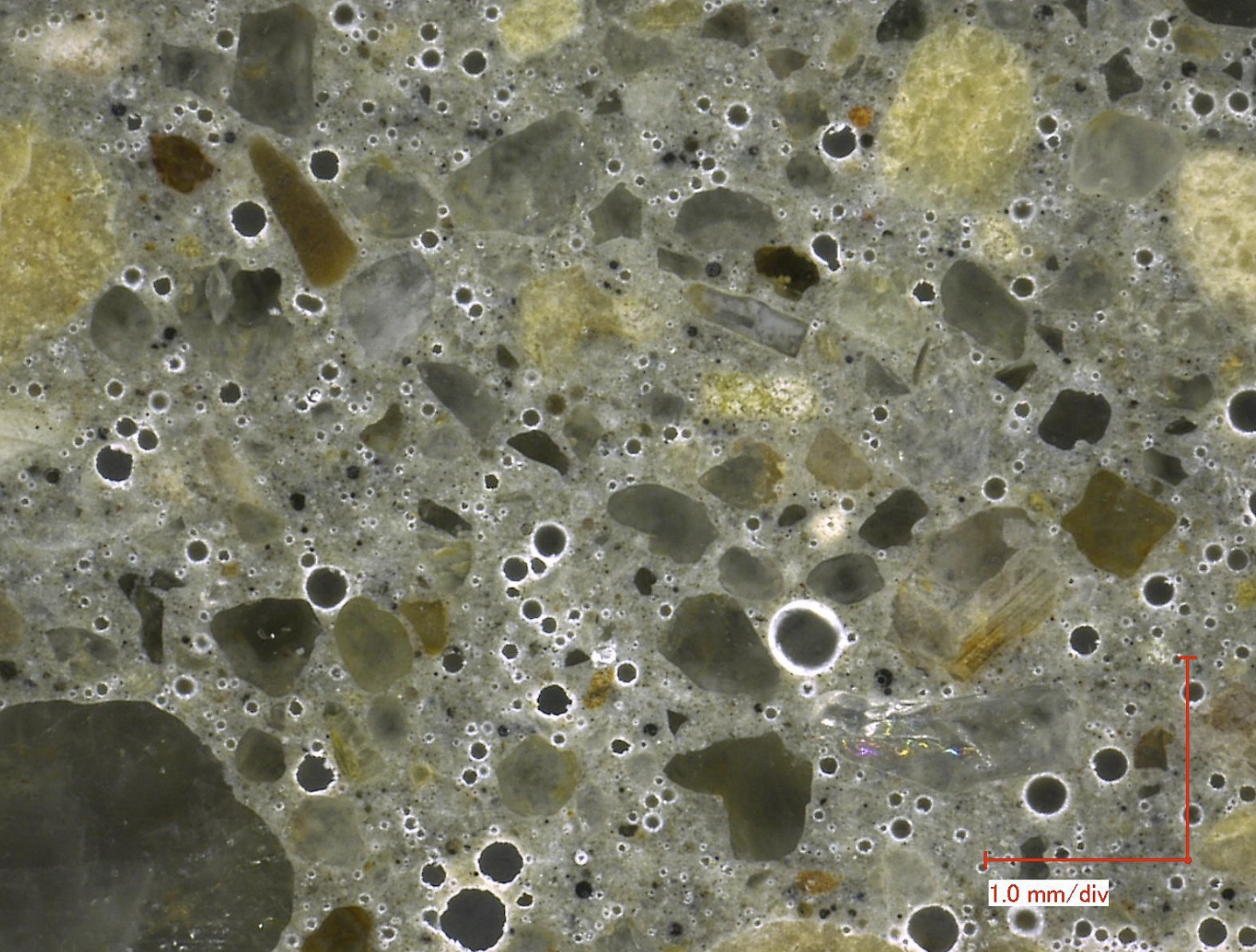
Air-entraining agents are surface-active additives that introduce and stabilize small air bubbles during mortar mixing. By controlling air incorporation and bubble distribution, these additives help improve mortar workability, consistency, spreadability, and application performance.

SIDLEYCHEM’s AE-series air-entraining agents are developed for various dry-mix mortar formulations, including gypsum plaster, cement render, wall putty, masonry mortar, and lightweight plaster.

Air entraining agents Sodium Lauryl Sulfate AE-110P SD000011 Powder Render/Gypsum Plaster
Sodium α-olefin sulfonate AE-180P SD000013 Powder

Different mortar formulations require different air contents and bubble structures. Selecting the correct air-entraining agent is essential for balancing workability, density, surface quality, and mechanical performance.

SIDLEYCHEM provides technical assistance and product testing to help customers select suitable grades according to their raw materials, formulation requirements, and production conditions.

Features of Air-Entraining Agents for Drymix Mortar:

  • Improved Mortar Workability

Fine, uniformly distributed air bubbles reduce friction between solid particles in fresh mortar, improving plasticity and spreadability. The resulting mortar can become easier to mix, apply, level, and finish, providing a smoother working experience for applicators.

  • Better Pumping and Application Performance

Controlled air entrainment can improve the consistency and mobility of plastering mortar. This is particularly beneficial for machine-applied gypsum plaster and cement render, where stable rheological properties are important for efficient pumping and uniform application.

  • Controlled Fresh Mortar Density

Air-entraining agents allow mortar manufacturers to adjust fresh mortar density by incorporating controlled quantities of air. For lightweight plaster formulations, suitable air entrainment can help reduce material density and improve application efficiency while maintaining the required performance characteristics.

  • Improved Cohesion and Consistency

A stable, well-distributed air-bubble system can improve mortar cohesion and help maintain a consistent working texture. This is particularly useful in formulations requiring smooth spreading and uniform finishing.

  • Potential Improvement in Freeze-Thaw Durability

In appropriately designed cement-based mortars, a controlled system of small and uniformly distributed air voids may improve resistance to freezing and thawing. Actual durability depends on mortar composition, air-void structure, curing conditions, and laboratory verification.

Excessive air entrainment may reduce mortar strength and negatively affect surface quality. The appropriate dosage should therefore be established through laboratory trials.
02 Applications of AE

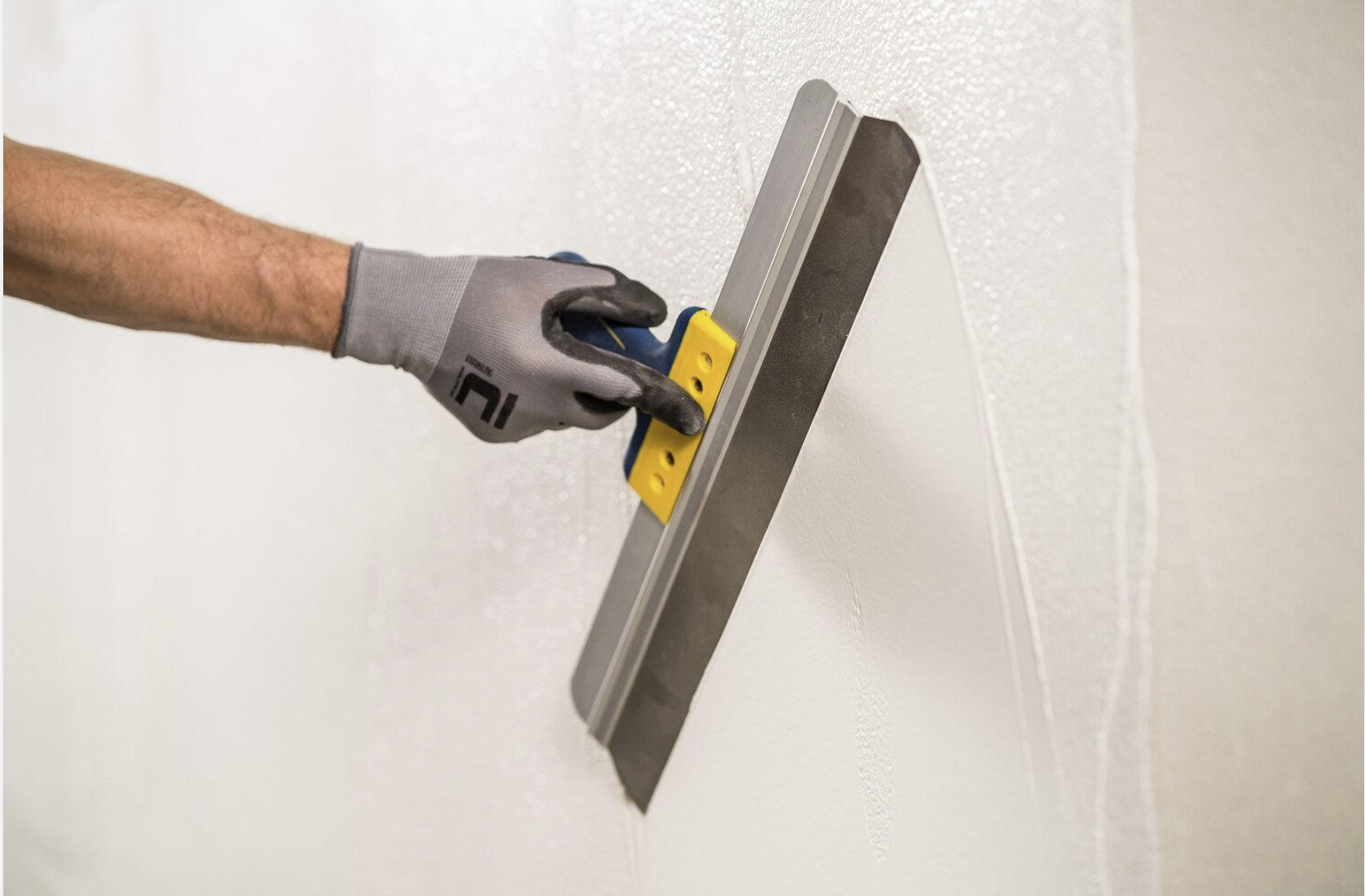
Gypsum Plaster and Machine-Applied Gypsum Plaster

Air-entraining agents are used in gypsum plaster formulations to improve working consistency and facilitate smooth application.

With suitable air incorporation, gypsum plaster can achieve improved spreadability, easier leveling, and better handling characteristics.

In machine-applied gypsum plaster, controlled air entrainment can contribute to stable pumping and consistent application performance.

Cement-Based Plaster and Render

In cement plaster and rendering mortar, air-entraining agents help improve workability, plasticity, and application smoothness.

They can be particularly useful in formulations containing angular or poorly graded aggregates that otherwise produce harsh or difficult-to-apply mortar.

03 Frequently Asked Questions

  1. 1
    What is the difference between AE-110P, AE-180P?

    AE-110P is designed to produce fine, dense bubbles with good foam stability. AE-180P provides higher air-entrainment efficiency for applications requiring greater air incorporation.

  2. 2
    Can air-entraining agents be used in gypsum plaster?

    Yes. Selected AE-180P air-entraining agents can be used in gypsum-based plaster formulations to improve spreadability, consistency, and application behavior.

  3. 3
    Do air-entraining agents reduce mortar strength?

    Excessive air entrainment can reduce compressive strength and other mechanical properties because it increases the void content of hardened mortar.

    Optimizing the dosage is essential to achieve the desired balance between workability and mechanical performance.

  4. 4
    What is the difference between an air-entraining agent and a foaming agent?

    Air-entraining agents are generally used to introduce controlled amounts of small air bubbles to improve mortar workability and adjust density.

    Foaming agents are commonly used where substantial foam generation or a lightweight cellular structure is required, such as selected lightweight gypsum products and foamed cementitious materials.

  5. 5
    Why Choose SIDLEYCHEM?

    SIDLEYCHEM specializes in the development and supply of construction chemical additives for dry-mix mortar, gypsum-based materials, and other building applications.

    We provide an extensive range of additives, including air-entraining agents, cellulose ethers, redispersible polymer powders, gypsum retarders, and other functional mortar additives.

    Our technical team supports customers with product selection, formulation optimization, laboratory evaluation, and application troubleshooting.

    Looking for a reliable air-entraining agent for your mortar formulation?

    Contact SIDLEYCHEM to request product samples, technical data sheets, formulation recommendations, and quotations.

    SIDLEYCHEM — Your Partner in Construction Chemical Solutions.