
Waterproof Mortar Still Absorbs Water: Causes & Fixes
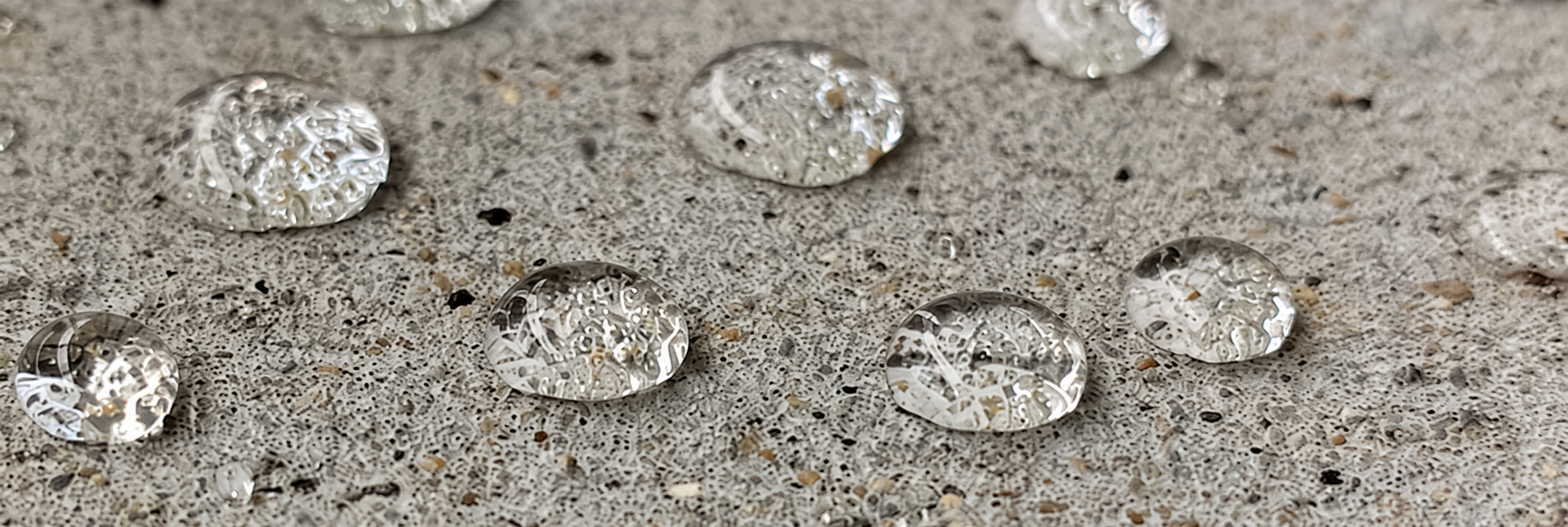
A waterproof mortar contains silicone hydrophobic powder, and water droplets even bead on the surface.
But during a water-absorption test, the result is still higher than expected.
Does this mean the hydrophobic agent is not working?
Not necessarily.
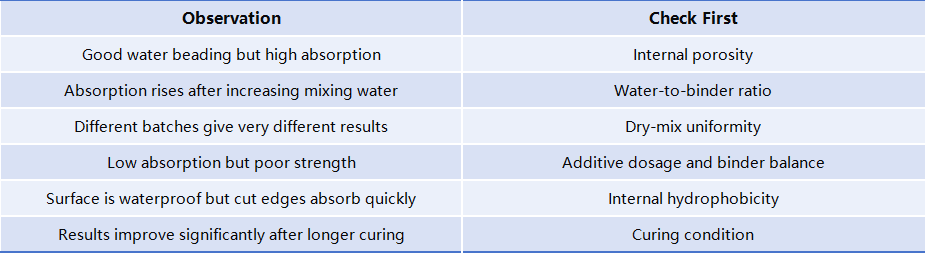
Surface water repellency and overall water absorption are related, but they are not exactly the same. A mortar may repel water at the surface while still containing pores and capillary channels that allow water to enter over time.
1. Check Mortar Porosity First
Water can enter hardened mortar through connected pores.
If the mortar has high porosity, even a good hydrophobic agent may not completely compensate for the internal structure.
High porosity may result from:
- excessive mixing water;
- poor aggregate grading;
- excessive entrapped air;
- insufficient compaction;
- unsuitable powder-to-aggregate balance.
This is why waterproof mortar should not be designed around the hydrophobic additive alone.
The complete pore structure also matters.
2. Too Much Water Can Increase Absorption
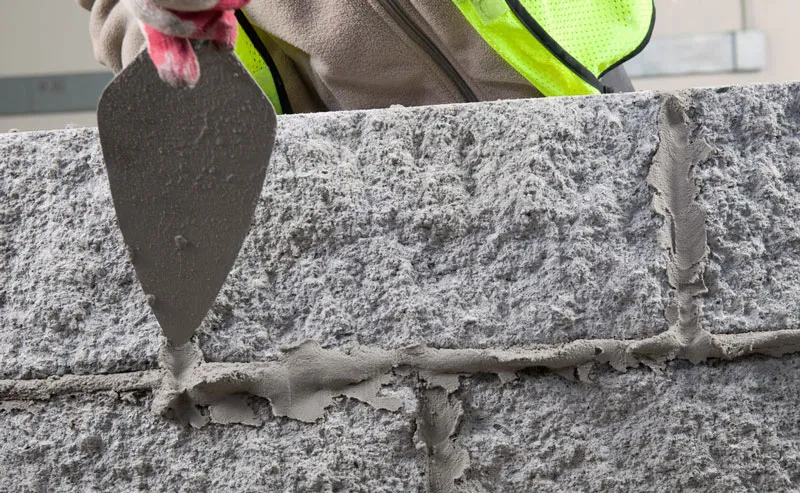
Increasing mixing water makes mortar easier to spread, but after drying, the excess water leaves behind additional pores. These pores can increase water uptake.
Therefore, when comparing hydrophobic additives, keep the water dosage consistent. If Sample A uses less water than Sample B, differences in absorption cannot automatically be attributed to the hydrophobic powder.
A polycarboxylate superplasticizer may be useful in some mortar systems where lower water demand is required while maintaining workable consistency.
3. Hydrophobic Powder Dosage Must Be Optimized
Too little hydrophobic powder may provide insufficient protection.
But simply increasing the dosage is not always the best solution either.
The additive must:
- disperse uniformly in the dry mix;
- remain compatible with cement and other additives;
- develop sufficient hydrophobicity after curing;
- avoid negatively affecting strength or workability.
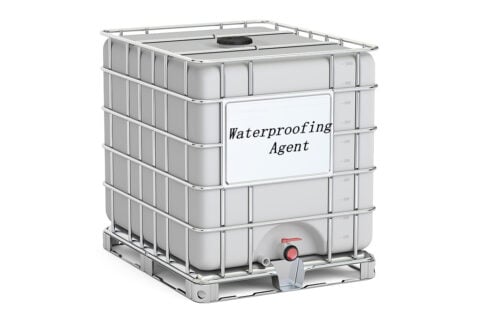
SidleyChem’s silicone hydrophobic powder is designed for applications including waterproof mortar, joint filler, decorative mortar, and external insulation mortar.
The correct dosage should always be confirmed in the complete local formulation rather than selected independently.
4. Surface Beading Is Not the Same as Low Water Absorption
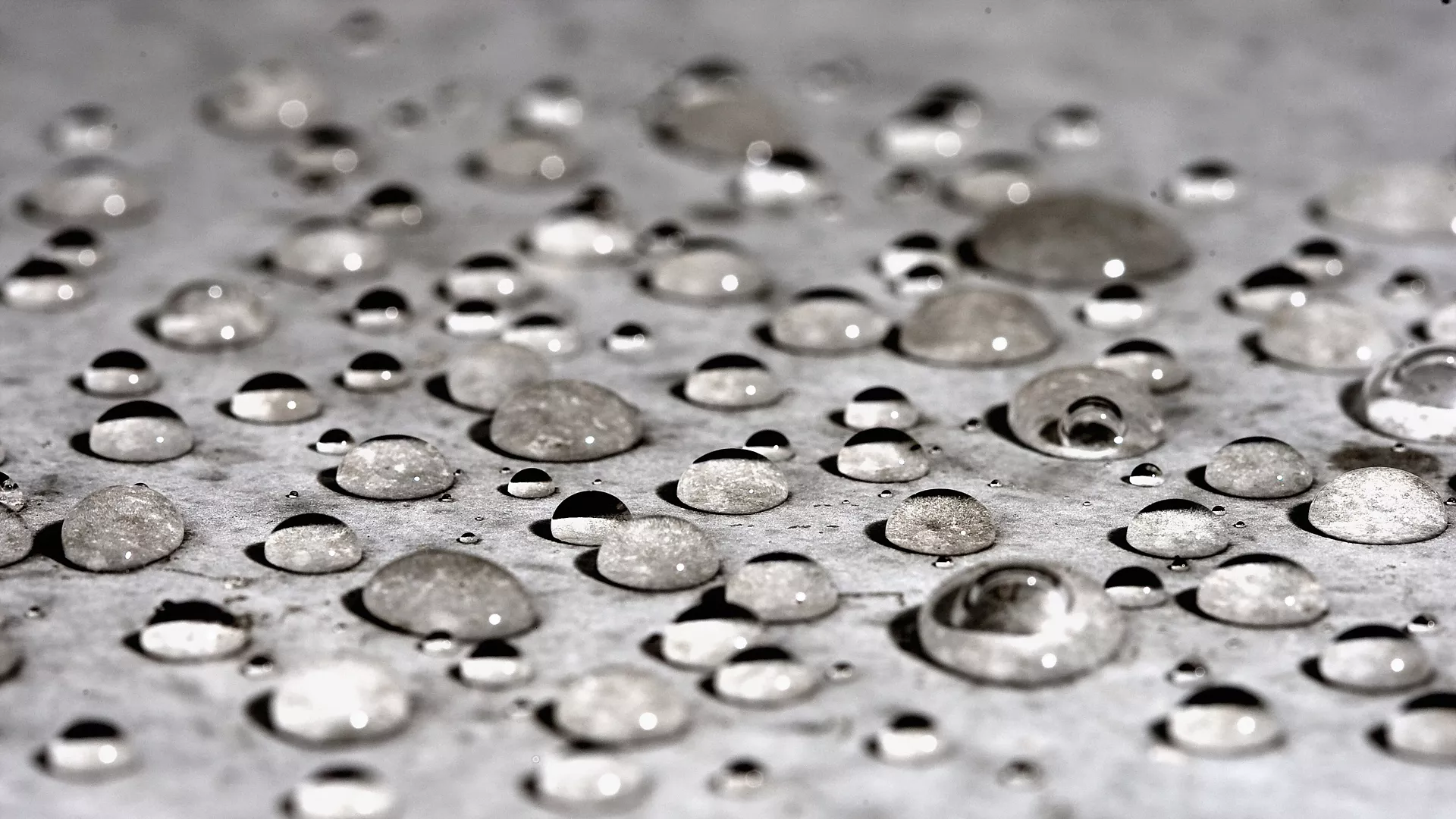
A common mistake is to judge waterproof performance only from a water-drop test. Strong beading looks impressive, but it mainly shows surface hydrophobicity. For a more useful evaluation, also measure capillary water absorption over a defined period. A mortar may show good surface beading but still absorb water through internal pores, cracks, edges, or poorly compacted areas. Therefore, compare:
- water-drop behavior;
- water absorption over time;
- specimen weight gain;
- surface and internal defects.
5. Check RDP and the Complete Binder System
 Redispersible polymer powder can also influence the water resistance and internal structure of polymer-modified mortar.
Depending on the grade, RDP can improve adhesion, flexibility, and resistance to water penetration.
However, hydrophobic powder and RDP perform different functions.
RDP should not simply be used as a substitute for a hydrophobic agent, and a hydrophobic agent cannot correct a weak or poorly designed binder system.
The two need to be evaluated as part of the complete mortar formulation.
6. Curing Conditions Matter
Waterproof performance should not be evaluated too early.
If the specimen has not cured sufficiently, cement hydration and polymer film development may still be incomplete.
High temperature, rapid drying, or poor curing can also create microcracks and increase water penetration.
When comparing samples, keep curing time, temperature, specimen size, and testing conditions consistent.
Conclusion
High water absorption in waterproof mortar does not always mean the hydrophobic powder has failed.
The real cause may be:
- excessive porosity;
- too much mixing water;
- insufficient hydrophobic agent;
- poor dispersion;
- unsuitable RDP or binder balance;
- insufficient curing.
The best waterproof mortar combines low capillary absorption with good strength, adhesion, workability, and durability.
Do not judge the formulation only by whether water beads on the surface.




Drymix Mortar Tech+
Self-Leveling Mortar Flow Loss: Causes & Solutions
Self-leveling mortar may have good initial flow but lose workability within minutes. Learn how PCE, cellulose ether, setting time, and temperature affect flow retention… Continue reading
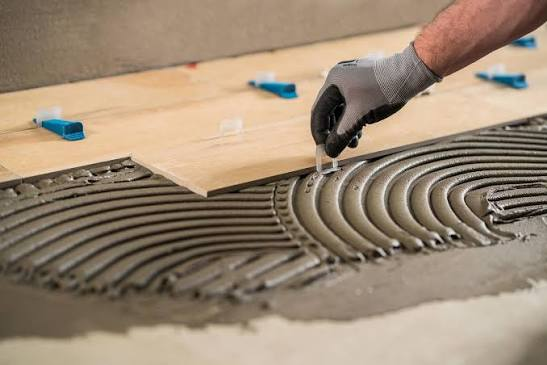
Tile Adhesive Slipping After Adding HPMC: Causes & Fixes
Tile adhesive can still slip even after increasing HPMC. Learn how HPMC grade, water demand, starch ether, thixotropy, and formulation balance affect slip resistance… Continue reading
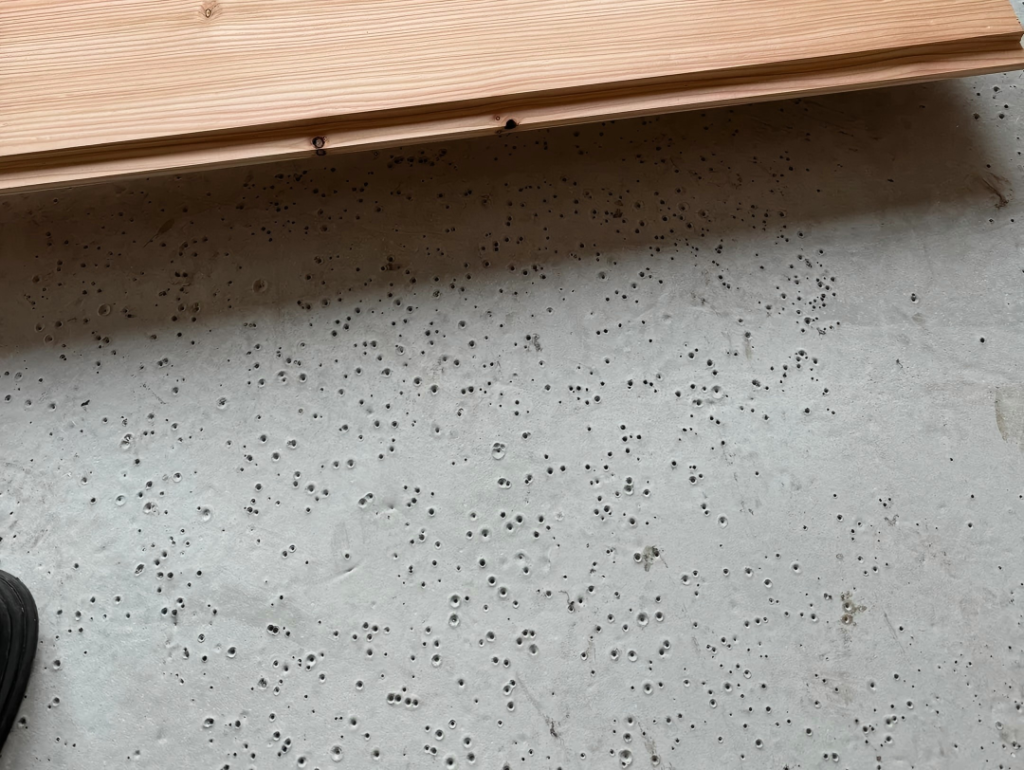
Pinholes in Self-Leveling Mortar: Defoamer, Mixing, or Substrate?
Pinholes in self-leveling mortar are not always caused by insufficient defoamer. This guide explains how to distinguish formulation foam, mixing-induced air, substrate outgassing, and insufficient healing time through a simple three-surface comparison test and practical corrective actions… Continue reading
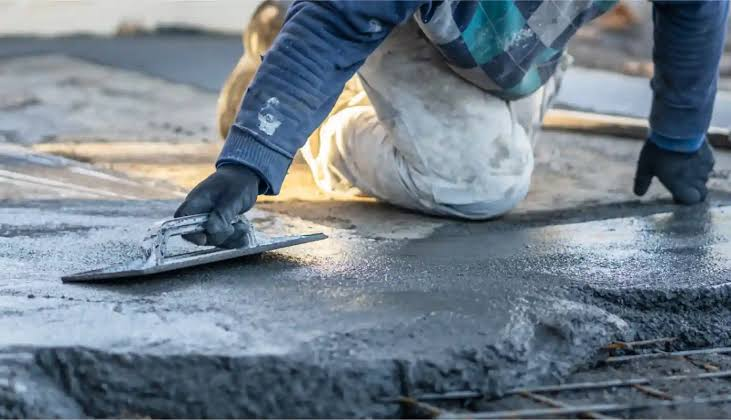
Why Does Dry Mortar Have Poor Water Retention?
Learn why dry mortar has poor water retention and how HPMC and MHEC can improve water retention, workability, and cement hydration in dry-mix mortar… Continue reading
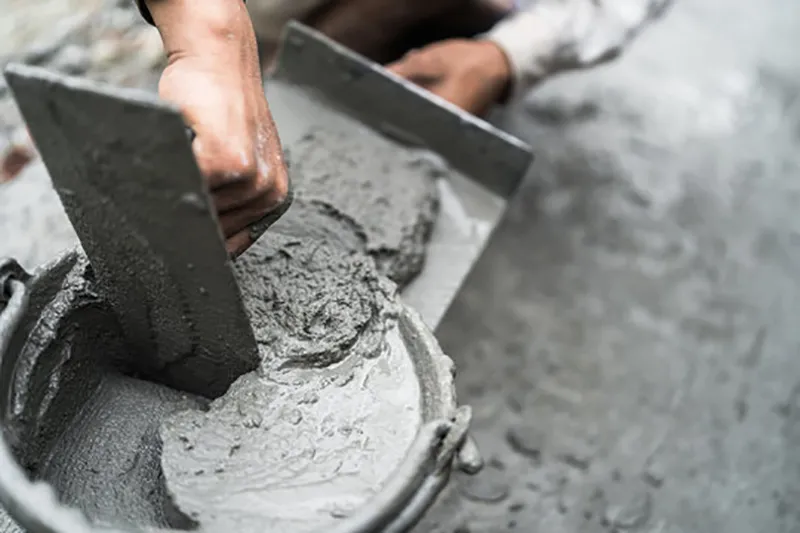
Dry-Mix Mortar Summer Formulation Adjustment
Why does the same formulation fail in summer? The key is cellulose ether. High temperatures cause ordinary HPMC water retention to drop sharply — increase dosage by 0.1%-0.2%, switch to high gel temperature grades, and combine with retarders. This article gives three practical adjustment directions to tackle summer construction challenges… Continue reading
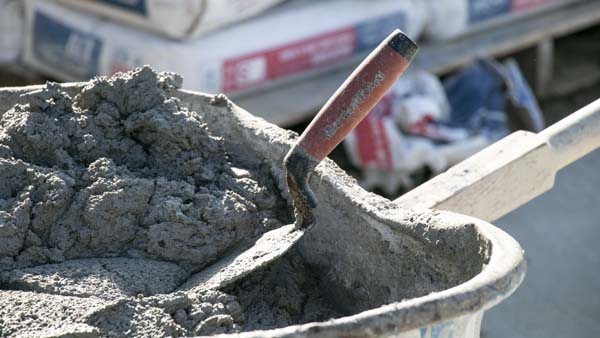
Mortar Setting Too Fast in Summer Heat?
Mortar drying out in half an hour on summer job sites? High-temperature accelerated hydration is the culprit. This article breaks down the features and selection of sodium gluconate, citric acid, tartaric acid, and boric acid retarders, with dosage adjustment and blending strategies to tackle summer construction challenges… Continue reading
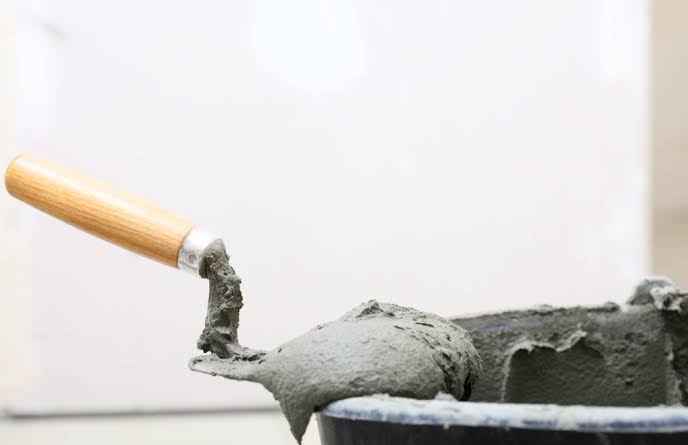
Why Does Dry Mix Mortar Cake During Storage?
Discover why dry mix mortar cakes during storage and transportation. Learn how moisture, packaging, raw materials, and formulation affect storage stability, and explore practical solutions to maintain product quality… Continue reading
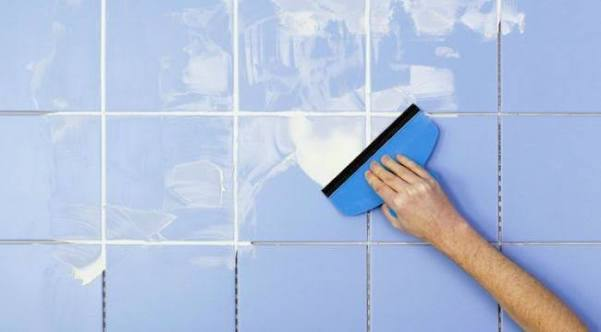
Why Does Tile Grout Change Color After Curing?
Discover the most common causes of tile grout color inconsistency after curing and learn practical solutions through proper formulation, pigment selection, moisture control, and construction practices… Continue reading
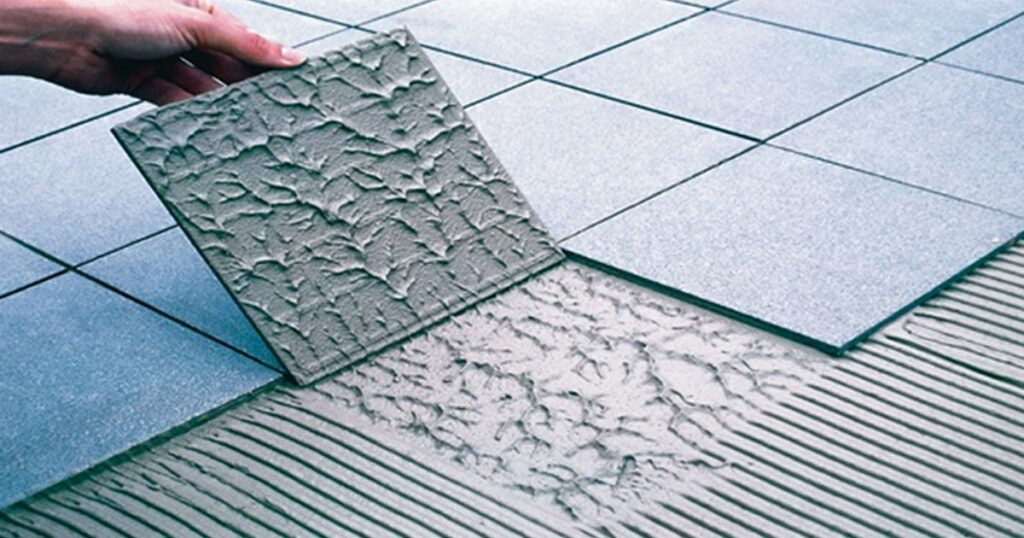
Tile adhesive bond strength
Learn the most common reasons why tile adhesive loses bond strength and discover practical solutions through proper formulation, additive selection, substrate preparation, and construction practices… Continue reading
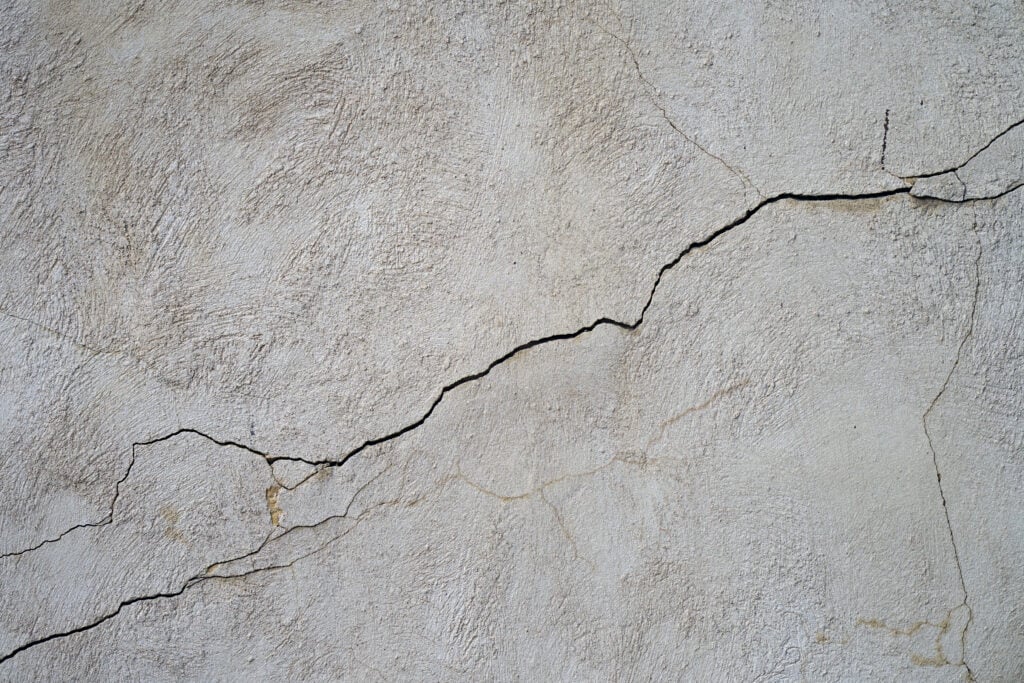
Gypsum Mortar Shrinkage: Causes and How to Prevent Cracks
Understand the main causes of gypsum mortar shrinkage and learn how to prevent cracks using HPMC, gypsum retarder, and proper formulation and construction practices… Continue reading
