
Why Does Tile Grout Change Color After Curing?
Colored tile grout not only fills the gaps between tiles but also contributes significantly to the overall appearance of tiled surfaces. However, many contractors and homeowners notice that grout sometimes changes color after curing. Instead of a uniform finish, the grout may appear lighter, darker, patchy, or even develop white stains.
Although this problem is common, it is rarely caused by a single factor. In most cases, grout discoloration results from a combination of formulation, materials, environmental conditions, and construction practices.
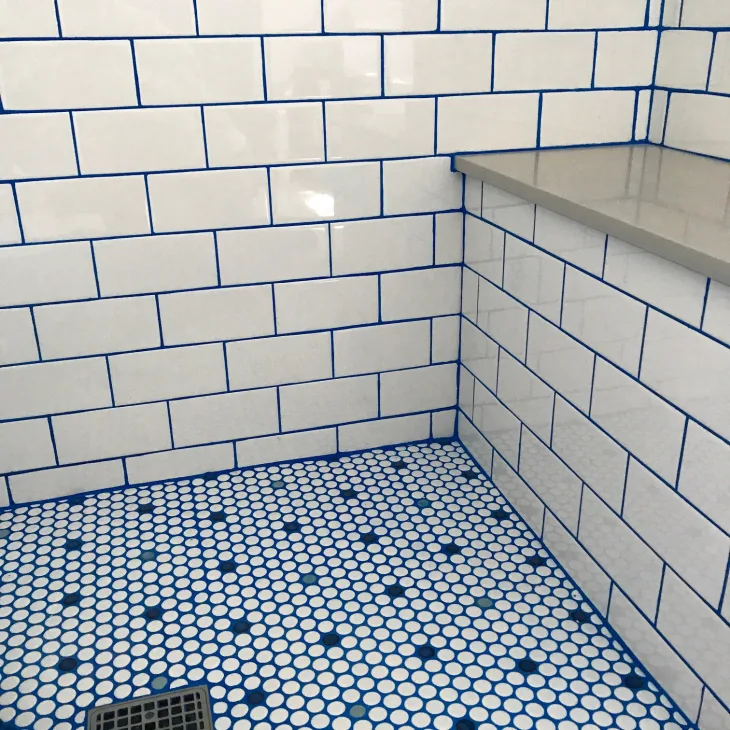
Common Signs of Grout Color Inconsistency
Color problems can appear in different ways after installation:
- Some grout joints become lighter than others.
- Dark-colored grout turns gray after drying.
- White stains appear on the surface.
- The same bag of grout produces different colors in different areas.
These issues affect the visual quality of the finished project and may lead to expensive repairs or customer complaints.
Why Does Tile Grout Change Color?
Inconsistent Water Addition
Adding different amounts of water during mixing is one of the most common causes of color variation.
Excess water changes the cement hydration process and increases the amount of water that evaporates during curing. As a result, pigment concentration becomes uneven, producing lighter or darker grout joints.
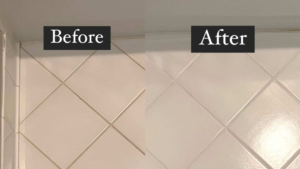 Uneven Drying Conditions
Environmental conditions have a significant influence on grout curing.
Areas exposed to direct sunlight, strong wind, or different temperatures may dry at different speeds. Uneven moisture loss can change the final appearance of colored grout.
Maintaining stable curing conditions helps reduce color differences.
Efflorescence
Efflorescence is another common reason for grout discoloration.
During curing, water can dissolve soluble salts inside the cement-based grout and carry them to the surface. When the water evaporates, white crystalline deposits remain, making the grout appear faded or patchy.
Reducing excess water and using high-quality raw materials can minimize the risk of efflorescence.
Poor Formulation or Low-Quality Raw Materials
The quality of pigments and additives directly affects color stability.
A well-designed tile grout formulation should include suitable cellulose ether for water retention, high-quality redispersible polymer powder to improve cohesion, and stable pigments that can withstand alkaline cement environments.
Inferior materials often result in inconsistent color development after curing.
How to Prevent Grout Color Changes?
Preventing grout discoloration requires attention to both formulation and construction.
Manufacturers should ensure consistent raw material quality and optimize the formulation with reliable additives. During installation, contractors should:
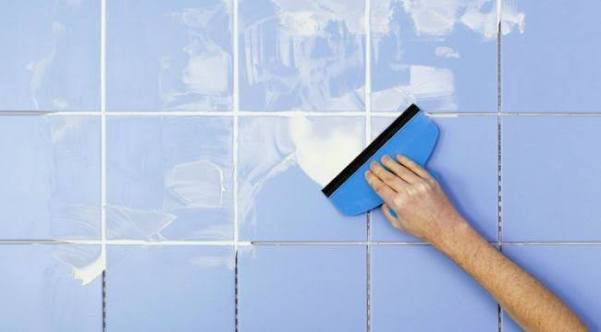
- Measure water accurately.
- Mix the grout thoroughly.
- Apply grout under similar environmental conditions.
- Avoid adding extra water during finishing.
- Allow the grout to cure naturally without rapid drying.
Conclusion
Tile grout color changes after curing are usually caused by inconsistent water addition, uneven drying, efflorescence, or formulation issues rather than pigment failure alone.
By using high-quality raw materials, optimizing the grout formulation, and following proper installation procedures, manufacturers and contractors can achieve uniform, long-lasting grout color while improving the overall appearance and durability of tiled surfaces.




Drymix Mortar Tech+
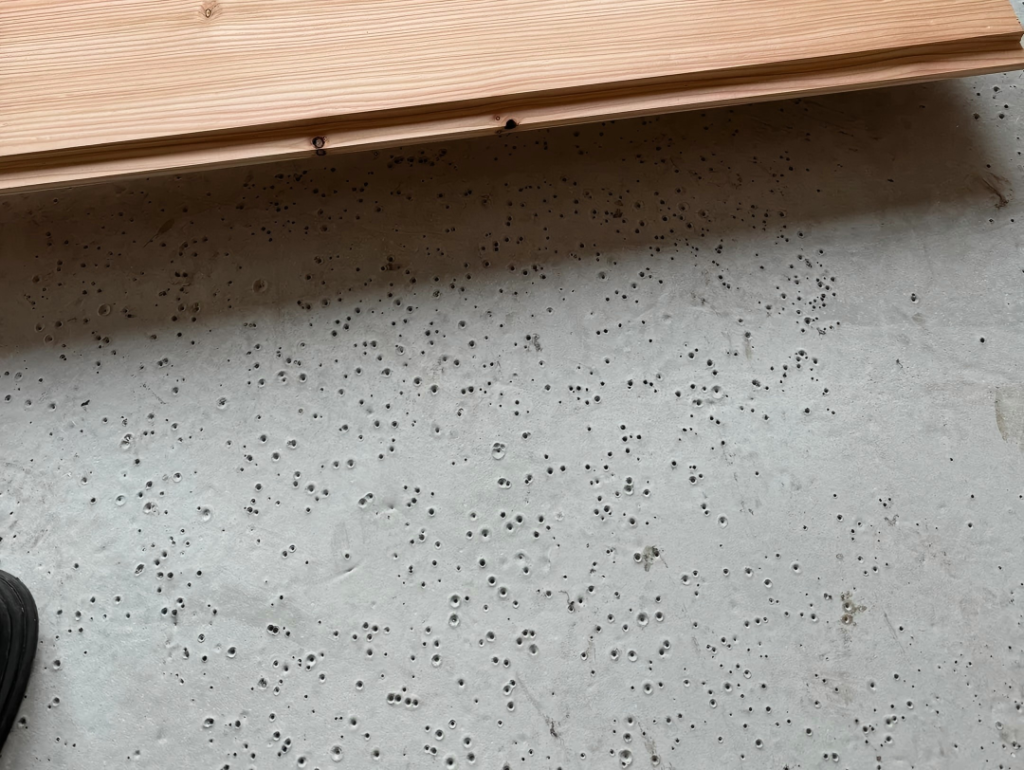
Pinholes in Self-Leveling Mortar: Defoamer, Mixing, or Substrate?
Pinholes in self-leveling mortar are not always caused by insufficient defoamer. This guide explains how to distinguish formulation foam, mixing-induced air, substrate outgassing, and insufficient healing time through a simple three-surface comparison test and practical corrective actions… Continue reading
Why Does Dry Mortar Have Poor Water Retention?
Learn why dry mortar has poor water retention and how HPMC and MHEC can improve water retention, workability, and cement hydration in dry-mix mortar… Continue reading
Dry-Mix Mortar Summer Formulation Adjustment
Why does the same formulation fail in summer? The key is cellulose ether. High temperatures cause ordinary HPMC water retention to drop sharply — increase dosage by 0.1%-0.2%, switch to high gel temperature grades, and combine with retarders. This article gives three practical adjustment directions to tackle summer construction challenges… Continue reading
Mortar Setting Too Fast in Summer Heat?
Mortar drying out in half an hour on summer job sites? High-temperature accelerated hydration is the culprit. This article breaks down the features and selection of sodium gluconate, citric acid, tartaric acid, and boric acid retarders, with dosage adjustment and blending strategies to tackle summer construction challenges… Continue reading
Why Does Dry Mix Mortar Cake During Storage?
Discover why dry mix mortar cakes during storage and transportation. Learn how moisture, packaging, raw materials, and formulation affect storage stability, and explore practical solutions to maintain product quality… Continue reading
Tile adhesive bond strength
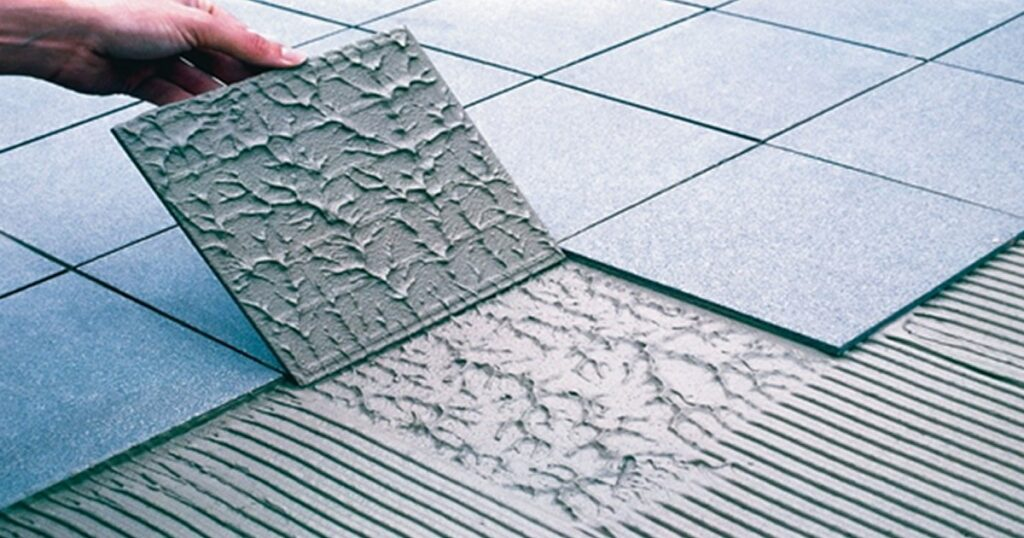
Learn the most common reasons why tile adhesive loses bond strength and discover practical solutions through proper formulation, additive selection, substrate preparation, and construction practices… Continue reading
Gypsum Mortar Shrinkage: Causes and How to Prevent Cracks
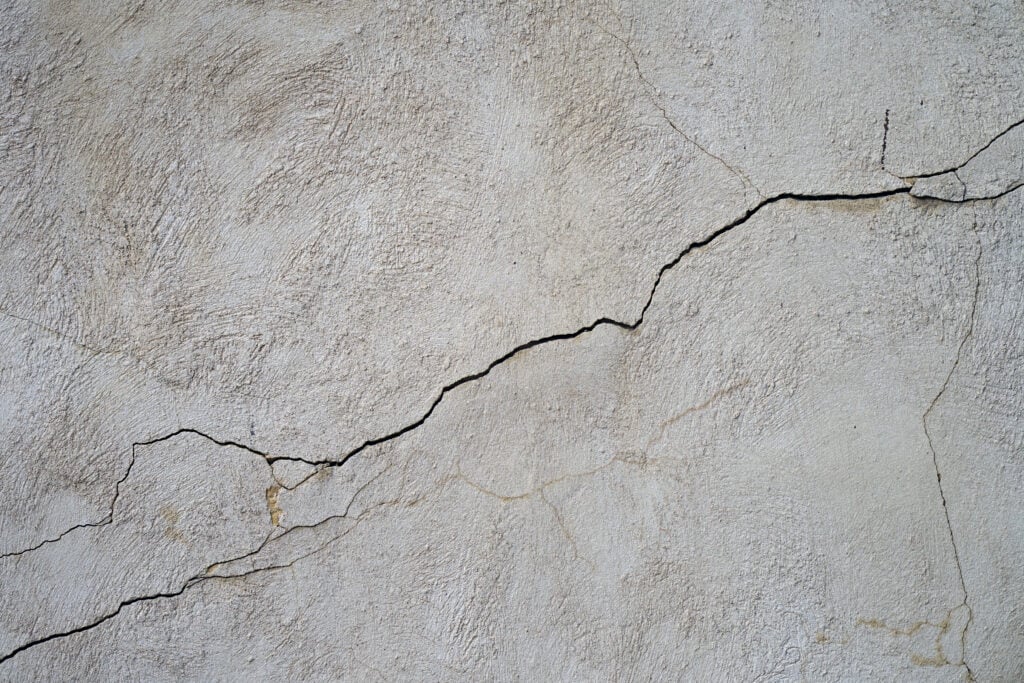
Understand the main causes of gypsum mortar shrinkage and learn how to prevent cracks using HPMC, gypsum retarder, and proper formulation and construction practices… Continue reading
gypsum mortar water retention
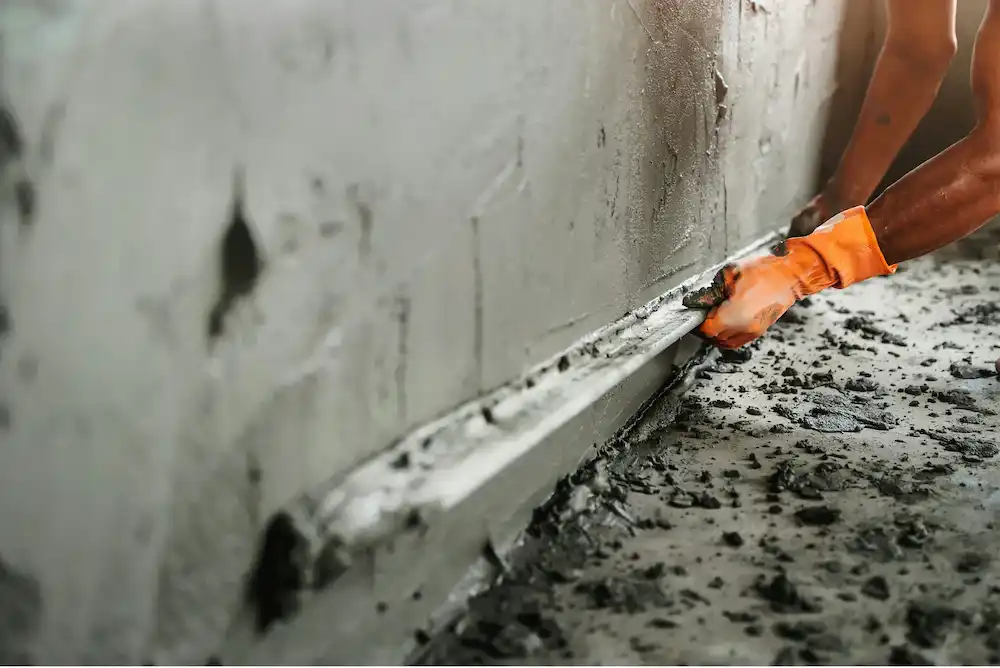
Learn practical ways to enhance the water retention of gypsum mortar using HPMC, starch ether, and proper mixing techniques to improve workability and reduce cracks… Continue reading
Extend gypsum setting time
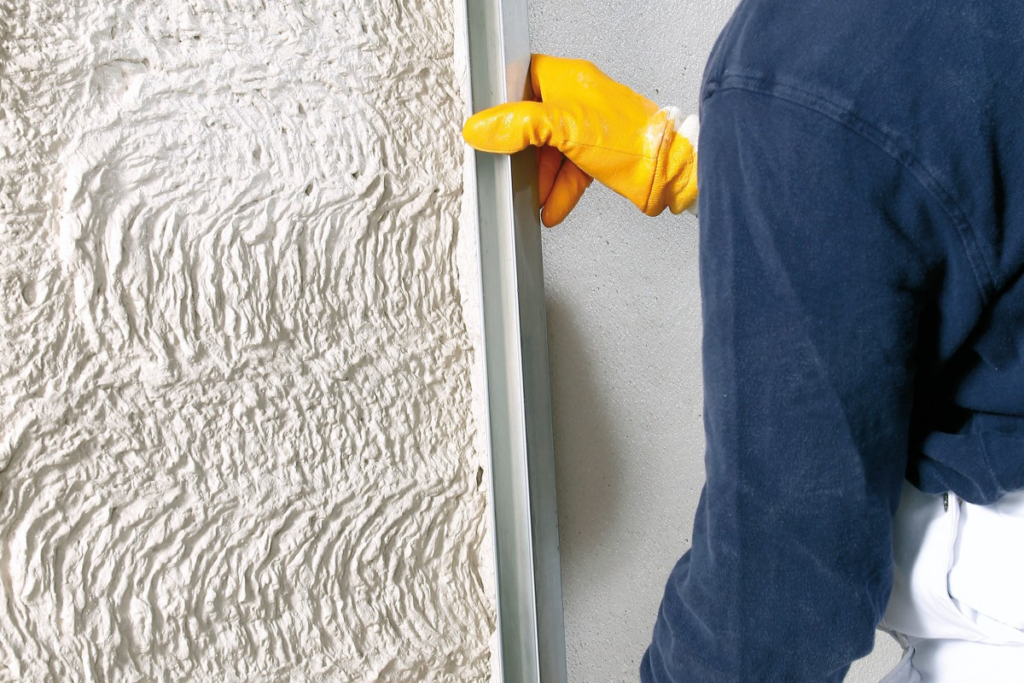
Learn why gypsum mortar loses workability too quickly and discover practical solutions using gypsum retarders, HPMC, and formulation optimization to extend working time without compromising strength… Continue reading
Tile Adhesive Crack Resistance Solutions
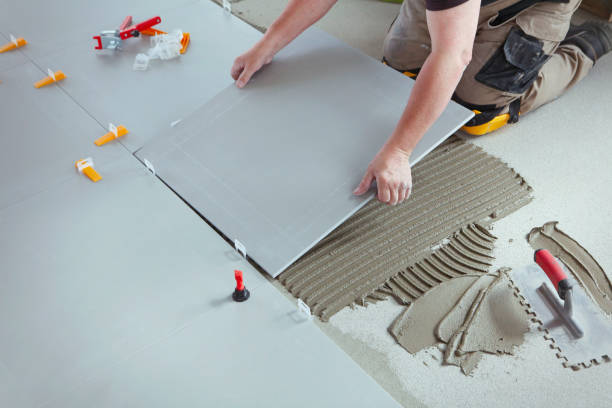
This article analyzes 5 main causes of tile adhesive cracking: insufficient flexibility, poor water retention, excessive shrinkage, poor substrate preparation, and incorrect additive selection, with solutions including HPMC, RDP, and other crack-resistant additives… Continue reading
