
Why Does Dry Mortar Have Poor Water Retention?
Water retention is an important property of dry-mix mortar. If mortar loses water too quickly after mixing, it may become difficult to apply and may not develop its expected bonding and mechanical performance.
Poor water retention is especially noticeable when mortar is applied to highly absorbent substrates or under hot and dry conditions.
So, why does dry mortar lose water too quickly, and how can its water retention be improved?
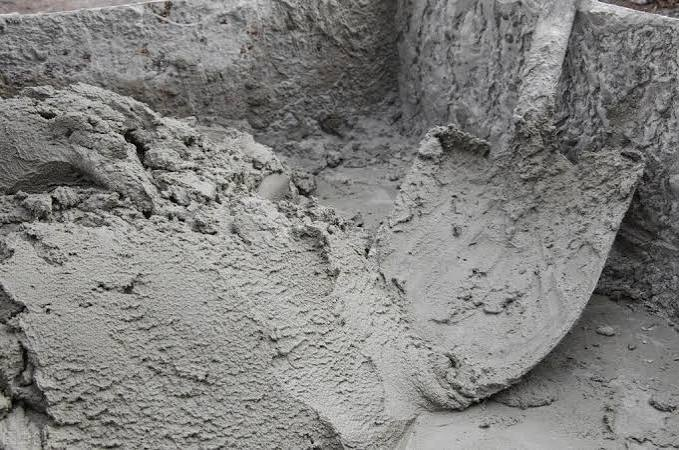
What Causes Poor Water Retention?
Highly Absorbent Substrates
Some substrates can absorb water rapidly from fresh mortar. This reduces the amount of water available for cement hydration and can cause the mortar to dry too quickly. The result may be poor workability, weaker adhesion, and an increased risk of surface defects.
High Temperature
Temperature has a significant influence on water retention. As temperature increases, the water-retaining performance of cellulose ether can decrease. High temperatures can also accelerate evaporation and cement hydration, making water retention more difficult to maintain.
Insufficient or Unsuitable Water-Retaining Agent
Water-retaining and thickening materials are used to adjust mortar consistency, water retention, cohesion, and thixotropy. Common organic materials include Methyl Cellulose, Hydroxypropyl Methylcellulose, and Hydroxyethyl Methylcellulose.
If the selected cellulose ether is not suitable for the formulation, or the dosage is too low, the mortar may not retain sufficient water during application.
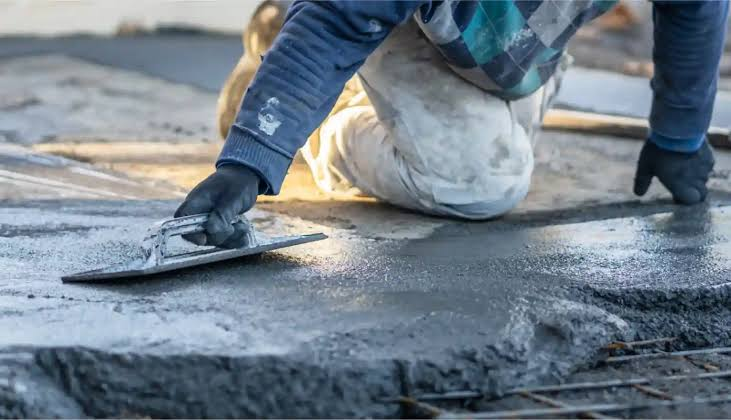
How to Improve Water Retention?
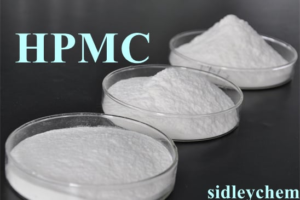 Select the Right Cellulose Ether
HPMC and MHEC are widely used as water-retaining and thickening additives in specialty dry-mix mortar.
The choice should consider the mortar formulation, application thickness, substrate, working temperature, and required workability.
Optimize the Dosage
More cellulose ether does not always mean better performance.
The reference material points out that excessive dosage or excessively high viscosity can increase water demand and make mortar harder to work with. It can also delay cement setting.
Therefore, the dosage should be optimized rather than simply increased.
Consider Temperature and Application Conditions
When mortar is used under high-temperature conditions, water retention should be evaluated under the actual application environment rather than only under standard laboratory conditions.
Controlling substrate absorption and avoiding excessive exposure to heat and wind can also help reduce rapid water loss.
Conclusion
Poor water retention in dry mortar can result from highly absorbent substrates, high temperatures, or an unsuitable water-retaining additive system.
Selecting an appropriate cellulose ether and optimizing its dosage can help maintain water in the fresh mortar, improve workability, and provide better conditions for cement hydration.
For consistent performance, water retention should always be considered together with viscosity, workability, setting behavior, and the specific application requirements.




Drymix Mortar Tech+
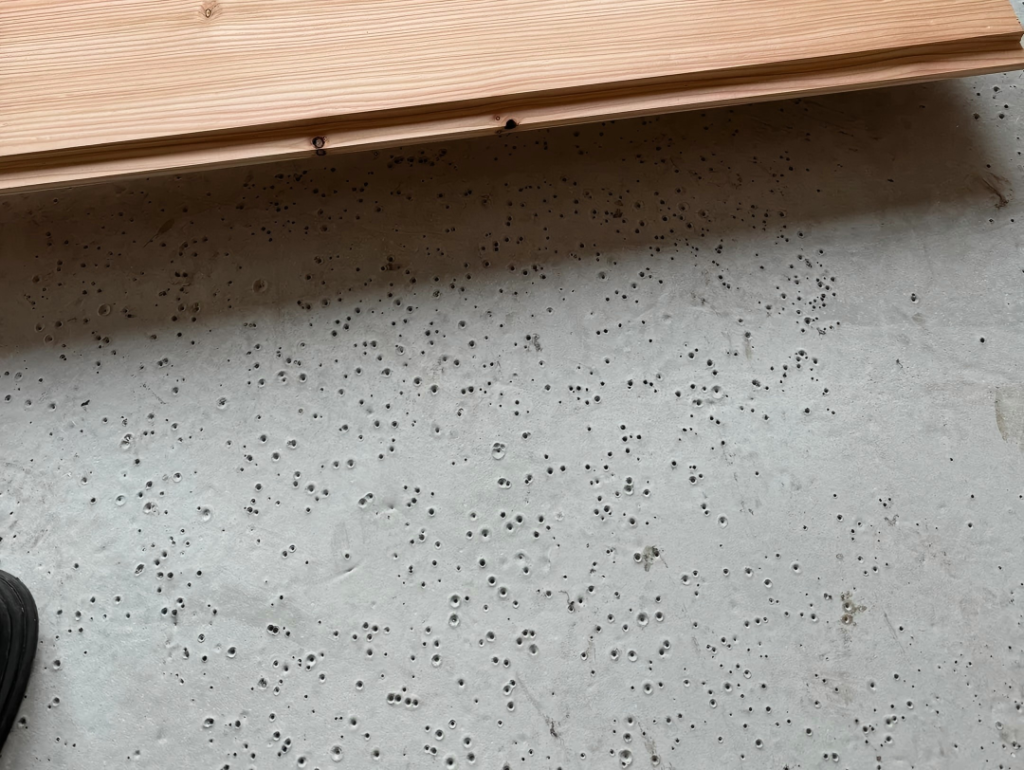
Pinholes in Self-Leveling Mortar: Defoamer, Mixing, or Substrate?
Pinholes in self-leveling mortar are not always caused by insufficient defoamer. This guide explains how to distinguish formulation foam, mixing-induced air, substrate outgassing, and insufficient healing time through a simple three-surface comparison test and practical corrective actions… Continue reading
Dry-Mix Mortar Summer Formulation Adjustment
Why does the same formulation fail in summer? The key is cellulose ether. High temperatures cause ordinary HPMC water retention to drop sharply — increase dosage by 0.1%-0.2%, switch to high gel temperature grades, and combine with retarders. This article gives three practical adjustment directions to tackle summer construction challenges… Continue reading
Mortar Setting Too Fast in Summer Heat?
Mortar drying out in half an hour on summer job sites? High-temperature accelerated hydration is the culprit. This article breaks down the features and selection of sodium gluconate, citric acid, tartaric acid, and boric acid retarders, with dosage adjustment and blending strategies to tackle summer construction challenges… Continue reading
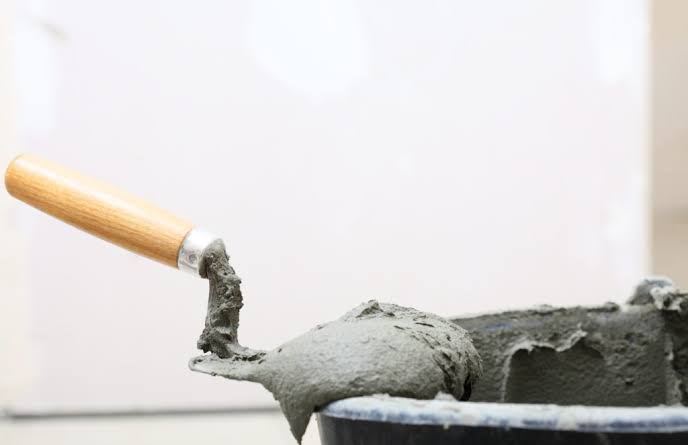
Why Does Dry Mix Mortar Cake During Storage?
Discover why dry mix mortar cakes during storage and transportation. Learn how moisture, packaging, raw materials, and formulation affect storage stability, and explore practical solutions to maintain product quality… Continue reading
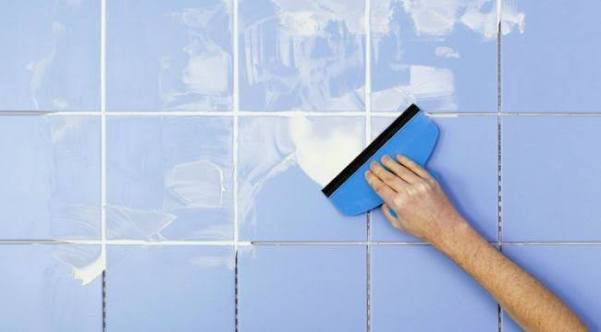
Why Does Tile Grout Change Color After Curing?
Discover the most common causes of tile grout color inconsistency after curing and learn practical solutions through proper formulation, pigment selection, moisture control, and construction practices… Continue reading
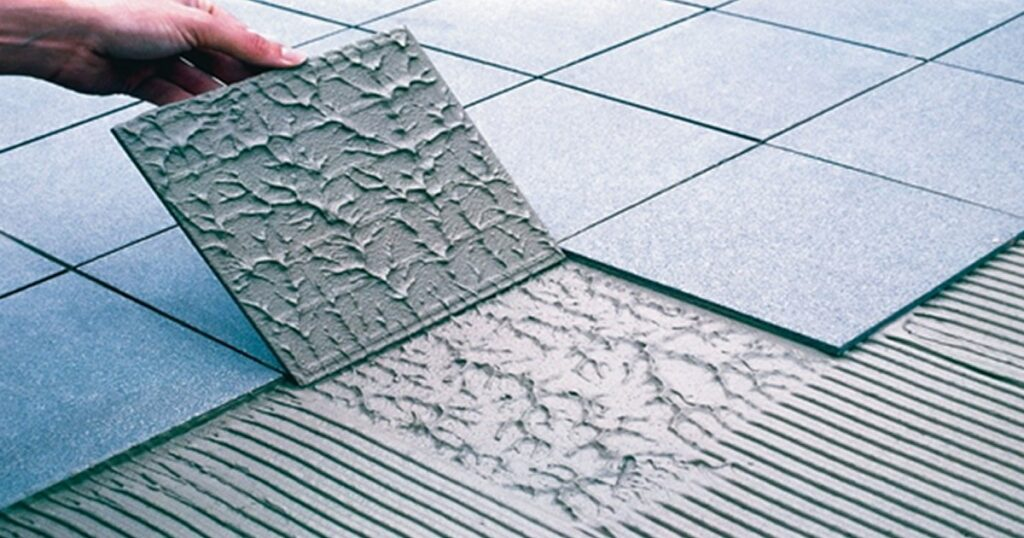
Tile adhesive bond strength
Learn the most common reasons why tile adhesive loses bond strength and discover practical solutions through proper formulation, additive selection, substrate preparation, and construction practices… Continue reading
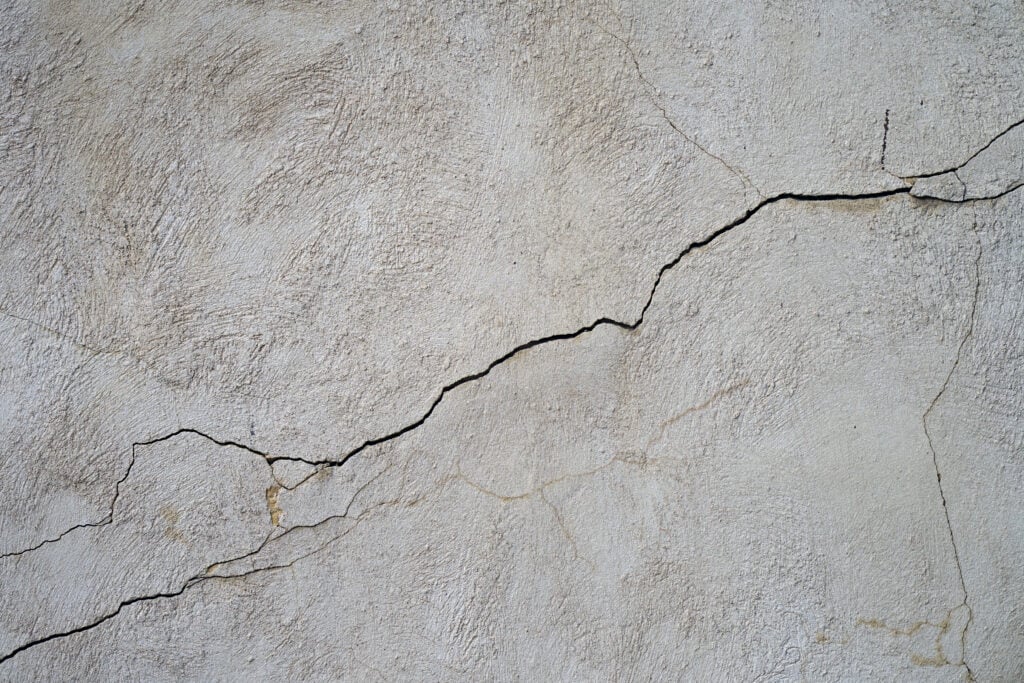
Gypsum Mortar Shrinkage: Causes and How to Prevent Cracks
Understand the main causes of gypsum mortar shrinkage and learn how to prevent cracks using HPMC, gypsum retarder, and proper formulation and construction practices… Continue reading
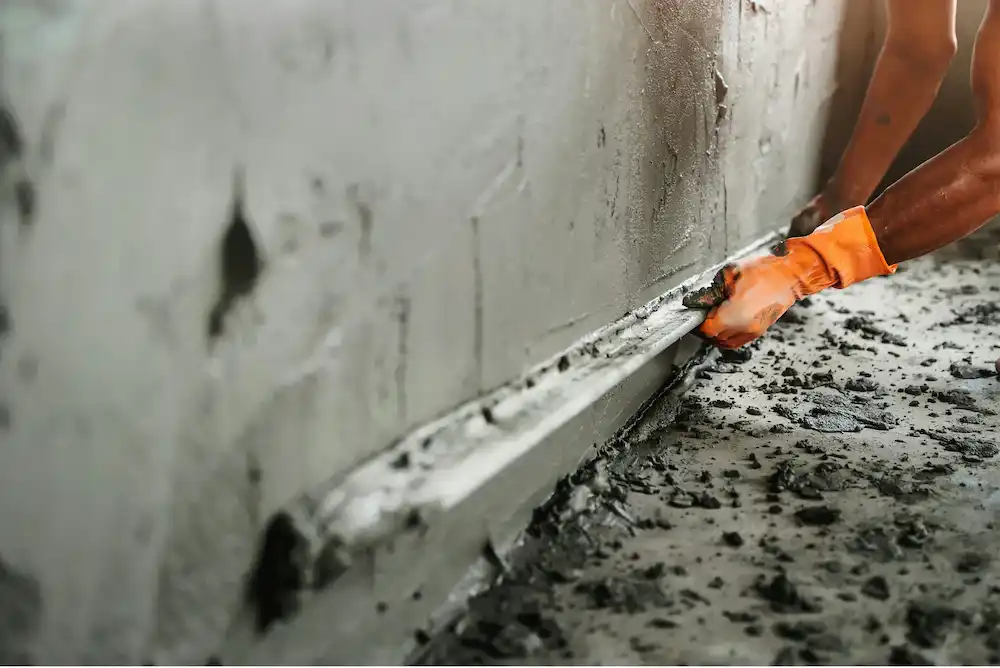
gypsum mortar water retention
Learn practical ways to enhance the water retention of gypsum mortar using HPMC, starch ether, and proper mixing techniques to improve workability and reduce cracks… Continue reading
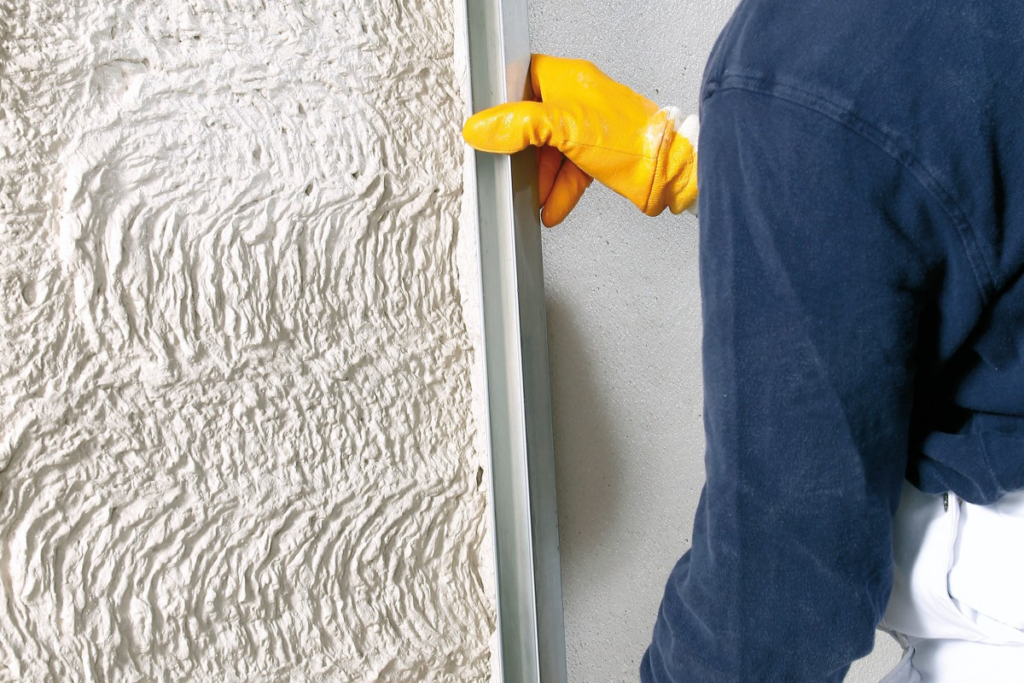
Extend gypsum setting time
Learn why gypsum mortar loses workability too quickly and discover practical solutions using gypsum retarders, HPMC, and formulation optimization to extend working time without compromising strength… Continue reading
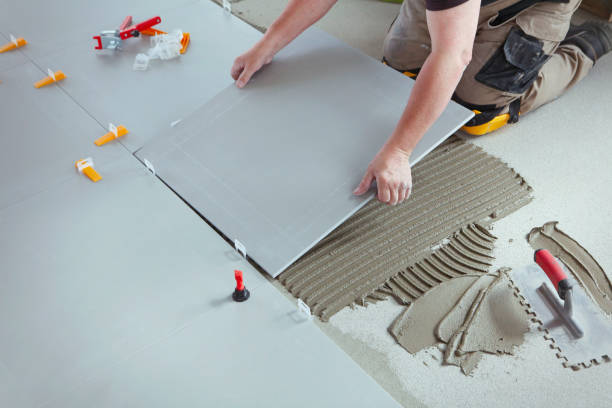
Tile Adhesive Crack Resistance Solutions
This article analyzes 5 main causes of tile adhesive cracking: insufficient flexibility, poor water retention, excessive shrinkage, poor substrate preparation, and incorrect additive selection, with solutions including HPMC, RDP, and other crack-resistant additives… Continue reading
