
Why Does Dry Mix Mortar Cake During Storage?
Dry mix mortar is designed to remain free-flowing throughout storage and transportation so it can be easily mixed with water on the job site. However, manufacturers and distributors occasionally encounter a frustrating problem: the powder hardens into lumps before it is ever used.
Caking not only affects product appearance but also reduces workability, makes mixing more difficult, and may even influence the final performance of the mortar. In severe cases, entire batches must be discarded, resulting in unnecessary costs and customer complaints.
Understanding why dry mix mortar cakes during storage is the first step toward improving product stability.
What Causes Dry Mix Mortar to Cake?
Caking usually occurs because the powder absorbs moisture before it reaches the construction site. Even a small amount of humidity can trigger partial hydration of cement or gypsum, causing individual particles to bond together.
However, moisture is not the only reason. Storage stability is influenced by several factors working together.
Moisture Exposure
Moisture is the most common cause of caking. If mortar bags are exposed to humid air, rain, or condensation during storage or transportation, the powder gradually absorbs water. Once hydration begins, the material starts forming hard lumps that cannot be completely dispersed during mixing.
Warehouses with poor ventilation or high seasonal humidity are particularly vulnerable.
Improper Packaging
Packaging is the first barrier against moisture.
Damaged bags, weak sealing, or packaging materials with poor moisture resistance allow water vapor to enter over time. Even products manufactured with an excellent formulation may cake if the packaging cannot adequately protect them during long-distance transportation or extended storage.
For export shipments, selecting moisture-resistant packaging and ensuring proper pallet wrapping are essential.
Unsuitable Storage Conditions
Where the product is stored is just as important as how it is packaged.
Placing bags directly on concrete floors, storing them close to warehouse doors, or exposing them to large temperature fluctuations can all increase moisture absorption. Condensation formed during day-and-night temperature changes is another frequently overlooked cause of caking.
Dry mix mortar should always be stored in a dry, well-ventilated warehouse on pallets, away from walls and direct contact with the floor.
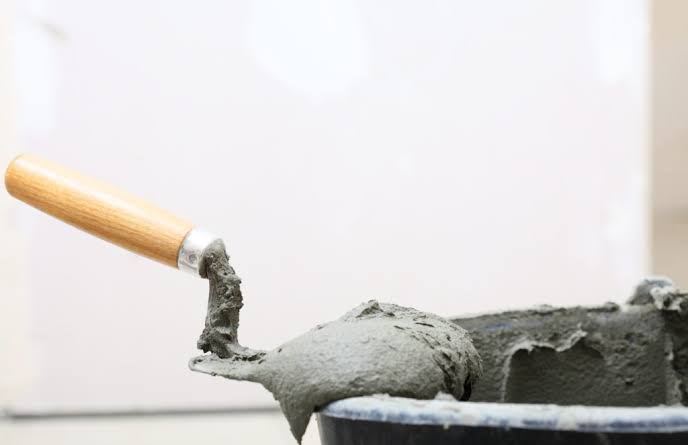
Formulation and Raw Material Selection
The formulation itself also affects storage stability.
Certain additives improve moisture management and powder flow, while high-quality cellulose ether contributes to more stable mortar performance after storage. Consistent raw material quality and proper production control help reduce the risk of premature caking.
Manufacturers should also ensure that raw materials are sufficiently dry before blending and that production equipment is kept free from residual moisture.
How to Improve Storage Stability
Preventing caking requires attention throughout the entire supply chain rather than relying on a single solution.
Manufacturers can improve storage stability by:
- Using high-quality, low-moisture raw materials.
- Optimizing the formulation for better storage performance.
- Selecting moisture-resistant packaging materials.
- Sealing bags properly after filling.
- Storing products in cool, dry warehouses.
- Keeping bags on pallets instead of directly on the floor.
- Following the recommended shelf life and stock rotation practices.
Conclusion
Dry mix mortar caking is usually the result of moisture exposure, inadequate packaging, unsuitable storage conditions, or insufficient formulation control. Fortunately, these problems can be minimized through proper raw material selection, optimized production processes, reliable packaging, and appropriate warehouse management.
For manufacturers and distributors, improving storage stability not only reduces product losses but also enhances customer satisfaction and protects brand reputation.




Drymix Mortar Tech+
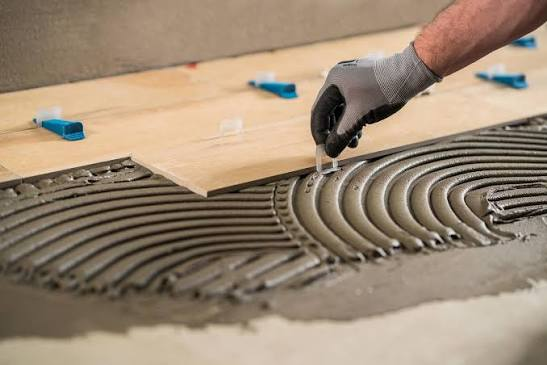
Tile Adhesive Slipping After Adding HPMC: Causes & Fixes
Tile adhesive can still slip even after increasing HPMC. Learn how HPMC grade, water demand, starch ether, thixotropy, and formulation balance affect slip resistance… Continue reading
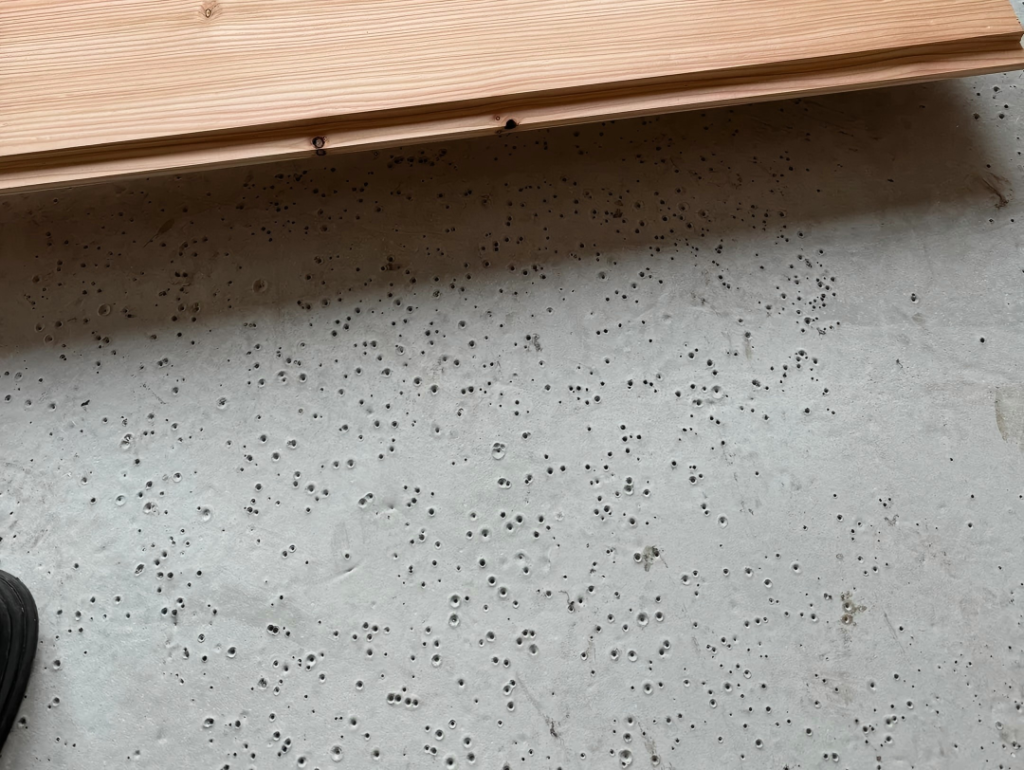
Pinholes in Self-Leveling Mortar: Defoamer, Mixing, or Substrate?
Pinholes in self-leveling mortar are not always caused by insufficient defoamer. This guide explains how to distinguish formulation foam, mixing-induced air, substrate outgassing, and insufficient healing time through a simple three-surface comparison test and practical corrective actions… Continue reading
Why Does Dry Mortar Have Poor Water Retention?
Learn why dry mortar has poor water retention and how HPMC and MHEC can improve water retention, workability, and cement hydration in dry-mix mortar… Continue reading
Dry-Mix Mortar Summer Formulation Adjustment
Why does the same formulation fail in summer? The key is cellulose ether. High temperatures cause ordinary HPMC water retention to drop sharply — increase dosage by 0.1%-0.2%, switch to high gel temperature grades, and combine with retarders. This article gives three practical adjustment directions to tackle summer construction challenges… Continue reading
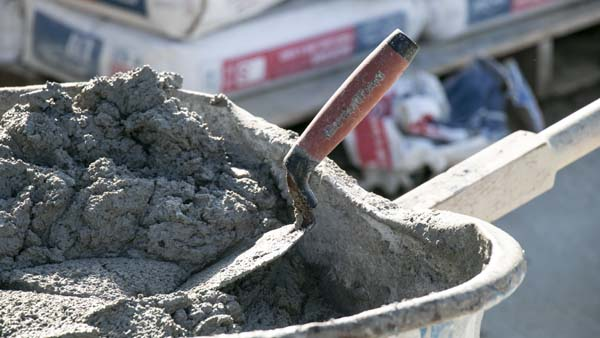
Mortar Setting Too Fast in Summer Heat?
Mortar drying out in half an hour on summer job sites? High-temperature accelerated hydration is the culprit. This article breaks down the features and selection of sodium gluconate, citric acid, tartaric acid, and boric acid retarders, with dosage adjustment and blending strategies to tackle summer construction challenges… Continue reading

Why Does Tile Grout Change Color After Curing?
Discover the most common causes of tile grout color inconsistency after curing and learn practical solutions through proper formulation, pigment selection, moisture control, and construction practices… Continue reading
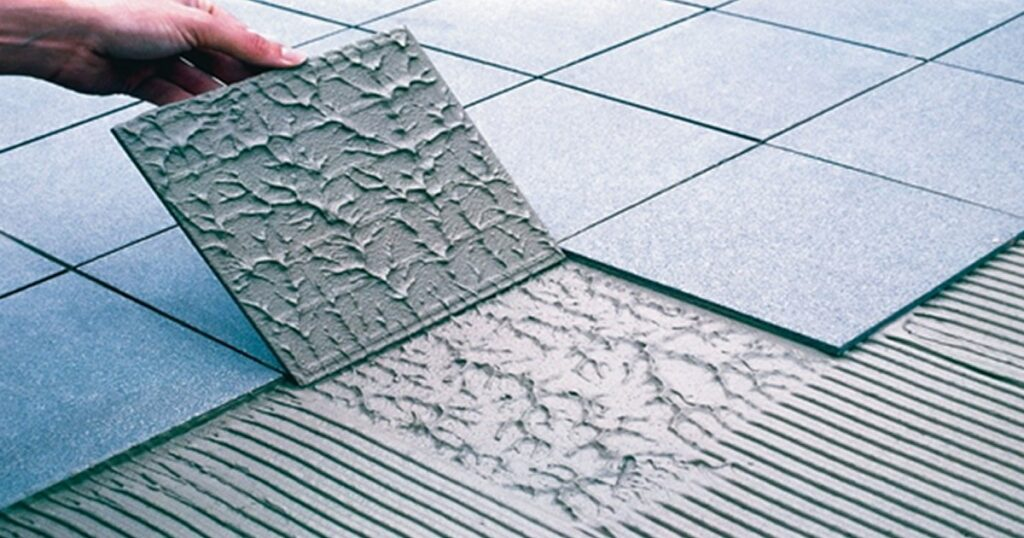
Tile adhesive bond strength
Learn the most common reasons why tile adhesive loses bond strength and discover practical solutions through proper formulation, additive selection, substrate preparation, and construction practices… Continue reading
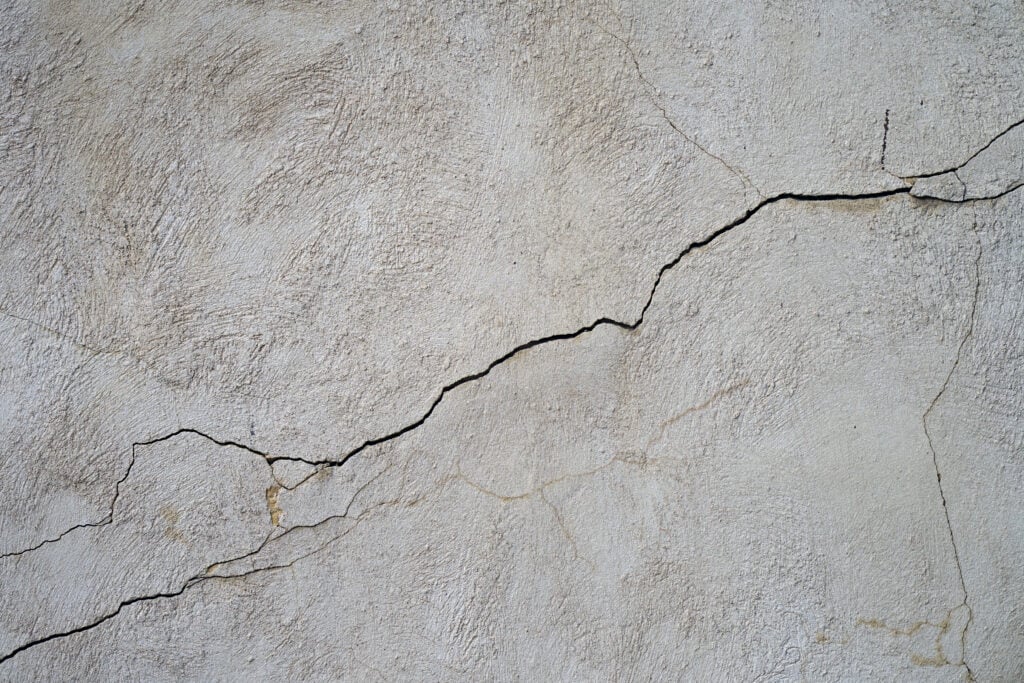
Gypsum Mortar Shrinkage: Causes and How to Prevent Cracks
Understand the main causes of gypsum mortar shrinkage and learn how to prevent cracks using HPMC, gypsum retarder, and proper formulation and construction practices… Continue reading
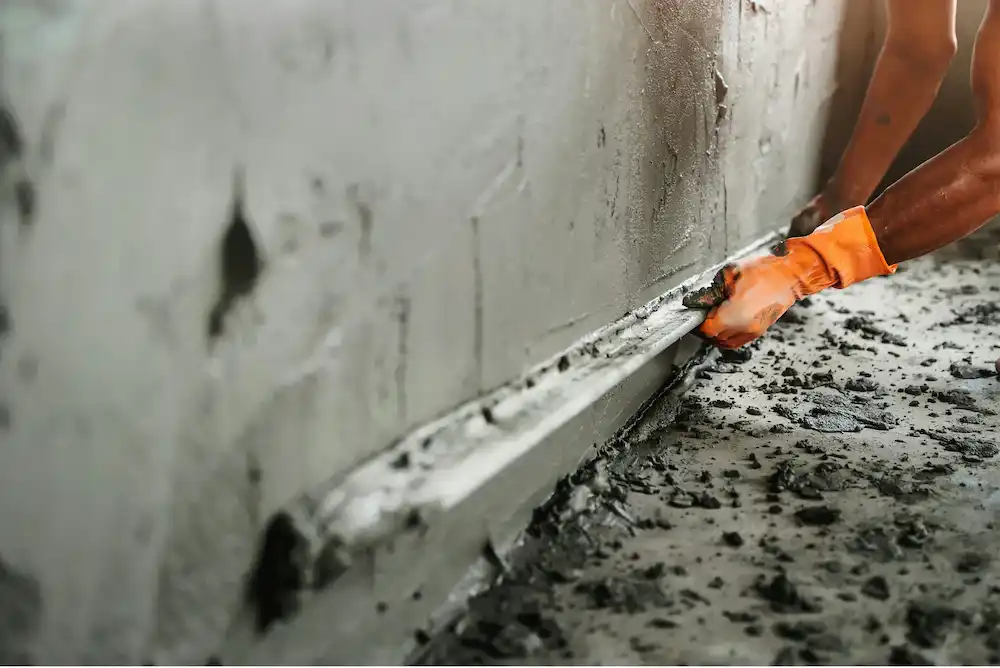
gypsum mortar water retention
Learn practical ways to enhance the water retention of gypsum mortar using HPMC, starch ether, and proper mixing techniques to improve workability and reduce cracks… Continue reading
Extend gypsum setting time
Learn why gypsum mortar loses workability too quickly and discover practical solutions using gypsum retarders, HPMC, and formulation optimization to extend working time without compromising strength… Continue reading
