
Self-Leveling Mortar Flow Loss: Causes & Solutions
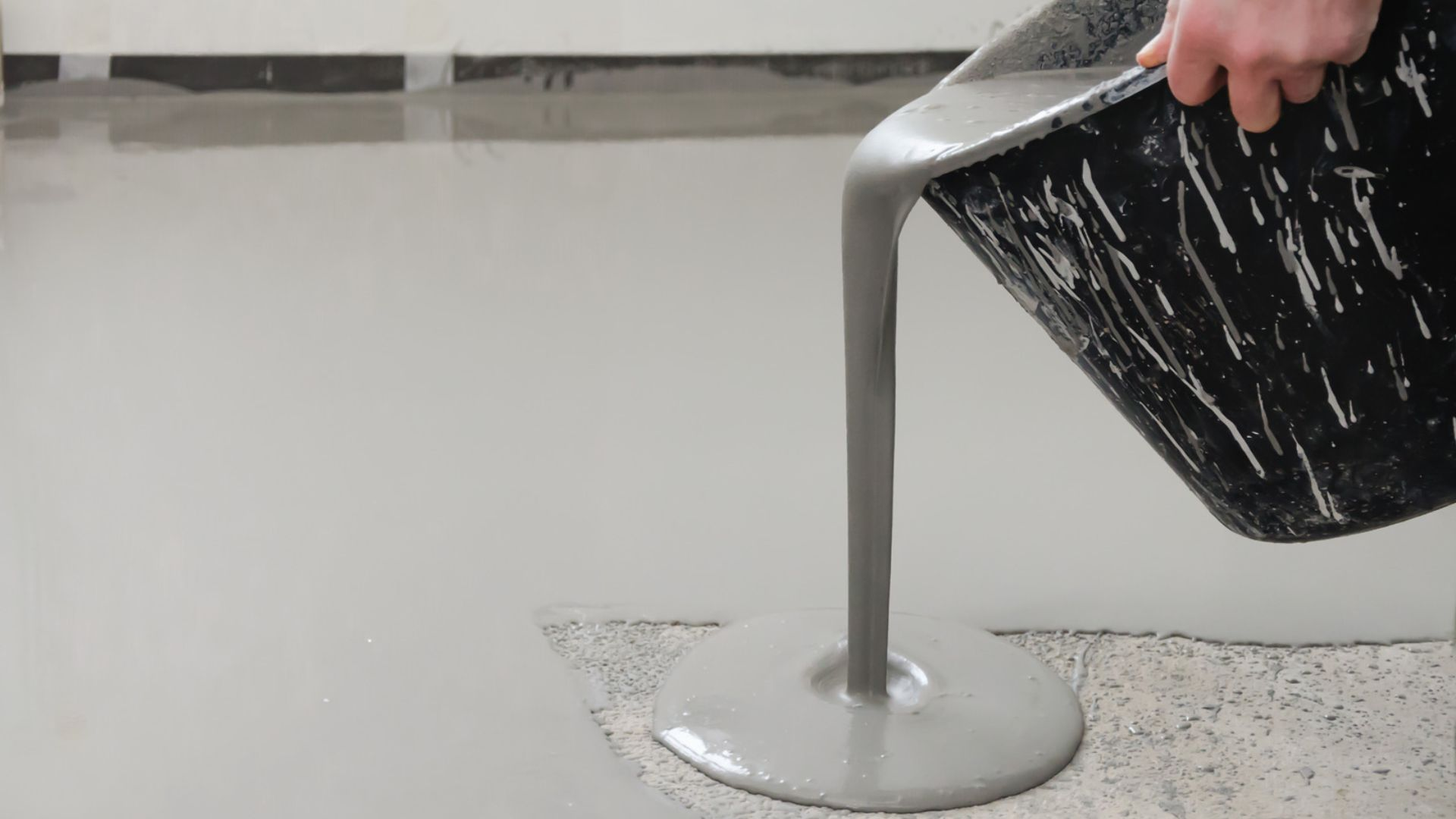
A self-leveling mortar may look perfect immediately after mixing: high fluidity, easy spreading, and a smooth slurry.
But after several minutes, the mortar becomes noticeably thicker and stops flowing properly.
Adding more water may temporarily restore fluidity, but it can also cause segregation, lower strength, and surface defects.
The better question is:
Why is the mortar losing flow so quickly?
1. Check PCE Compatibility
The polycarboxylate superplasticizer is one of the main components controlling flow in cement-based self-leveling mortar.
However, the same PCE can behave differently with different cement systems.
Flow loss may increase when:
- the cement source changes;
- the binder contains more reactive components;
- PCE dosage is too low;
- the selected PCE provides strong initial flow but poor retention;
- other additives interfere with dispersion.
Do not judge a PCE only from the initial flow diameter.
Measure the mortar again after 5, 10, and 20 minutes.
A slightly lower initial flow with better retention may sometimes perform better in actual application.
2. Setting May Be Too Fast
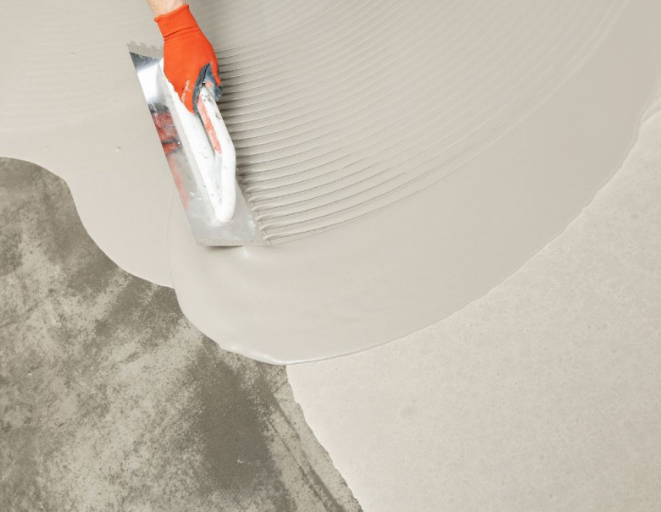
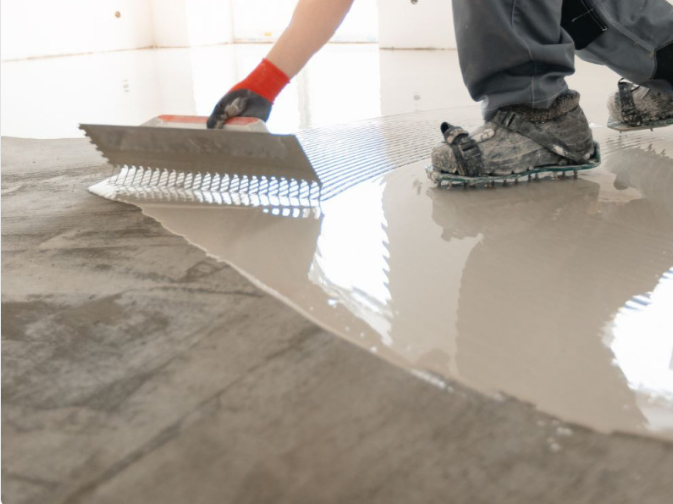
Self-leveling mortar needs enough working time to spread and heal before setting begins. If the accelerator-retarder balance is too aggressive, the mortar may start building structure too early.
Typical signs include:
- good initial flow;
- rapid thickening;
- shorter working time;
- poor self-healing;
- visible trowel or spike-roller marks.
When this happens, check the complete setting-control system rather than simply adding more PCE. Flow retention and healing time are recognized fresh-mortar properties in standardized self-leveling mortar testing.
3. Too Much Cellulose Ether Can Reduce Flow
A suitable amount of cellulose ether for self-leveling compounds helps improve water retention and stability.
But excessive dosage can increase viscosity and reduce flowability.
This creates a common formulation problem:
More cellulose ether improves stability, but the mortar becomes too resistant to flow.
SidleyChem’s existing self-leveling technical content also notes that cellulose ether dosage needs to stay within a reasonable range because excessive addition can reduce flowability.
The target is therefore not maximum viscosity, but enough stability without sacrificing self-leveling performance.
4. Temperature Can Accelerate Flow Loss
High temperature can shorten the usable working time of a self-leveling mortar. If laboratory tests are performed at 20–25°C but the product is later used in a much hotter environment, the field result may be very different.
When flow loss suddenly becomes worse, check:
- dry-mix temperature;
- mixing-water temperature;
- room or jobsite temperature;
- substrate temperature.
Do not change the formulation before confirming whether temperature is contributing to the problem.
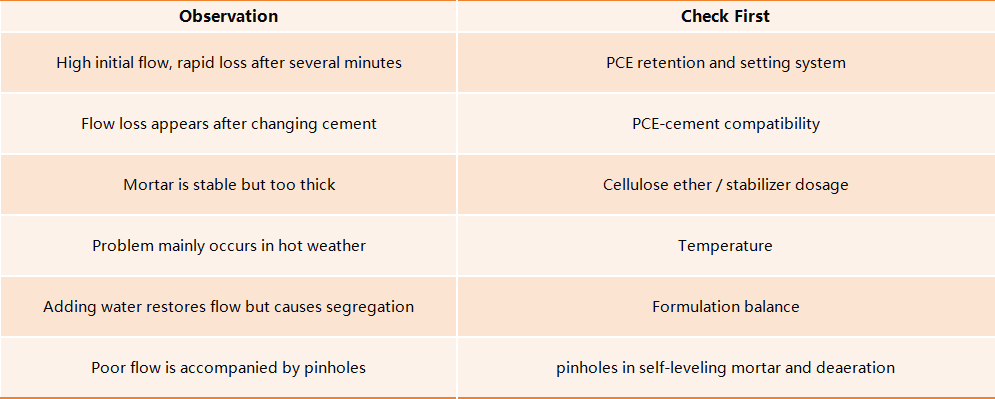
5. Quick Troubleshooting Guide
Conclusion
Rapid flow loss in self-leveling mortar is not always caused by insufficient water.
The main causes may include:
- unsuitable PCE;
- poor PCE-cement compatibility;
- overly fast setting;
- excessive cellulose ether;
- high temperature;
- unbalanced formulation.
The best solution is to evaluate initial flow, flow retention, setting behavior, and mortar stability together.
The target is not simply high initial fluidity, but enough working time for the mortar to spread, level, and form a smooth surface.




Drymix Mortar Tech+
Tile Adhesive Slipping After Adding HPMC: Causes & Fixes
Tile adhesive can still slip even after increasing HPMC. Learn how HPMC grade, water demand, starch ether, thixotropy, and formulation balance affect slip resistance… Continue reading
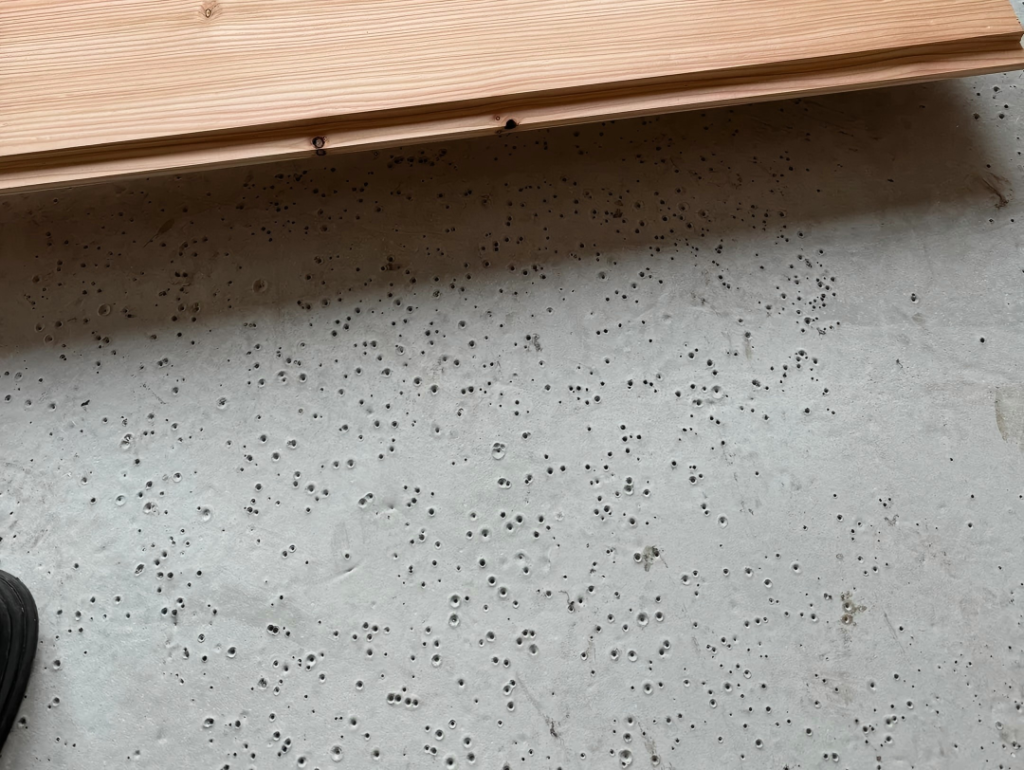
Pinholes in Self-Leveling Mortar: Defoamer, Mixing, or Substrate?
Pinholes in self-leveling mortar are not always caused by insufficient defoamer. This guide explains how to distinguish formulation foam, mixing-induced air, substrate outgassing, and insufficient healing time through a simple three-surface comparison test and practical corrective actions… Continue reading
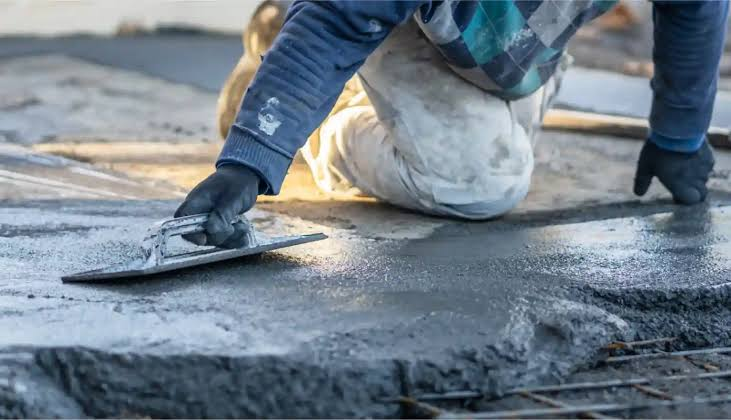
Why Does Dry Mortar Have Poor Water Retention?
Learn why dry mortar has poor water retention and how HPMC and MHEC can improve water retention, workability, and cement hydration in dry-mix mortar… Continue reading
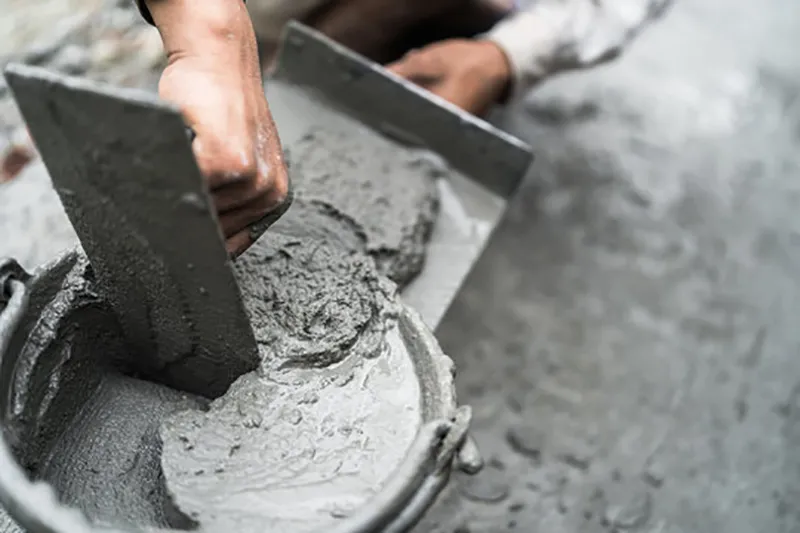
Dry-Mix Mortar Summer Formulation Adjustment
Why does the same formulation fail in summer? The key is cellulose ether. High temperatures cause ordinary HPMC water retention to drop sharply — increase dosage by 0.1%-0.2%, switch to high gel temperature grades, and combine with retarders. This article gives three practical adjustment directions to tackle summer construction challenges… Continue reading
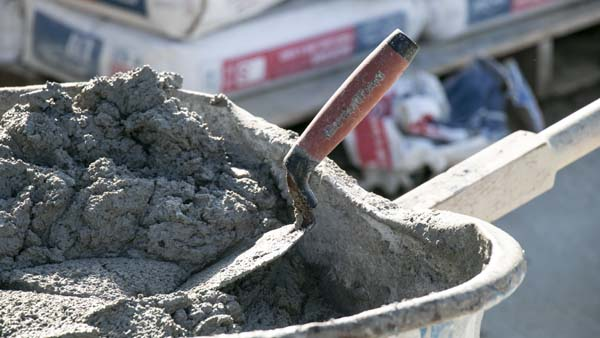
Mortar Setting Too Fast in Summer Heat?
Mortar drying out in half an hour on summer job sites? High-temperature accelerated hydration is the culprit. This article breaks down the features and selection of sodium gluconate, citric acid, tartaric acid, and boric acid retarders, with dosage adjustment and blending strategies to tackle summer construction challenges… Continue reading
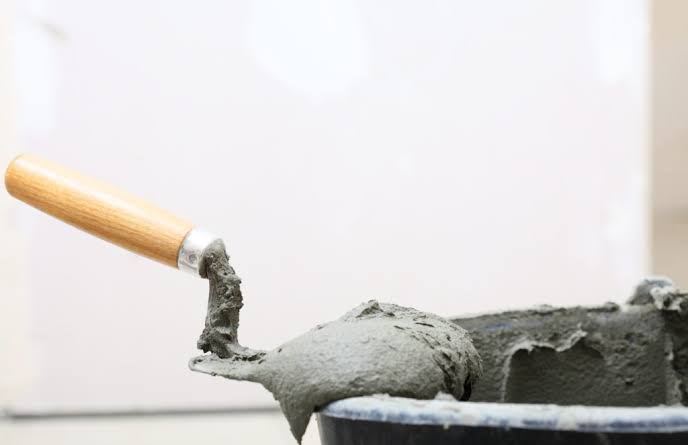
Why Does Dry Mix Mortar Cake During Storage?
Discover why dry mix mortar cakes during storage and transportation. Learn how moisture, packaging, raw materials, and formulation affect storage stability, and explore practical solutions to maintain product quality… Continue reading

Why Does Tile Grout Change Color After Curing?
Discover the most common causes of tile grout color inconsistency after curing and learn practical solutions through proper formulation, pigment selection, moisture control, and construction practices… Continue reading
Tile adhesive bond strength
Learn the most common reasons why tile adhesive loses bond strength and discover practical solutions through proper formulation, additive selection, substrate preparation, and construction practices… Continue reading
Gypsum Mortar Shrinkage: Causes and How to Prevent Cracks
Understand the main causes of gypsum mortar shrinkage and learn how to prevent cracks using HPMC, gypsum retarder, and proper formulation and construction practices… Continue reading
gypsum mortar water retention
Learn practical ways to enhance the water retention of gypsum mortar using HPMC, starch ether, and proper mixing techniques to improve workability and reduce cracks… Continue reading
