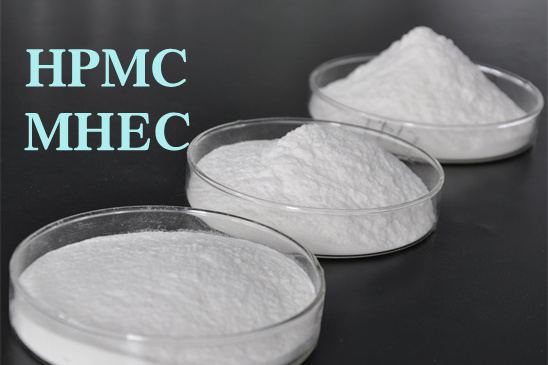
Cellulose Ethers (HPMC & MHEC)

01 Overview

SIDLEYCEL construction-grade cellulose ethers include hydroxypropyl methylcellulose (HPMC) and methyl hydroxyethyl cellulose (MHEC/HEMC). Our grades provide water retention and rheology control for tile adhesives, gypsum plaster, wall putty and other drymix mortars. We offer product selection, application testing and formulation support.

SIDLEYCEL offers construction-grade hydroxypropyl methylcellulose (HPMC) and methyl hydroxyethyl cellulose (MHEC/HEMC) for cement- and gypsum-based mortars. These nonionic, water-soluble cellulose ethers provide water retention and rheology control, helping manufacturers achieve consistent mixing, application and finishing performance.

Our ME/MP series includes grades for different binder systems, raw materials and application conditions. Product selection considers water retention, consistency, wetting, open time and the required application properties.

Key Benefits

  • Water Retention: Helps limit premature water loss and maintain moisture for binder hydration.
  • Workability: Adjusts mortar consistency and supports smooth spreading and troweling.
  • Application Control: Suitable grades help improve sag resistance and tile-slip control.
  • Open-Time Performance: Selected grades support wetting and open-time performance in tile adhesives.

Product Grades & Applications

Select a grade according to the mortar application, binder system, water demand and target performance. Viscosity should be evaluated together with the solution concentration, temperature and measurement method specified in the corresponding technical data sheet.

Construction Grade Cellulose Ether

Cellulose Ether Methylhydroxyethylcellulose (MHEC)/

Hydroxypropyl MethylCellulose (HPMC)

EMP-E04N28 SD000996 40000-50000Cps C0, C1,Tile adhesive Economical product
EMP-E14N23 SD000860 40000-50000Cps C1,Tile adhesive Economical product
EMP-15N27 SD000995 50000-60000Cps C1,C2 Tile adhesive Well-balanced performance
MP-H14N20 SD000829 40000-50000Cps C1,C2 Tile adhesive Well-balanced performance, Long open time
ME-H14N30 SD000990 40000-50000Cps C2TES1/S2, TIle adhesive Imparts excellent open time to tile adhesive(C2TES1/S2)
MP-H12M31 SD000970 20000-30000Cps Cement Based Machine Plaster,
Tile adhesive
Good adhesion, excellent Anti-sagging

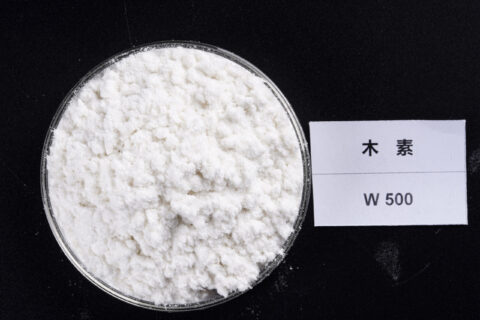
Surface Treatment Of HPMC
02 Wetting & Open-Time

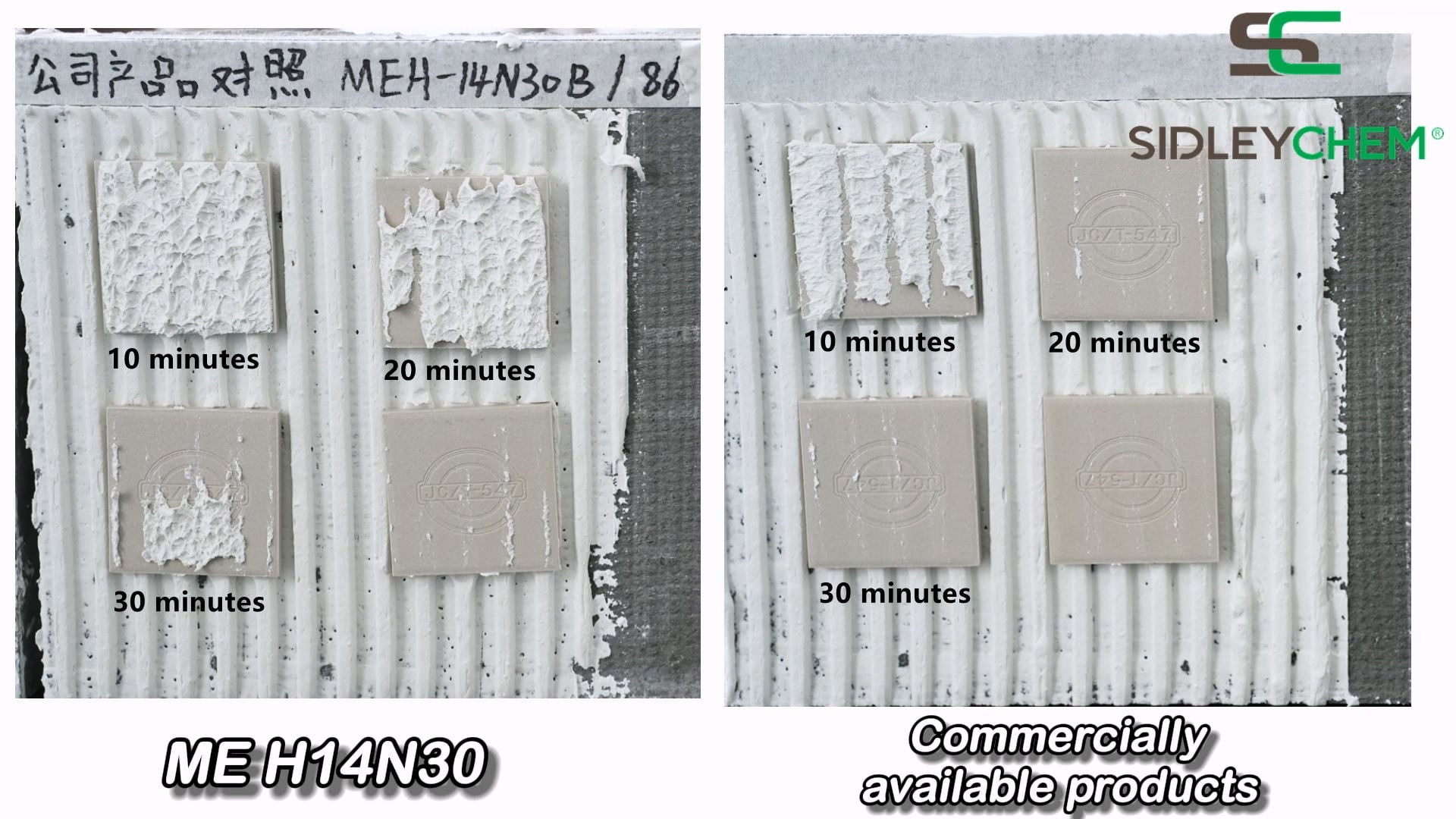
In tile adhesives, water retention and suitable rheology help maintain effective contact between the adhesive and the tile surface.

SIDLEYCEL grades can be selected for different polymer contents, water demands and application conditions. Our laboratory supports comparative testing of tile-back coverage, surface drying and adhesion after the required open time.

Tile adhesive wetting comparison using SIDLEYCEL cellulose ether.

03 Thickening & Workability

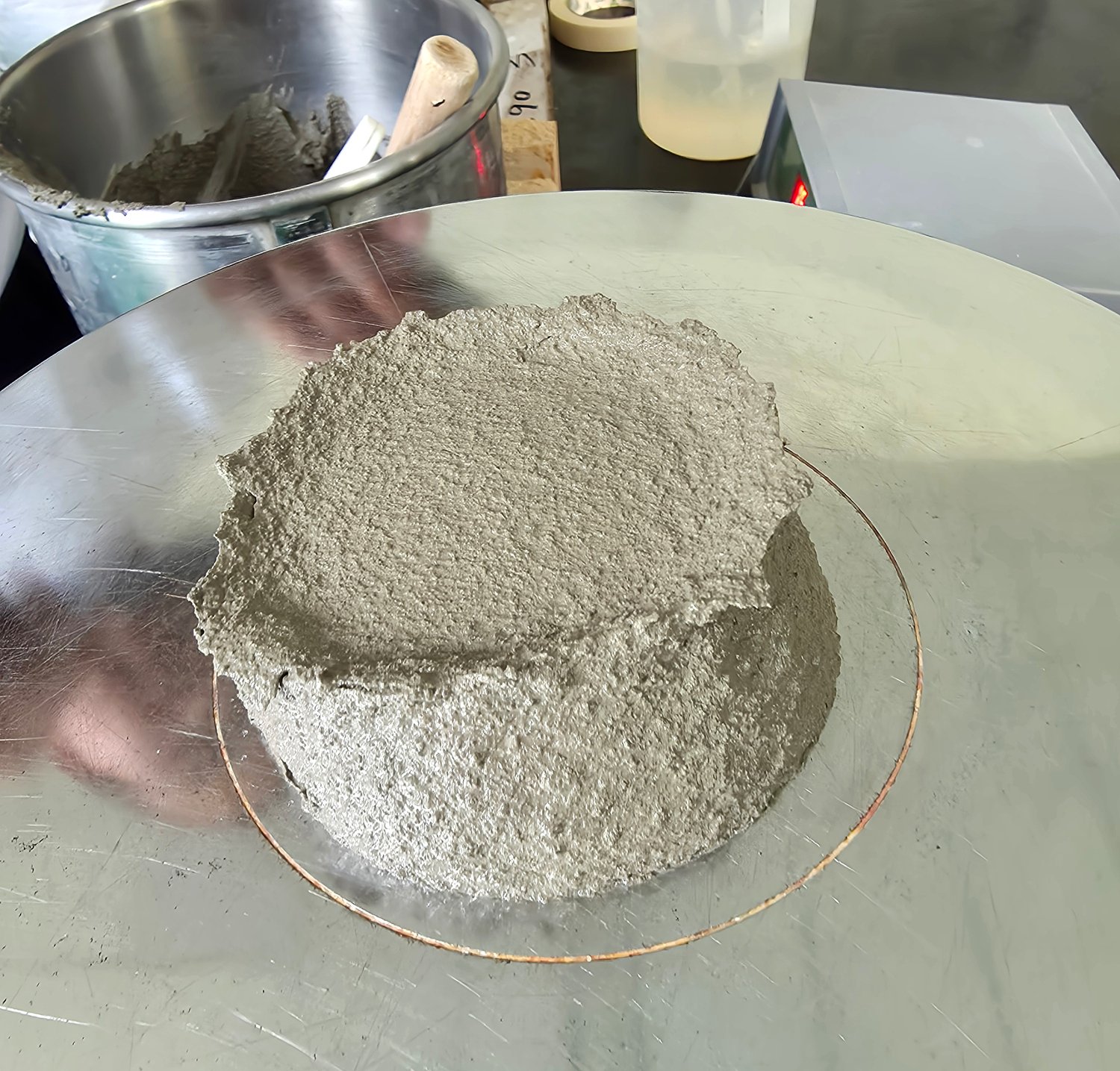
SIDLEYCEL cellulose ethers help control mortar consistency, cohesion and flow. This supports uniform mixing, smooth application and controlled material placement on vertical surfaces.

Grade selection balances spreadability, troweling resistance and sag resistance. We help customers identify suitable products for hand-applied mortars, machine-applied plasters and other construction formulations.

04 Applications & Usage

  1. 1
    Applications of HPMC

    SIDLEYCEL construction-grade cellulose ethers are available for:

    • Cementitious tile adhesives and grouts
    • Gypsum plasters
    • Wall putty and skim coats
    • Cement renders and machine-applied mortars
    • ETICS bonding and base-coat mortars
    • Self-leveling compounds
  2. 2
    What is the main difference between HPMC and MHEC?

    HPMC is hydroxypropyl methylcellulose, while MHEC is methyl hydroxyethyl cellulose, also known as HEMC. Both are nonionic cellulose ethers used for water retention and rheology control. Their different substitution structures influence thermal behavior and solution properties, while the selected grade determines practical mortar performance.

  3. 3
    Which should I choose for tile adhesives?

    Both types can be suitable. Selection should consider tile wetting, open time, slip resistance, troweling properties and adhesion after the required conditioning. The cellulose ether should also be compatible with the cement, fillers, redispersible polymer powder and water content used in the formulation.

  4. 4
    Is MHEC always better for gypsum plaster?

    MHEC is widely used in gypsum plaster, but suitable HPMC grades can also perform well. Compare water retention, consistency, troweling resistance, pumping behavior and setting characteristics. Gypsum source, water demand, retarders and other additives can significantly influence the final result.

  5. 5
    Does higher viscosity mean better mortar performance?

    Viscosity should match the application. A grade suitable for a thick plaster may provide excessive consistency in a self-leveling compound. Select the product to achieve the required balance of water retention, flow, spreading and sag resistance.

  6. 6
    Will increasing cellulose ether dosage always extend open time?

    Increasing dosage may improve water retention, but open time also depends on binder chemistry, polymer content, fillers, water demand and application conditions. Check wetting and adhesion after the required open time, together with mixing and troweling properties, when adjusting dosage.  Data indicate that higher dosage levels of cellulose ether result in greater mortar strength.

  7. 7
    Need Help Selecting a Grade?

    Share your mortar type, binder system, water addition, current cellulose ether grade and dosage, and target performance with SidleyChem. Our technical team can recommend suitable SIDLEYCEL HPMC or MHEC grades for laboratory evaluation.

05 Application Test Videos