
Choosing concrete expanding agents
1. Core Function & Principle
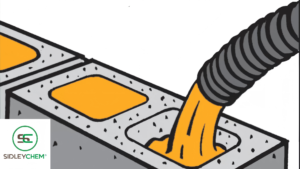 A concrete expanding agent is a functional chemical admixture. When added to concrete, it undergoes a hydration reaction that generates controlled volumetric expansion. This expansion is designed to counteract the shrinkage stresses (from drying, cooling, or cement hydration) that occur during concrete hardening. Its primary purposes are to prevent cracking, improve impermeability and density, and enhance interfacial bonding.
Essentially, it uses “controlled expansion” to achieve shrinkage compensation or induce self-stress, meeting diverse engineering needs for crack resistance, waterproofing, and seamless construction.
2. Main Types & Mechanism Comparison
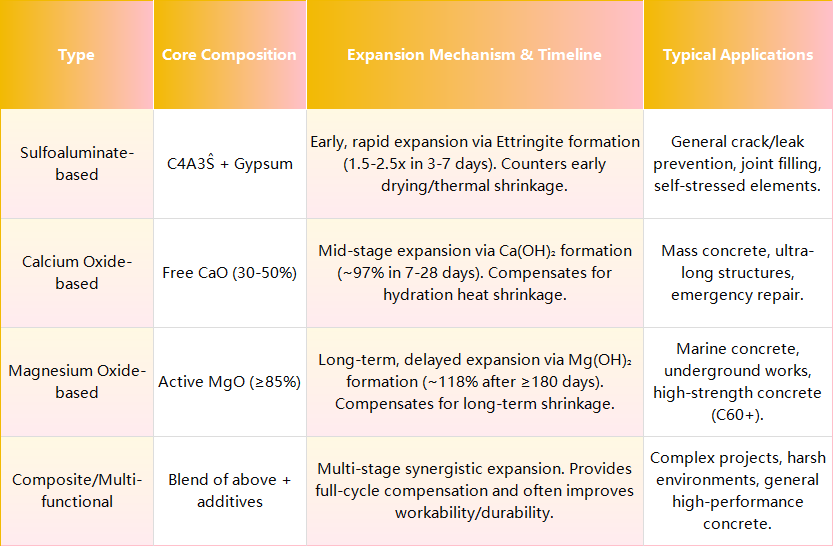
The performance of an expanding agent depends largely on its core chemical composition. The following table summarizes the four main types, their mechanisms, and key application areas:
3. Application Guidance & Dosage
Selecting the correct type and dosage is critical for success and cost-effectiveness.
-
Dosage Range (by cement weight):
-
-
CaO-based: 3%-8% (5%-8% for mass concrete).
-
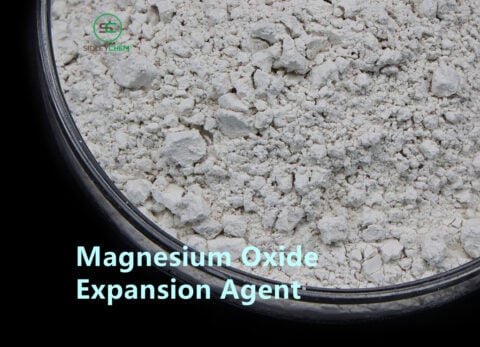
MgO-based: 4%-10% (6%-10% for marine works).
-
Composite: 5%-12% (varies by formulation).
- Sulfoaluminate-based: 6%-12% (8%-10% for crack control).
-
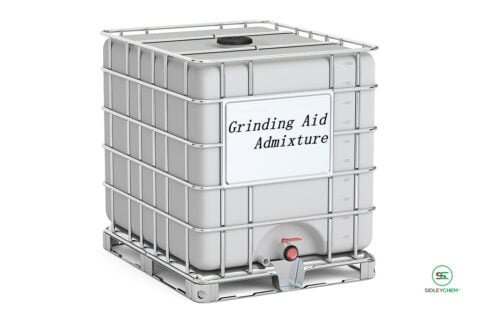
4. SidleyChem’s Innovative Solution: SIDLEY EAMP
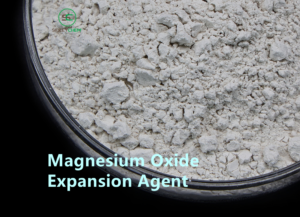 To address the demands of modern underground and marine structures, SidleyChem has developed SIDLEY EAMP, a next-generation composite expanding agent masterbatch.
-
Production Efficiency: 1 ton of SIDLEY EAMP produces 2-4 tons of the finished product, SIDLEY EA25.
-
Recommended Dosage:
-
For SIDLEY EA25: Use 4.0% – 8.0% by weight of total cement.
-
For SIDLEY EAMP (direct use): Use 1.0% – 2.0% by weight of total cement.
-
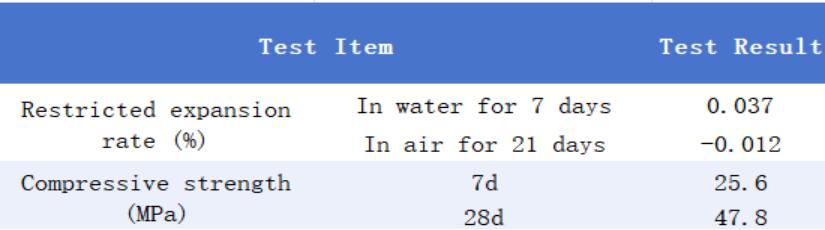
The table below presents key test data for our expanding agent series.




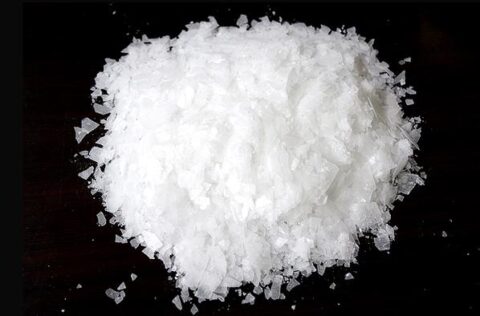
Concrete & Beton Tech+

PCE Cement Compatibility: Why Performance Changes
PCE performance can change after switching cement. Learn why water reduction, slump retention, and setting behavior change and how to identify the cause… Continue reading
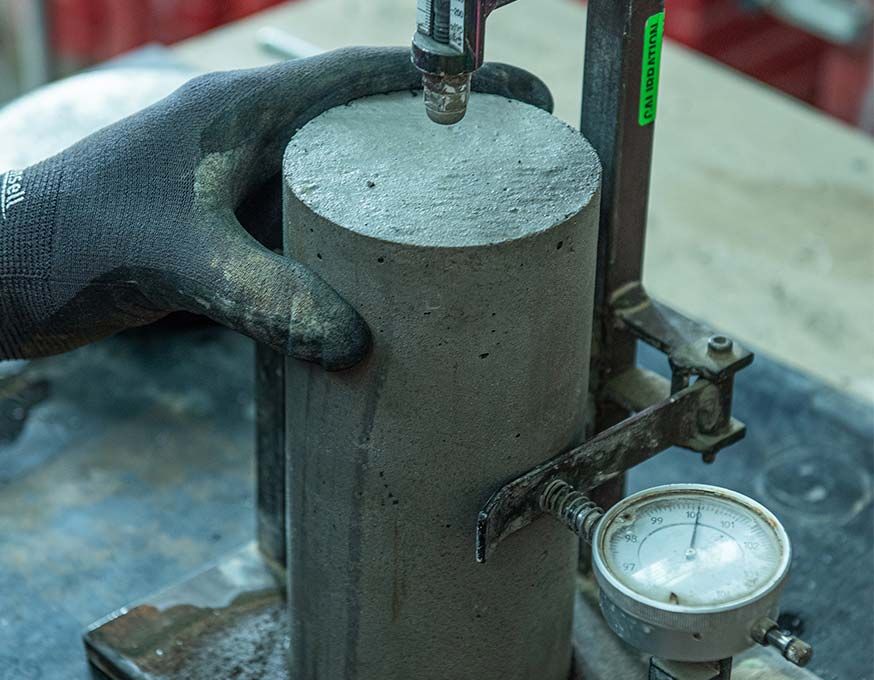
Why Does Concrete Strength Vary Between Batches?
Learn why concrete strength varies between batches and how to improve consistency through proper water control, raw materials, admixture dosing, mixing, and curing… Continue reading
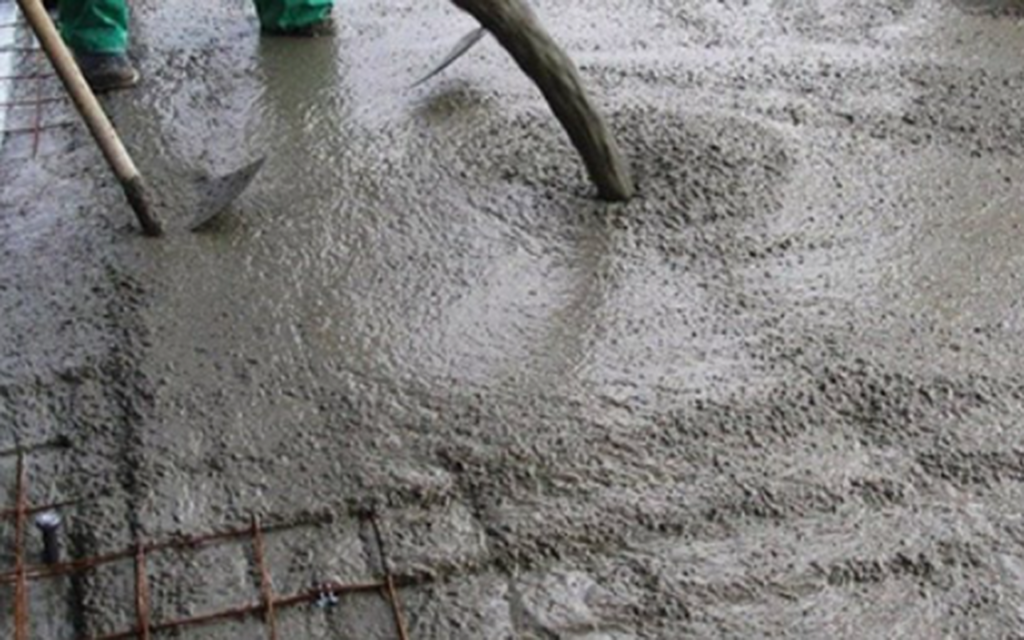
The Role of Expanding Agents in Compensating Shrinkage of Mass Concrete Foundations
Cracking after mass concrete foundation pouring? Thermal shrinkage, drying shrinkage, and autogenous shrinkage combined are the culprits. … Continue reading

Lightweight Aggregate Concrete Lacking Viscosity?
Lightweight aggregate concrete segregation, aggregate floating, pump blockages? The root cause is insufficient viscosity. This article details four practical methods — viscosity modifier dosage (0.02%–0.03%), aggregate pre-wetting, mix optimization, and specialized admixtures — to solve workability problems once and for all… Continue reading

How Does Air-Entraining Agent Affect Concrete Strength?
Each 1% air content reduces concrete strength by 4%–6%. How to balance? This short article gives three practical methods: measure air content, lower w/c, and choose a stable-foam AEA. Direct and actionable… Continue reading
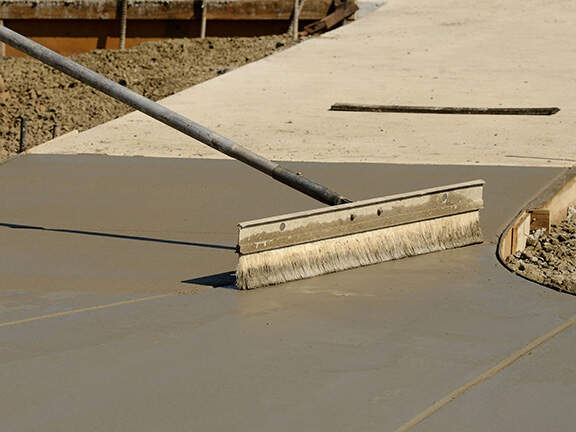
The Three Critical Windows for Concrete Curing
Same mix design, with and without proper curing – 28‑day strength can differ by a whole grade. This article explains hydration mechanisms, three critical curing windows, and practical steps to prevent strength loss and cracking… Continue reading
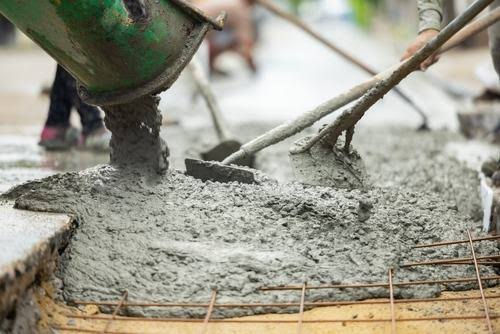
Which Admixtures Improve Concrete Durability?
Discover which concrete admixtures improve durability, including Polycarboxylate Superplasticizers, Air-Entraining Agents, Corrosion Inhibitors, Waterproofing Admixtures, and Concrete Fibers. Learn how to enhance strength, reduce permeability, and extend service life… Continue reading
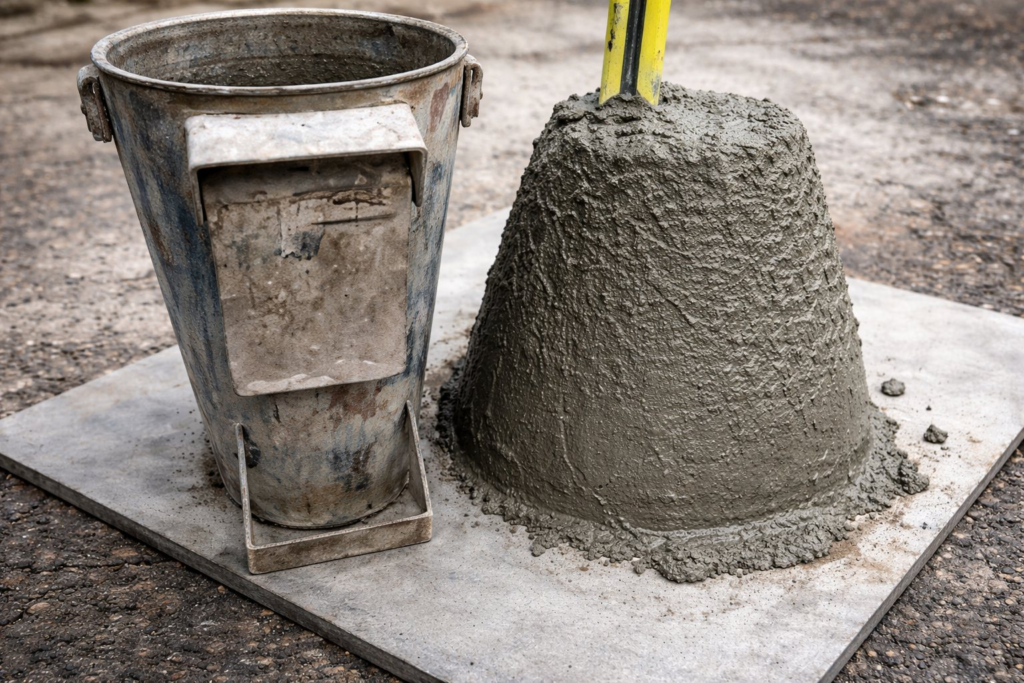
How to Maintain Slump Retention During Long-Distance Transportation
Learn how to maintain concrete slump retention during long-distance transportation by optimizing mix design, selecting the right admixtures, and improving production practices… Continue reading
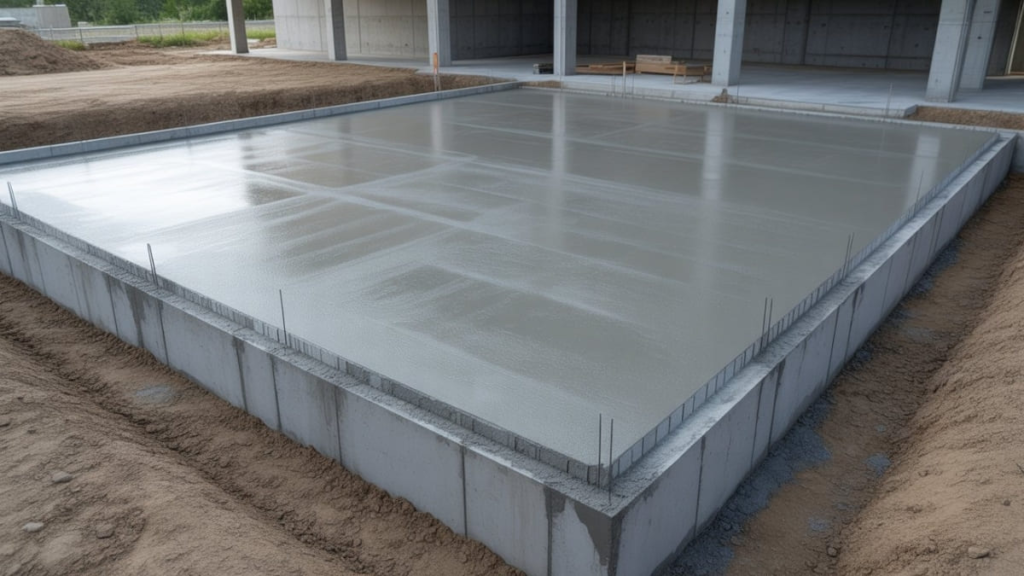
Why Does Concrete Bleeding Occur?
Learn why concrete bleeding occurs, what causes excessive bleeding, and how to reduce it using proper mix design, Polycarboxylate Superplasticizers (PCE), and Viscosity Modifying Agents (VMA)… Continue reading
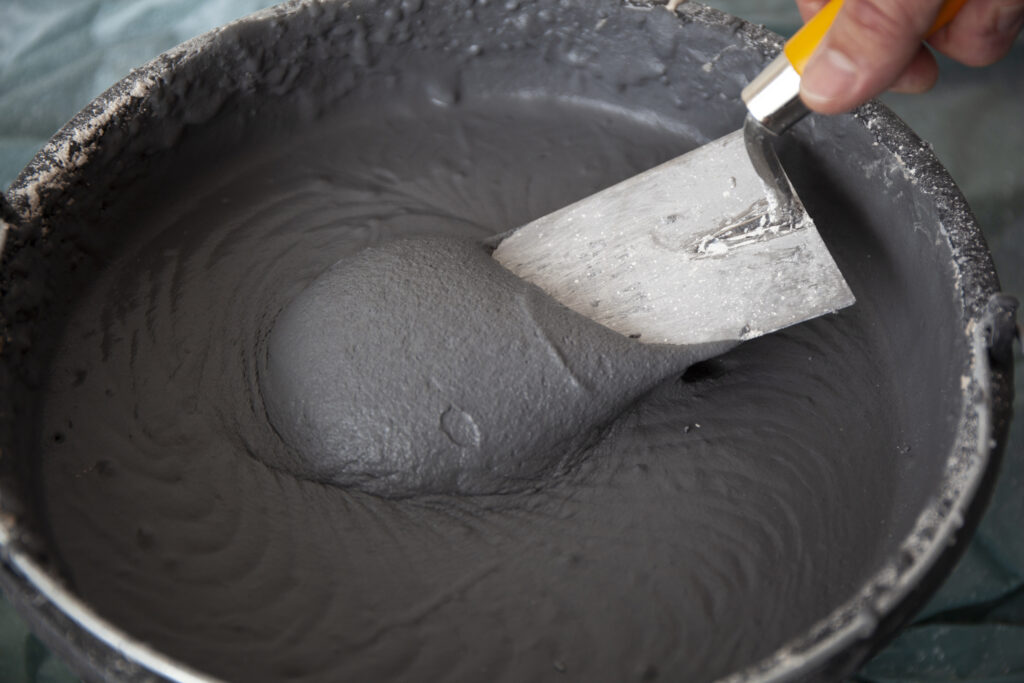
Concrete Admixture Role
This article explains how concrete admixtures improve workability and durability: slump control, setting time adjustment, impermeability enhancement, and solutions for bleeding, segregation, and shrinkage cracks… Continue reading
