
Coatings Thickener Usage Guide
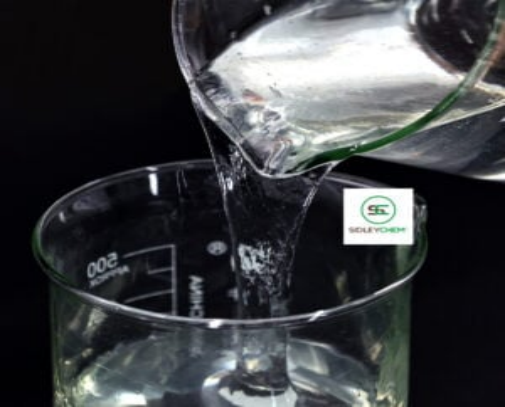
Coatings thickeners are essential coating additives primarily used to regulate the rheological properties of coatings and improve application performance. Below, we provide a detailed overview of their specific functions and usage methods.
I. Main Functions of Coatings Thickeners
-
Adjust Coating Viscosity:Thickeners effectively increase coating viscosity by forming a three-dimensional network structure. This not only makes the coating easier to apply but also ensures it adheres to the substrate at an appropriate thickness.

-
Enhance Adhesion:By increasing coating viscosity, thickeners prolong the dwell time of the coating on vertical surfaces, allowing full contact with the substrate, thereby improving adhesion.
-
Improve Coverage Performance:Optimal viscosity prevents rapid pigment settling, ensuring uniform pigment distribution and enhancing the coating’s hiding power, making it easier to cover surface defects on the substrate.
II. Correct Usage Methods
-
Addition Steps
-
Thoroughly stir the coating first
-
Slowly add the thickener while maintaining stirring
-
Continue stirring until fully homogeneous
-
Key Usage Points
-
It is recommended to add in batches for better viscosity control
-
If clumping occurs during addition, extend the stirring time
-
Adjust the dosage as needed to achieve the desired viscosity
III. Important Considerations
-
Maintain continuous stirring during thickener addition to ensure uniform dispersion
-
If viscosity is too high, add a small amount of water for adjustment
-
Conduct small-scale tests prior to full application
-
Pay attention to compatibility with different coating systems
Cellulose Ether Tech+

Why Microcrystalline Cellulose Is Widely Used in Tablet Manufacturing?
Learn why Microcrystalline Cellulose (MCC) is widely used in tablet manufacturing and how its compressibility and binding properties support direct compression… Continue reading

How Does Cellulose Ether Improve Makeup Longevity?
Makeup not lasting long enough? Cellulose ether is a natural-derived film-forming solution. How to choose between EC, HEC, and HPMC? This article breaks down their applications in lip gloss, foundation, and setting spray… Continue reading

How CMC Makes Ice Cream Creamier with Fewer Ice Crystals?
This article explains four key roles of Sodium Carboxymethyl Cellulose (CMC) in ice cream: preventing ice crystal growth, increasing viscosity, improving mouthfeel, and preventing fat separation, with SIDLEYCHEM food grade CMC solutions… Continue reading
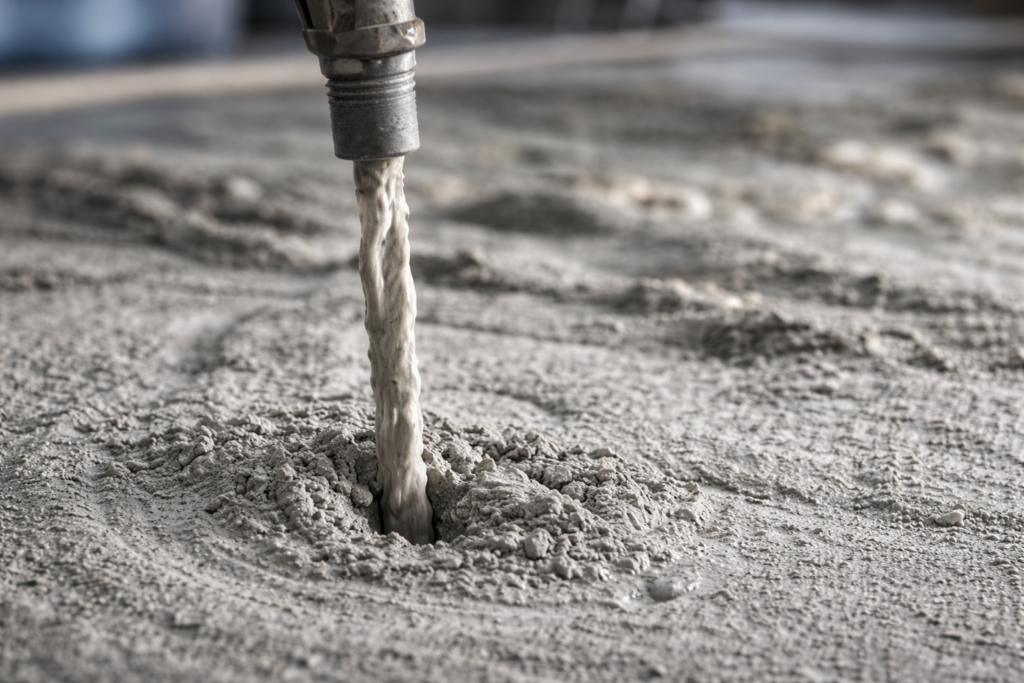
How Polyanionic Cellulose (PAC) Improves Water-Based Drilling Fluids
Learn how Polyanionic Cellulose (PAC) improves water-based drilling fluids by controlling fluid loss, enhancing borehole stability, and optimizing drilling performance in oil and gas operations… Continue reading

Sodium Carboxymethyl Cellulose in Toothpaste
Discover why Sodium Carboxymethyl Cellulose (CMC) is widely used in toothpaste. Learn how CMC improves consistency, stability, spreadability, and overall oral care product performance… Continue reading
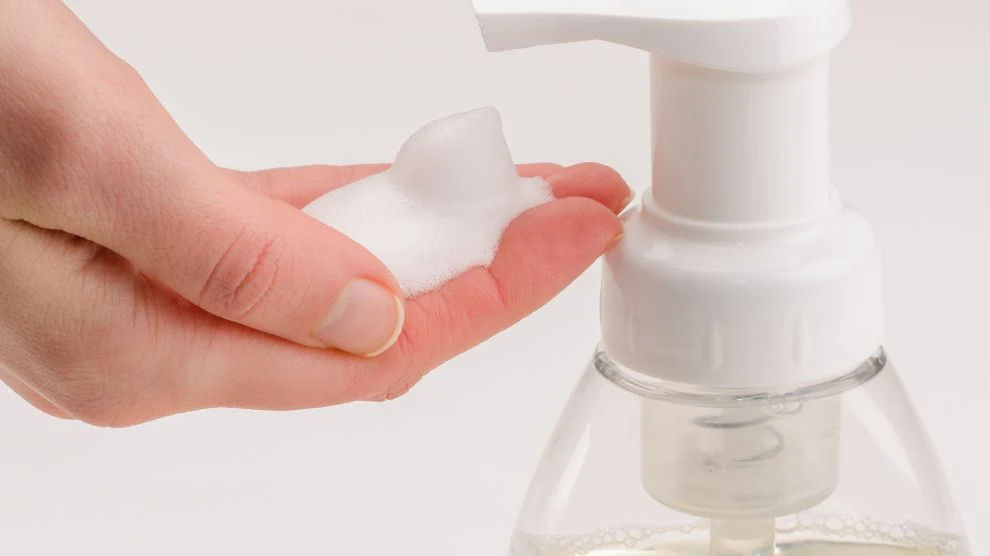
HEC in hand soap
Hydroxyethyl Cellulose (HEC) improves foam stability in hand soap by increasing viscosity, stabilizing foam structure, and enhancing texture, delivering a richer and longer-lasting washing experience… Continue reading

HEC for liquid detergent
Hydroxyethyl Cellulose (HEC) is widely used in liquid detergents due to its excellent thickening performance, surfactant compatibility, and stable rheology, improving product stability and user experience… Continue reading

Choosing the Right Cellulose Ether for Detergent Manufacturing
This guide provides a complete framework for selecting cellulose ethers in detergent manufacturing: comparing HEC vs. CMC performance, selection factors, and combination strategies, with SIDLEYCHEM customized product solutions… Continue reading
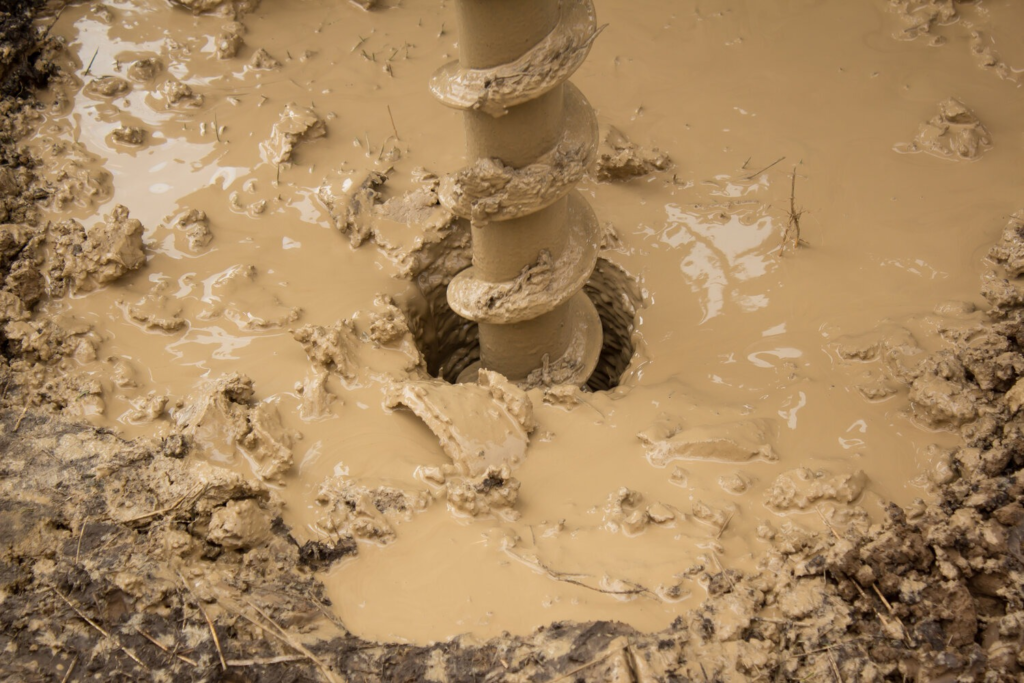
Oilfield Grade CMC Application
This article details the multifunctional applications of oilfield grade CMC in drilling, cementing, and fracturing fluids, including fluid loss reduction, viscosity enhancement, proppant transport, and guar gum replacement, with LVT/HVT and ultra-high viscosity specifications… Continue reading
PAC Drilling Fluid Application
This article details oilfield grade PAC applications in drilling fluid solids control, performance regulation, and system stabilization, with PAC-LV/HV specifications… Continue reading
