
low-clinker cement challenges
Background
Currently, the concrete and cement industries are among the primary sources of CO₂, accounting for 7-8% of global carbon dioxide emissions. In the coming years, global concrete demand will surge significantly, and emissions from this sector will continue to rise. To achieve carbon neutrality by 2050, one of the fastest and most effective methods is to reduce the clinker content in cement—that is, replacing low-clinker cement challenges with supplementary cementitious materials.
All these new “low-clinker” cements (limestone cement, pozzolanic cement, calcined clay cement) fully meet current cement standards for mortar (strength, setting time, water demand). However, they present new challenges in concrete applications because using low-clinker cement significantly impacts concrete performance.
Impact of Low-Clinker Cement on Concrete Properties
2.1. Reduced Early Strength Affecting Formwork Removal: Due to lower clinker content, low-clinker cement produces insufficient early-stage hydration products, resulting in 1-day and 3-day strengths 30%-50% lower than ordinary cement. This impedes normal formwork removal for components.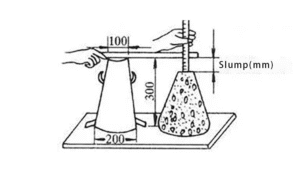
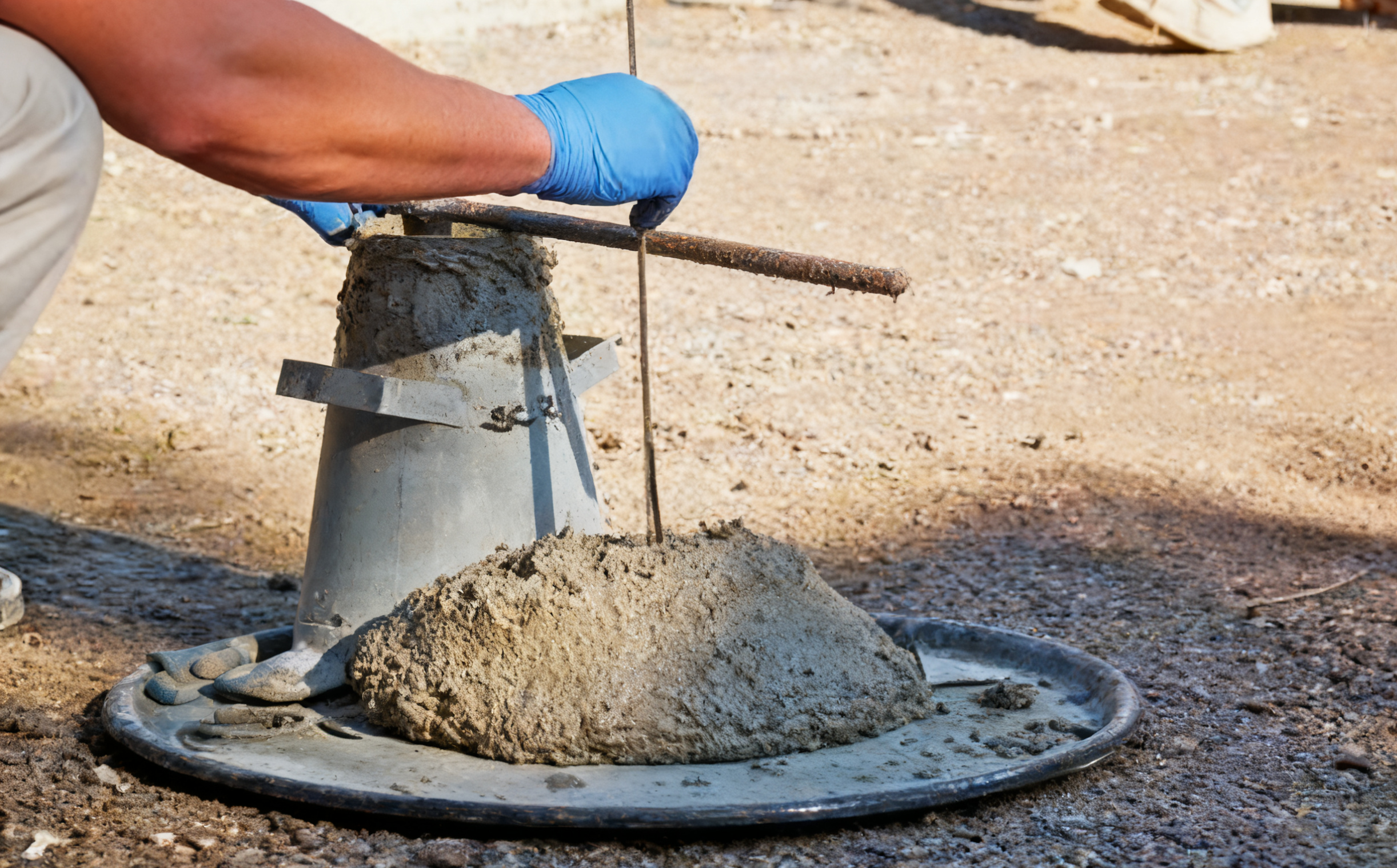
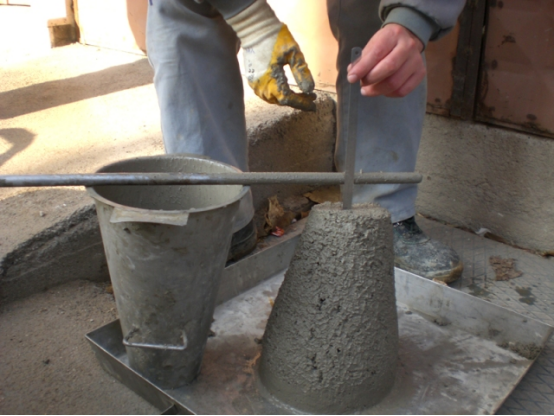
2.2. Reduced workability affecting construction performance: The increased water demand of low-clinker cementitious systems leads to rapid slump loss, impairing workability. To maintain normal construction performance, the dosage of superplasticizer must be increased (by approximately 10%-20%).
2.3. Weakened carbonation resistance: The low Ca(OH)₂ content in low-clinker systems results in a 15%-30% increase in carbonation depth compared to ordinary cement.
Sidley Chemical admixtures provide concrete producers with the following solutions
It is widely recognized that advancements in concrete technology are highly dependent on the development of admixture technology, primarily manifested in performance enhancement and construction optimization.
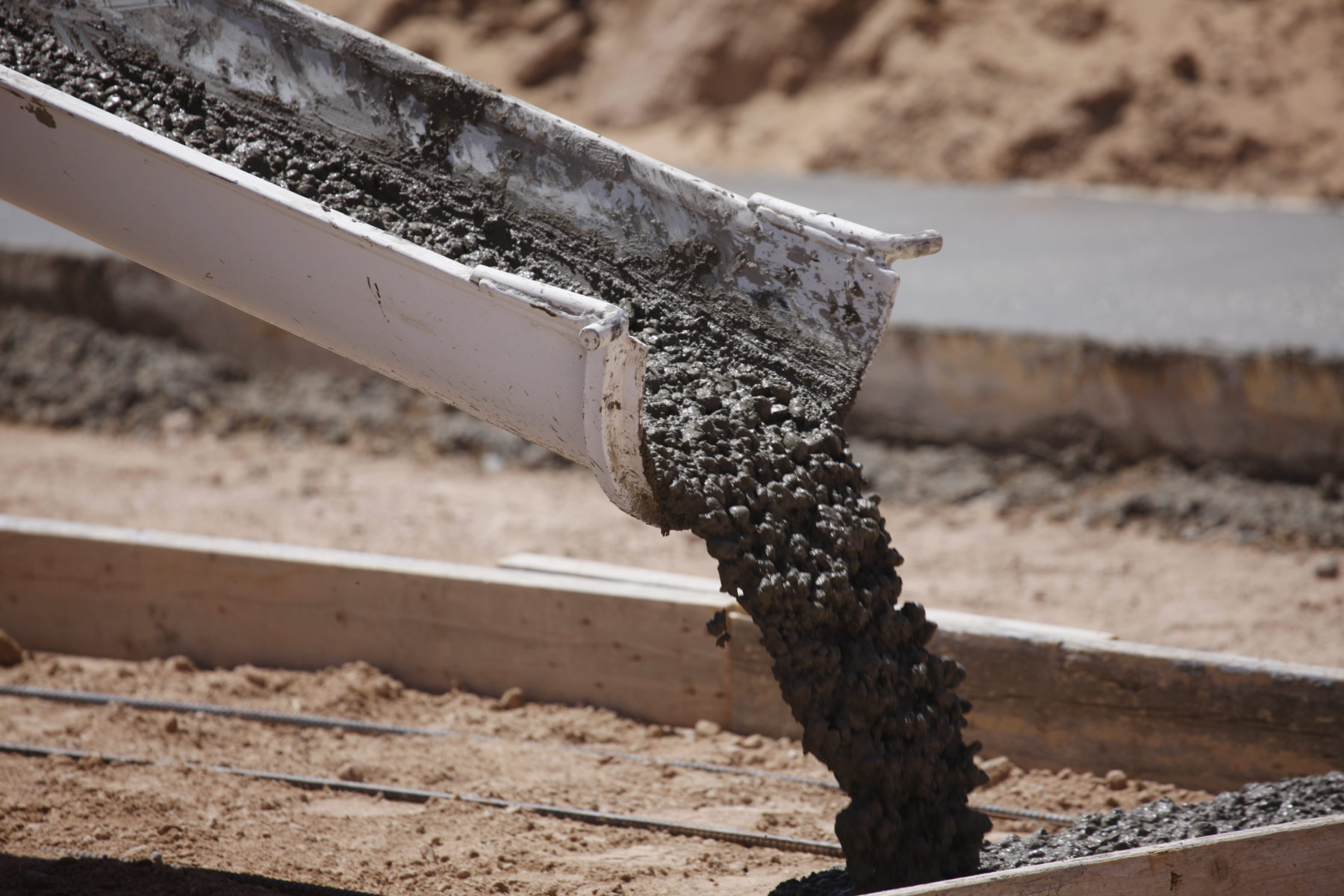
3.1. Applications such as Sidleychem Polycarboxylic superplasticizer Technology, Sidley Viscosity Modifying Agent Technology, and Sidleychem Air-Entraining Agent Technology significantly improve concrete workability. It’s like injecting “vitality” into concrete, enabling smoother flow and forming during construction. Whether for complex structures or large-area pours, it handles them effortlessly. Additionally, concrete slump loss is minimized—acting like a “stabilizer” that maintains excellent workability even during long-distance transport and extended construction periods, ensuring smooth project execution.
3.2. Applications like Sidleychem defoamers, and Sidleychem Shrinkage Reducing Admixture technology reduce the distance between cement particles, promote cross-linking, and enhance concrete strength. Simultaneously, they improve crack resistance, minimize surface cracking, and elevate both the appearance and quality of the structure.
Sidleychem Product Recommendations:
Polycarboxylic superplasticizer :PCE1056L, PCE1046L
Air-entraining agents:AE180P, Finish200
Viscosity Modifying Agent:Stabilizer 5R




Concrete & Beton Tech+ Tech+
Why Does Concrete Strength Vary Between Batches?
Learn why concrete strength varies between batches and how to improve consistency through proper water control, raw materials, admixture dosing, mixing, and curing… Continue reading
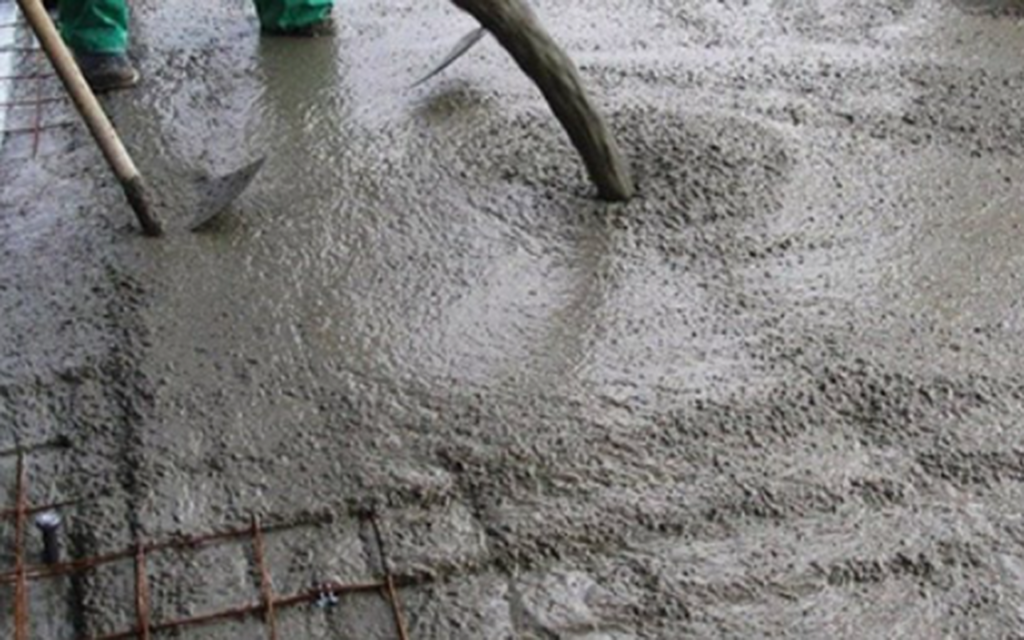
The Role of Expanding Agents in Compensating Shrinkage of Mass Concrete Foundations
Cracking after mass concrete foundation pouring? Thermal shrinkage, drying shrinkage, and autogenous shrinkage combined are the culprits. … Continue reading
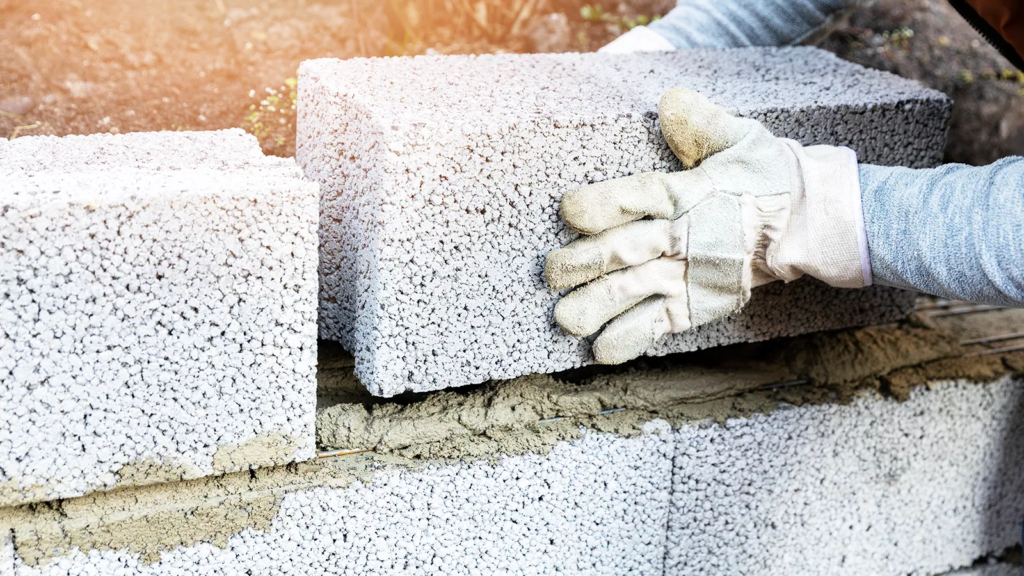
Lightweight Aggregate Concrete Lacking Viscosity?
Lightweight aggregate concrete segregation, aggregate floating, pump blockages? The root cause is insufficient viscosity. This article details four practical methods — viscosity modifier dosage (0.02%–0.03%), aggregate pre-wetting, mix optimization, and specialized admixtures — to solve workability problems once and for all… Continue reading
How Does Air-Entraining Agent Affect Concrete Strength?
Each 1% air content reduces concrete strength by 4%–6%. How to balance? This short article gives three practical methods: measure air content, lower w/c, and choose a stable-foam AEA. Direct and actionable… Continue reading
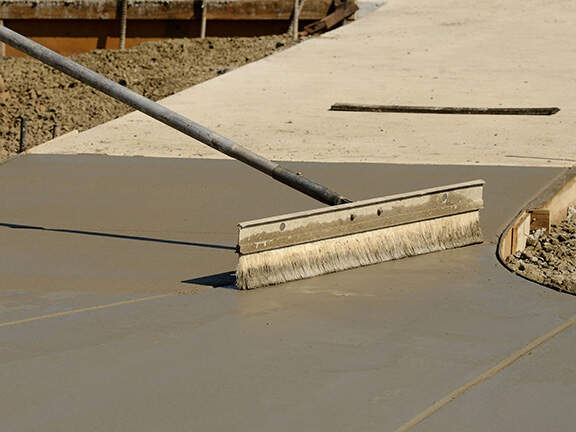
The Three Critical Windows for Concrete Curing
Same mix design, with and without proper curing – 28‑day strength can differ by a whole grade. This article explains hydration mechanisms, three critical curing windows, and practical steps to prevent strength loss and cracking… Continue reading
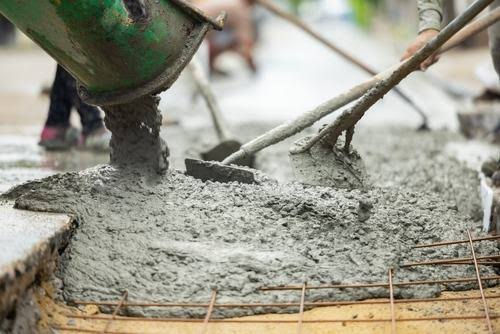
Which Admixtures Improve Concrete Durability?
Discover which concrete admixtures improve durability, including Polycarboxylate Superplasticizers, Air-Entraining Agents, Corrosion Inhibitors, Waterproofing Admixtures, and Concrete Fibers. Learn how to enhance strength, reduce permeability, and extend service life… Continue reading
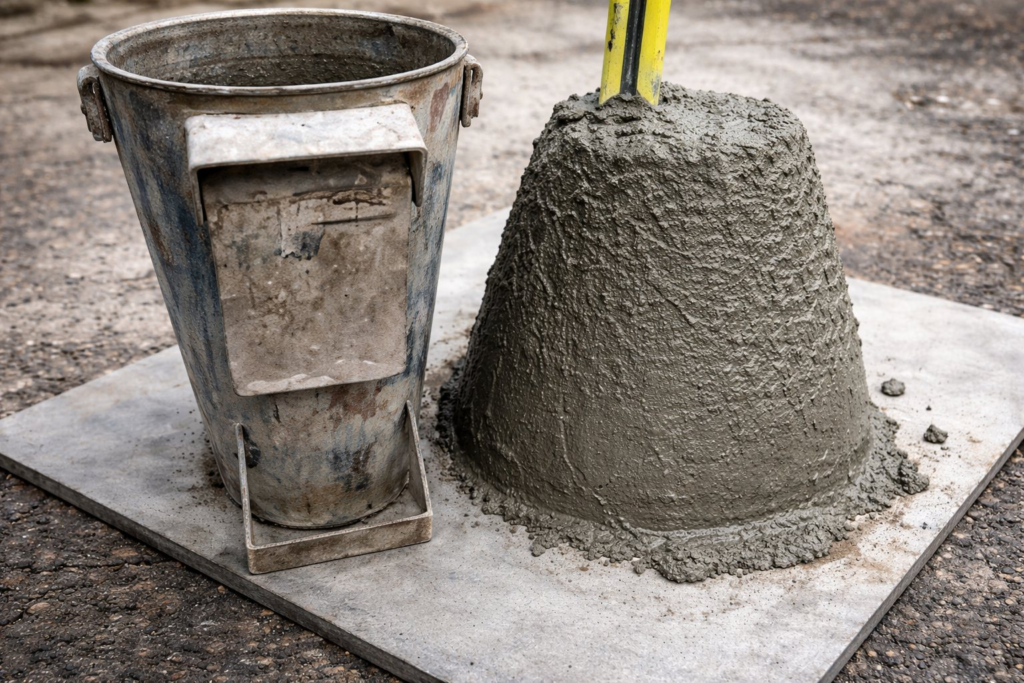
How to Maintain Slump Retention During Long-Distance Transportation
Learn how to maintain concrete slump retention during long-distance transportation by optimizing mix design, selecting the right admixtures, and improving production practices… Continue reading
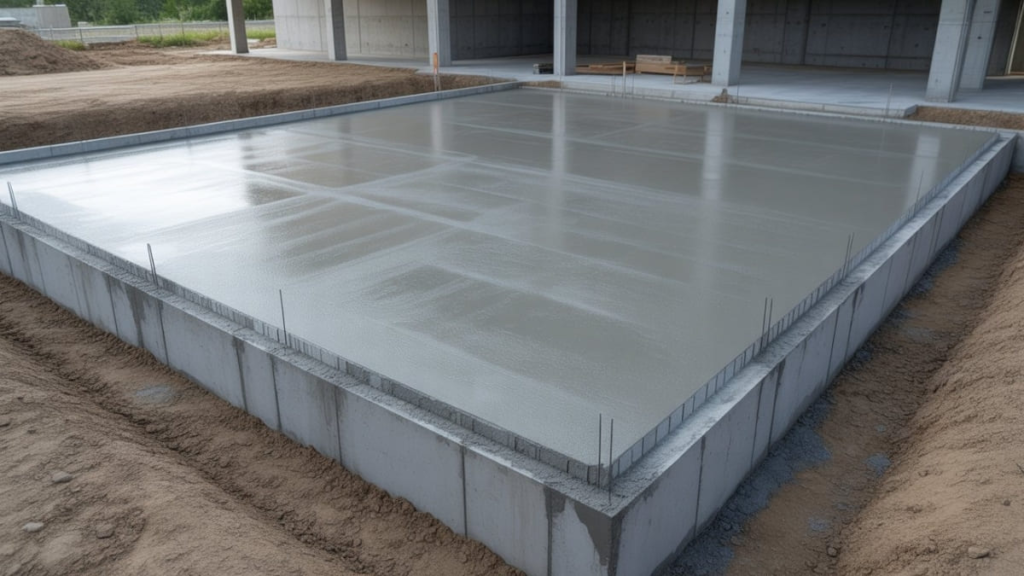
Why Does Concrete Bleeding Occur?
Learn why concrete bleeding occurs, what causes excessive bleeding, and how to reduce it using proper mix design, Polycarboxylate Superplasticizers (PCE), and Viscosity Modifying Agents (VMA)… Continue reading
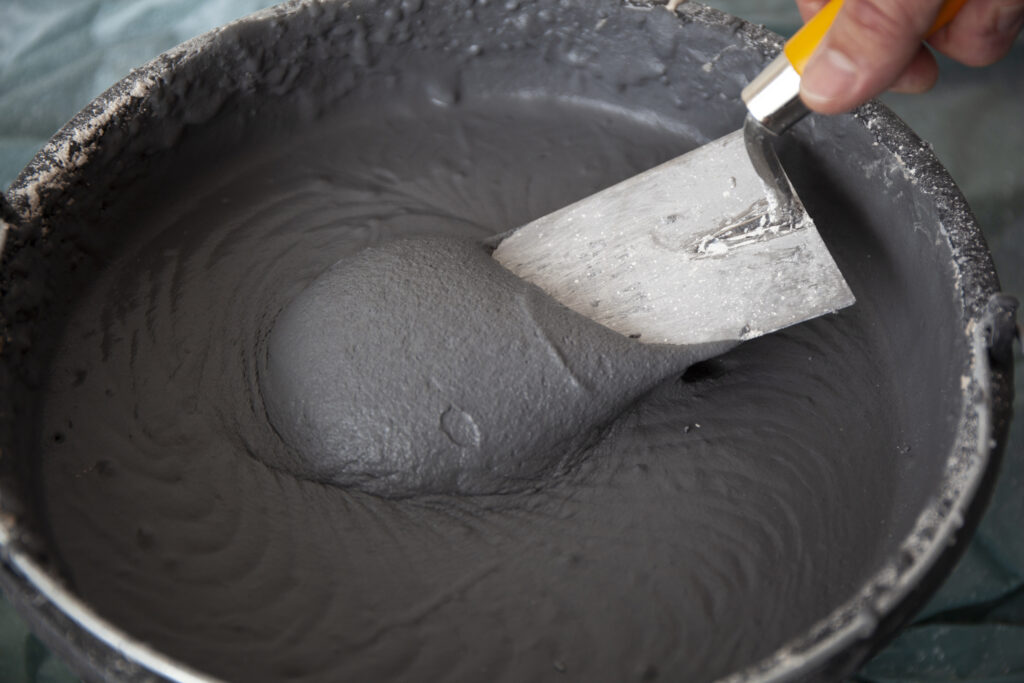
Concrete Admixture Role
This article explains how concrete admixtures improve workability and durability: slump control, setting time adjustment, impermeability enhancement, and solutions for bleeding, segregation, and shrinkage cracks… Continue reading
Concrete Slump Loss Causes& Solutions
This article analyzes four main causes of rapid concrete slump loss: high cement reactivity, high temperature, incompatible admixture systems, and long transport time, and provides slump retention solutions including PCE superplasticizers, retarders, and … Continue reading
