
Lightweight Aggregate Concrete Lacking Viscosity?
Lightweight aggregate concrete offers low weight, high strength, and thermal insulation — plenty of advantages. But anyone working on site knows the biggest headache: segregation. Lightweight aggregates have low density. After mixing, aggregates float up and mortar sinks down, causing layering and segregation. Pumping makes it worse — pressure makes lightweight aggregates absorb water, pressure release makes them give it back, workability swings wildly, and blockages and segregation follow.
The root cause? Insufficient viscosity.
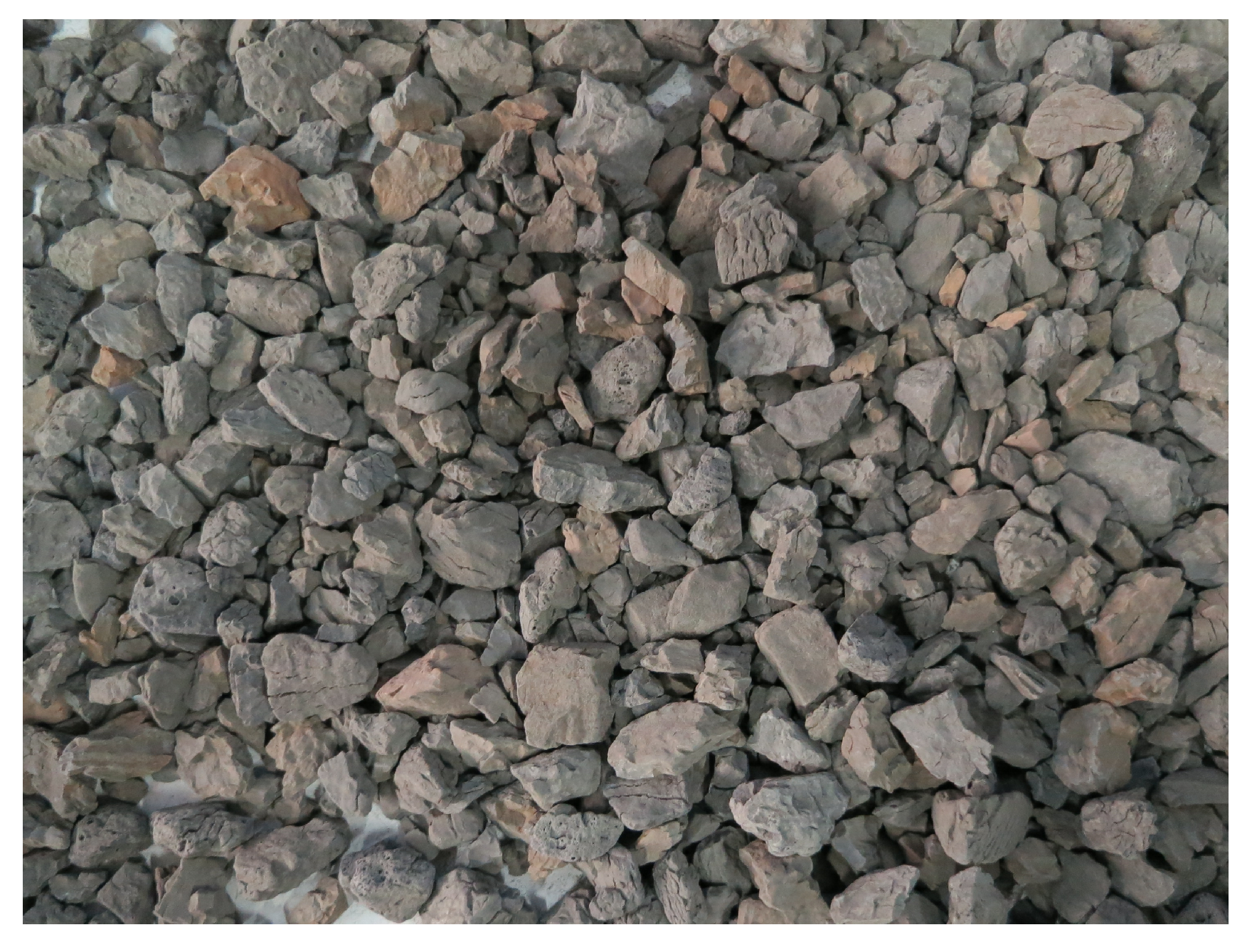
Why Is Workability So Hard to Control in Lightweight Aggregate Concrete?
Two core reasons:
-
Large density difference — Lightweight aggregates (e.g., ceramsite) are much less dense than cement paste, causing them to float upward during mixing and create segregation.
-
Water absorption and release — Lightweight aggregates have high porosity. They absorb water during mixing and release it under pumping pressure, causing free water content to fluctuate and workability to become unstable.
The consequences: rapid slump loss, pump blockages, uneven aggregate distribution after casting, and compromised strength and durability.
How to Adjust Viscosity? — Four Practical Methods
Method 1: Add Viscosity-Modifying Agents
This is the most direct and effective solution. Studies show that HPMC, BASF RHEOPLUS 420, and inorganic mineral viscosity modifier NZ all improve the workability and uniformity of lightweight aggregate concrete. NZ performs best and also increases strength.
Dosage reference: Viscosity modifier dosage should be controlled at 0.02%–0.03%. Within this range, plastic viscosity increases without reducing flowability, improving workability. Dosages above 0.04% cause mechanical properties to decline.
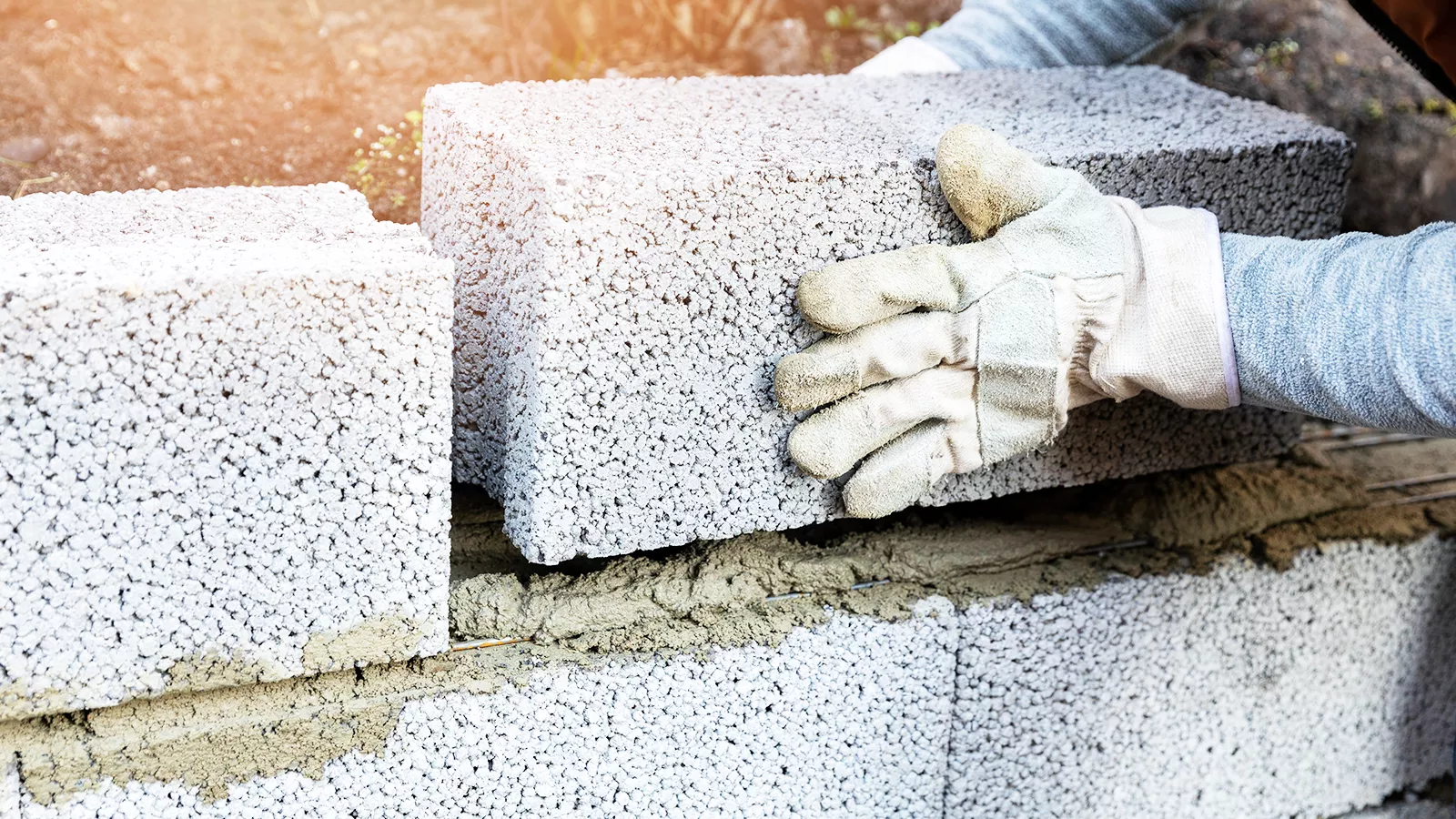
Method 2: Pre-wet Lightweight Aggregates
Dry lightweight aggregates mixed directly will absorb mixing water. Pre-wetting allows aggregates to absorb water first, effectively reducing slump loss over time.
Practical tip: Pre-wet lightweight aggregates for at least 1 hour — longer pre-wetting results in less slump loss. For self-compacting lightweight aggregate concrete, choose aggregates with 24-hour water absorption below 10%.
Method 3: Optimize Mix Design
-
Add mineral admixtures — A blend of 10% fly ash and 10% ground slag delivers excellent segregation resistance in high-flow high-strength lightweight aggregate concrete. Note: fly ash increases slump but may reduce cohesion.
-
Adjust sand ratio — A volume sand ratio of around 50% is key to ensuring workability in self-compacting lightweight aggregate concrete.
-
Control aggregate size — Crushed shale ceramsite with size range 5–16mm and continuous grading is a common choice. Maximum aggregate size should be strictly controlled.
Method 4: Use Specialized Admixtures
Lightweight aggregate concrete requires specialized pumping aids or specialized admixtures. These are typically blends of polymers and inorganic materials that simultaneously increase paste viscosity, reduce aggregate floating, and improve uniformity. One patented solution uses a synergistic combination of emulsion-type PCE superplasticizer, viscosity modifier, air-entraining agent, and silane coupling agent to achieve good workability, compressive strength, and slump retention in ceramsite concrete.
Recommended Admixture Solutions
-
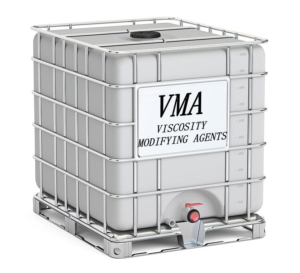 Viscosity Modifying Agent (VMA) — The core solution. Prefer inorganic mineral NZ-type products; HPMC is the next best option.
 -
Polycarboxylate Superplasticizer (PCE) — Reduces water demand while maintaining flowability.
-
Specialized pumping aid — A compound admixture formulated specifically for lightweight aggregate concrete.
-
Air-entraining agent (moderate) — Air-entraining agents have a slight effect on slump but a significant effect on viscosity in lightweight aggregate concrete; moderate air entrainment benefits mechanical properties.
Specific selections should be determined through trial mixes based on lightweight aggregate type, strength grade, and construction method.
Summary
Workability issues in lightweight aggregate concrete ultimately come down to insufficient viscosity. Remember four points:
-
Density difference and water absorption/release are the root causes — use viscosity modifiers to “hold” the paste together.
-
Viscosity modifier dosage of 0.02%–0.03% is optimal — too much reduces strength.
-
Pre-wet lightweight aggregates — don’t let aggregates “compete” with mortar for water.
-
Optimize the mix design — blend fly ash and slag, adjust sand ratio, control particle size — every detail matters.




Concrete &Beton Tech+
Why Does Concrete Strength Vary Between Batches?
Learn why concrete strength varies between batches and how to improve consistency through proper water control, raw materials, admixture dosing, mixing, and curing… Continue reading
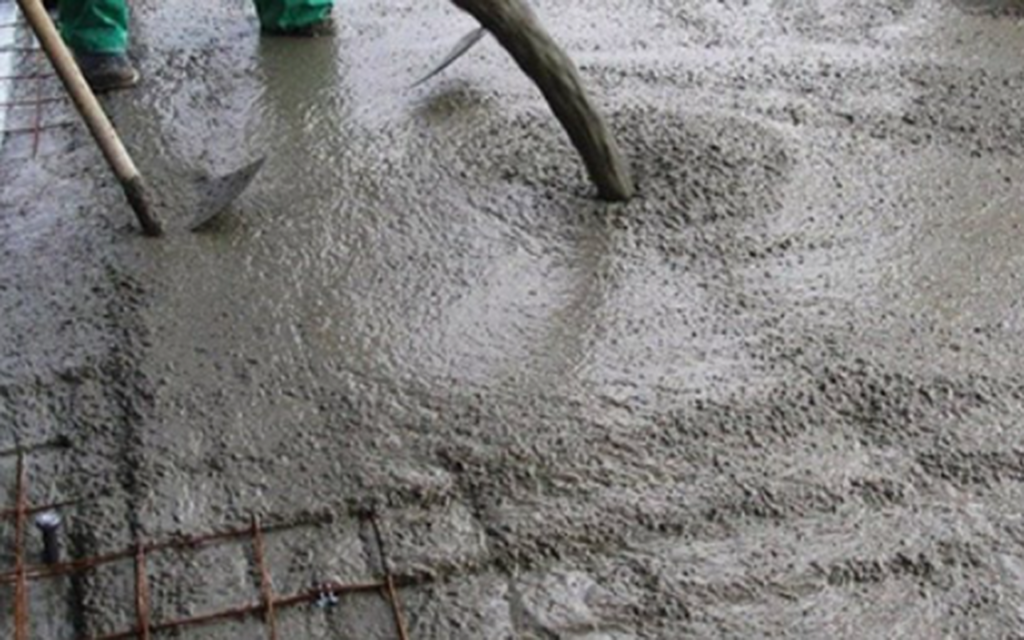
The Role of Expanding Agents in Compensating Shrinkage of Mass Concrete Foundations
Cracking after mass concrete foundation pouring? Thermal shrinkage, drying shrinkage, and autogenous shrinkage combined are the culprits. … Continue reading
How Does Air-Entraining Agent Affect Concrete Strength?
Each 1% air content reduces concrete strength by 4%–6%. How to balance? This short article gives three practical methods: measure air content, lower w/c, and choose a stable-foam AEA. Direct and actionable… Continue reading
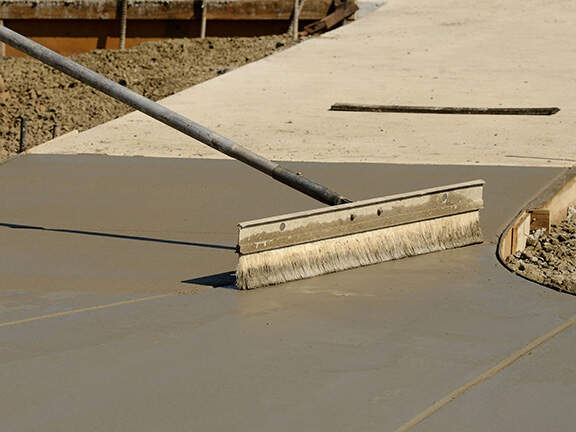
The Three Critical Windows for Concrete Curing
Same mix design, with and without proper curing – 28‑day strength can differ by a whole grade. This article explains hydration mechanisms, three critical curing windows, and practical steps to prevent strength loss and cracking… Continue reading
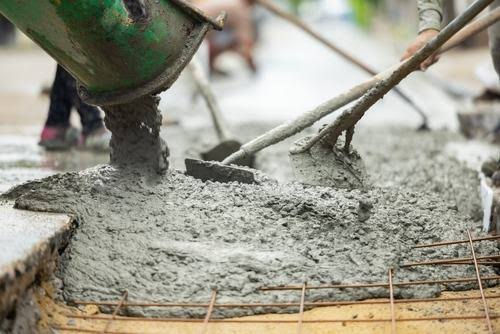
Which Admixtures Improve Concrete Durability?
Discover which concrete admixtures improve durability, including Polycarboxylate Superplasticizers, Air-Entraining Agents, Corrosion Inhibitors, Waterproofing Admixtures, and Concrete Fibers. Learn how to enhance strength, reduce permeability, and extend service life… Continue reading
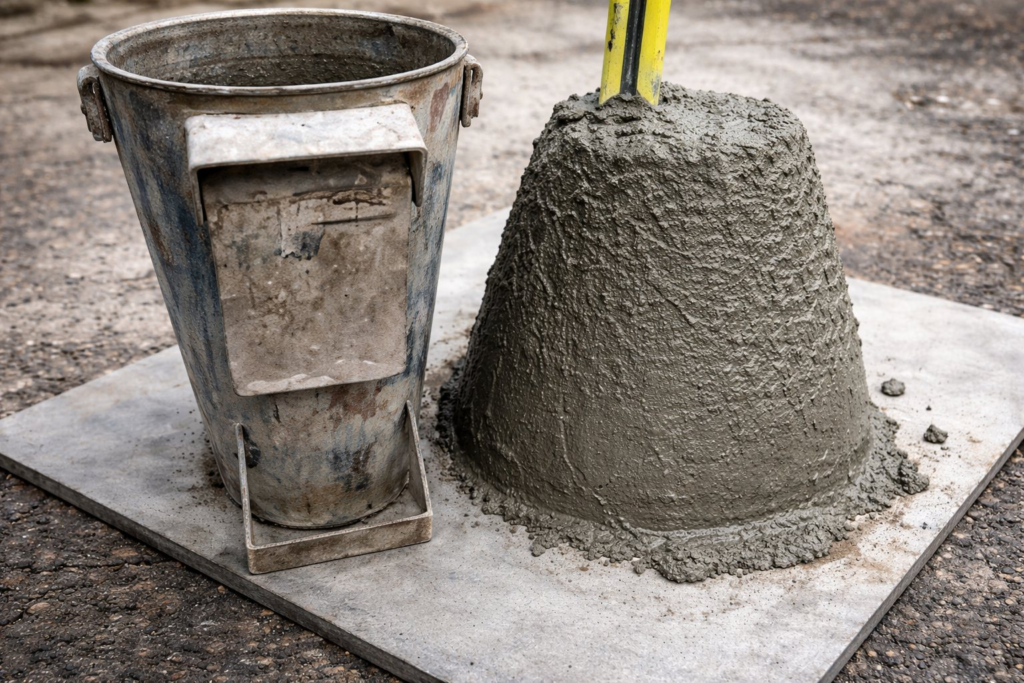
How to Maintain Slump Retention During Long-Distance Transportation
Learn how to maintain concrete slump retention during long-distance transportation by optimizing mix design, selecting the right admixtures, and improving production practices… Continue reading
Why Does Concrete Bleeding Occur?
Learn why concrete bleeding occurs, what causes excessive bleeding, and how to reduce it using proper mix design, Polycarboxylate Superplasticizers (PCE), and Viscosity Modifying Agents (VMA)… Continue reading
Concrete Admixture Role
This article explains how concrete admixtures improve workability and durability: slump control, setting time adjustment, impermeability enhancement, and solutions for bleeding, segregation, and shrinkage cracks… Continue reading
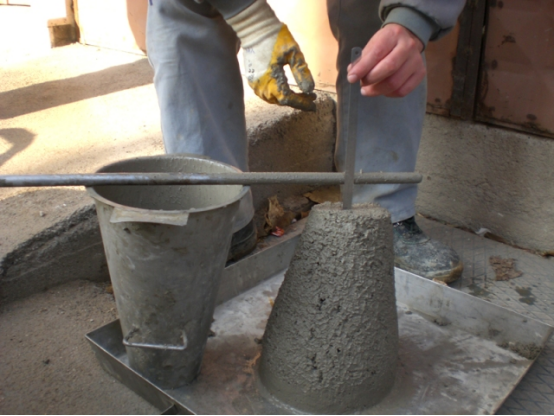
Concrete Slump Loss Causes& Solutions
This article analyzes four main causes of rapid concrete slump loss: high cement reactivity, high temperature, incompatible admixture systems, and long transport time, and provides slump retention solutions including PCE superplasticizers, retarders, and … Continue reading
Concrete Admixture Economic Construction
This article explains how concrete admixtures achieve economic construction by reducing cement consumption, lowering energy use, and minimizing construction waste, helping projects cut costs and improve efficiency… Continue reading
