
The Role of Expanding Agents in Compensating Shrinkage of Mass Concrete Foundations
Mass concrete foundation poured, and a few months later — cracks. This is one of the most common quality issues in construction. Not because the strength is insufficient, but because of shrinkage. Cement hydration generates heat, internal temperature rises and then gradually drops, and the concrete shrinks along with it. Add drying shrinkage and autogenous shrinkage on top — three types of shrinkage combined — tensile stress exceeds the concrete’s tensile strength, and cracks appear.
Expanding agents are specifically designed to address this — they create micro-expansion in concrete to offset shrinkage, allowing the concrete to essentially hold itself together.
Why Is Shrinkage Particularly Severe in Mass Concrete?
-
 Thermal shrinkage — Internal temperature of mass concrete can reach seventy to eighty degrees Celsius, and the shrinkage during the cooling phase is enormous. The thicker the foundation, the higher the temperature rise and the more severe the shrinkage.
 -
Drying shrinkage — Moisture evaporation causes volume reduction. The humidity difference between surface and interior of mass concrete is large, leading to uneven shrinkage.
-
Autogenous shrinkage — Cement hydration consumes internal moisture, causing shrinkage on its own.
These three types of shrinkage combined, tensile stress concentrates, and cracks are inevitable.
How Do Expanding Agents Compensate Shrinkage?
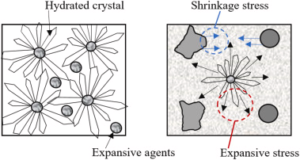
The core function of expanding agents is to produce moderate expansion under restrained conditions, establishing compressive prestress.
The principle is straightforward: active components in the expanding agent react with cement hydration products to generate expansive hydration products — ettringite or calcium hydroxide crystals. These products increase in volume within the concrete, creating micro-expansion.
The key is restraint — reinforcement or adjacent structures provide confinement. Expansion cannot develop freely, so compressive prestress of zero point two to zero point seven megapascals is established within the concrete. This prestress offsets the tensile stress caused by shrinkage, and cracks simply don’t appear.
Which Expanding Agent to Choose?
-
Ettringite-based — Large early expansion, effectively compensates shrinkage in the early hardening stage. However, ettringite is temperature-sensitive — it begins to decompose at around seventy degrees Celsius, and delayed ettringite may form after returning to normal temperature. Mass concrete internal temperatures often exceed seventy degrees Celsius, so this type’s effectiveness in the high-temperature core zone is compromised.
-
Calcium oxide type — Fast hydration reaction, large early expansion. But large amounts of calcium hydroxide form when concrete strength is still low, and expansion is dissipated — limited shrinkage compensation capability.
-
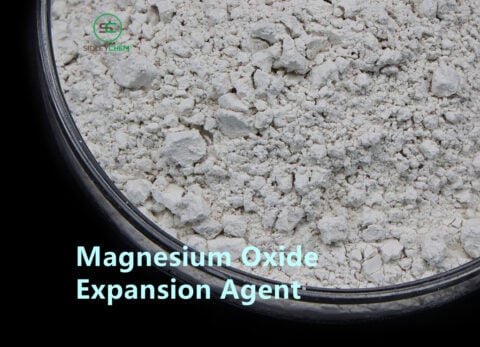
Magnesium oxide type — Obvious hydration delay characteristics, can match the shrinkage rate during the concrete cooling phase. Produces stable expansion during the temperature drop phase, maintaining it long-term. Activity is the key — too high, hydration too fast, expansion occurs in the plastic stage and is ineffective; too low, can’t keep up with early shrinkage; moderate activity is ideal, effectively compensating at early, middle and late stages.
Construction Precautions
-
Curing is essential — Expanding agents need moisture to continue hydrating. Add expanding agent but neglect curing — shrinkage still happens. Water curing is critical for the later-stage hydration of surface-layer magnesium oxide expanding agent.
-
Core vs. surface difference is significant — Core temperature of mass concrete is high, magnesium oxide hydrates fast early on, but later-stage moisture can’t penetrate, hydration rate drops sharply. Surface temperature is low, early hydration is slow, but water curing continuously supplies moisture.
-
More isn’t better — Excessive expanding agent causes harmful expansion and actually reduces strength.
Summary
 For shrinkage cracking in mass concrete, expanding agents are a proven solution. Remember:
-
Three types of shrinkage — thermal, drying, autogenous — expanding agents offset them with compressive prestress
-
Three types of expanding agents each have strengths and weaknesses — ettringite-based fears high temperature, calcium oxide type has early dissipation issues, magnesium oxide has delayed expansion that matches temperature drop
-
Magnesium oxide activity matters — moderate activity is ideal; too high or too low both fail
-
Control dosage — magnesium oxide generally six to eight percent, over twelve percent is harmful; composite type three to five percent
-
Curing is non-negotiable — adding expanding agent doesn’t mean job done; water curing must follow




Concrete & Beton Tech+

Sticky Concrete with Normal Slump: Causes & Solutions
Concrete can have normal slump but still feel sticky and difficult to pump. Learn how fines, PCE, VMA, aggregate grading, and rheology affect pumpability… Continue reading
PCE Cement Compatibility: Why Performance Changes
PCE performance can change after switching cement. Learn why water reduction, slump retention, and setting behavior change and how to identify the cause… Continue reading
Why Does Concrete Strength Vary Between Batches?
Learn why concrete strength varies between batches and how to improve consistency through proper water control, raw materials, admixture dosing, mixing, and curing… Continue reading
Lightweight Aggregate Concrete Lacking Viscosity?
Lightweight aggregate concrete segregation, aggregate floating, pump blockages? The root cause is insufficient viscosity. This article details four practical methods — viscosity modifier dosage (0.02%–0.03%), aggregate pre-wetting, mix optimization, and specialized admixtures — to solve workability problems once and for all… Continue reading

How Does Air-Entraining Agent Affect Concrete Strength?
Each 1% air content reduces concrete strength by 4%–6%. How to balance? This short article gives three practical methods: measure air content, lower w/c, and choose a stable-foam AEA. Direct and actionable… Continue reading
The Three Critical Windows for Concrete Curing
Same mix design, with and without proper curing – 28‑day strength can differ by a whole grade. This article explains hydration mechanisms, three critical curing windows, and practical steps to prevent strength loss and cracking… Continue reading
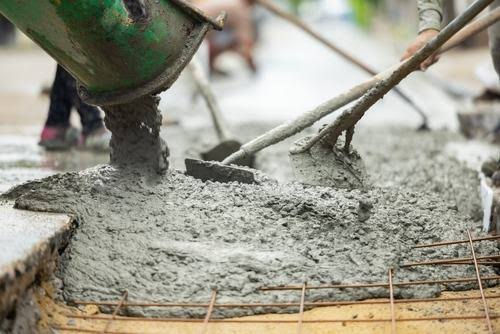
Which Admixtures Improve Concrete Durability?
Discover which concrete admixtures improve durability, including Polycarboxylate Superplasticizers, Air-Entraining Agents, Corrosion Inhibitors, Waterproofing Admixtures, and Concrete Fibers. Learn how to enhance strength, reduce permeability, and extend service life… Continue reading
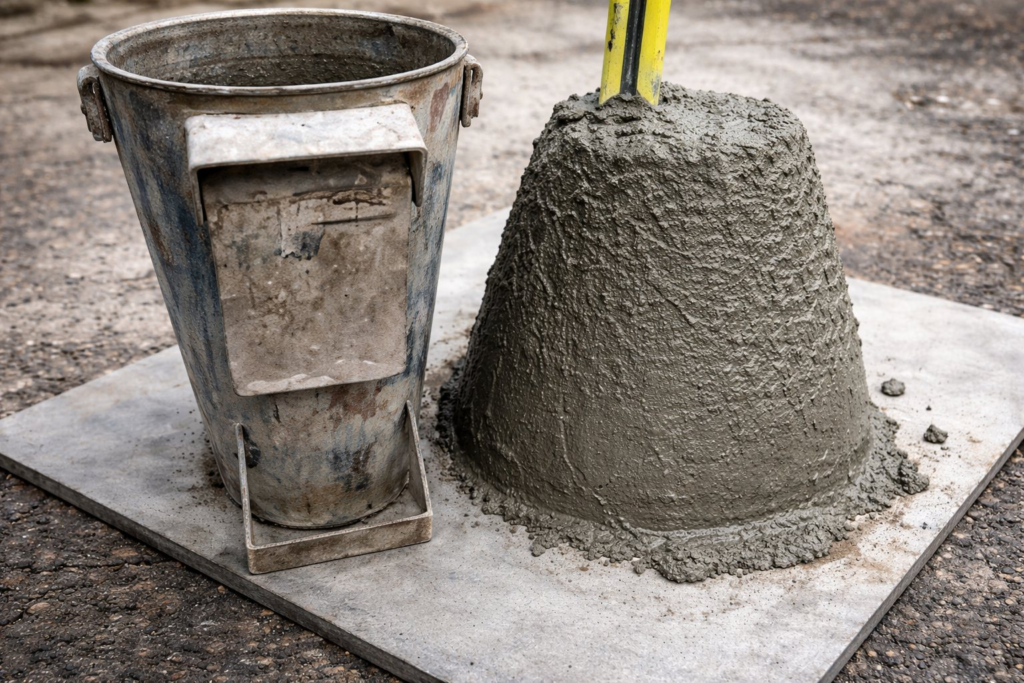
How to Maintain Slump Retention During Long-Distance Transportation
Learn how to maintain concrete slump retention during long-distance transportation by optimizing mix design, selecting the right admixtures, and improving production practices… Continue reading
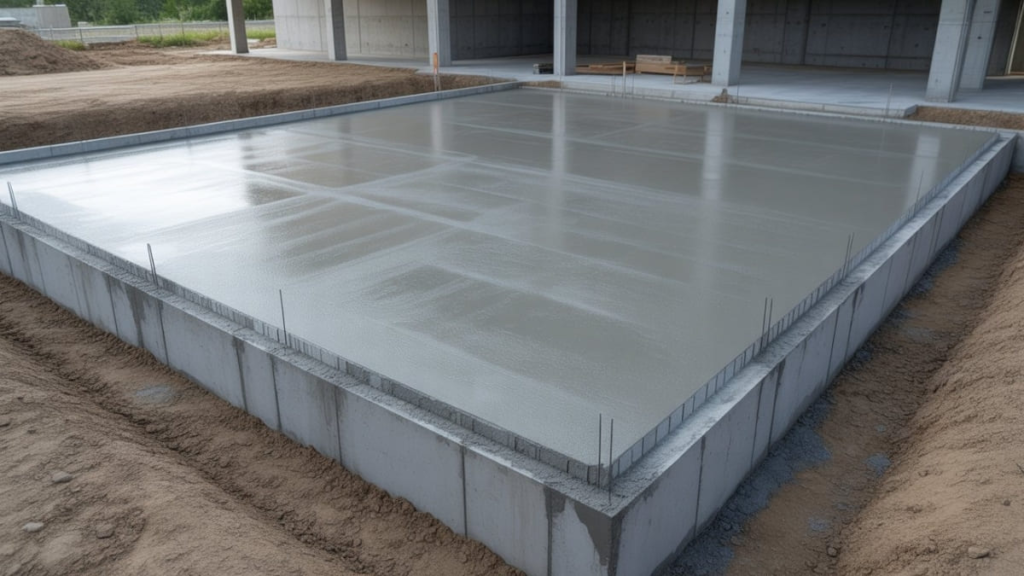
Why Does Concrete Bleeding Occur?
Learn why concrete bleeding occurs, what causes excessive bleeding, and how to reduce it using proper mix design, Polycarboxylate Superplasticizers (PCE), and Viscosity Modifying Agents (VMA)… Continue reading
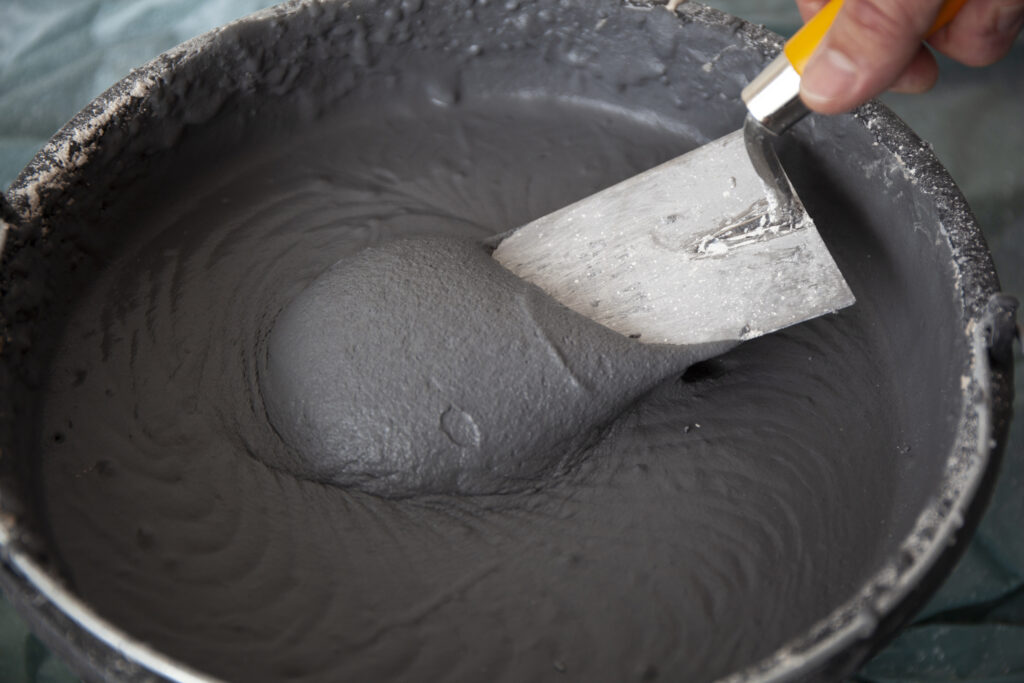
Concrete Admixture Role
This article explains how concrete admixtures improve workability and durability: slump control, setting time adjustment, impermeability enhancement, and solutions for bleeding, segregation, and shrinkage cracks… Continue reading
