
dishwashing liquid production problems
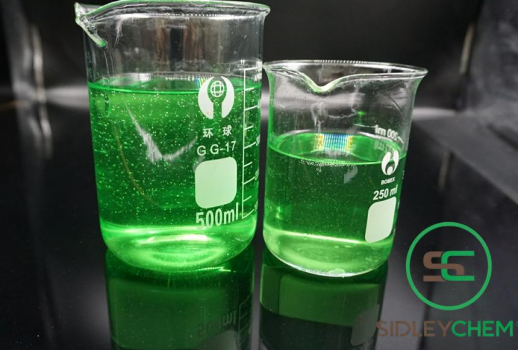
Question 1: What causes excessive foam during dishwashing liquid mixing and how to solve it?
There are several possible reasons. First, check if the mixing speed is too high – if so, reduce the mixing speed. Second, observe whether the mixing is too shallow or if there’s insufficient water. Third, the surfactant characteristics in the formulation system may cause foam generation. Normally, foam generated during production will dissipate naturally overnight.
Question 2: Why does dishwashing liquid have a short shelf life?
Investigate these potential causes: bacterial contamination from storage barrels, production tools, or packaging; insufficient preservative content; poor water quality; climate changes; and temperature variations – all of which can affect shelf life.
Question 3: How to adjust when dishwashing liquid has insufficient viscosity?
Appropriately increase the thickener dosage or select products with better thickening performance. Avoid arbitrarily adding salt, as excessive salt can disrupt the micelle structure formed by surfactants, actually reducing viscosity.
Question 4: What causes dishwashing liquid spoilage?
Common reasons include: forgetting to add preservatives, adding insufficient preservatives, and bacterial cross-contamination. Identify the specific cause and take remedial measures. Preservatives should be added throughout all seasons – less in winter, more in summer.
Question 5: Why does produced dishwashing liquid become thinner?
Spoilage typically begins with thinning, followed by odor development, caused by bacterial decomposition of active ingredients. It could also result from bacterial contamination during usage.
Question 6: What are the water quality requirements for dishwashing liquid production?
For products requiring over two months’ shelf life, use deionized water. Otherwise, metal ions in water can weaken surfactant effectiveness. Deionized water requires water treatment equipment for preparation.
Question 7: Why is the produced product unclear and opaque?
 After excluding excessive salt as a cause, select thickeners with better transparency. High salt content can affect surfactant solubility, leading to product turbidity.
Question 8: Why does the product become thinner after a few days?
This occurs when salt is added too quickly, causing undissolved salt at the bottom while the top layer has already thickened. After several days, when the bottom salt dissolves, the overall salt concentration becomes excessive. Excess salt alters the surfactant micelle structure, destroying the thickening effect.
Cellulose Ether Tech+
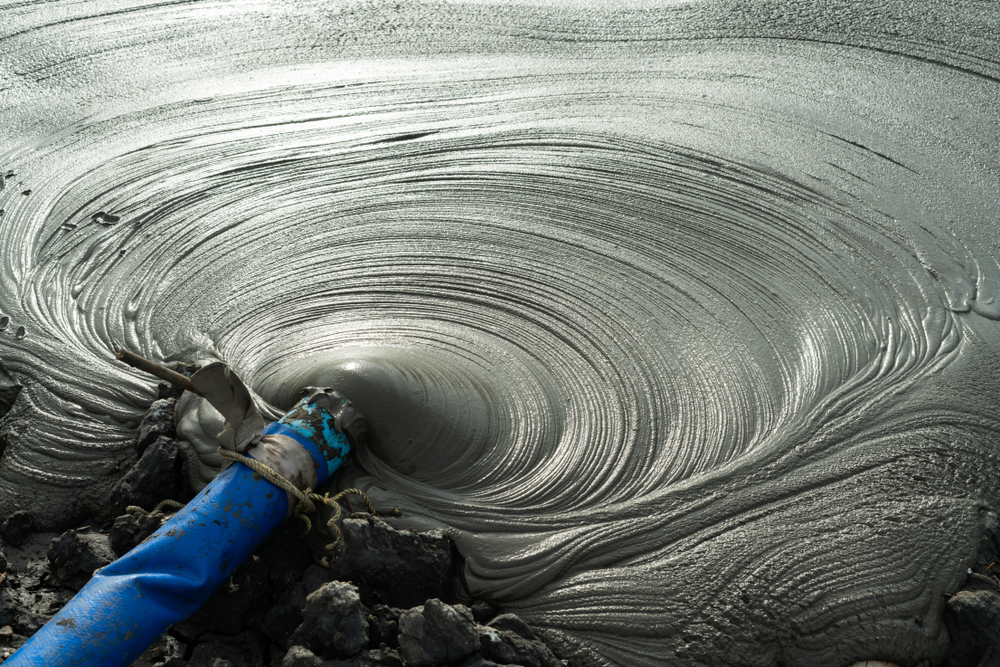
PAC-LV vs PAC-HV for Drilling Fluids: How to Choose
PAC-LV and PAC-HV both control fluid loss, but they affect drilling fluid viscosity differently. Learn which grade better fits your water-based drilling fluid… Continue reading
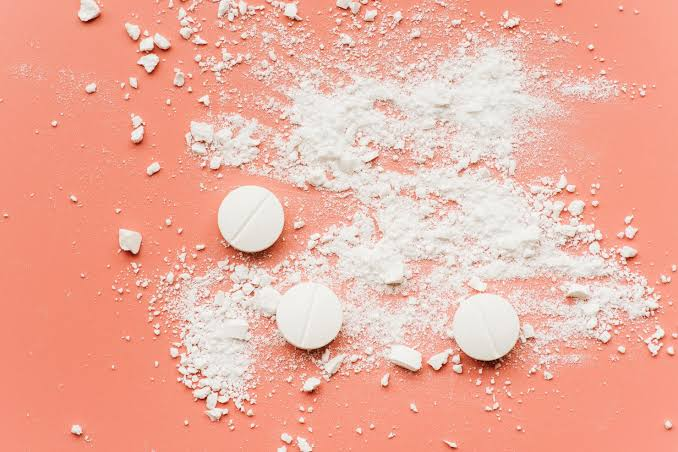
Why Microcrystalline Cellulose Is Widely Used in Tablet Manufacturing?
Learn why Microcrystalline Cellulose (MCC) is widely used in tablet manufacturing and how its compressibility and binding properties support direct compression… Continue reading

How Does Cellulose Ether Improve Makeup Longevity?
Makeup not lasting long enough? Cellulose ether is a natural-derived film-forming solution. How to choose between EC, HEC, and HPMC? This article breaks down their applications in lip gloss, foundation, and setting spray… Continue reading

How CMC Makes Ice Cream Creamier with Fewer Ice Crystals?
This article explains four key roles of Sodium Carboxymethyl Cellulose (CMC) in ice cream: preventing ice crystal growth, increasing viscosity, improving mouthfeel, and preventing fat separation, with SIDLEYCHEM food grade CMC solutions… Continue reading
How Polyanionic Cellulose (PAC) Improves Water-Based Drilling Fluids
Learn how Polyanionic Cellulose (PAC) improves water-based drilling fluids by controlling fluid loss, enhancing borehole stability, and optimizing drilling performance in oil and gas operations… Continue reading

Sodium Carboxymethyl Cellulose in Toothpaste
Discover why Sodium Carboxymethyl Cellulose (CMC) is widely used in toothpaste. Learn how CMC improves consistency, stability, spreadability, and overall oral care product performance… Continue reading
HEC in hand soap
Hydroxyethyl Cellulose (HEC) improves foam stability in hand soap by increasing viscosity, stabilizing foam structure, and enhancing texture, delivering a richer and longer-lasting washing experience… Continue reading
HEC for liquid detergent
Hydroxyethyl Cellulose (HEC) is widely used in liquid detergents due to its excellent thickening performance, surfactant compatibility, and stable rheology, improving product stability and user experience… Continue reading
Choosing the Right Cellulose Ether for Detergent Manufacturing
This guide provides a complete framework for selecting cellulose ethers in detergent manufacturing: comparing HEC vs. CMC performance, selection factors, and combination strategies, with SIDLEYCHEM customized product solutions… Continue reading
Oilfield Grade CMC Application
This article details the multifunctional applications of oilfield grade CMC in drilling, cementing, and fracturing fluids, including fluid loss reduction, viscosity enhancement, proppant transport, and guar gum replacement, with LVT/HVT and ultra-high viscosity specifications… Continue reading
