
Expanding Agent vs Shrinkage Reducing Admixture
As key chemical admixtures for controlling volume change and inhibiting cracking in concrete, expanding agents and shrinkage reducing admixtures (SRAs) are both critical. However, they function in fundamentally opposite ways. Their core distinctions are outlined in the following aspects.
1. Mechanism of Action
-
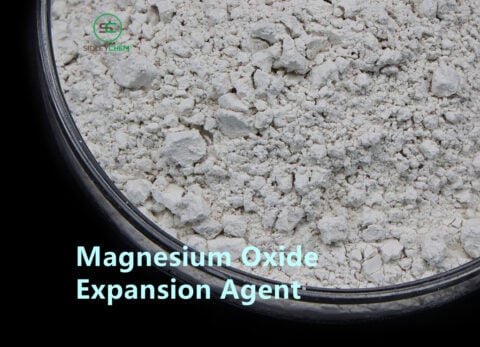
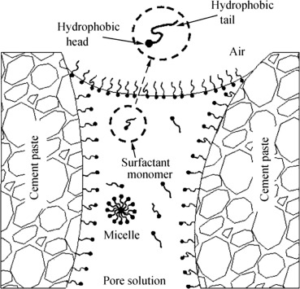 Expanding Agent: Works by undergoing a chemical reaction (e.g., formation of ettringite) during the concrete hardening process to generate controlled expansion, thereby compensating for autogenous and drying shrinkage.
-
Shrinkage Reducing Admixture (SRA): Functions by reducing the surface tension of pore water within the concrete’s capillary pores. This lowers the meniscus pressure and slows the rate of moisture migration, effectively inhibiting plastic, autogenous, and drying shrinkage from occurring.
2. Impact on Shrinkage Types & Crack Control Efficacy
-
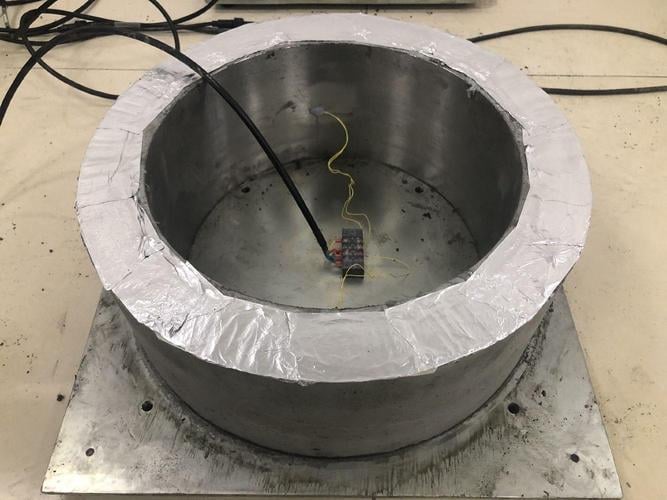
Expanding Agent: Primarily compensates for autogenous and drying shrinkage, with a weaker effect on controlling early-age plastic shrinkage cracking. Tests show that a 12% dosage can reduce 28-day autogenous shrinkage by 62.8% and drying shrinkage by 39.8%.
-
Shrinkage Reducing Admixture (SRA): Significantly inhibits plastic, autogenous, and drying shrinkage. For example, a 2% dosage can reduce 28-day autogenous shrinkage by 83.7% and drying shrinkage by 49%. It offers superior control over plastic shrinkage cracking, with a cracking index of 0 at a 2% dosage.
3. Dosage & Cost-Effectiveness
-
Expanding Agent: Typical dosage is 8%-12% by cement mass, resulting in higher cost.
-
Shrinkage Reducing Admixture (SRA): Lower typical dosage, usually 0.5%-2% by cement mass. With technological advances, costs have decreased significantly, offering better economic efficiency.
4. Suitable Application Scenarios
-
Expanding Agent: Ideal for mass concrete, shrinkage-compensating structures (e.g., closure pours, water-proofing engineering).
-
Shrinkage Reducing Admixture (SRA): More suitable for applications highly sensitive to early-age cracking, such as high-performance concrete, pumped concrete, and concrete pavements where shrinkage cracks must be strictly controlled.
5. Technical Advantages
-
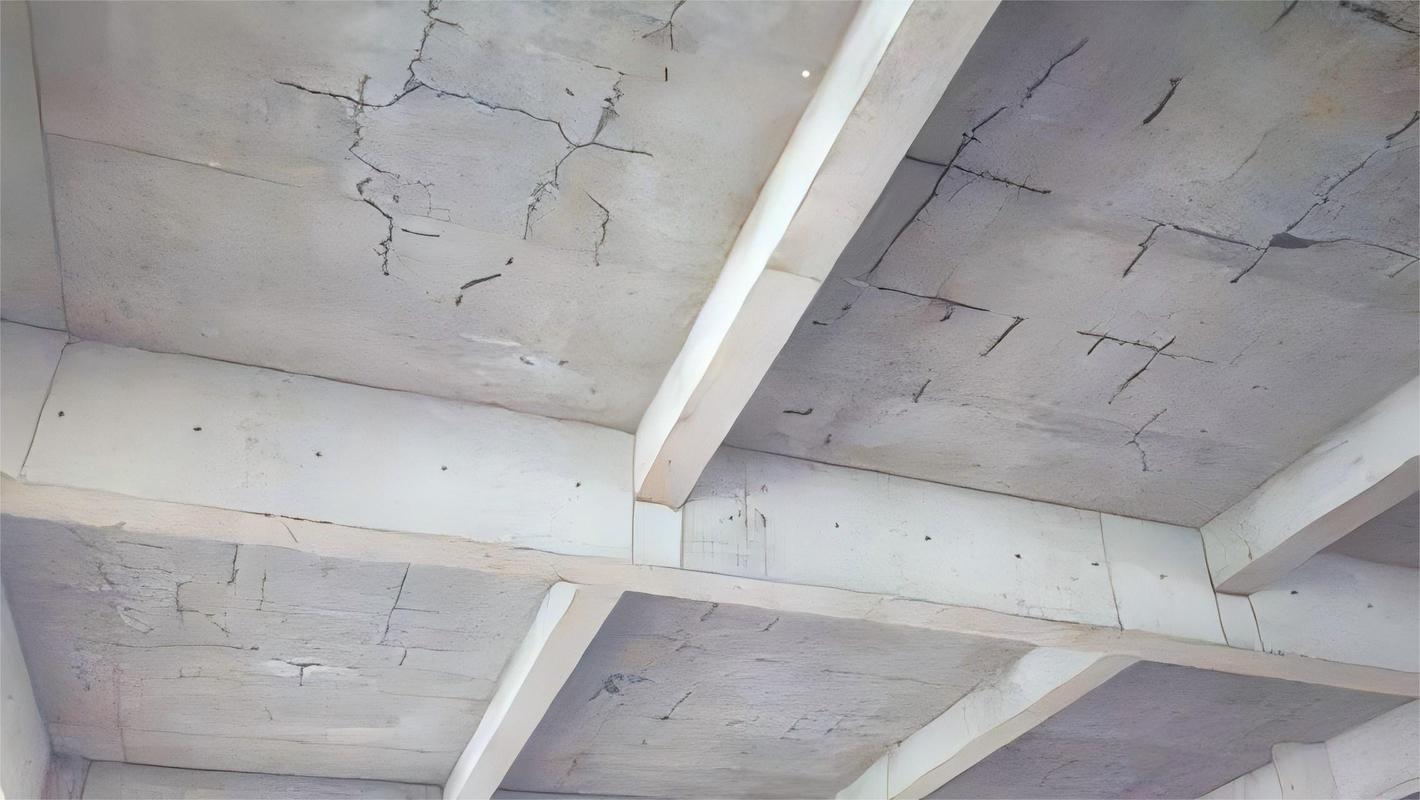
Expanding Agent: Offers excellent long-term impermeability but is highly dependent on adequate curing.
-
Shrinkage Reducing Admixture (SRA): Highly effective against early-age plastic and autogenous shrinkage, with broad applicability.
6. Usage Considerations
-
 Expanding Agent: Over-dosage may cause expansion cracking, requiring strict dosage control.
-
Shrinkage Reducing Admixture (SRA): Higher dosages do not negatively affect volumetric stability but require ensuring uniform dispersion in the mix.
In conclusion, selecting and applying the appropriate admixture—whether an expanding agent or an SRA—based on the specific cracking challenges is essential for achieving optimal performance in concrete structures.




Concrete & Beton Tech+

Sticky Concrete with Normal Slump: Causes & Solutions
Concrete can have normal slump but still feel sticky and difficult to pump. Learn how fines, PCE, VMA, aggregate grading, and rheology affect pumpability… Continue reading
PCE Cement Compatibility: Why Performance Changes
PCE performance can change after switching cement. Learn why water reduction, slump retention, and setting behavior change and how to identify the cause… Continue reading
Why Does Concrete Strength Vary Between Batches?
Learn why concrete strength varies between batches and how to improve consistency through proper water control, raw materials, admixture dosing, mixing, and curing… Continue reading
The Role of Expanding Agents in Compensating Shrinkage of Mass Concrete Foundations
Cracking after mass concrete foundation pouring? Thermal shrinkage, drying shrinkage, and autogenous shrinkage combined are the culprits. … Continue reading
Lightweight Aggregate Concrete Lacking Viscosity?
Lightweight aggregate concrete segregation, aggregate floating, pump blockages? The root cause is insufficient viscosity. This article details four practical methods — viscosity modifier dosage (0.02%–0.03%), aggregate pre-wetting, mix optimization, and specialized admixtures — to solve workability problems once and for all… Continue reading

How Does Air-Entraining Agent Affect Concrete Strength?
Each 1% air content reduces concrete strength by 4%–6%. How to balance? This short article gives three practical methods: measure air content, lower w/c, and choose a stable-foam AEA. Direct and actionable… Continue reading
The Three Critical Windows for Concrete Curing
Same mix design, with and without proper curing – 28‑day strength can differ by a whole grade. This article explains hydration mechanisms, three critical curing windows, and practical steps to prevent strength loss and cracking… Continue reading
Which Admixtures Improve Concrete Durability?
Discover which concrete admixtures improve durability, including Polycarboxylate Superplasticizers, Air-Entraining Agents, Corrosion Inhibitors, Waterproofing Admixtures, and Concrete Fibers. Learn how to enhance strength, reduce permeability, and extend service life… Continue reading
How to Maintain Slump Retention During Long-Distance Transportation
Learn how to maintain concrete slump retention during long-distance transportation by optimizing mix design, selecting the right admixtures, and improving production practices… Continue reading
Why Does Concrete Bleeding Occur?
Learn why concrete bleeding occurs, what causes excessive bleeding, and how to reduce it using proper mix design, Polycarboxylate Superplasticizers (PCE), and Viscosity Modifying Agents (VMA)… Continue reading
