
Fundamentals and Technical Analysis of Coatings
Coatings are materials applied to object surfaces through specific processes, forming a continuous solid film after drying and curing. They serve three core functions: decoration, protection, and special functionalities.
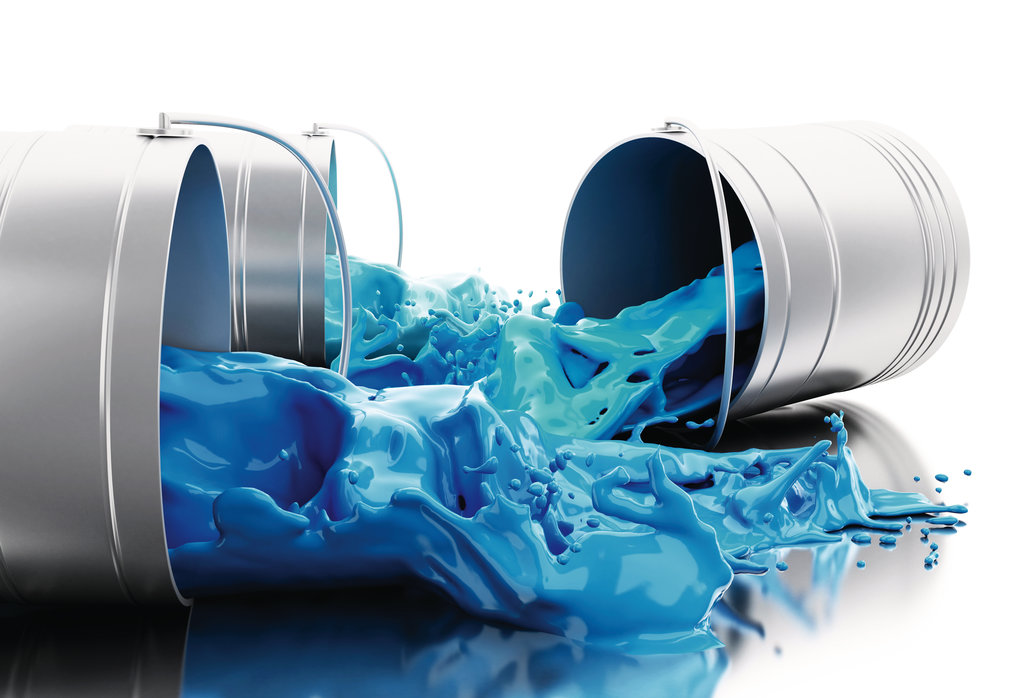
Core Functions & Supporting Performance
To fulfill these functions, coatings must possess a range of key performance properties:
-
For Decoration: Focus is on film appearance (color, gloss), hiding power (ability to obscure the substrate), and fineness (dispersion of pigments, affecting surface smoothness).
-
For Protection: Critical properties include adhesion (strength of bond to the substrate), drying time (touch dry, through dry), and weatherability (resistance to outdoor environmental factors).
-
For Reliable Use: Storage stability is fundamental to ensuring product quality.
Acrylic Coatings: A Typical Example
Acrylic coatings, a broad category based primarily on acrylic resins, demonstrate how performance hinges on the specific resin type used:
-
Vinyl Acrylic (VA) Latex Paint: Lower cost with good film formation at low temperatures, but offers average water, alkali, and weather resistance. Commonly used for standard interior walls.
-
Styrene Acrylic (SA) Latex Paint: Offers balanced overall performance with good water, alkali, and weather resistance. A mainstream choice for both interior and exterior walls.
-
Pure Acrylic (PA) Latex Paint: Delivers superior performance, featuring excellent weatherability, gloss/color retention, scrub resistance, and stain resistance. Ideal for high-end exterior applications and demanding environments.

How to Choose a Good Latex Paint?
A high-quality latex paint should excel in key areas such as hiding power, scrub resistance, application properties, and storage stability. The optimal choice balances these core performance attributes with good cost-effectiveness.
Understanding these coating fundamentals enables more informed product selection based on specific substrate, environmental conditions, and performance requirements.
Cellulose Ether Tech+
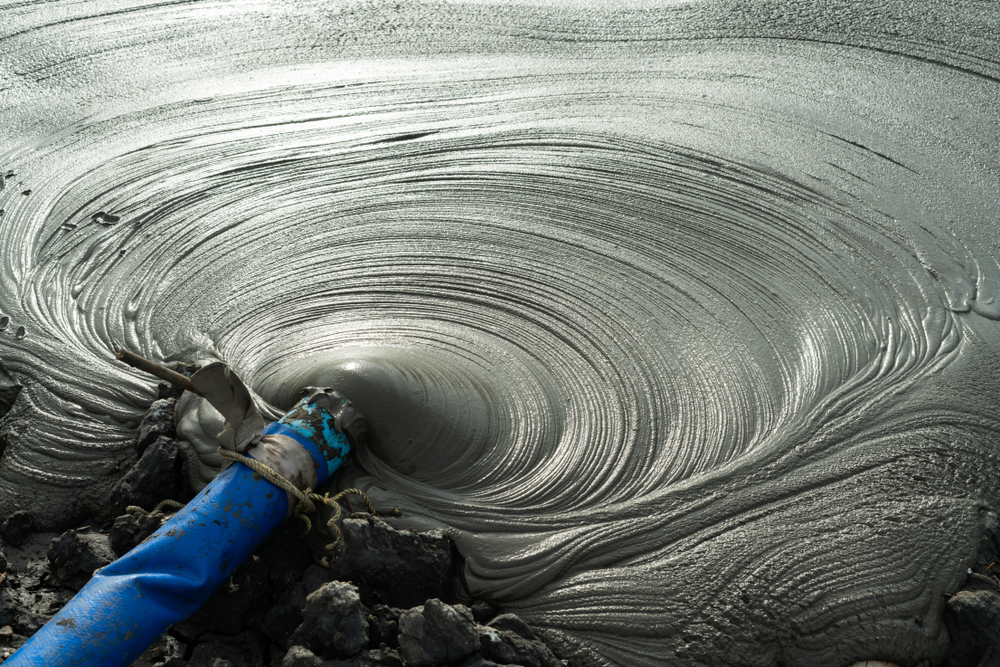
PAC-LV vs PAC-HV for Drilling Fluids: How to Choose
PAC-LV and PAC-HV both control fluid loss, but they affect drilling fluid viscosity differently. Learn which grade better fits your water-based drilling fluid… Continue reading
Why Microcrystalline Cellulose Is Widely Used in Tablet Manufacturing?
Learn why Microcrystalline Cellulose (MCC) is widely used in tablet manufacturing and how its compressibility and binding properties support direct compression… Continue reading

How Does Cellulose Ether Improve Makeup Longevity?
Makeup not lasting long enough? Cellulose ether is a natural-derived film-forming solution. How to choose between EC, HEC, and HPMC? This article breaks down their applications in lip gloss, foundation, and setting spray… Continue reading
How CMC Makes Ice Cream Creamier with Fewer Ice Crystals?
This article explains four key roles of Sodium Carboxymethyl Cellulose (CMC) in ice cream: preventing ice crystal growth, increasing viscosity, improving mouthfeel, and preventing fat separation, with SIDLEYCHEM food grade CMC solutions… Continue reading
How Polyanionic Cellulose (PAC) Improves Water-Based Drilling Fluids
Learn how Polyanionic Cellulose (PAC) improves water-based drilling fluids by controlling fluid loss, enhancing borehole stability, and optimizing drilling performance in oil and gas operations… Continue reading

Sodium Carboxymethyl Cellulose in Toothpaste
Discover why Sodium Carboxymethyl Cellulose (CMC) is widely used in toothpaste. Learn how CMC improves consistency, stability, spreadability, and overall oral care product performance… Continue reading
HEC in hand soap
Hydroxyethyl Cellulose (HEC) improves foam stability in hand soap by increasing viscosity, stabilizing foam structure, and enhancing texture, delivering a richer and longer-lasting washing experience… Continue reading

HEC for liquid detergent
Hydroxyethyl Cellulose (HEC) is widely used in liquid detergents due to its excellent thickening performance, surfactant compatibility, and stable rheology, improving product stability and user experience… Continue reading
Choosing the Right Cellulose Ether for Detergent Manufacturing
This guide provides a complete framework for selecting cellulose ethers in detergent manufacturing: comparing HEC vs. CMC performance, selection factors, and combination strategies, with SIDLEYCHEM customized product solutions… Continue reading

Oilfield Grade CMC Application
This article details the multifunctional applications of oilfield grade CMC in drilling, cementing, and fracturing fluids, including fluid loss reduction, viscosity enhancement, proppant transport, and guar gum replacement, with LVT/HVT and ultra-high viscosity specifications… Continue reading
