
Lower-Carbon Production Reshapes the Dry Mix Mortar Industry
Contact Info
Contact Form
The dry mix mortar industry is moving toward more efficient production, lower energy consumption and improved formulation performance.
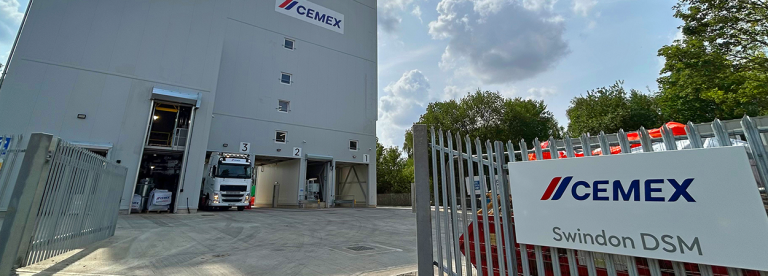
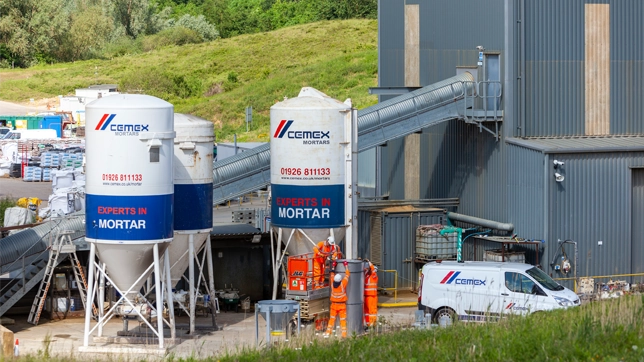
Cemex UK recently opened a new facility in Swindon, Wiltshire, dedicated to lower-carbon dry mortar production and sprayed concrete. The plant will expand the company’s production capacity across southern England and uses a newly developed drying process designed to reduce heat demand and fuel consumption.
The investment reflects a wider trend across the construction materials industry: reducing the environmental impact of mortar is no longer limited to the choice of raw materials. Manufacturing efficiency, energy consumption and formulation performance are increasingly being considered together.
Efficiency Goes Beyond the Production Line
For dry mix mortar manufacturers, lower-energy production is only one part of the challenge.
Modern mortars must also provide consistent workability, water retention, adhesion and application properties under different jobsite conditions. As manufacturers optimize production processes or adjust raw materials, maintaining stable mortar performance becomes increasingly important.
This is where dry mortar additives play an important role.
For example, HPMC and HEMC are commonly used to improve water retention, consistency and workability. Redispersible polymer powder (RDP) can enhance adhesion, flexibility and durability, while starch ether helps control rheology and improve sag resistance.
The performance of these additives must be considered as part of the complete mortar formulation rather than individually.
Formulation and Sustainability Need to Work Together
The development of more efficient dry mortar production shows that sustainability is becoming a system-wide issue.
Reducing fuel use at the factory can lower the environmental impact of manufacturing, while well-designed formulations can help deliver reliable application performance, reduce material waste and improve construction efficiency.
At SidleyChem, we see formulation optimisation as an important part of this transition. Different mortar applications—from tile adhesives and wall putties to renders and self-leveling compounds—require different balances of water retention, rheology, bonding strength and working time.
As the dry mix mortar industry continues to develop, manufacturers will increasingly need to combine efficient production technologies with carefully selected functional additives.
The new Swindon facility is therefore more than an expansion of production capacity. It is another example of how dry mortar manufacturing is moving toward greater efficiency, lower energy use and more controlled product performance.
Other News
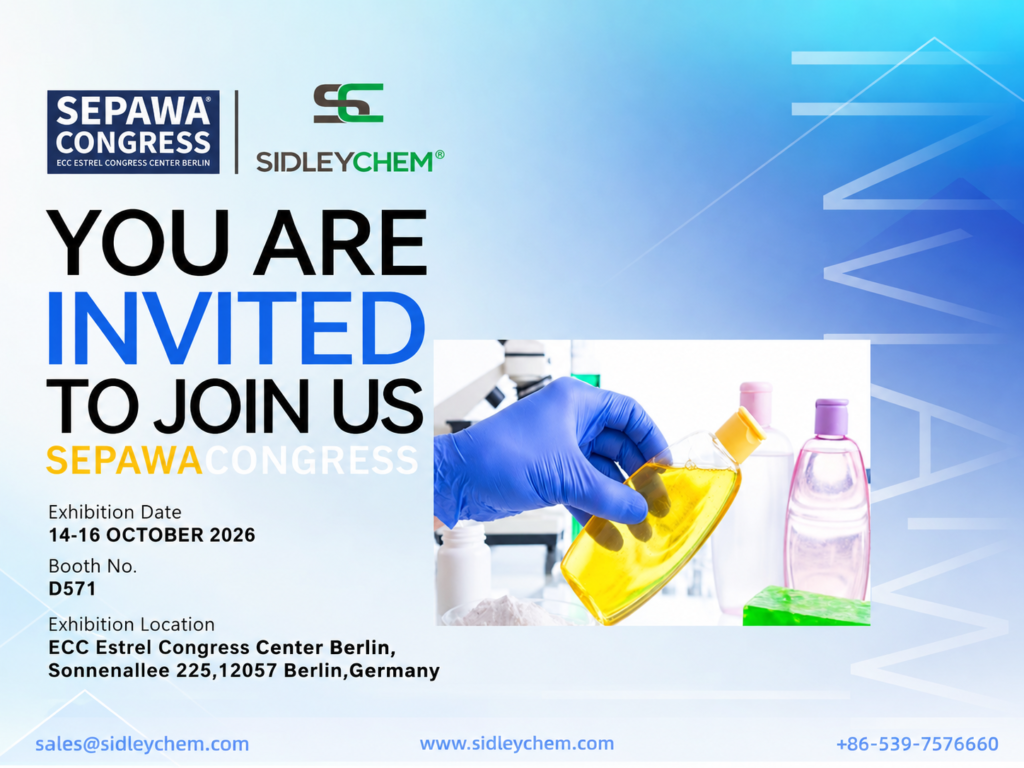
SidleyChem to Showcase Detergent and Personal Care Additives at SEPAWA Congress 2026 in Berlin
Meet SidleyChem at SEPAWA Congress 2026 in Berlin, October 14–16, Booth D571. Explore cellulose ethers and functional additives for detergent and personal care formulations… Continue reading
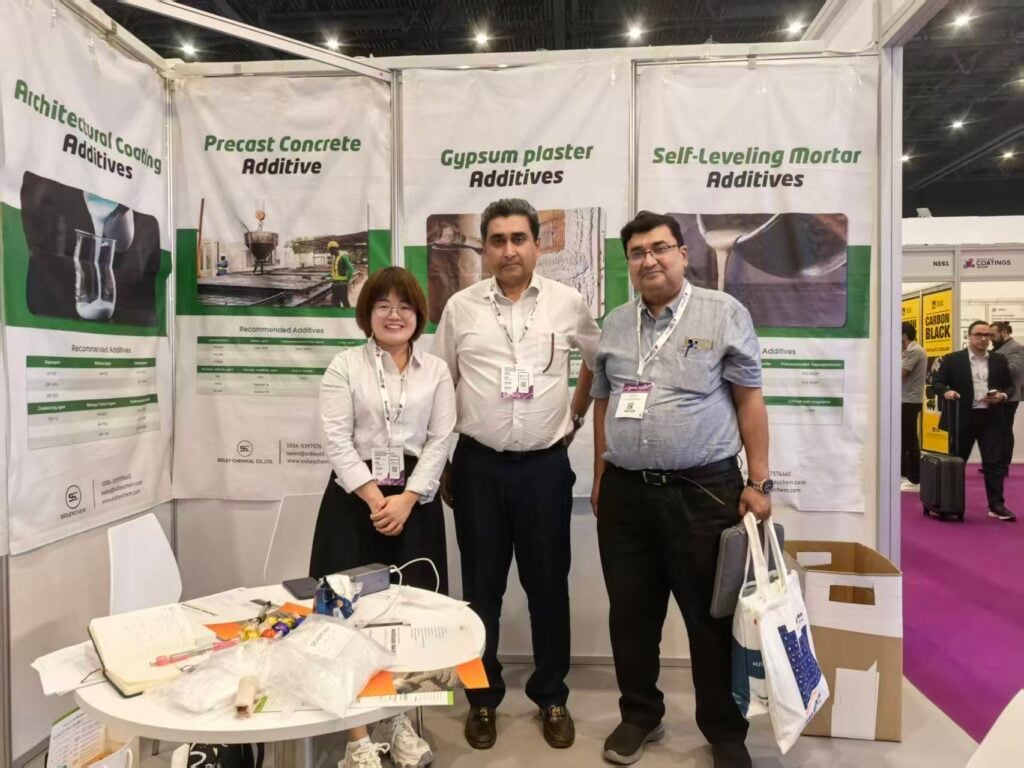
SidleyChem Connects with Coatings Industry Professionals at Middle East Coatings Show 2026 in Dubai
SidleyChem participated in Middle East Coatings Show 2026 in Dubai, presenting cellulose ethers and functional coating additives at Booth … Continue reading
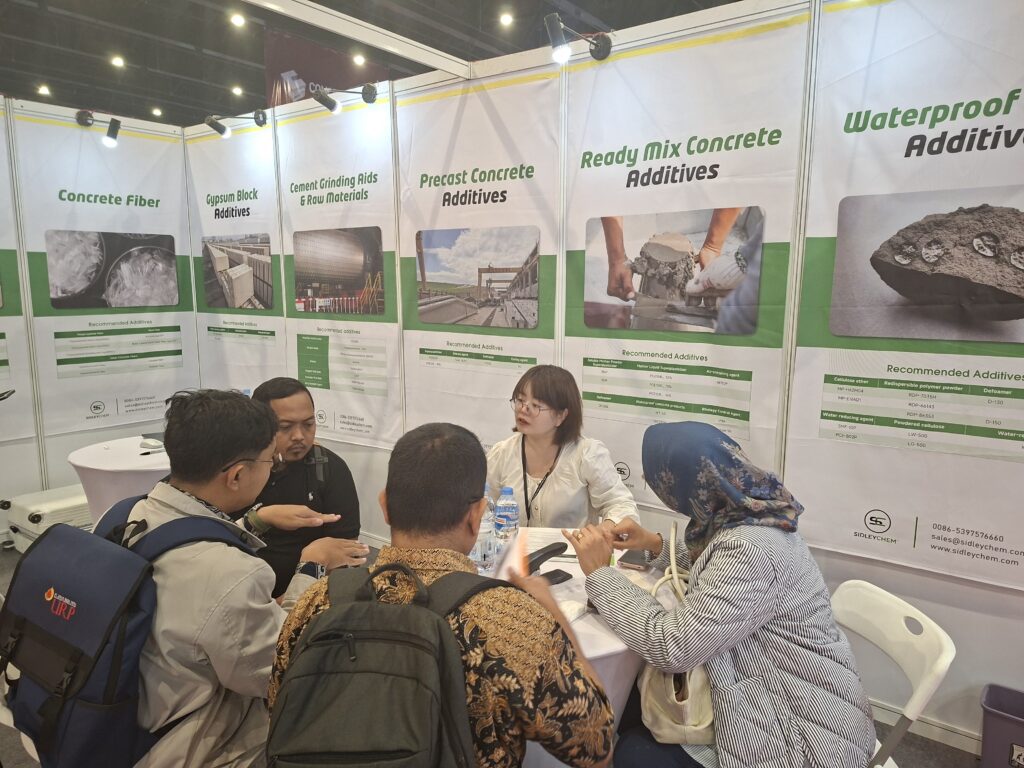
SidleyChem at Concrete Show South East Asia 2026 Jakarta
SidleyChem participated in Concrete Show South East Asia 2026 in Jakarta at Booth 2029, presenting concrete admixtures, dry-mix mortar additives and cellulose ethers… Continue reading
